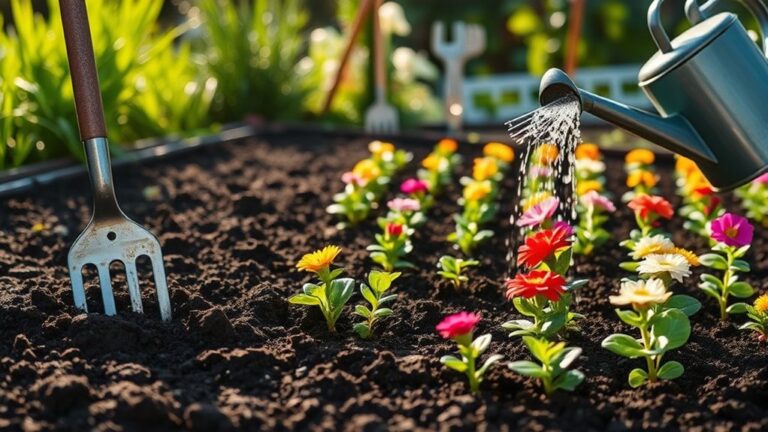
How to Start Growing a Garden in 3 Easy Steps
Starting a garden can feel overwhelming when you’re not sure what to plant or how to keep it thriving. You’re not alone—many new gardeners struggle to get started, but growing a garden can be simple with a few practical steps.
Start your garden in three easy steps. First, choose a spot that gets at least six hours of sunlight, then select a few plants suited to its light and your climate.
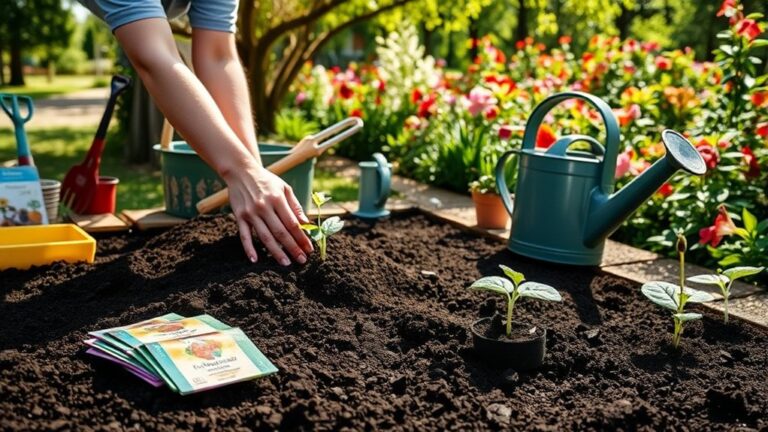
Next, loosen garden soil and mix in compost, or fill pots with fresh potting mix and drainage holes. Plant seeds or seedlings at the labeled depth and spacing.
Finally, water deeply near the soil, check plants regularly, and feed them as needed. A few simple choices can set you up for success.
Key Takeaways
- Choose an accessible spot that receives at least six hours of sunlight daily.
- Select a few easy-to-grow plants suited to your light conditions, climate, and experience.
- Prepare garden beds with loosened, compost-enriched soil, or use pots with fresh potting mix and drainage holes.
- Plant seeds or seedlings at the recommended depth and spacing, and label each planting.
- Water deeply near the soil, monitor plants regularly, and adjust care to weather and growing conditions.
Choose a Sunny Spot and Easy Plants
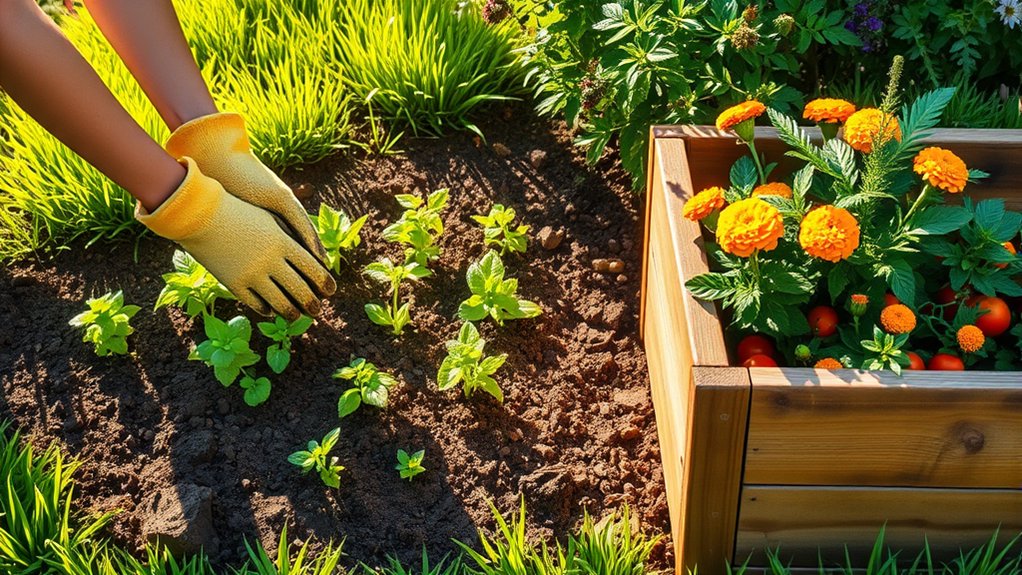
Start by choosing a spot that gets at least six hours of sunlight each day, since most vegetables and flowers thrive in bright light. Watch your yard throughout the day to see where sunlight falls and whether nearby trees or buildings cast shade. A sunny sunspot near your home can make it easier to check on your garden and enjoy its progress.
Next, match your plant choices to the light you have. If your space gets strong sun, consider tomatoes, peppers, marigolds, or zinnias. For partial shade, try leafy greens, parsley, or impatiens. Choose easy plants suited to your climate and experience, and check seed packets or plant labels for light needs and growing times. You’ll have more success when your selections fit your conditions.
Keep your first garden manageable. Pick a few plants you enjoy eating or seeing, rather than filling every available space. Consider how tall they’ll grow so they won’t block sunlight from shorter choices. A thoughtful selection helps you start with confidence.
Prepare Your Soil or Containers and Plant
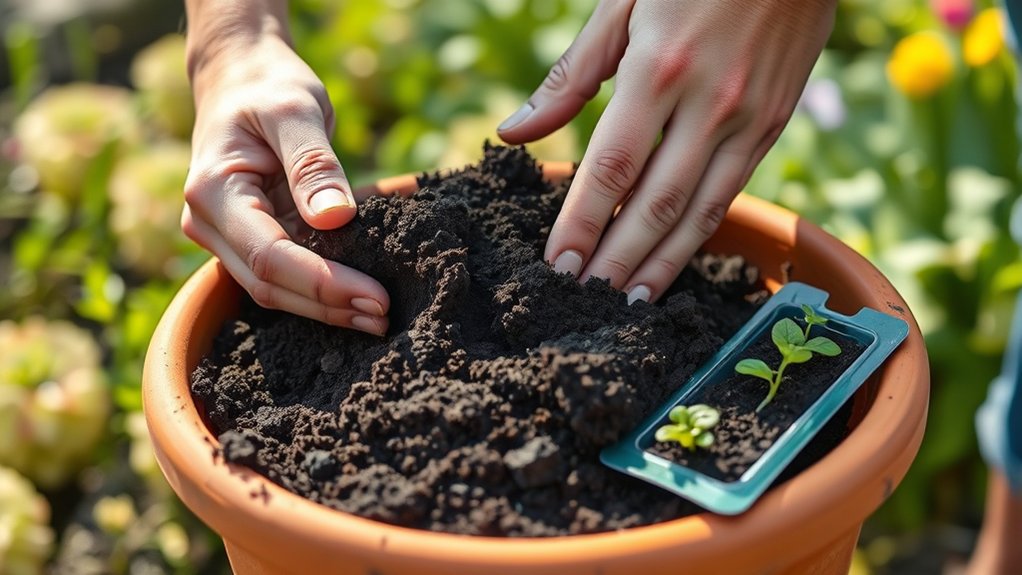
Before planting, loosen the soil and mix in compost to improve its texture and nutrients. This helps your garden’s soil structure support healthy root growth. Remove stones, weeds, and debris, then break up large clumps without pulverizing the earth. If you’re planting in a bed, check that the soil drains well and isn’t compacted.
For pots, choose container sizing based on each plant’s mature roots, not just its starter size. Make sure every container has drainage holes, and use fresh potting mix rather than garden soil, which can become dense in a pot. Set containers where you can reach them easily.
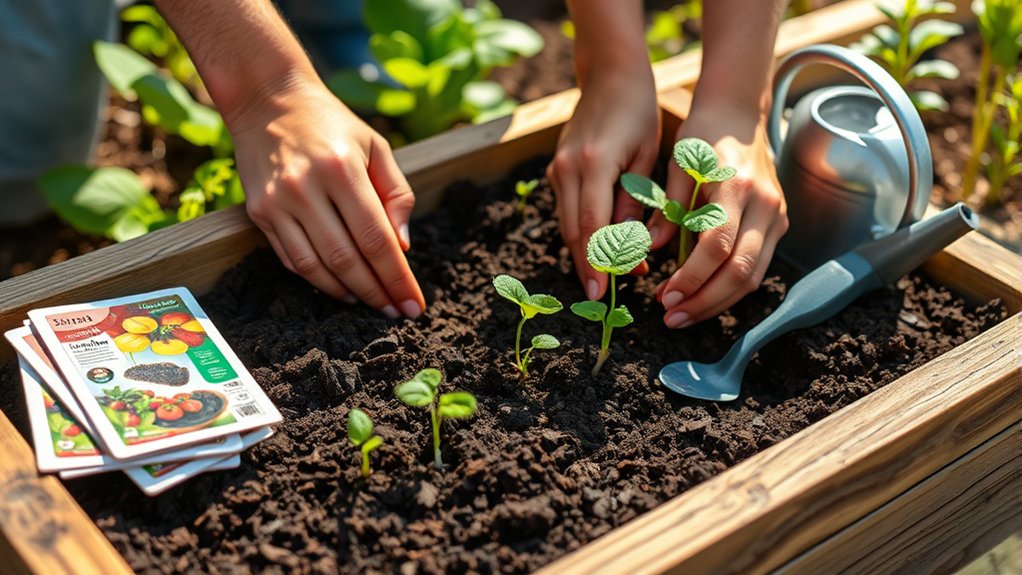
Read seed packets or plant labels for depth and spacing. Make a small hole or furrow, place seeds or seedlings at the recommended depth, and leave enough room between plants for their mature spread. Gently firm soil around transplants so roots make contact, but don’t press it hard. Label each planting with its name and date.
Water, Feed, and Maintain Your Garden
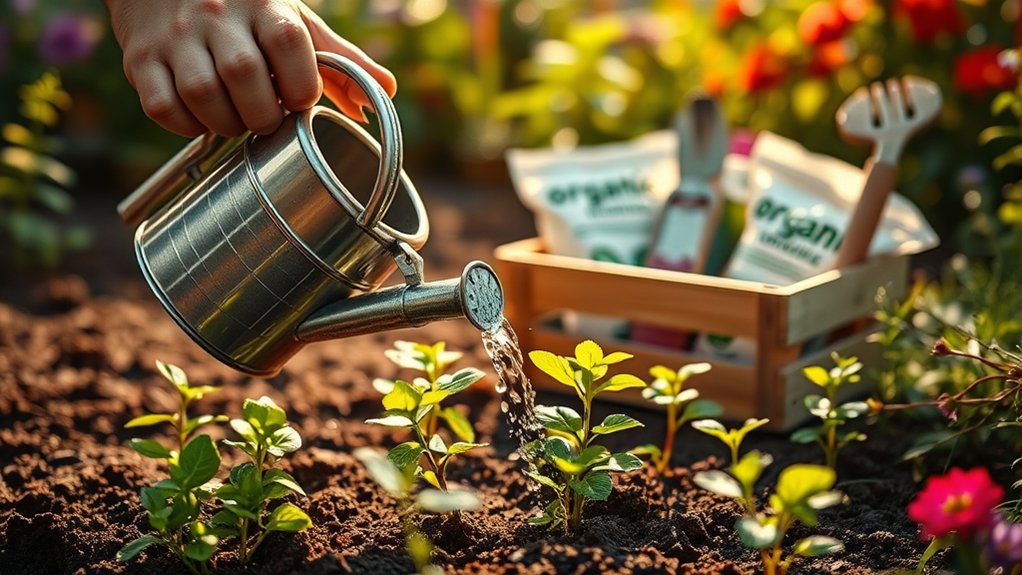
Water your garden deeply enough to reach the roots, then let the soil’s surface begin to dry before watering again. Check moisture with your finger, and adjust your water management for rainfall, heat, and container size. Water near the soil to keep foliage dry and reduce disease.
| Task | What to do | When |
|---|---|---|
| Water | Soak the root zone | When soil feels dry |
| Feed | Apply balanced fertilizer | As label directs |
| Weed | Pull weeds by hand | Weekly |
| Inspect | Check leaves and stems | Every few days |
Support soil fertility by mixing compost into the soil and feeding plants only when they need it; excess fertilizer can harm roots. Remove weeds before they compete for water and nutrients. Look beneath leaves for pests, and remove damaged growth with clean shears.
Stake tall plants before they lean, and harvest ripe produce promptly to encourage continued growth. Keep a simple garden log of watering, feeding, and problems. You’ll spot patterns and make small adjustments before stress affects your harvest.
Frequently Asked Questions
What Gardening Tools Should Beginners Buy First?
Start with beginner tool basics: buy a sturdy hand trowel, pruning shears, a garden fork, gloves, and a watering can or hose with a gentle nozzle. These essentials help you plant, trim, loosen soil, protect your hands, and water effectively.
Choose budget friendly gear that feels comfortable and suits your garden’s size; you don’t need a large tool collection. Add a shovel or wheelbarrow later if bigger projects require them.
How Can I Protect My Garden From Pests?
Protect your garden by checking plants often, removing pests by hand, and covering vulnerable crops with lightweight row covers. To deter aphids, spray them off with water, encourage ladybugs, and avoid excess nitrogen fertilizer.
Choose mulch types that suit your plants. Coarse mulch can discourage slugs, while straw helps retain moisture.
Also, rotate crops, clear fallen leaves, and keep weeds down. Use pesticides only as a last resort, following label directions carefully.
When Is the Best Time of Year to Start Gardening?
The best time to start gardening depends on your climate and what you want to grow. For most vegetables, begin cool-season crops in early spring, several weeks before your last expected frost. Plant warm-season crops after frost danger passes and the soil warms.
These best planting windows vary by region, so check your local frost dates. Seasonal timing also matters for flowers and herbs; follow seed-packet guidance and choose varieties suited to your growing season.
How Can I Garden on a Tight Budget?
You can garden cheaply by starting small, growing seeds, and reusing what you already have. Choose easy crops suited to your climate, save seeds, and swap extras with neighbors.
Make containers from clean buckets or pots, ensuring drainage. Try soil improvisation with homemade compost, leaf mold, or aged grass clippings.
Use budget friendly mulch, such as shredded leaves or straw, to retain moisture. Water deeply, collect rain when permitted, and buy only essentials.
Are Raised Garden Beds Worth the Investment?
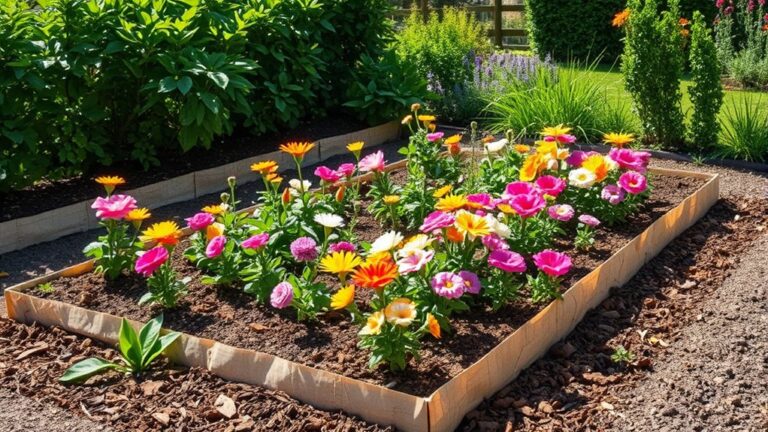
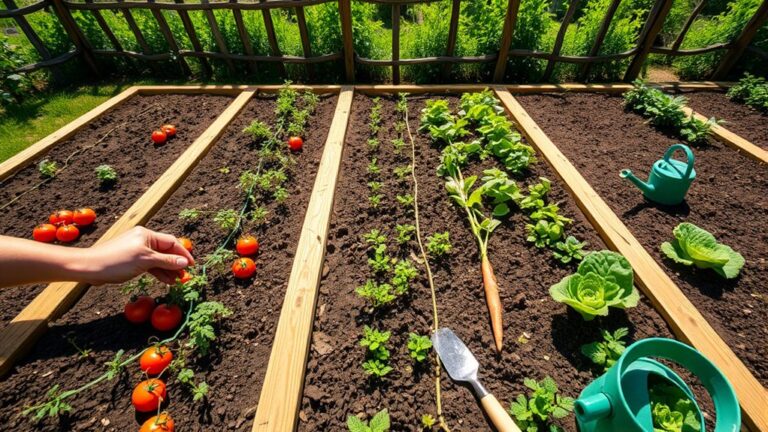
Yes, raised beds can be worth your investment when they solve real gardening challenges. Better boundaries bring easier access, improved drainage, and more control over soil quality. Consider raised bed durability: sturdy cedar or metal costs more upfront but can last longer than untreated wood.
Weigh soil depth considerations against your crops’ roots; deeper beds need more soil and money. If you’re on a tight budget, start small, use reclaimed materials, and expand as needed.
Conclusion
Your first garden doesn’t need to be perfect—just start with a sunny spot, a few easy plants, and soil or containers that suit them. Water consistently, feed as needed, and check your plants regularly so you can catch problems early.
Even a small patch can bring fresh flavor and a sense of accomplishment. In fact, the National Gardening Association estimates that a well-maintained vegetable garden can yield about $600 worth of produce from a $70 investment.
Keep growing, and enjoy what you harvest. Starting a garden can be simple, rewarding, and well worth the effort.