How to Construct a Vegetable Garden in 5 Easy Steps
Starting a vegetable garden can feel overwhelming when you’re unsure what to plant, where to put it, or how to prepare the soil. You’re not alone—many people struggle to know where to begin. These five easy steps make it simpler to plan a vegetable garden that suits your space and experience.
To construct a vegetable garden in five easy steps, first choose vegetables your household enjoys and select beginner-friendly crops that fit your space. Next, find a sunny spot, checking how shadows shift during the day. Clear and loosen the soil, add finished compost, or build a raised bed if drainage or soil quality is poor. Plant cool- or warm-season crops according to local frost dates. Finally, water deeply, weed, mulch, and check plants regularly. The steps below can help you plan each stage.
Key Takeaways
- Choose vegetables your household enjoys, assess available space, and group crops by season and expected yield.
- Select a sunny, accessible location; aim for eight or more hours of sunlight for fruiting crops.
- Clear and loosen the soil, then mix in finished compost or build a raised bed with quality soil.
- Plant cool-season crops before the last spring frost and warm-season crops after frost risk passes.
- Water deeply near plant roots, weed regularly, add mulch, inspect plants, and harvest ripe vegetables promptly.
Plan Your Vegetable Garden and Choose Easy Crops

Before you plant, decide how much space you can tend and what your household likes to eat. Make a short list of favorite vegetables, then check how much each plant produces. A few tomato plants may supply plenty, while lettuce lets you harvest small amounts over time.
To plan your crops, group vegetables by their growing season and note when you’ll sow, transplant, and harvest them. Keep your first garden manageable; you can add more next year.
Select easy varieties that suit your experience, such as radishes, bush beans, zucchini, or leafy greens. Read seed packets for days to maturity and care needs, and choose types your family will actually enjoy.
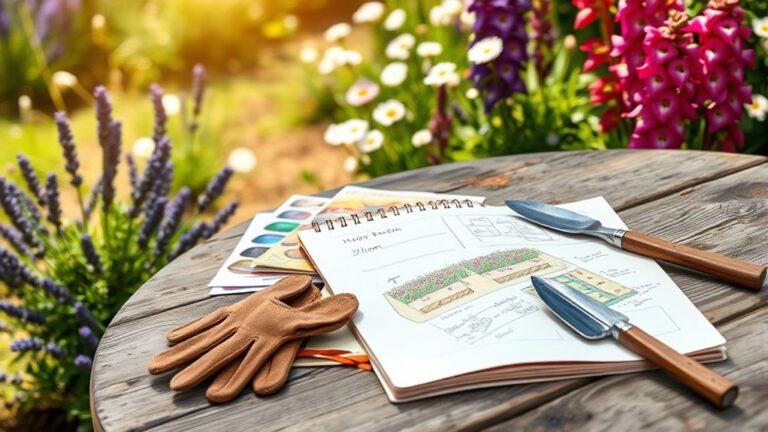
To promote soil health, add finished compost and rotate related crops rather than planting them in the same place each season. Choose pest resistant choices when available, but still inspect leaves regularly. Track your selections in a simple garden notebook so you can learn what thrives and refine your plan.
Choose a Sunny Spot for Your Vegetable Garden

Where should you place your vegetable garden? Choose a sunny location where your crops can receive several hours of direct sunlight each day. Most vegetables grow best with at least six hours, while fruiting plants such as tomatoes, peppers, and cucumbers often benefit from eight or more. Check the sun exposure duration before you settle on a spot.
Watch the area at different times throughout the day, since nearby trees, fences, and buildings can cast shifting shadows. A place that looks bright in the morning may lose sunlight by afternoon. If you’re unsure, observe the site on a clear day or use a sunlight-tracking app to estimate how many hours of direct light it gets.
Consider seasonal changes, too. Trees may leaf out and create shade later in spring, and the sun’s angle shifts over the year. Pick a spot that stays bright during your growing season. If your yard has limited sun, choose crops suited to partial shade, such as leafy greens, and place them where they’ll receive the most available light.
Prepare Garden Soil or Build a Raised Bed

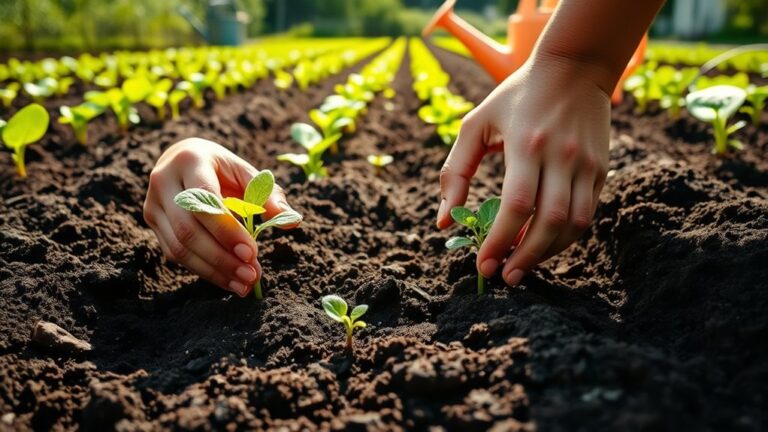
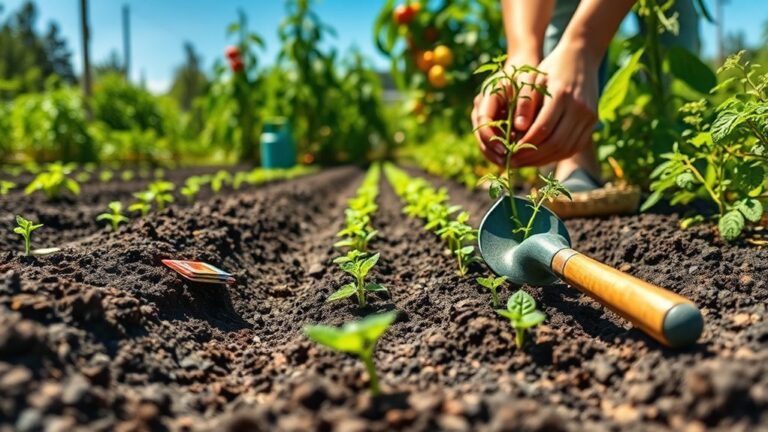
Once you’ve chosen a sunny spot, prepare the ground for healthy roots. Clear away weeds, rocks, and debris, then loosen the soil with a garden fork. Good preparation helps roots spread and gives vegetables access to water and nutrients.
Clear debris and loosen the soil to help vegetable roots spread and reach water and nutrients.
Before adding amendments, consider soil testing through your local extension service. Results can show whether your soil needs compost or specific nutrients, so you won’t add materials unnecessarily.
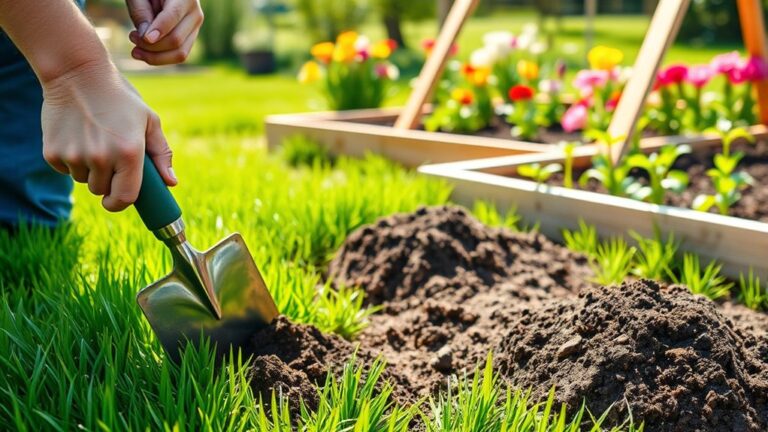
If your ground drains poorly, contains contaminated soil, or is difficult to work, build a raised bed. Choose durable, untreated materials, such as cedar boards, and avoid wood treated with chemicals. Set the bed on level ground and make it deep enough for roots.
- Improve existing soil: Mix in finished compost to support soil structure and beneficial organisms.
- Check drainage: Water the area; if puddles linger, loosen compacted soil or choose a raised bed.
- Fill thoughtfully: Use quality topsoil blended with compost, leaving room below the bed’s rim.
Keep the surface even and accessible for planting.
Plant Vegetables at the Right Time for Your Climate
When should you plant? Your timing climate depends on local frost dates, seasonal temperatures, and each vegetable’s needs. Check your area’s average last spring frost and first fall frost to find your regional window. Your county extension service or a local planting calendar can provide reliable dates.
Cool-season crops, such as peas, spinach, lettuce, and radishes, tolerate chilly weather. Plant them outdoors a few weeks before the last spring frost, when the soil is workable. You can sow another round in late summer for a fall harvest.
Warm-season vegetables, including tomatoes, peppers, beans, and squash, need warmer soil and air. Wait until after your last spring frost, then plant when nights stay mild. For a fall crop, count backward from your first expected frost, allowing enough days for the variety to mature.
Read seed packets or plant labels for spacing and days to maturity. If your season is short, choose fast-maturing varieties or start seeds indoors according to package directions. Adjust dates for unusual weather, and use local guidance to refine your schedule.
Water, Weed, and Care for Your Vegetable Garden
Consistent care helps your vegetables grow strong and produce well. Check your garden often so you can spot dry soil, weeds, pests, or signs of disease before they cause serious problems. Your routine doesn’t need to be complicated; a few thoughtful habits can protect your harvest and improve soil health.
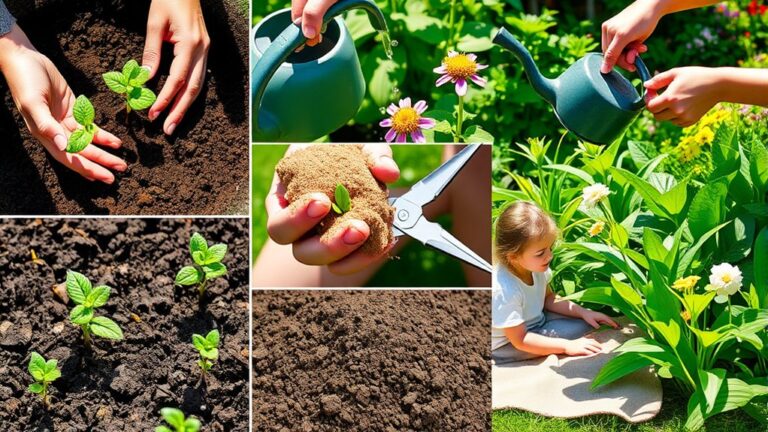
- Water wisely. Good water management starts with checking soil moisture, not following a rigid schedule. Water deeply near the roots, preferably in the morning, so plants can absorb moisture before the heat of the day. Adjust watering after rain or during hot, dry weather.
- Keep weeds in check. Practice regular weed control by pulling young weeds before they spread. Add a layer of mulch to suppress new growth, conserve moisture, and reduce the time you spend weeding.
- Inspect and support plants. Look beneath leaves for pests, remove damaged growth, and stake tall or heavy plants when needed. Harvest ripe vegetables promptly to encourage continued production.
With steady attention, you’ll catch small issues early and help your garden thrive through the growing season.
Frequently Asked Questions
What Tools Do I Need to Start a Vegetable Garden?
You’ll need a sturdy spade or garden fork, a hand trowel, pruning shears, gloves, and a watering can or hose with a gentle nozzle. A rake helps level soil, while a hoe makes weeding easier.
For seed starting, gather trays or small pots and labels. Add a wheelbarrow for moving soil amendments and compost. You don’t need every tool at once; start with the basics and expand as your garden grows.
How Much Does It Cost to Build a Vegetable Garden?
You can build a vegetable garden for about $50 to $500, depending on its size, materials, and setup. A simple in-ground plot may cost just $50 to $150 for seeds, compost, and basic supplies. Raised beds can bring the total to $200 to $500 or more.
Your garden’s cost is a flexible idea1, so compare prices and reuse materials. Start small, then expand as your budget and gardening experience grow—an affordable idea2.
Can I Grow Vegetables in Containers on a Balcony?
Yes, you can grow vegetables in containers on a balcony, even in a small space. For successful container balcony gardening, choose pots with drainage holes and match their size to each plant’s roots.
Grow compact varieties of tomatoes, peppers, lettuce, or herbs, and place them where they’ll get enough sunlight. Water regularly, since containers dry out quickly. With a little planning, urban container gardening can provide fresh produce throughout the growing season.
How Do I Keep Pests Away From My Vegetable Garden?
Keep pests away by inspecting your plants often, removing damaged leaves, and covering crops with lightweight row covers. Think of your garden as a castle: one tiny gap can invite trouble, so check stems and leaf undersides regularly.
Encourage helpful insects with flowering herbs, and rotate crops each season. For pest prevention, try organic alternatives such as handpicking, insecticidal soap, or neem oil, following label directions to protect pollinators and beneficial bugs.
When Should I Harvest Homegrown Vegetables?
When to harvest depends on each vegetable’s variety and maturity, so check seed packets for expected days and size. Pick tomatoes when they’re fully colored and slightly soft; harvest leafy greens young for tenderness, or let them grow for stronger flavor.
Peak harvest windows often arrive early morning, when produce is cool and crisp. Match your Gardening goals and Flavor vs texture preferences: frequent picking encourages many plants to keep producing, while leaving crops longer may deepen flavor.
Conclusion
You’ve planned your plot, picked a sunny spot, prepared the soil, and planted crops suited to your climate. Now keep up with watering, weeding, and simple care, and your garden will reward you with fresh vegetables.
Don’t worry if everything doesn’t go perfectly at first; gardening is a learning process, and you’ll get better each season. Start small, enjoy watching your plants grow, and take pride in every harvest.
Before long, you’ll be reaping what you sow in your vegetable garden.