10 Tips to Get Good Fruits in Grow a Garden
Getting top-quality fruit in *Grow a Garden* can be tricky when you’re unsure what to plant or how to care for it. You’re not alone—many players struggle to get the most from each harvest. These 10 tips for getting good fruits in *Grow a Garden* can help you grow a better crop.
To get good fruit in *Grow a Garden*, choose varieties suited to your climate and check their pollination needs. Plant them in the right season, at the recommended depth, with enough sun, drainage, and space to grow. Water consistently, fertilize carefully, and protect developing fruit from pests, birds, and harsh weather. Prune crowded or damaged branches to improve airflow and light. Check color, texture, and aroma for ripeness, then store each fruit appropriately. A few simple habits can make every harvest better.
Key Takeaways
- Choose fruit varieties suited to your climate, hardiness zone, and local pollination needs.
- Plant in well-drained soil with suitable sunlight, correct depth, and enough room for mature growth.
- Water deeply and consistently, and use fruit-plant fertilizer sparingly according to its label.
- Inspect plants often, prune for airflow, and protect fruit from pests, birds, frost, and storms.
- Harvest when fruit shows ripe color, texture, and aroma; handle gently and store appropriately.
Choose Fruit Varieties for Your Climate
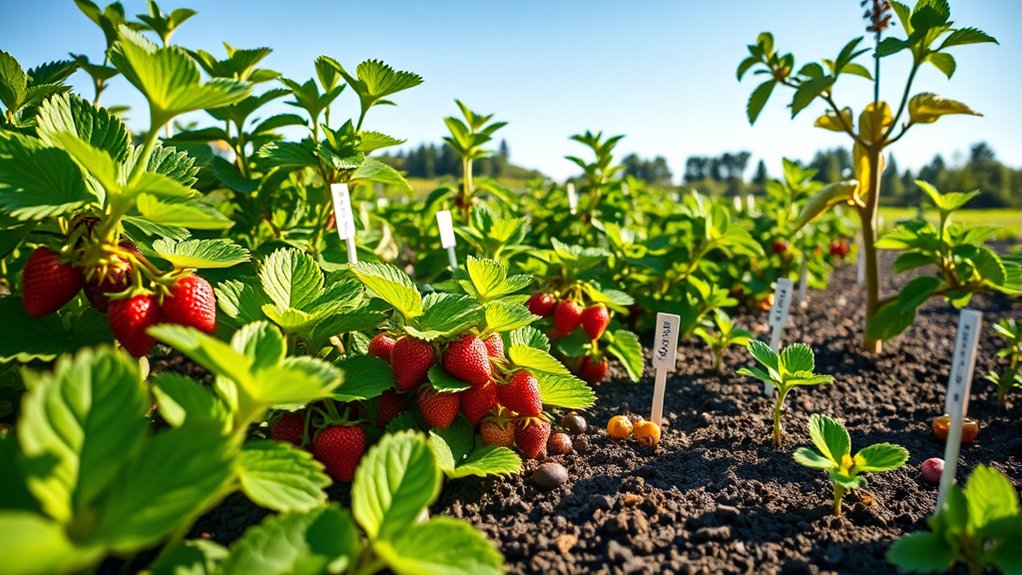
Before choosing fruit trees or bushes, check which varieties thrive in your climate. Your local conditions shape how well plants grow, flower, and produce fruit. Start by identifying your hardiness zone, then compare it with each plant’s recommended range. Consider seasonal temperatures, too: late frosts can damage blossoms, while intense summer heat may stress varieties that need cooler conditions.
For reliable climate compatibility, look beyond a plant’s general name. Different cultivars of the same fruit can vary in cold tolerance, heat needs, ripening time, and disease resistance. Read nursery labels and regional growing guides, or ask a nearby extension service which choices perform well in your area. This careful cultivar selection helps you avoid plants that struggle or fail to ripen before winter.
If you’re choosing several kinds, favor varieties with similar climate requirements so you can care for them consistently. Check whether a cultivar needs another compatible variety for pollination, and choose one suited to your region’s growing season. These checks give you a stronger start and more dependable harvests.
Find the Best Spot for Each Fruit Plant
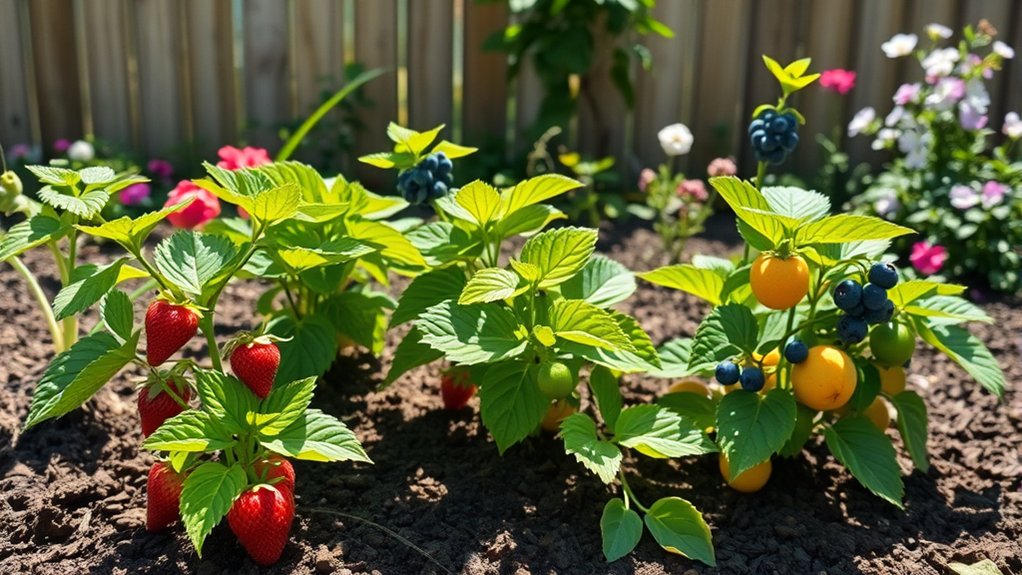
Where you plant each fruit matters as much as which variety you choose. Start by finding sunlight: observe your garden through the day and note where light lasts longest. Give sun-loving fruit plants an open, bright spot, while choosing a location with some afternoon shade for plants that struggle in intense heat. Check nearby trees and buildings, too; their shade can shift as the seasons change.
Next, assess soil texture and drainage across possible sites. Crumbly soil that lets excess water escape suits many fruit plants, while heavy, soggy ground can stress roots. If a spot stays wet after rain, consider a raised bed or another location. Match each plant’s needs with the conditions you can provide, rather than forcing every variety into one corner.
Think ahead about access and care. Leave room to reach each plant for harvesting, watering, and pruning. Your watering cadence may differ between sunny and sheltered spots, and pruning timing can depend on the plant’s health and growth.
Get Planting Time and Depth Right
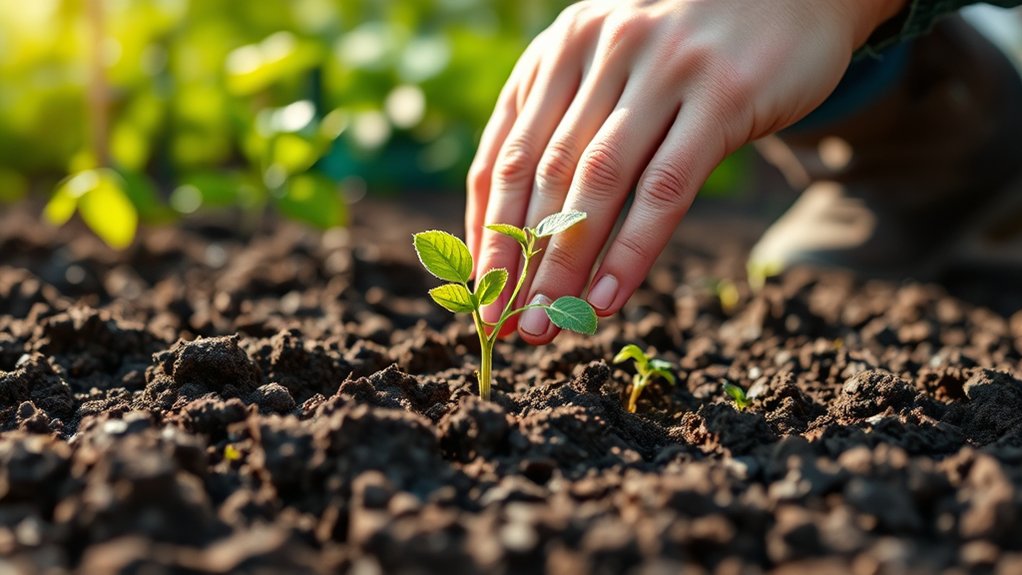
Check the recommended planting season for each fruit to give it the right start. Also, measure the planting depth carefully—planting too deep or too shallow can hinder growth. If you’re planting from seed, follow the packet’s instructions for both timing and depth.
Check Planting Seasons
When should you plant fruit trees and bushes? Check planting seasons for your local climate, because the right window helps young plants settle in before harsh weather. Your region’s frost dates and growing zone matter more than a generic calendar. Look up each variety’s needs, then choose a time when roots can establish without heat or freezing stress.
| Planting window | What you gain | What you risk |
|---|---|---|
| Early spring | Hopeful new growth | Late frost damage |
| Mild autumn | Calm root growth | Sudden cold snaps |
Check local forecasts and nursery guidance before you buy. Seasonal fruit availability can also guide your choices: select varieties that ripen at different times, and you’ll enjoy a longer harvest. A little planning now can turn an empty garden into a season of sweet, shared rewards.
Measure Planting Depth
Plant each fruit tree or bush at the depth it grew in the nursery, using the trunk’s soil line as your guide. When you choose planting depth, keep the root flare visible and avoid burying the trunk. Planting too deeply can limit airflow around the roots, while setting a plant too high may expose roots to drying.
Before you dig, measure soil depth and check that the planting spot offers enough room for the root ball. Make the hole wide enough for roots to spread, but no deeper than needed to match the nursery soil line.
Set the plant in place, then check its height from several angles. Add or remove soil beneath the root ball until the trunk’s original soil line sits level with the surrounding ground. Backfill gently and water to settle soil without covering the trunk.
Follow Seed Instructions
For fruit seeds, follow the packet’s guidance on planting time and depth, since both can affect germination. Check your local frost dates and sow outdoors only when conditions suit the crop.
If you start seeds indoors, note when to transplant them and how much light they need. Use the packet’s depth rather than guessing: shallow sowing can dry out, while deep sowing may delay seed germination.
| Packet detail | What you should do |
|---|---|
| Planting time | Match sowing to frost dates |
| Seed depth | Measure before covering |
| Spacing | Leave room for growth |
Also check the listed soil pH and adjust your bed if needed. Water gently after sowing, then keep the soil evenly moist.
Label each row with the variety and planting date so you can track progress and follow the instructions again next season.
Space Fruit Plants for Healthy Growth
Giving fruit plants enough room helps them grow strong and produce well. Check the mature size of each variety before planting, then leave enough space between plants for their branches and roots. Crowded plants compete for light and nutrients, and their foliage can trap humidity, increasing the risk of disease.
Give fruit plants room to spread so they can access light and nutrients while reducing the risk of disease.
Good canopy spacing lets air and sunlight reach more of each plant, supporting healthy leaves and better fruit development.
Plan your garden layout before you dig. Use space optimization by placing compact varieties near paths or in containers, while giving larger trees room to spread. Follow the spacing guidance on seed packets or plant labels, since needs vary by type.
If you’re growing in rows, leave clear paths so you can inspect, prune, and harvest without damaging branches. Consider each plant’s mature height, too; taller growth can shade nearby crops. A thoughtful layout prevents overcrowding as your garden fills out and makes routine care easier throughout the growing season.
You’ll also spot problems sooner when foliage isn’t tangled.
Water Fruit Plants Consistently
Once you’ve planned enough space for each fruit plant, keep its soil consistently moist to support steady growth and fruit development. Check the soil regularly by pressing a finger about an inch below the surface. If it feels dry, water slowly until moisture reaches the roots. Don’t rely on a fixed schedule alone; heat, wind, rainfall, and soil type all affect how quickly beds dry out.
Good watering consistency helps prevent stress that can reduce flowering and fruit quality. Aim to water deeply rather than giving plants frequent, shallow splashes. This encourages roots to grow downward and helps them access moisture during warm spells. Direct water at the base of each plant, keeping leaves as dry as possible to limit disease.
Pay attention to irrigation timing, too. Water early in the morning so plants can absorb moisture before the day heats up. Adjust your routine after rain, and check containers more often because they dry out faster than garden beds.
Choose the Right Fertilizer and Feeding Schedule
Choose a fertilizer suited to your fruit plants and follow its label for how much and how often to apply it. Your plants need a nutrient balance that supports healthy roots, leaves, flowers, and fruit.
Choose a fertilizer suited to your fruit plants, and follow the label to support healthy growth and fruit.
Too much fertilizer can encourage leafy growth at the expense of fruit, so don’t assume that more is better. Check whether your soil needs specific nutrients before choosing a product, and adjust your plan to suit the plants you’re growing.
- Match the formula: Choose a product labeled for fruit plants, and consider whether your plants need a balanced blend or a particular nutrient.
- Plan fertilizer timing: Feed during active growth, following the product’s directions. Avoid applying fertilizer when plants are dormant unless the label recommends it.
- Apply carefully: Measure each dose, spread it as directed, and water afterward if the label calls for it. Keep a simple calendar so you don’t feed too often or forget scheduled applications.
Watch how your plants respond, and revise your routine when needed.
Protect Fruit From Pests, Birds, and Weather
Check your plants regularly and remove pests before they spread. To keep birds away from ripening fruit, use netting. And when storms, frost, or extreme heat threaten your crop, cover your plants or provide shelter.
Deter Garden Pests
As fruit ripens, birds, insects, and sudden weather can undo months of care. Protect your harvest with steady pest control and practical routines beyond pruning. Check leaves, stems, and developing fruit often; early signs are easier to manage than a large infestation. Choose methods that suit the pest and your garden, and follow product directions carefully.
- Inspect regularly: Look for chewed leaves, sticky residue, eggs, or damaged fruit. Remove affected material and identify the culprit before acting.
- Encourage helpful insects: Plant flowers that attract pollinators and natural predators. Avoid broad-spectrum sprays that can harm beneficial visitors.
- Keep plants healthy: Clear fallen fruit and weeds, water consistently, and give plants enough space for airflow. Strong growth can better withstand pest pressure.
Record recurring problems so you can adjust your approach next season.
Shield Fruit From Birds
Birds can strip ripe fruit quickly, so cover vulnerable crops before they start pecking. Check your trees and bushes as fruit begins to ripen, then choose protection that fits each plant. Fine-mesh netting keeps birds away while allowing sunlight and airflow.
Secure it tightly around the crop, and close gaps near the ground or branches where birds might enter. Lift the net regularly to harvest fruit and check for trapped wildlife.
You can also try bird deterrents, such as reflective tape, wind spinners, or decoy predators. Move these items every few days; birds may ignore them if they stay in one spot.
For small plants, use mesh bags around individual fruit clusters. Combine these netting strategies with timely picking, and remove ripe fruit promptly to reduce temptation. Keep barriers taut and inspect them often.
Protect Against Bad Weather
Netting helps deter birds, but storms, wind, and sudden temperature swings can also damage fruit. Protect your crop with practical weatherproofing strategies, and check local forecasts so you can act before conditions turn harsh. These storm prep methods can reduce damage without making garden care complicated:
- Secure branches: Tie young or heavily laden limbs to sturdy supports. Prune weak growth before storm season so strong winds are less likely to snap branches.
- Cover fruit: Drape breathable fabric over plants when hail, frost, or intense heat threatens. Anchor covers securely, but remove them when conditions improve to let in light and airflow.
- Protect roots: Spread mulch around each plant to steady soil moisture and temperature. After heavy rain, clear drainage channels so water won’t pool around roots.
Check plants afterward, remove damaged fruit, and adjust supports or covers as needed.
Prune Fruit Plants for a Better Harvest
Pruning fruit plants at the right time helps sunlight reach the branches, improves airflow, and encourages productive growth. Your pruning timing depends on the plant type and local climate. Many deciduous fruit trees benefit from pruning during dormancy, while you can trim dead or damaged growth whenever you notice it. Check your plant’s needs before making cuts.
Use clean, sharp tools to make precise pruning methods that protect healthy tissue. Remove dead, diseased, crossing, or crowded branches first. Then thin dense areas so light and air can move through the canopy. Cut just above an outward-facing bud, and avoid leaving long stubs or cutting too close to the trunk.
Don’t remove too much at once; heavy pruning can stress a plant and reduce its growth. For young plants, shape a strong framework by keeping well-spaced branches. For established plants, focus on maintaining an open structure and removing unproductive growth. Clean your tools between plants to limit the spread of disease.
Check for Signs of Peak Ripeness
Once your fruit plants are growing well, watch for signs that their harvest is ready. Picking at the right moment gives you the best flavor and helps you enjoy each crop at its peak sweetness. Since fruits ripen differently, check them regularly and use more than color alone to judge readiness.
- Notice the color. Look for the mature shade typical of each variety. A fruit that’s still green or pale may need more time, while a rich, even color can signal ripeness.
- Check the feel. Gently press the fruit. Many ripe fruits yield slightly without feeling mushy. If it’s firm, wait a little; if it’s soft or bruised, pick it promptly.
- Smell and taste. A sweet, fresh aroma often indicates readiness. When you’re unsure, sample one fruit and assess its flavor, texture, and juiciness.
These signs of ripeness help you choose when to harvest. Keep checking as fruits mature, because one plant may produce ready fruit over several days.
Store Harvested Fruit to Keep It Fresh
Store each fruit the way it likes best. Some do well in the fridge, while others stay fresher at room temperature. Check your fruit regularly for soft spots or signs of spoilage, and remove any damaged pieces to help the rest stay fresh.
Choose the Right Storage
How you store freshly picked fruit can make the difference between a crisp, flavorful harvest and one that spoils quickly. Choose storage methods based on each fruit’s needs, since temperature, moisture, and airflow affect shelf life. Keep these simple guidelines in mind:
- Refrigerate delicate fruit: Place berries, cherries, and ripe peaches in the fridge to slow softening. Use breathable containers so moisture doesn’t build up.
- Leave firm fruit at room temperature: Store apples, pears, and unripe peaches in a cool, shaded spot until they’re ready to eat. Keep them away from direct sunlight and heat.
- Separate ethylene producers: Put apples and ripe bananas apart from sensitive fruit, such as berries, to slow unwanted ripening. Choose a clean, dry container that suits your harvest, and avoid packing fruit tightly. Good placement helps preserve flavor and texture.
Check Fruit Regularly
Check stored fruit every day or two, since one bruised or spoiled piece can affect the rest. Look through your containers and remove any fruit with soft spots, mold, leaks, or an unusual smell. Handle each piece gently so you don’t bruise healthy produce while inspecting it.
Monitor ripeness to decide what to use first. Move fruit that’s ready to eat to the front, and keep firmer pieces separate if they need more time. Check fruit more often in warm conditions, since heat can speed up ripening and spoilage.
If you store different kinds together, watch for overripe pieces that may affect nearby fruit. Clean and dry the container before returning sound fruit, and adjust storage when needed. Regular checks help you catch problems early, reduce waste, and enjoy your harvest at its best.
Frequently Asked Questions
How Can I Grow Fruit in Containers?
You can grow fruit in containers by choosing compact, self-fertile varieties and giving them roomy pots with drainage holes. For smart container fruit selection, try dwarf citrus, strawberries, blueberries, or patio tomatoes; match each plant’s sunlight and soil needs.
Use quality potting mix, water when the top inch feels dry, and feed during active growth. Add these balcony garden ideas: group pots by sunlight, protect them from strong winds, and prune regularly.
Which Fruit Plants Are Easiest for Beginners?
For beginner-friendly fruit plants, choose strawberries, raspberries, dwarf blueberries, or patio tomatoes. Want a quick win? Strawberries grow well in containers, while raspberries can thrive with a sunny spot and simple support.
Pick varieties suited to your climate, and check whether you need more than one plant for pollination. Easy care habits include regular watering, well-draining soil, and plenty of sunlight. Start with one or two plants, then expand as you gain confidence.
How Long Does It Take Fruit Plants to Produce?
Fruit plants can take anywhere from a few weeks to several years to produce, depending on the species, variety, growing conditions, and whether you start from seed or a mature plant. For realistic fruit production timelines, check the plant label and ask your local nursery.
You’ll usually harvest sooner from established plants. If you want quicker results in a small space, choose container friendly fruit options like strawberries, dwarf citrus, or blueberries, and give them enough sunlight and care.
Can I Grow Fruit Plants Indoors?
Yes, you can grow fruit plants indoors with proper pots, plenty of space, and steady care. Choose compact varieties, such as dwarf citrus or strawberries, that suit your room.
Provide strong indoor lighting, ideally with a grow light if sunlight’s limited, and keep temperatures consistent. Water when the soil begins to dry, and use well-draining containers.
For plants that need help setting fruit, try gentle pollination methods, like brushing flowers with a small, soft brush.
How Do I Propagate Fruit Plants From Cuttings?
You can propagate fruit plants from cuttings by taking a healthy, nonflowering stem and trimming it just below a leaf node. Remove the lower leaves, then dip the cut end in rooting hormones to encourage root growth.
Place the cutting in moist, well-draining potting mix, cover it loosely with a clear bag, and keep it warm in bright, indirect light. Check moisture regularly, and transplant it once sturdy roots develop. This method is called propagation by cuttings.
Conclusion
Follow these tips, and your garden can reward you with healthier plants and sweeter fruit. Choose varieties suited to your climate, give each plant the right care, and watch closely as harvest time approaches.
A little patience can make all the difference, but don’t wait too long. Fruit can go from perfectly ripe to overripe faster than you expect. Check your plants often, pick at the right moment, and you may find your best harvest in Grow a Garden is still just ahead.