7 Easy Steps to Grow a Garden for Beginners
Starting a garden can feel overwhelming when you’re unsure what to plant, how much sunlight you need, or where to begin. You’re not alone—many beginners face the same questions. These easy steps can help you get started and find the right gardening essentials for your space.
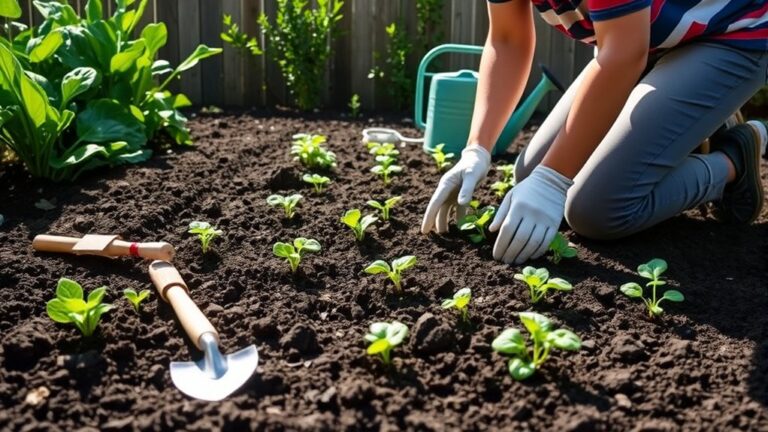
To grow a garden, choose a spot that gets at least six hours of sun and is easy to reach. Pick beginner-friendly flowers, herbs, or vegetables suited to your space, then gather a trowel, gloves, watering can, and suitable seeds or seedlings.
Mix compost into the soil, clear debris, and plant warm-season crops after the last frost. Water evenly, weed, and check for pests. Harvest regularly, and these simple steps can help your garden thrive as you uncover more helpful tips.
Key Takeaways
- Choose an accessible location receiving at least six hours of direct sunlight daily, and observe how sunlight and shade change throughout the day.
- Select beginner-friendly plants suited to your climate and space, such as marigolds, lettuce, radishes, or herbs; contain spreading mint.
- Gather basic tools and supplies, including a trowel, gloves, watering can, suitable seeds, and containers with drainage holes.
- Prepare the soil with compost, clear weeds and rocks, and plant warm-season seeds or transplants outdoors after the last frost.
- Keep soil evenly moist, check plants regularly for pests, and harvest crops at the right time using clean scissors or a sharp knife.
Choose a Sunny Spot for Your Garden
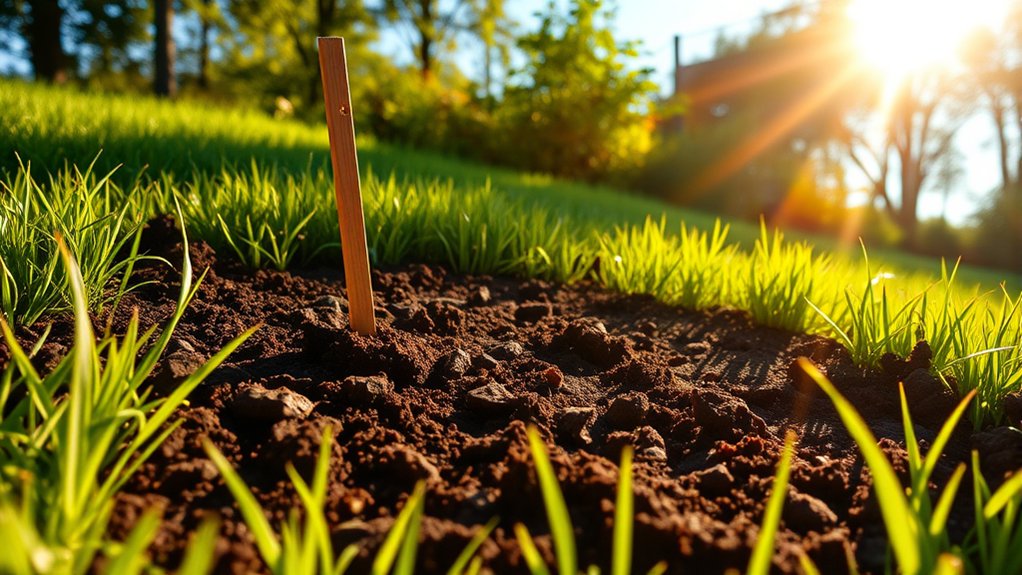
Start by choosing a spot that gets at least six hours of direct sunlight each day. A sunny spot helps your garden receive the light many plants need to grow well. Watch your yard throughout the day, since buildings, fences, and trees can cast changing shadows. Check the area in the morning, at midday, and in the afternoon before you decide.
If you’re working with a balcony or patio, note which direction it faces and how nearby walls affect sunlight. You can use a simple log to record when the sun reaches each possible location and when shade arrives.
Aim for full sun exposure, but remember that reflected heat from pavement or walls can make a spot unusually hot. Choose a location that’s easy for you to reach, too. You’ll be more likely to check on your garden if it’s convenient to visit. Once you’ve identified a bright, accessible area, observe it for a few days to confirm its light pattern before moving on.
Choose Beginner-Friendly Flowers, Herbs, or Vegetables
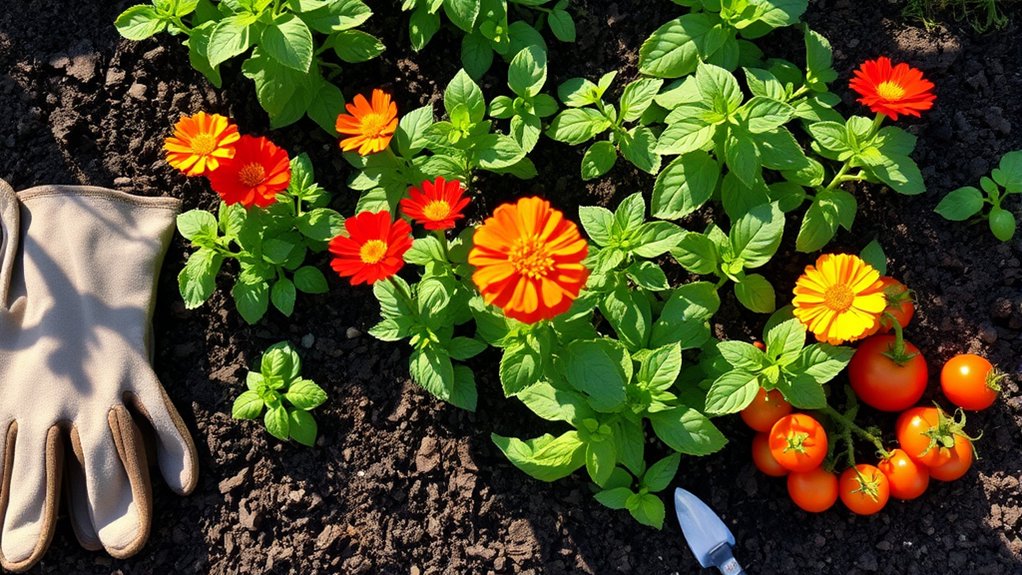
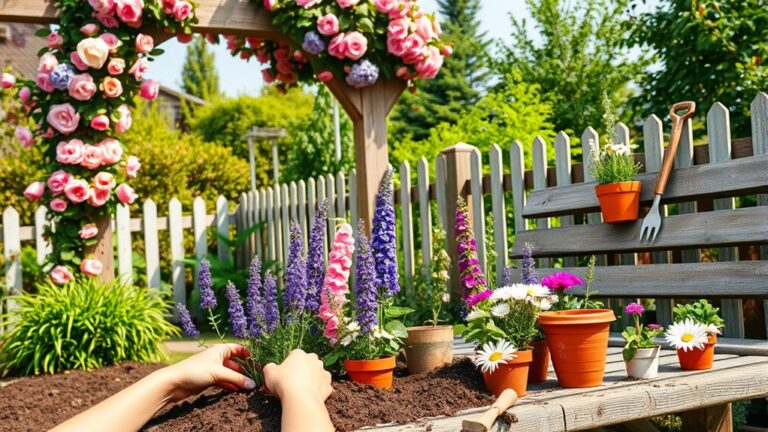
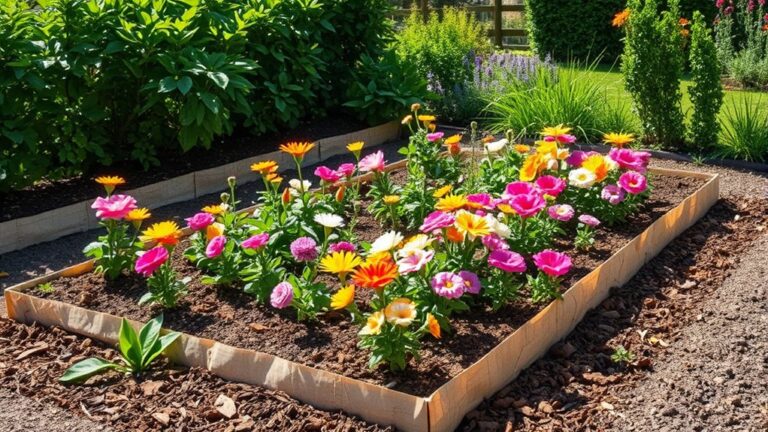
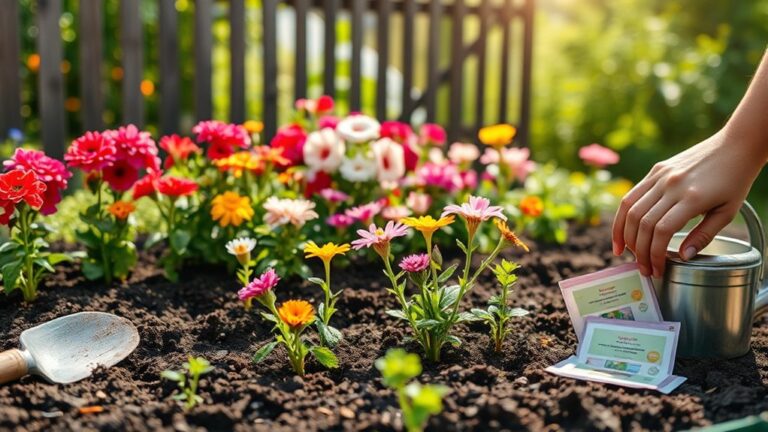
What should you plant first? Choose plants that match your climate, available space, and appetite for care. If you’re drawn to color, try beginner friendly flower ideas such as marigolds, zinnias, or sunflowers. These cheerful blooms grow readily from seed, brighten a garden, and often attract helpful pollinators. Check each plant’s expected size so it won’t crowd nearby flowers.
For a practical harvest, consider low maintenance herb selections like mint, chives, or parsley. You can snip fresh leaves for meals, and many herbs grow well in containers or garden beds. Keep mint contained because it spreads quickly.
If you’d rather grow vegetables, start with reliable choices such as radishes, lettuce, or bush beans. They’re generally quick to mature and let you enjoy a harvest without a long wait.
Pick just a few varieties at first. You’ll learn how each plant grows and can adjust your choices next season. Read seed packets or plant labels to confirm sunlight and timing suit your garden.
Gather the Basic Supplies You’ll Need
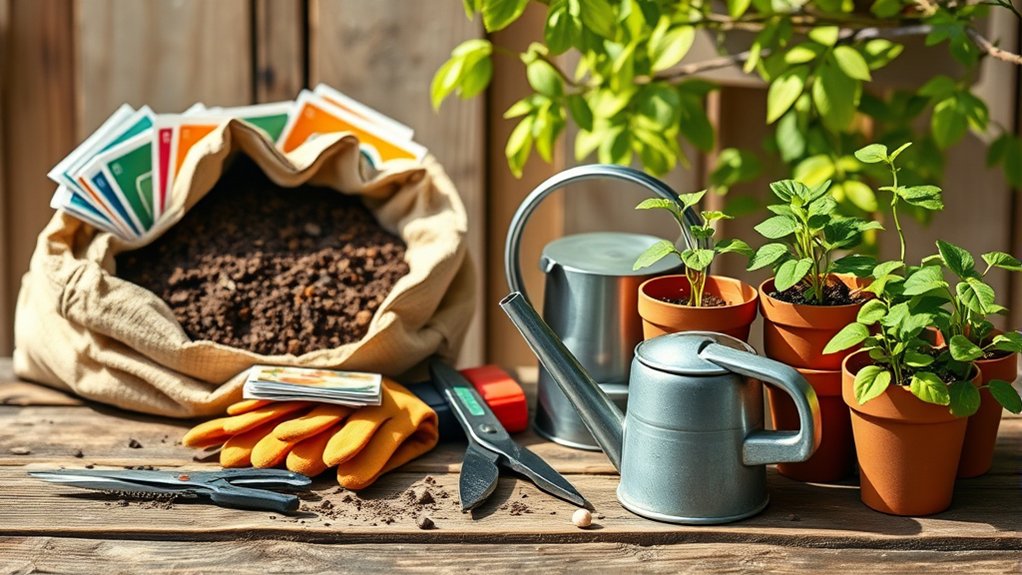
Gather a few essential tools, like a trowel, gloves, and a watering can. Then choose seeds that suit your space and growing conditions. Finally, pick quality soil and containers with drainage holes to give your plants a healthy start.
Choose Essential Gardening Tools
With the right tools, gardening is easier and more enjoyable. Choosing essential tools doesn’t mean filling your shed with expensive equipment. Start with a few reliable basics that feel comfortable in your hands and suit the size of your garden. Budget friendly gear can work well, so compare durability and usefulness before you buy.
- Hand trowel: Use it to dig small planting holes, loosen soil, and move young plants.
- Pruning shears: Trim damaged stems and shape small plants with clean, controlled cuts.
- Watering can or hose: Choose a can for pots and compact beds, or a hose for larger areas. A gentle spray helps you water without disturbing plants.
Store tools somewhere dry, clean them after use, and sharpen cutting blades when needed. These simple habits help your tools last and keep routine garden tasks manageable.
Gather Seeds, Soil, and Containers
Once you’ve chosen your tools, gather the seeds, soil, and containers that suit your space and the plants you want to grow. For easy seed selection, choose beginner-friendly varieties that match your climate, sunlight, and growing season.
Check each packet for planting depth, spacing, and days to maturity. If you’re new to gardening, start with a few plants rather than buying more seeds than you can use.
Pick potting mix labeled for containers; ordinary garden soil can become too dense in pots. For in-ground beds, improve your soil with compost if needed.
Consider container sizing before you buy: choose pots large enough for mature roots, with drainage holes to prevent waterlogging. Small herbs may thrive in compact pots, while tomatoes need deeper, roomier containers.
Gather supplies before planting so you can get started without delays.
Improve Your Soil Before Planting
What makes a garden thrive? Healthy soil gives roots the air, water, and nutrients they need. Before you plant, take a little time to improve soil in your garden bed or containers. You don’t need special equipment; a few simple checks can guide your next steps.
- Check the texture. Pick up a handful of damp soil. If it forms a hard lump, mix in compost to loosen it. If it feels gritty and drains quickly, compost can help it hold moisture.
- Add organic matter. Work finished compost into the top few inches. These soil amendments improve structure and support helpful soil organisms. Use a modest amount, following the compost label or local gardening advice.
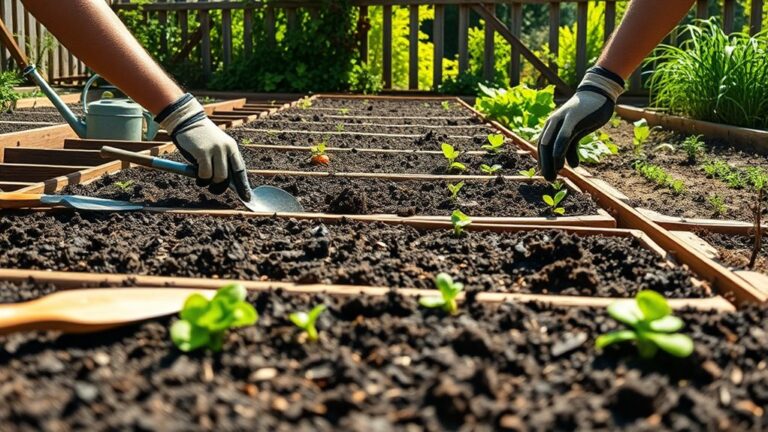
- Clear and level. Remove rocks, weeds, and old roots, then gently rake the surface. Don’t compact the bed by walking on it; loose soil lets roots spread more easily.
Keep the soil evenly moist, not soggy. A simple soil test can reveal whether you need additional nutrients or a pH adjustment.
Plant Seeds or Seedlings After the Last Frost
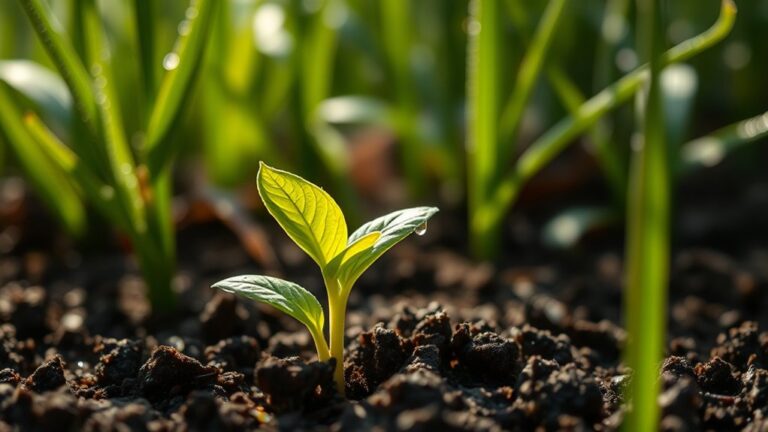
After preparing your soil, wait until your area’s last expected frost has passed before planting warm-season seeds or seedlings outdoors. Check a local frost calendar, but also watch the forecast; an unexpected cold night can damage tender plants. If you’re unsure, wait a few extra days.
Wait until your area’s last expected frost has passed, and check the forecast before planting tender seedlings outdoors.
Read each seed packet for planting depth, spacing, and ideal soil temperature. These details support Seed germination and help you avoid crowding. Make shallow holes or furrows, place seeds at the recommended depth, then cover them lightly with soil. Label each row so you’ll remember what you planted.
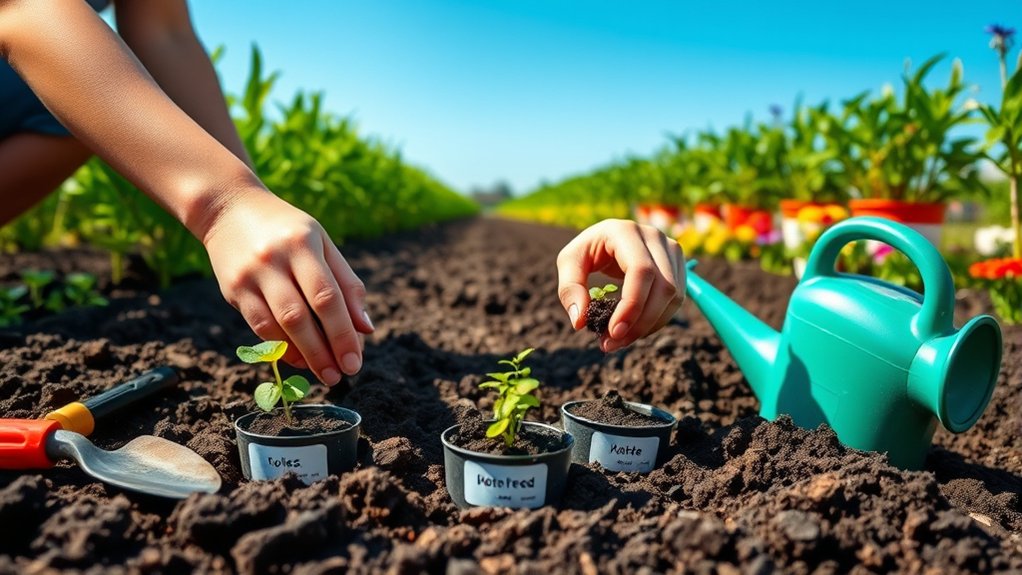
For transplants, choose healthy seedlings with sturdy stems and several true leaves. Harden them off by setting them outside for a few hours each day over about a week, gradually increasing their exposure. This Seedling care helps them adjust to outdoor conditions.
Plant each one at the same depth it grew in its container, following the spacing on its tag. Handle roots gently, and choose a calm, mild day for transplanting.
Water, Weed, and Protect Your Garden
Water your garden regularly, but adjust how much you give it based on the weather and your plants’ needs. Also, pull weeds before they compete with your crops for water and nutrients. And protect your plants from pests and harsh conditions so they can thrive.
Water Consistently
Once your garden is planted, consistent care helps it thrive. Watering regularly supports strong roots, but your plants need more than a rigid schedule. Check the soil before you reach for the hose: if the top inch feels dry, it’s usually time to water.
Your water consistency matters more than frequent, shallow sprinkling.
- Water deeply. Aim at the soil near each plant’s base so moisture reaches the roots. A slow soak encourages deeper growth.
- Choose the right time. Water in the morning, when less moisture evaporates. Good irrigation timing also lets leaves dry before evening.
- Adjust as needed. Hot, windy weather may dry soil faster, while rain can reduce your watering needs. Check your garden often and respond to its conditions rather than following the calendar alone. A gentle stream helps prevent runoff and keeps water where plants can use it.
Weed and Protect Plants
Consistent watering gives your plants a strong start, and regular checks help keep them healthy. Pull weeds as soon as you spot them, before they compete with your crops for water, sunlight, and nutrients.
For effective weed control, remove roots carefully and add a layer of mulch around plants to block new growth. Keep mulch a few inches from stems to prevent rot.
Inspect leaves, stems, and the undersides of foliage for pests or signs of damage. Early pest prevention makes problems easier to manage.
Handpick larger insects, rinse small infestations away with water, and remove badly affected leaves. Encourage helpful insects by planting flowers nearby, and avoid spraying chemicals unless you truly need them.
Use garden netting to shield young plants from hungry animals, and check it often so it doesn’t trap wildlife or restrict growth.
Harvest Your Crops and Keep Them Growing
When should you harvest? Check each plant’s label and watch for signs of ripeness, such as rich color, firm texture, or full size. Good harvest timing protects flavor and encourages many plants to produce more. Pick crops regularly, and use clean scissors or a sharp knife to avoid damaging stems.
- Gather leafy greens while leaves are young and tender. Take only a few from each plant, so it can keep growing.
- Harvest tomatoes when they’re evenly colored and slightly soft. Pick beans and zucchini often, before they become tough or oversized.
- Collect root vegetables by loosening the soil gently. If you’re unsure they’re ready, uncover one and check its size.
After picking, keep watering and feeding plants as needed. Remove damaged leaves and spent crops to reduce disease.
When a plant finishes producing, clear it out and plan crop rotation: grow a different plant family in that spot next season. This helps protect soil health and limits pests.
Store each harvest properly so your food stays fresh longer.
Frequently Asked Questions
How Much Should I Budget for My First Garden?
You should budget about $50–$150 for your first garden, depending on its size and what supplies you already own. For budget planning, set aside money for seeds or starter plants, soil, containers or bed materials, and basic tools.
Beginner budgeting works best when you start small and reuse what you have. A few pots or one compact bed can keep costs low while you learn, then you can expand next season.
Can I Grow a Garden in Containers on a Balcony?
Yes, you can grow a garden in containers on a balcony, even if you have limited space. Choose pots with drainage holes, then fill them with quality potting mix. Grow compact vegetables, flowers, or herbs sunlight can reach for at least six hours daily.
Check your balcony’s weight limits before adding large containers, and protect plants from strong winds. Water regularly, since pots dry out faster than garden beds, especially during hot weather.
How Do I Keep Pets From Damaging My Garden?
To keep pets from damaging your garden, build a clear boundary—think of Odysseus tying himself safely to the mast. Choose the best garden fencing for your animals: sturdy wire or a low picket fence can block curious paws without harming them. Add raised beds, secure loose soil with mulch, and redirect pets with a designated play area.
For visiting wildlife, learn how to deter wildlife using humane motion sprinklers or scent barriers, and check your garden regularly.
What Gardening Tasks Should I Do During Winter?
In winter, protect your garden, maintain tools, and plan for spring. Water evergreens during dry spells, remove diseased debris, and check plants for pests or storm damage.
Use winter pruning on suitable dormant trees and shrubs, but avoid spring bloomers that set buds early. Add mulch for soil insulation, keeping it clear of trunks and stems.
Drain hoses, clean tools, order seeds, and review what grew well so you can improve next season.
How Can I Preserve Extra Vegetables After Harvest?
If you’ve picked more tomatoes than you can eat, freeze some and turn the rest into sauce. Choose preservation methods based on each vegetable: blanch and freeze beans, pickle cucumbers, or can tomatoes using a tested recipe. Dry herbs and store them in airtight jars.
For extended storage, keep potatoes and winter squash in a cool, dark, well-ventilated place. Sort produce regularly, removing spoiled pieces before they affect the rest.
Conclusion
A beginner garden won’t become a lush paradise overnight, despite what glossy seed packets suggest. Choose a sunny spot, plant easy flowers, herbs, or vegetables, and give them decent soil, water, and regular attention.
After the last frost, get growing—and keep weeds and pests from claiming your hard work. Harvest what you can, learn from what you can’t, and try again. Your garden doesn’t need perfection; it just needs you to show up. With these 7 easy steps to grow a garden for beginners, you’ll be ready to keep learning and growing.