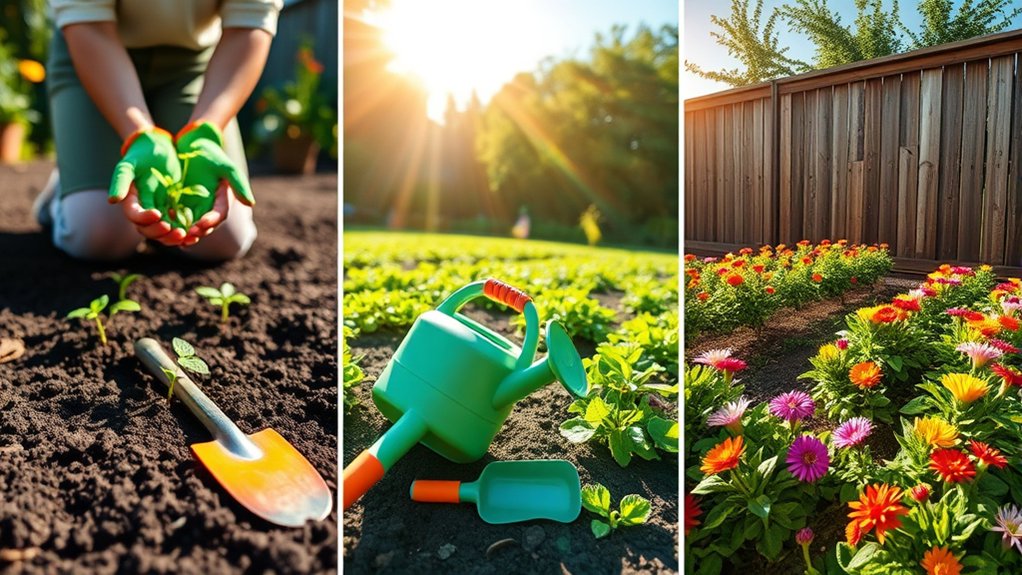
How to Make a Backyard Garden in 3 Simple Steps
Starting a backyard garden can feel overwhelming when you’re unsure where to begin or how to keep plants thriving. You’re not alone—many people struggle to turn an empty yard into a healthy, productive space. These simple steps can help you get started with confidence.
Make a backyard garden in three steps. First, choose a level spot near water that gets enough sunlight for your plants, then sketch a layout and measure the space. Next, clear weeds and rocks, loosen the soil, add finished compost, and plant seeds or seedlings at the recommended depth and spacing. Finally, water slowly at the roots when the soil feels dry, add mulch, pull small weeds, and check for pests. A few practical tips can help your garden thrive.
Key Takeaways
- Choose a sunny, level spot near water, and measure the space for your garden.
- Plan your layout around available space, sunlight, and the plants you want to grow.
- Clear weeds and debris, loosen the soil, and mix in finished compost.
- Plant seeds or seedlings at the recommended depth and spacing, then label them.
- Water at the roots, mulch to retain moisture, and regularly weed and check plants.
Choose a Sunny Spot and Plan Your Backyard Garden
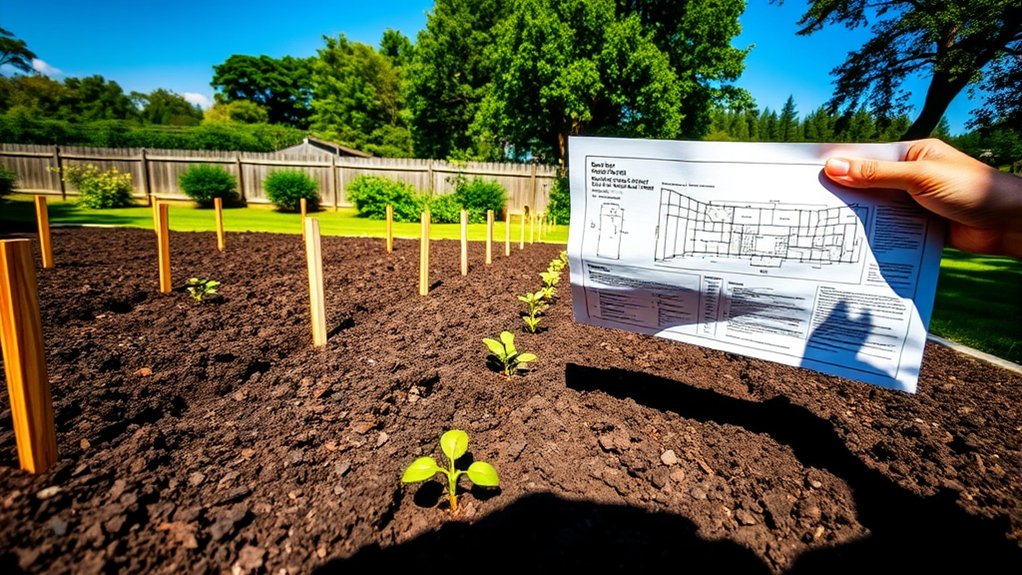
Start by watching how sunlight moves across your yard. Check the area in the morning, at midday, and late afternoon to see where light lingers and where shadows fall. Most vegetables and many flowers need several hours of direct sun, while leafy plants may tolerate partial shade. Choose a spot that matches the kinds of plants you hope to grow.
Next, consider convenience. A garden near your door or a water source is easier to monitor and maintain. Look for level ground with enough room to move around, and note nearby trees, fences, or buildings that could block light or compete for space. Think about how much time you can give your garden, too.
As you plan, list your goals, preferred plants, and available space. Measure the area and sketch a simple layout before making decisions. Ask yourself burning questions, and question gardening myths; reliable local advice can help you choose a practical site and realistic plan.
Prepare the Soil and Plant Flowers, Herbs, or Vegetables
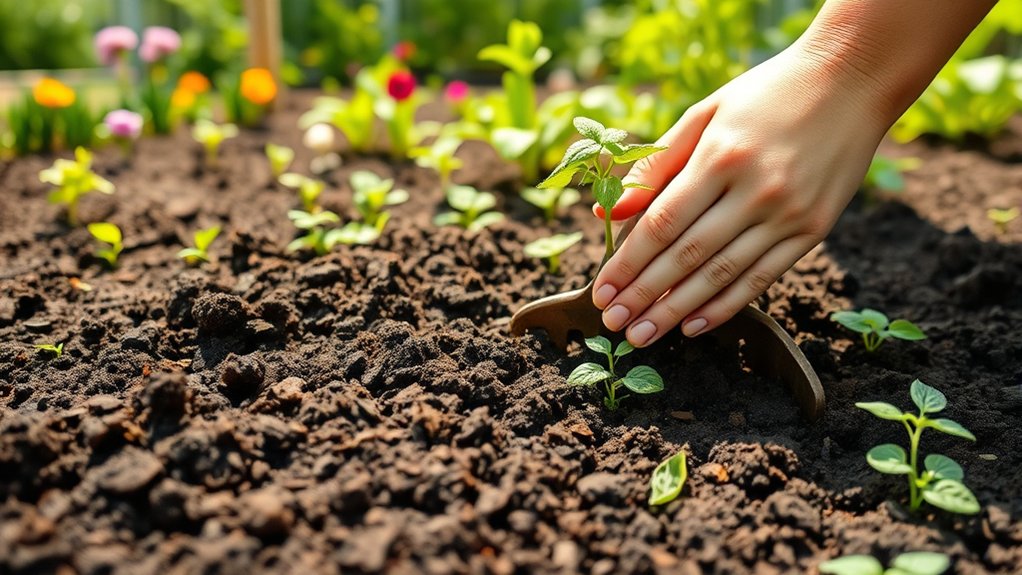
Before planting, loosen the soil and clear away weeds, rocks, and debris. Break up compacted clumps with a garden fork, then mix in finished compost to improve texture and add organic matter.
Follow basic composting steps by using mature, crumbly material without unpleasant odors. For clearer guidance, try soil testing through a home kit or local extension service. The results can show whether you need to adjust the soil’s pH or add specific nutrients.
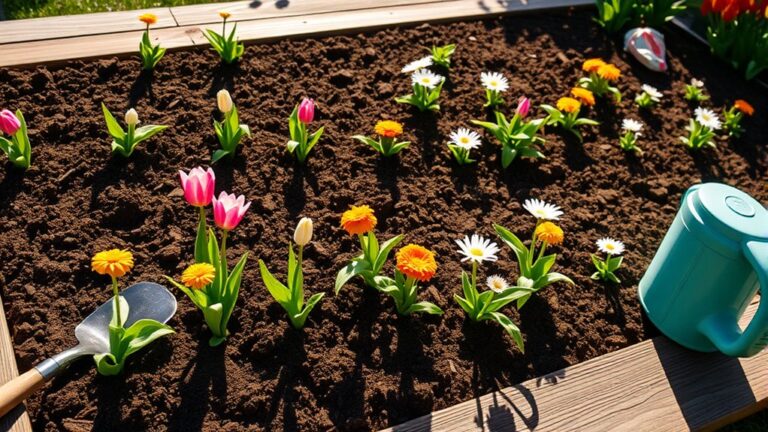
Choose flowers, herbs, or vegetables suited to your climate, available space, and garden plan. Read seed packets or plant labels for spacing and planting depth.
Make holes or shallow furrows according to those instructions, and place seeds or seedlings carefully. Set each plant at the recommended depth, keeping roots covered and leaves above the surface.
Firm the soil gently around each planting so it stays in place, but don’t press it hard. Label rows or containers so you can identify what you’ve planted.
Water, Weed, and Care for Your Garden
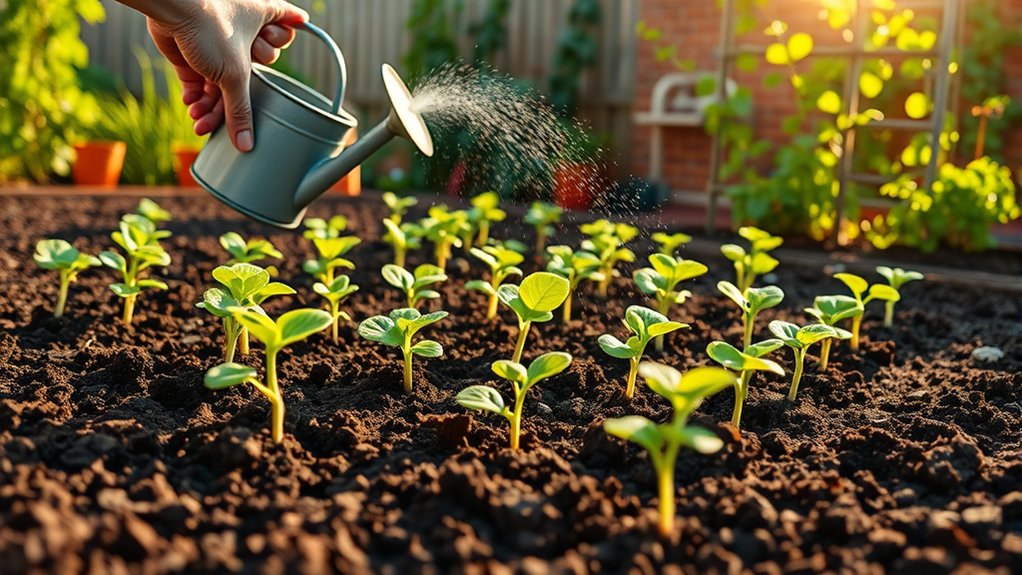
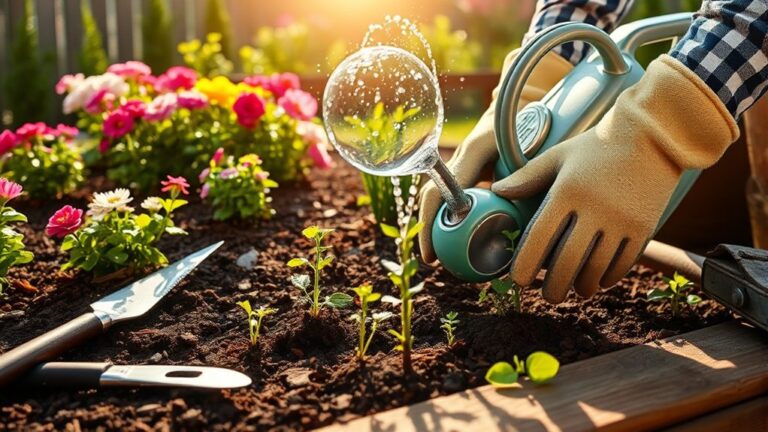
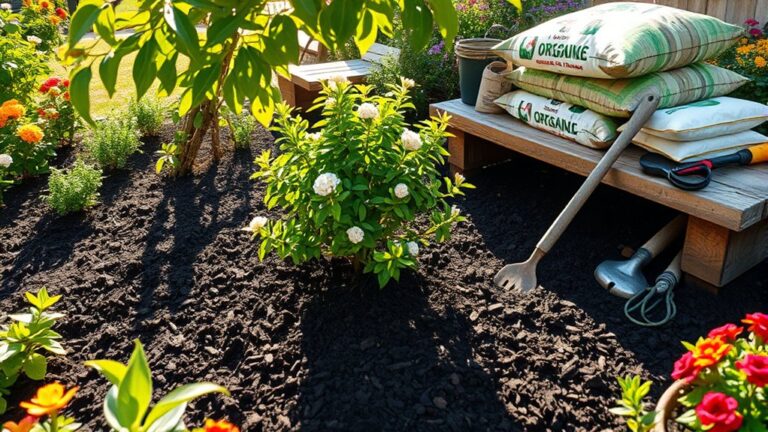
Water your garden when the soil feels dry a finger’s depth below the surface, aiming at the roots rather than the leaves. Water slowly so moisture reaches deeper soil, and adjust your schedule for rainfall, heat, and plant needs. Good water management helps roots grow strong while preventing waste and soggy beds. A layer of mulch can hold moisture and reduce weeds.
Use these three simple habits to keep your garden thriving:
- Check soil moisture before watering, and water early in the day to limit evaporation.
- Pull weeds while they’re small, loosening roots gently so you don’t disturb nearby plants. Regular weed control prevents competition for water, light, and nutrients.
- Inspect leaves and stems often. Remove damaged growth, harvest ripe produce, and look for pests or disease. Support tall plants with stakes, and tie them loosely as they grow.
Keep notes on what works in your garden. With steady attention, you’ll spot problems early and help flowers, herbs, and vegetables flourish throughout the season.
Frequently Asked Questions
What Tools Do I Need to Start a Backyard Garden?
To start a backyard garden, gather a sturdy spade, hand trowel, garden fork, pruning shears, watering can or hose, gloves, and a rake. Tools to start also include a wheelbarrow for moving compost and mulch.
Soil preparation tips: use the fork to loosen compacted ground, remove weeds with your trowel, and rake the surface smooth. Add compost, then keep a measuring tape and plant labels handy for spacing and organization.
How Can I Garden in a Small Backyard?
You can garden in a small backyard by growing upward, choosing compact plants, and making every corner count. Use trellises for climbing vegetables, hanging baskets for herbs, and container gardening for flexible placement.
Observe small space microclimates: sunny walls, shady spots, and sheltered corners suit different plants. Group pots by watering needs, select dwarf varieties, and leave narrow paths for access.
Start with a few favorites, then expand as you learn what thrives.
Are Raised Beds Worth the Investment?
Yes, raised beds are worth the investment if you want easier access, better soil control, and fewer weeds. Your cost benefit analysis should compare upfront materials and soil with years of use, improved drainage, and potentially higher yields.
Consider raised bed durability: cedar or metal may cost more initially but can last longer than untreated wood. If your budget’s tight, start with one modest bed and expand when you see how well it works for your space.
How Do I Keep Pests Away Without Chemicals?
You can keep pests at bay by making your garden a fortress of healthy habits. Use natural pest deterrents, such as hand-picking insects, floating row covers, and neem-free soap sprays, to protect vulnerable plants.
Try companion planting: pair crops with herbs or flowers that confuse pests or attract beneficial insects. Keep beds tidy, rotate crops, and water at the soil level. Check leaves often, so you can catch trouble before it spreads.
When Is the Best Time to Start a Backyard Garden?
Start your backyard garden in spring, after your area’s last frost, for most warm-season vegetables. The best planting season depends on what you’ll grow: plant cool-season crops in early spring or fall, and heat-loving crops once nights stay mild. Check your local frost dates to choose the right timing.
Begin soil preparation a few weeks beforehand by clearing weeds, loosening the ground, and adding compost. You can also start seeds indoors earlier.
Conclusion
You’ve chosen a sunny spot, prepared the soil, and planted your backyard garden—congratulations, you’ve outsmarted a patch of dirt. Now water your plants, pull weeds, and check in regularly; they won’t send calendar invites when they’re thirsty.
Give your flowers, herbs, or vegetables a little care, and they’ll reward you with color, flavor, and the occasional leaf that looks suspiciously dramatic. Keep at it, and your backyard garden might become the most productive member of your household.