How to Start a Food Garden in 5 Easy Steps
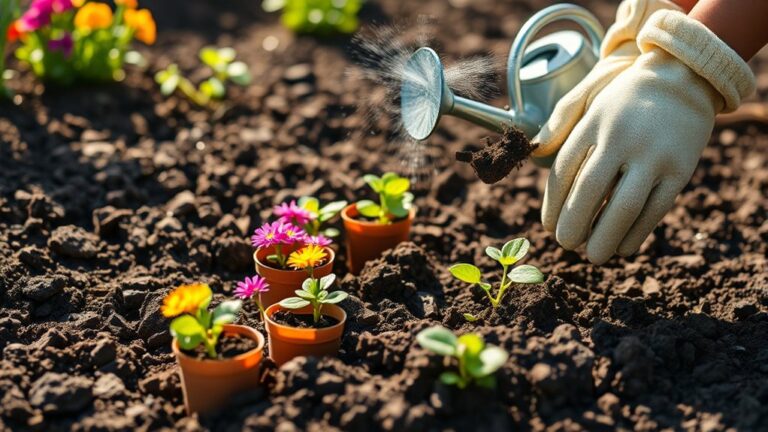
Starting a food garden can feel overwhelming when you’re unsure what to plant or how to keep it thriving. You’re not alone—many beginners struggle to know where to start. These simple steps can help you grow fresh food with confidence.
Start a food garden in five easy steps. First, choose a spot with at least six hours of direct sun and easy water access. Next, pick beginner-friendly crops, such as lettuce, radishes, bush beans, or cherry tomatoes, that fit your space.
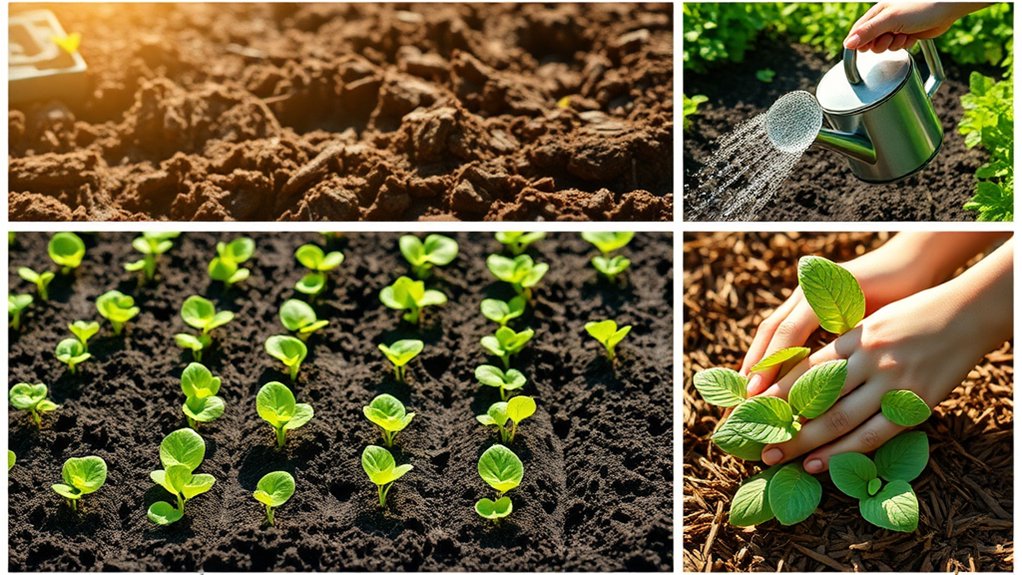
Prepare the soil by clearing debris, loosening it, and adding finished compost. Plant seeds or starter plants at the recommended depth and time. Then water as soil dries, feed as needed, and harvest regularly. A few simple details can help your garden thrive.
Key Takeaways
- Choose a spot that receives at least six hours of direct sunlight daily, and check for shadows throughout the day.
- Select beginner-friendly crops that fit your space, such as lettuce, radishes, bush beans, or cherry tomatoes.
- Clear weeds and debris, loosen the soil, and mix in finished compost; use containers with drainage holes.
- Plant seeds or starter plants at the recommended depth and spacing, timing them around your local frost dates.
- Water when soil begins to dry, feed according to crop needs, and harvest regularly with clean tools.
Choose a Sunny Spot for Your Food Garden
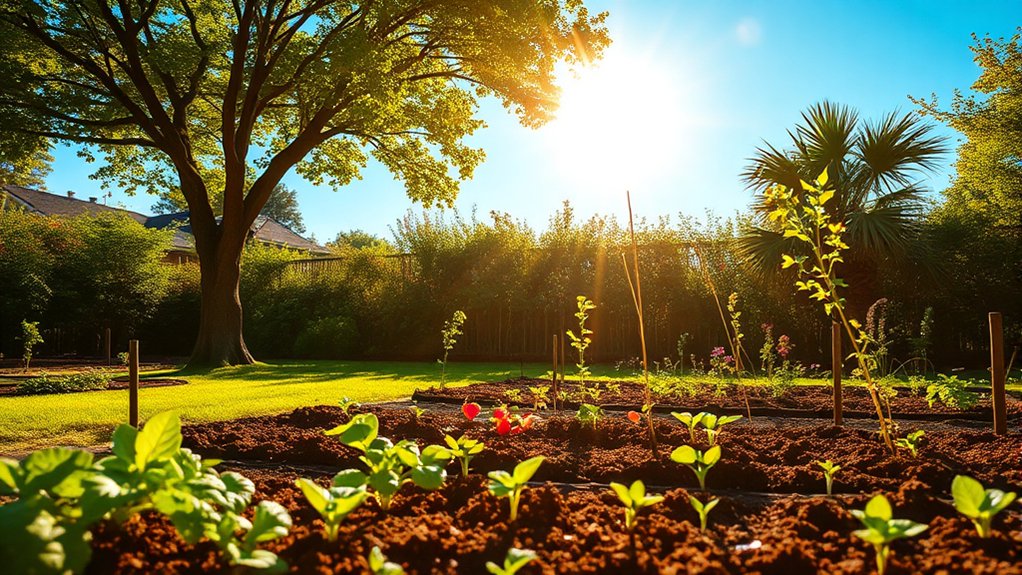
Start by finding a spot that gets at least six hours of direct sunlight each day. Watch your yard throughout the day to see how light moves across it. Morning and midday sun usually provide dependable exposure, while tall trees, fences, and buildings can cast long shadows.
> Choose a spot with at least six hours of direct sun, and watch for shadows from trees, fences, and buildings.
To measure sun exposure, note when direct light reaches each possible location and when shade covers it. Repeat your observations on a clear day for a reliable picture.
If your yard has limited sunshine, assess shade tolerance before choosing a location. Some plants can handle partial shade, but most fruiting vegetables need several hours of direct light to grow well.
Don’t assume a bright-looking area receives enough sun; reflected light isn’t the same as direct sunlight. Check for seasonal changes, too: deciduous trees may leave a spot sunny in spring but shade it once their leaves fill in.
Choose a location with steady light, and consider whether nearby structures will block the sun as the season progresses.
Pick Easy Crops That Fit Your Space
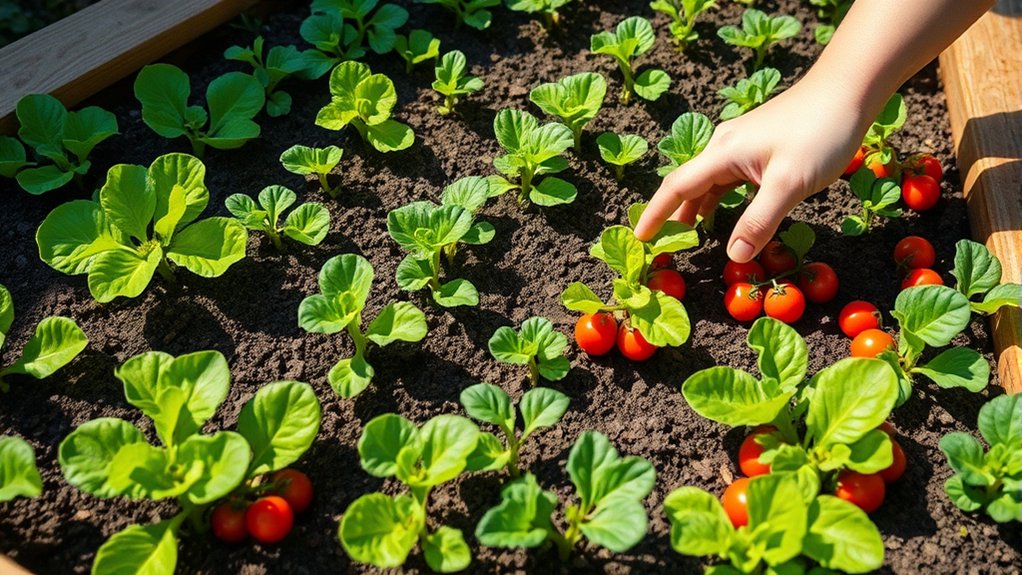
Choose crops that match both your growing space and experience level. If you’re new to gardening, start with dependable choices such as lettuce, radishes, bush beans, or cherry tomatoes. These crops offer a rewarding harvest without demanding expert care.
Check each plant’s mature size before you buy seeds or seedlings, then fit your choices to available beds, containers, or vertical supports. Compact herbs and leafy greens suit small spaces, while sprawling squash needs room to spread.
Think about what you enjoy eating, too. Growing familiar favorites makes it easier to use your harvest and stay motivated. Check your region’s frost dates and growing season when matching climate zones to crop needs; choose varieties suited to local conditions.
For a steady supply, sow quick-growing crops in small batches rather than planting everything at once. As you plan future seasons, consider designing crop rotation so related plants don’t occupy the same spot year after year. Start with a manageable mix, observe what thrives, and adjust your crop list next season.
Prepare Soil and Gather Garden Supplies
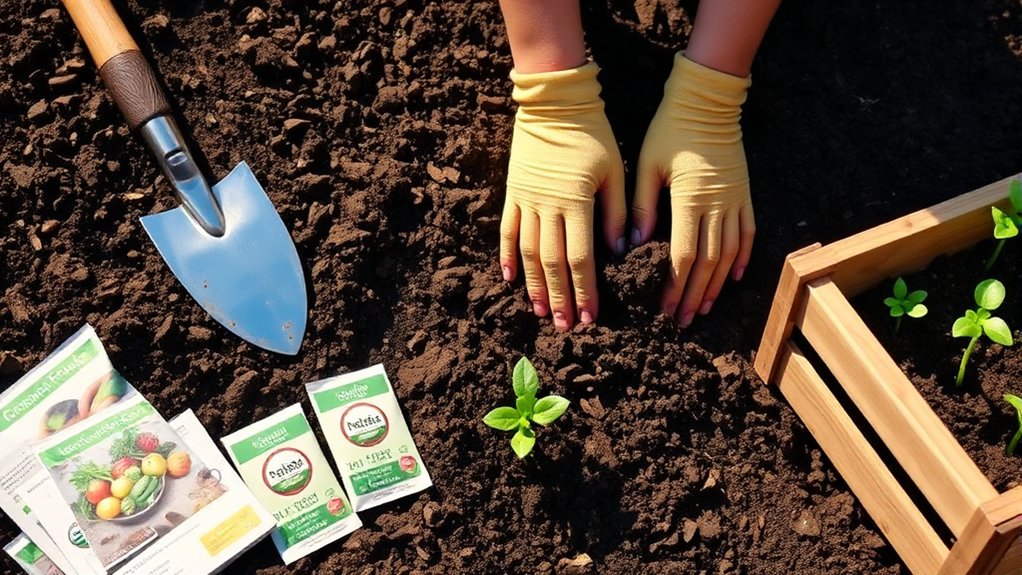
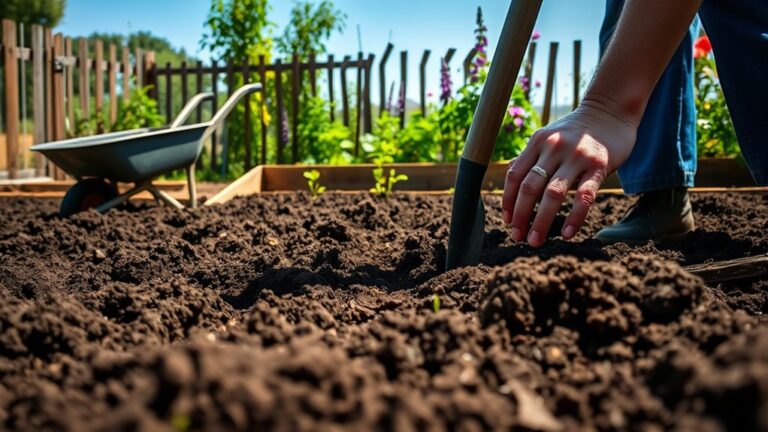
Once you’ve picked crops that suit your space, prepare their growing area and gather a few basic supplies. Choose a sunny spot with convenient access to water, then clear away weeds, rocks, and debris. If you’re using containers, check that they have drainage holes and enough room for roots.
Loosen garden soil with a fork, taking care not to compact it by walking on beds. Add finished compost to improve texture and feed plants; understanding compost basics helps you choose a mature, earthy-smelling material rather than fresh scraps.
A soil test can reveal pH and nutrient levels, so you can make targeted adjustments instead of guessing. Protect soil biology by avoiding unnecessary digging and harsh chemical treatments.
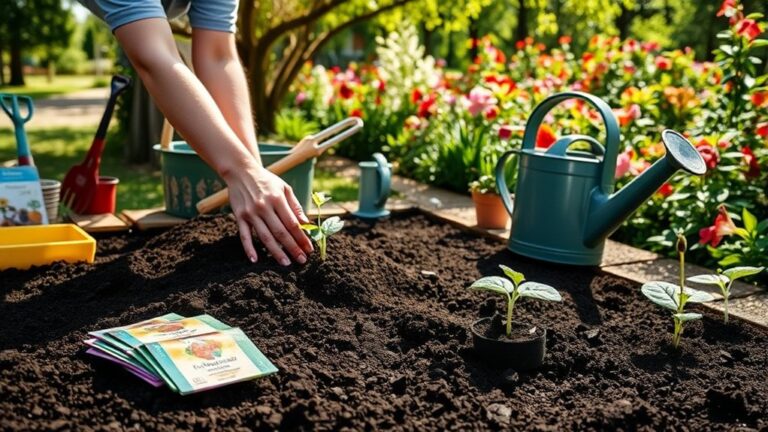
Gather a trowel, gloves, watering can or hose, and a sturdy bucket. Keep labels and a notebook handy for tracking varieties and care.
A simple setup is enough: buy only what you’ll use, and store tools where you can reach them easily. You’re ready to move on when the growing area is clean, amended, and equipped.
Plant Seeds or Starter Plants in Your Food Garden
With your growing area ready, plant seeds or starter plants at the depth and spacing listed on their labels. Check your local frost dates and each crop’s needs to choose the right transplant timing. Sow seeds directly when a plant prefers not to have its roots disturbed; set other crops out as sturdy transplants.
Before planting, review your soil testing results so you can match crops to suitable conditions. Inspect starter plants for firm stems, healthy leaves, and roots without signs of disease. Strong seedling quality gives your garden a better start.
- Label each row or planting spot with the crop name and planting date.
- Handle seedlings by their leaves or root ball, not by the stem.
- Leave enough room for mature plants and access between rows.
Set each transplant at the same depth it grew in its container, unless its label advises otherwise. Gently firm soil around roots, and cover seeds evenly. Remove weeds and check young plants regularly for early signs of pests, supporting practical pest management. Keep plant labels handy so you can identify varieties as they grow.
Water, Feed, and Harvest Your Crops
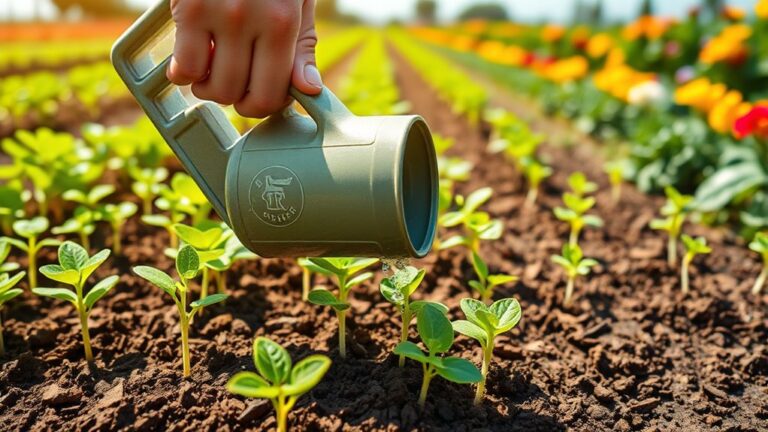
Water your garden deeply when the soil begins to dry, adjusting for rainfall and each crop’s needs. Check moisture near the roots, not just the surface, and water in the morning to limit evaporation. Good water management helps you prevent both drought stress and soggy soil.
| Crop | Water cue | Harvest cue |
|---|---|---|
| Lettuce | Dry topsoil | Full, tender leaves |
| Tomatoes | Dry soil below surface | Evenly colored fruit |
| Beans | Dry root zone | Firm, filled pods |
| Carrots | Dry soil | Broad shoulders |
Feed crops according to their labels; too much fertilizer can weaken growth or flavor. Follow fertilizer timing on the package, and avoid feeding plants that don’t need it. Add compost to support steady growth.
Harvest often once produce reaches usable size. Use clean scissors or a gentle twist so you don’t damage stems. Pick leafy greens from the outside, and gather ripe vegetables promptly. Regular harvesting encourages many crops to keep producing. Keep notes on watering, feeding, and yields to improve next season.
Frequently Asked Questions
When Is the Best Time of Year to Start a Food Garden?
The best time to start a food garden is usually spring, after your area’s last frost, when the soil has warmed. You can also plant cool-season crops in early fall, especially where winters are mild.
For best planting seasons, check your local frost dates and climate. Seasonal crop timing matters: choose crops suited to each season, and start seeds indoors earlier when needed. You’ll get the strongest results by matching planting dates to your region.
Can I Grow Food Indoors During Winter?
Yes, you can grow food indoors during winter—your windowsill can become a small green engine. Choose compact crops like lettuce, spinach, herbs, or microgreens, and use container growing with pots that drain well.
Give plants bright light; indoor lighting from a full-spectrum grow lamp can help when daylight is weak. Try seed starting for fresh greens, and keep soil lightly moist. With steady care, you can enjoy a winter harvest even when it’s cold outside.
How Can I Keep Pests Away Without Using Chemical Pesticides?
You can keep pests away by making your garden less inviting and encouraging natural predators. Inspect plants often, remove pests by hand, and trim damaged leaves.
Use row covers to protect young crops, and keep the area free of weeds and fallen debris. Try companion planting with herbs or flowers that deter common pests.
You can also apply natural repellents, such as diluted neem oil or soapy water, after testing them on a few leaves.
Is Gardening Safe for Children and Pets?
Yes, gardening’s generally safe for children and pets—unless you let a tiny trowel become a dragon’s sword and every seedling a snack. Keep tools, fertilizers, and toxic plants out of reach, and supervise curious helpers.
Choose pet-safe plants, wash produce, and avoid standing water. For indoor gardening, secure pots and skip harmful products.
You’ll find winter opportunities, too, with safe herbs on a sunny sill. A few precautions make gardening enjoyable for everyone.
How Much Does It Cost to Start a Food Garden?
You can start a food garden for about $25–$100 if you use containers, seeds, and basic tools you already own. A small raised-bed garden may cost $100–$300, while larger setups can exceed $500.
Your cost breakdown depends on soil, containers or lumber, seeds, tools, and watering supplies. For budget planning, reuse pots, start with inexpensive crops, and buy only what you need. You’ll likely spend less when you grow from seed.
Conclusion
You’ve chosen a sunny spot, picked crops that fit, prepared the soil, and planted your garden. Now keep it thriving with regular watering, occasional feeding, and timely harvests.
Check your plants often, and adjust care as the weather changes. Don’t worry if every crop doesn’t flourish; each season teaches you something useful.
Before long, you’ll be gathering fresh food from your own backyard. Starting a food garden takes a little patience, but your first ripe tomato may feel like a trip to the future.