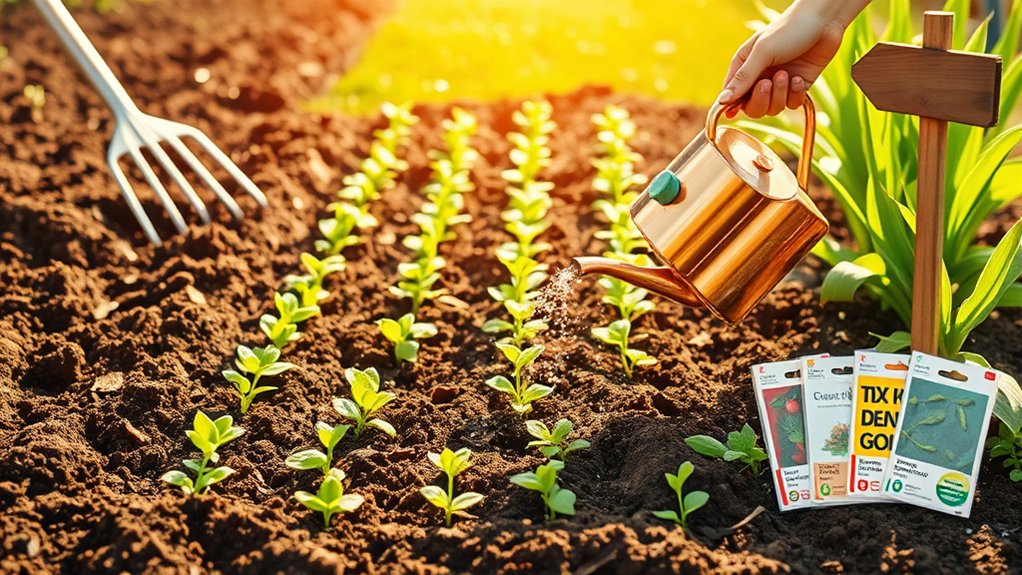
How to Start a Garden in 5 Simple Steps
Starting a garden can feel overwhelming when you’re unsure what to plant, where to begin, or how to keep things growing. You’re not alone—many new gardeners face the same challenges. The right gardening tools and supplies can make getting started easier, so here’s how to start a garden in five simple steps.
To start a garden, choose a spot with at least six hours of sun, easy water access, and good drainage. Pick vegetables, herbs, or flowers suited to your space and local growing season, checking labels for sunlight, size, and harvest time.
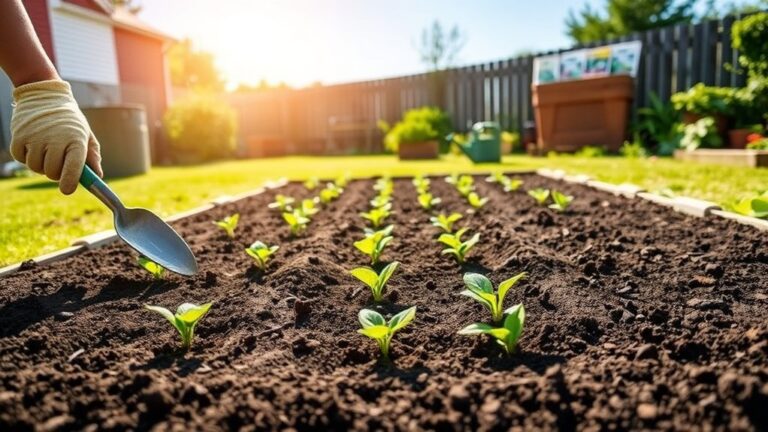
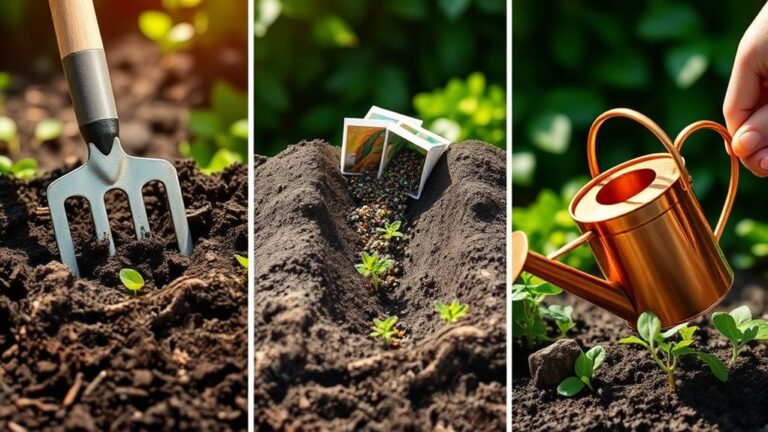
Clear weeds, loosen garden soil, and add compost, or use quality potting mix in containers with drainage holes. Plant seeds or seedlings at their recommended depth.
Water gently, weed regularly, and check plants for problems. These simple steps can help your garden thrive.
Key Takeaways
- Choose a sunny, well-drained spot with at least six hours of sunlight and convenient access to water.
- Select plants suited to your space, local growing season, and preferences.
- Prepare garden soil with compost, or choose quality potting mix for containers with drainage holes.
- Plant seeds or seedlings at the depth recommended on their labels or packets.
- Water gently, check soil moisture, remove weeds, and inspect plants regularly for problems.
Choose a Sunny Spot With Easy Water Access
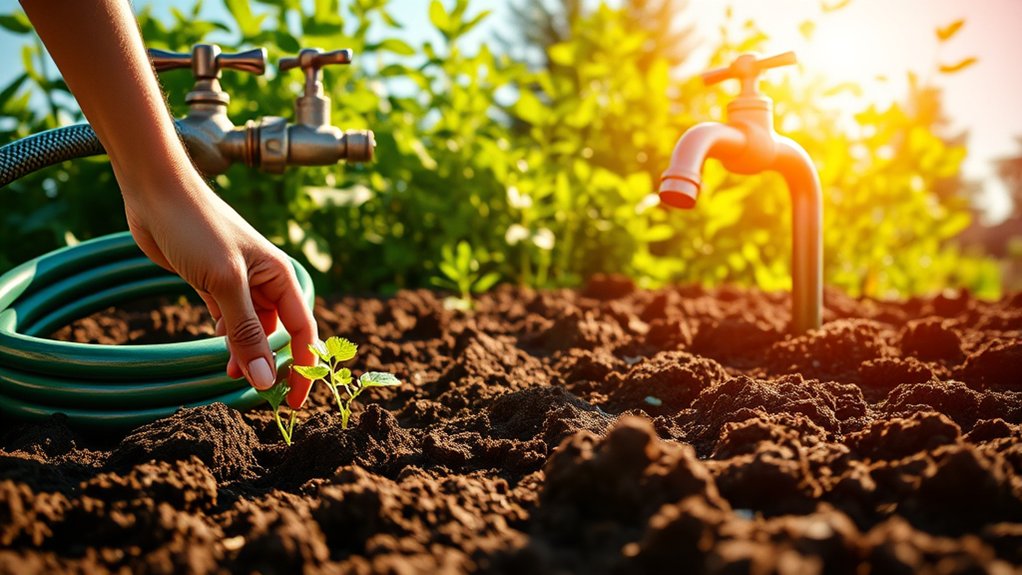
Choose a spot that gets at least six hours of direct sunlight each day, since most vegetables and flowering plants thrive in full sun. Observe your yard at different times to see where shadows fall. A sunny spot near a fence, wall, or tree may lose light as the day goes on, so check the area before you commit.
Next, consider water access. Place your garden close enough to an outdoor faucet that you can reach it with a hose, or make sure you can carry a watering can without strain. Convenient water access makes regular watering easier, especially during hot, dry weather.
Avoid low areas where rainwater collects, since soggy soil can harm plant roots. If your yard has limited options, use containers you can move into brighter locations and position them near a reliable water source. Choose a place you’ll visit often, too; easy access helps you notice dry soil, standing water, or other problems early. A practical location can make routine garden care simpler.
Choose Plants for Your Space and Growing Season
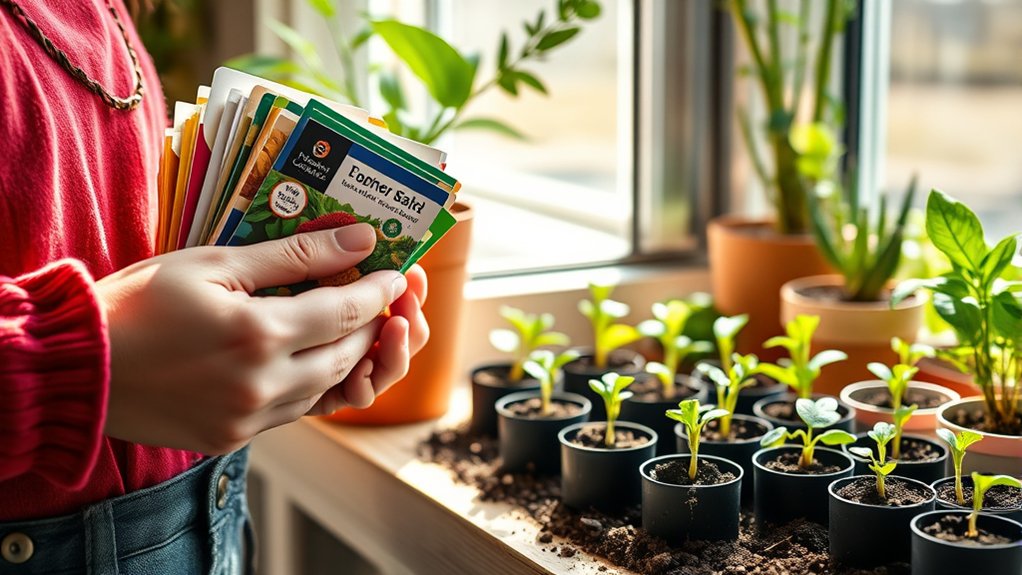
Once you’ve picked a sunny, accessible spot, match your plants to the space and your local growing season. Check how much room you have, then choose crops that fit your garden’s size and your experience.
Choose plants suited to your space, growing season, and experience for a garden that’s easier to manage.
A compact container can support herbs or leafy greens, while a larger plot gives sprawling plants more space.
- Check your season: Find your area’s last spring frost and first fall frost dates. Choose plants that can mature within that window.
- Read plant labels: Compare each crop’s sunlight needs, mature size, and days to harvest with your available space and schedule.
- Plan for your preferences: Grow vegetables, herbs, or flowers you’ll enjoy using or seeing. A short, manageable list helps you stay on track.
- Make thoughtful pairings: Try companion planting with compatible crops, and vary plant families when possible. For seed selection, choose varieties suited to your climate and available growing time.
If you’re new to gardening, start with a few reliable choices. You can expand your selection as you learn what thrives in your space.
Prepare Soil or Choose a Potting Mix
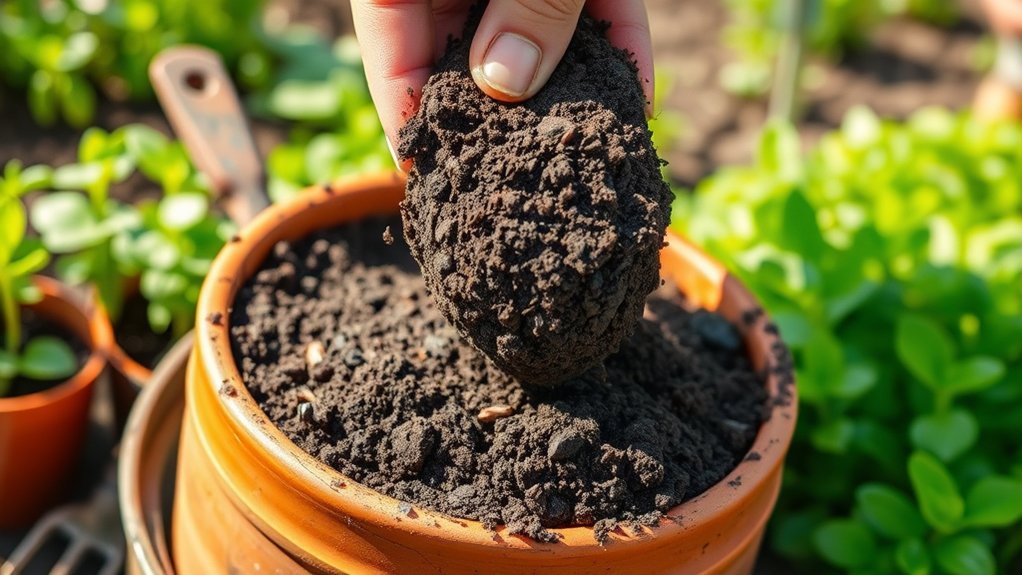
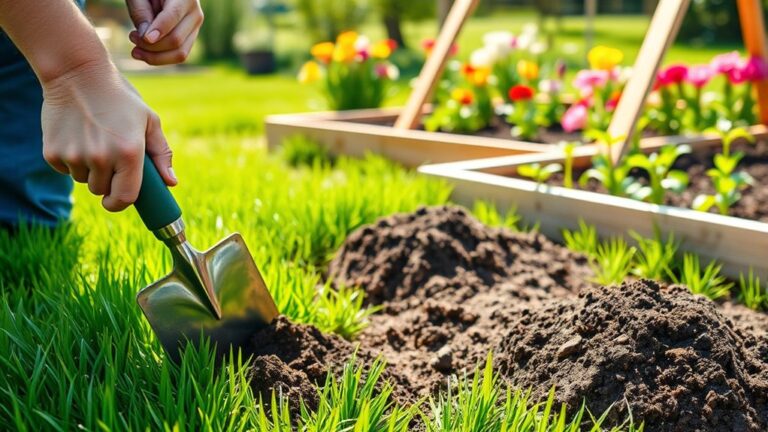
Healthy plants start with the right growing medium, whether you’re planting in a garden bed or a container. For a garden bed, clear away weeds and debris, then loosen the soil so roots can grow easily. Check its texture: sandy soil drains quickly, while clay holds water and can compact.
Add finished compost to improve structure and provide nutrients. Choosing amendments depends on what your soil needs, so consider a soil test before adding lime or fertilizer.
For containers, use a quality potting mix rather than garden soil, which can become dense in a pot. Choosing containers means matching their size to your plants and checking that each has holes for excess water.
Consider drainage needs: some plants prefer evenly moist mix, while others need it to dry between waterings. If a container lacks drainage holes, choose another or use it as a decorative outer pot. Moisten the mix before planting; it should feel damp, not soggy.
Plant Seeds or Seedlings at the Right Depth
With your soil or potting mix ready, plant each seed or seedling at the depth its label recommends. Correct seed depth gives seeds the conditions they need to emerge and helps roots settle securely. Check the packet or plant tag before you dig; recommendations vary by crop, so don’t rely on a single rule for everything.
- Sow small seeds shallowly. Place them near the surface, then cover them with only the thin layer of mix specified on the packet. Some need light to germinate, so leave those uncovered.
- Set larger seeds deeper. Make a hole to the listed depth, drop in the seed, and gently cover it.
- Handle seedlings gently. Lift each by its leaves or root ball, not its delicate stem.
- Keep the right level. Position the root ball so its top sits level with the surrounding soil, unless the tag says otherwise. Firm the mix lightly around it for seedling protection without compacting it.
Label rows or pots so you can identify what you’ve planted.
Water, Weed, and Check for Plant Problems
After planting, water gently to moisten the soil without washing seeds away. Check moisture regularly by feeling the soil; water when the top inch feels dry. Aim at the base of each plant, and water in the morning so leaves can dry before night.
Water gently after planting, then check soil moisture regularly and water at the base when the top inch feels dry.
Your water management should match the weather, soil, and plants: containers may need daily attention, while established plants often need less frequent, deeper watering.
Pull weeds as soon as you spot them, before they compete with your plants for water, light, and nutrients. Loosen shallow roots by hand or with a small tool, taking care not to disturb seedlings. Add mulch around plants to slow weed growth and help soil retain moisture.
Inspect leaves, stems, and the soil every few days. Look for holes, spots, discoloration, or wilting, and check beneath leaves for insects. Remove damaged growth and handpick pests when practical. Good pest prevention includes keeping the garden tidy and spacing plants for airflow. Address problems early, and follow label directions if you use a treatment.
Frequently Asked Questions
Do I Need a Permit to Start a Garden?
You usually don’t need a permit to start a small garden on your property, but rules vary by location. Check whether permits are required for structures such as greenhouses, sheds, fences, or raised beds.
Review local zoning considerations, especially if you plan to sell produce, keep livestock, alter drainage, or garden in a shared space. Contact your city or county office before building or making major changes to avoid fines or delays.
How Much Does It Cost to Start a Garden?
You can start a garden for about $50–$300, depending on its size and setup. To keep costs from getting out of hand, begin small and reuse containers or tools you already own.
Your cost considerations include seeds or seedlings, soil, compost, containers, and basic tools. Buying seedlings and raised beds can increase your total.
Set realistic starter budgets, then add plants or equipment as you learn what grows well in your space.
Can I Garden if I Rent My Home?
Yes, you can garden while renting, but check your lease and ask your landlord before making permanent changes. To work around renting constraints, choose portable containers, window boxes, or a small raised bed you can take with you.
Consider parenting pets in garden areas by avoiding toxic plants and securing soil or tools. Check seasonal sunlight requirements, too, and place pots where your plants will get enough light throughout the year.
What Tools Do Beginner Gardeners Need?
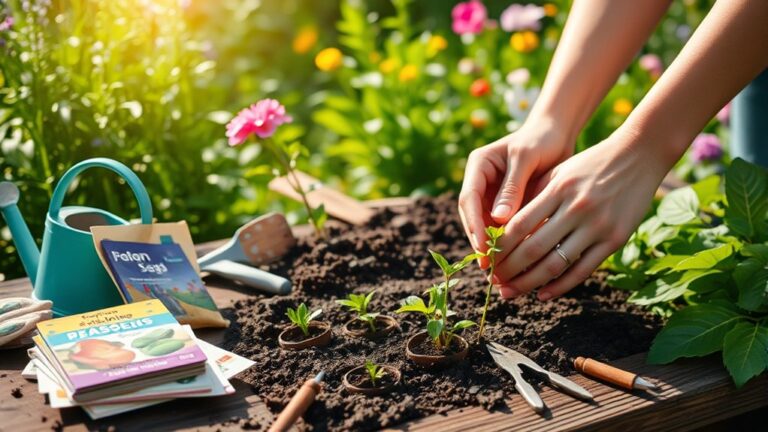
You don’t need a shed full of gear to begin gardening, but one overlooked tool can make the work much harder. Start with a sturdy hand trowel, pruning shears, gardening gloves, and a watering can or hose with a gentle nozzle.
Add a hand fork for loosening soil and a small bucket for weeds. Choose comfortable, durable tools; you’ll use them often. A simple tool kit is enough to help you plant, water, and maintain your garden confidently.
How Can I Keep Pets Out of My Garden?
To keep pets out, install a sturdy barrier around your planting beds and secure any gaps they could squeeze through. Try garden fencing ideas such as low wire mesh, decorative picket panels, or a lightweight portable fence.
You can also cover fresh soil with netting, use raised beds, and redirect pets with a nearby play area. Avoid harmful repellents, and reward your pets when they stay outside the garden. Check barriers regularly for damage.
Conclusion
You’ve chosen a sunny spot, matched plants to your space, prepared the soil, and planted at the right depth. Now keep your garden thriving with regular watering, quick weeding, and checks for pests or disease.
Don’t worry if every plant doesn’t flourish; you’ll learn what works as the season unfolds. What could be more rewarding than watching your care turn into fresh growth?
Keep showing up, make small adjustments, and enjoy each harvest, bloom, and new lesson along the way. With these simple steps, you’re well on your way to starting a garden that thrives.