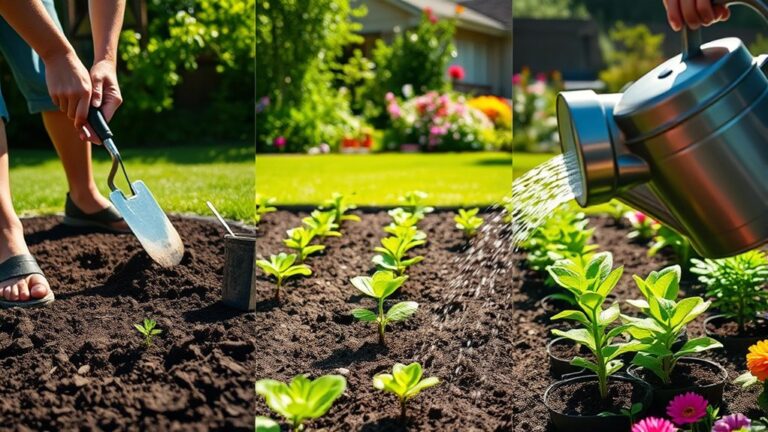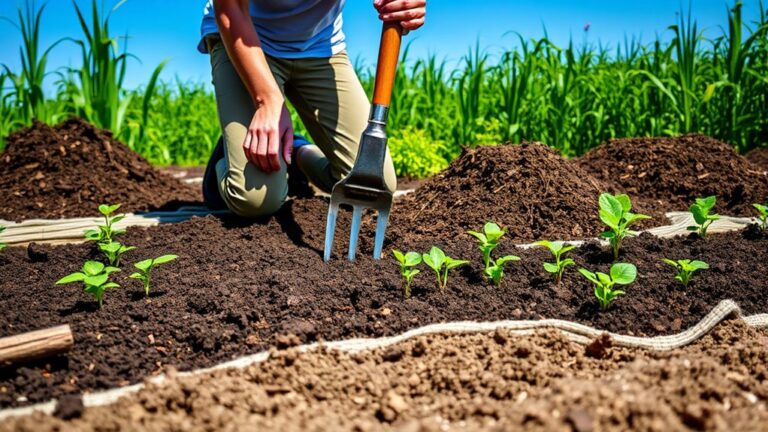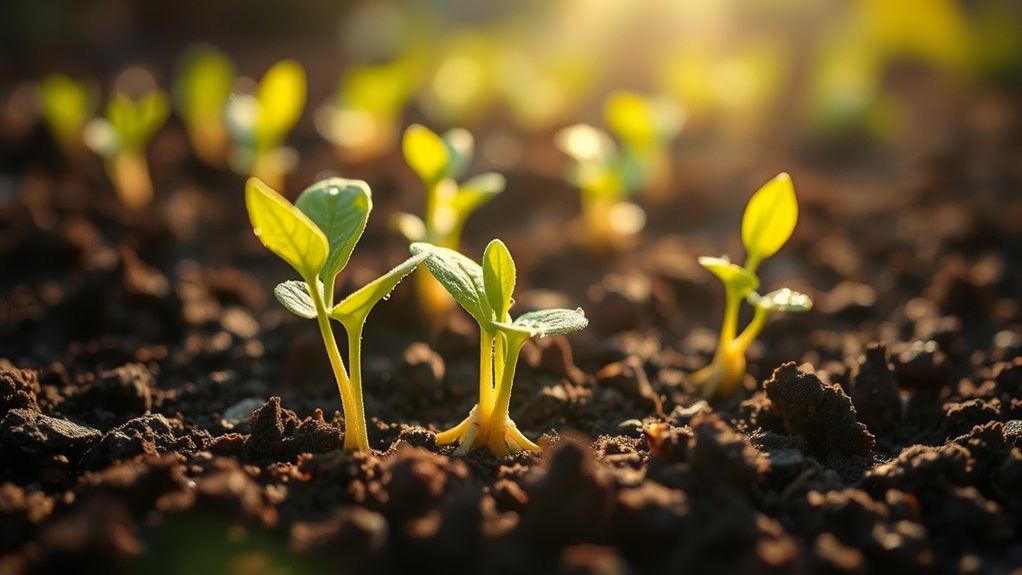
How Do Vegetables Grow?
Not sure where to start with growing vegetables? You’re not alone—many people find it hard to know what plants need to thrive. The right gardening tools and supplies can make the process easier, but first, it helps to understand how vegetables grow.
Vegetables grow when you give them sunlight, water, warmth, nutrients, and room. Seeds sprout as moisture softens their coats, then tiny roots anchor them in loose, well-drained soil. Leaves capture sunlight and use it with water and carbon dioxide to make sugars. As plants develop, roots take up nutrients, and mature plants may flower and set fruit. Watch for each crop’s signs of ripeness, then harvest gently at the right time. A few simple steps explain the full process.
Key Takeaways
- Vegetables grow best with adequate sunlight, warmth, water, nutrients, and well-drained soil.
- Seeds germinate when they receive moisture, warmth, and air, then send roots into the soil and shoots upward.
- Roots absorb water and minerals, while leaves use sunlight, water, and carbon dioxide to make sugars for growth.
- Mature plants may flower. Pollination helps fruiting vegetables develop, though leafy vegetables are harvested for their leaves.
- Harvest vegetables when their size, color, and firmness indicate they are ready. Use gentle cutting rather than pulling.
What Conditions Help Vegetables Grow?
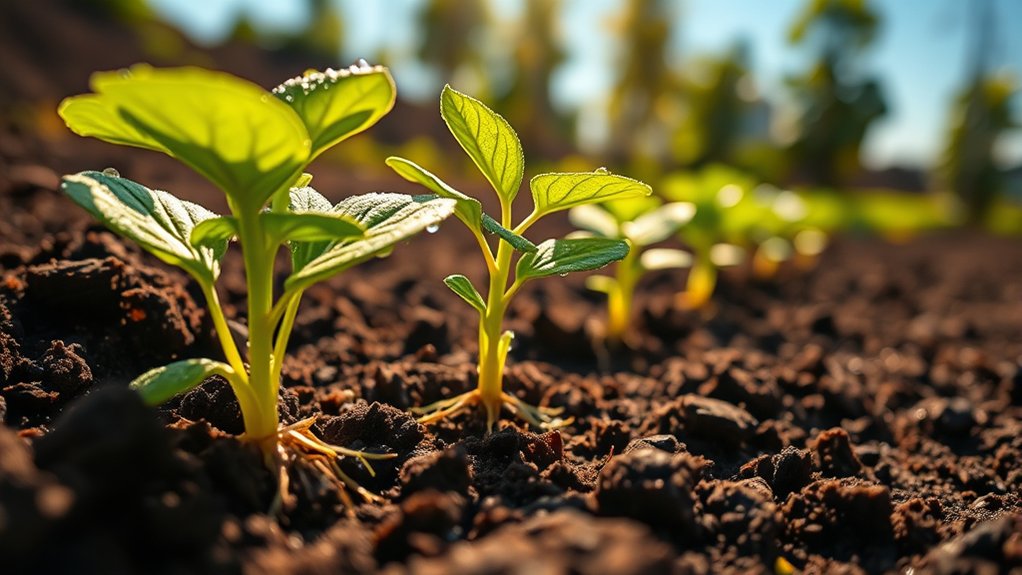
Vegetables grow best when they get the right balance of sunlight, water, nutrients, and warmth. Choose a sunny spot where your plants can receive the hours of light their varieties need. Leafy greens often tolerate some shade, while tomatoes and peppers usually need more direct sun.
Give your garden soil that drains well yet holds enough moisture for healthy growth. Water deeply when the soil begins to dry, adjusting your schedule for rainfall and hot weather. Add compost to improve soil structure and supply nutrients, and check soil pH so you can correct conditions that limit nutrient availability. Most vegetables prefer slightly acidic soil, though needs vary.
Plant each variety at the recommended seed depth, and leave enough space for air circulation and mature growth. Keep weeds from competing for water and nutrients, and use mulch to conserve moisture and moderate soil temperature. Watch your plants regularly; their leaves and growth can help you spot problems early and adjust care.
How Does a Vegetable Seed Sprout?
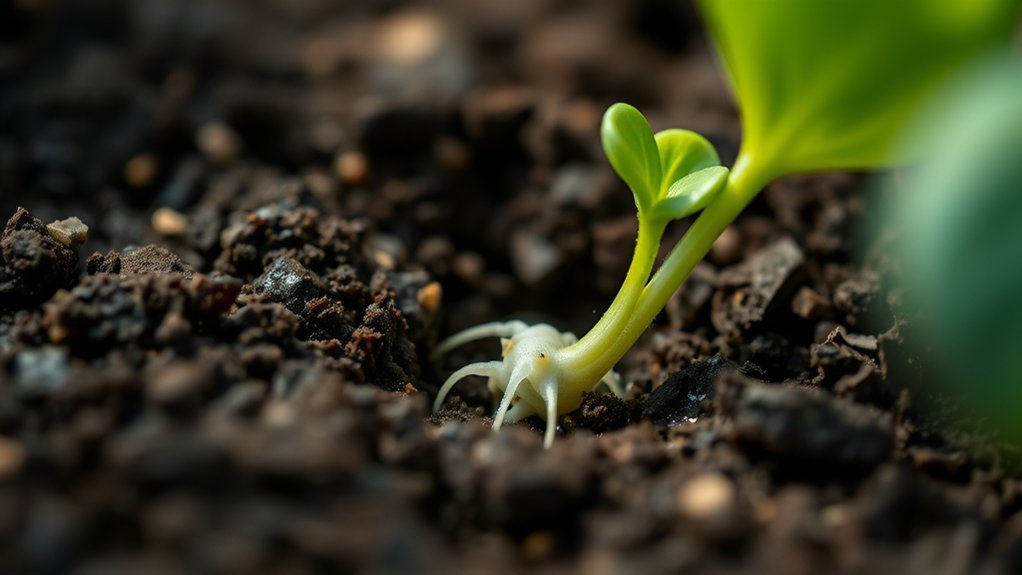
When a vegetable seed gets water and warmth, it wakes up and starts to grow. Its outer coat softens, and a tiny root comes out first.
Next, a shoot grows toward the light, beginning the plant’s first growth.
Seed Awakening
How does a tiny seed begin to grow? You give it the right conditions: moisture, warmth, and air. A dry seed can remain in seed dormancy, waiting until its surroundings signal that growth is possible.
When water reaches the seed, it softens the outer coat and activates stored nutrients. The embryo inside starts using that energy.
Your soil texture matters, too. Loose, well-drained soil lets water and air reach the seed without leaving it waterlogged. If the soil is too dry, the seed won’t absorb enough moisture. If it’s too wet, the seed may lack oxygen and rot.
Warmth also helps, though each vegetable has its own preferred temperature range. Once these needs are met, the seed’s internal growth process begins, preparing it for the next stage.
First Sprout Growth
Once the seed absorbs enough water, its embryo begins to grow and push through the softened seed coat. You’ll first see a tiny root emerge, anchoring the seed and beginning early root development.
Next, the shoot grows upward, guided by stored energy inside the seed. This seedling emergence marks the start of the plant’s visible growth.
- Roots reach down: Your seedling’s first root takes in water and minerals from the soil.
- Shoots reach up: The stem pushes toward the surface, carrying the seed leaves.
- Leaves unfold: Once aboveground, the first leaves open and begin capturing sunlight.
Keep the soil gently moist, not waterlogged, while these changes happen. You’ll soon see your vegetable plant stand upright and start making its own food.
Each seed sprouts at its own pace, so give yours time and steady care.
What Happens During Germination?
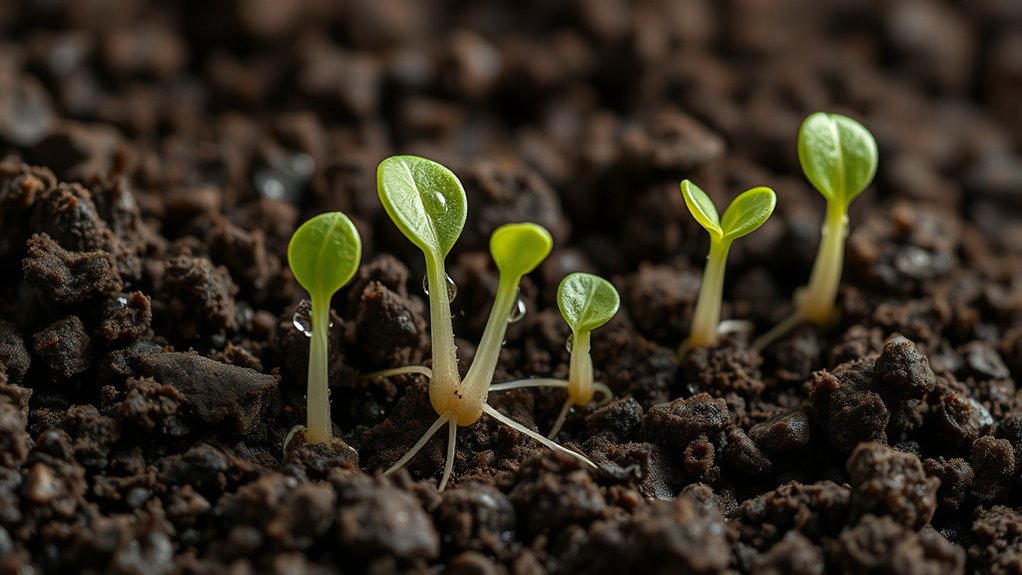
A seed begins to germinate when it absorbs water and starts to grow. You’ll see its dry coat soften and swell as moisture enters. Warmth and oxygen help the embryo wake from seed dormancy and use stored food for energy.
The right soil texture can help maintain moisture and air around the seed, but conditions vary by vegetable.
| Change | What it means |
|---|---|
| Water enters | The seed swells and softens. |
| Coat splits | The growing embryo pushes through. |
| Stored food fuels growth | The embryo gains energy before it makes its own food. |
| First shoot emerges | You see the beginning of aboveground growth. |
During germination, the seed doesn’t need light in every case; check the packet for planting guidance. Keep the growing medium evenly moist, not waterlogged, so the seed can access oxygen.
If it stays too dry or cold, germination may slow or stop. Once the shoot appears, you can watch the next stage of vegetable growth unfold.
How Roots Take Hold in Soil
After the first shoot emerges, young roots grow downward and spread through the soil. You can picture them exploring a dark, crumbly maze, searching for water and dissolved nutrients.
As roots extend, their tiny tips push between soil particles and follow spaces where growth feels easiest. This root invasion helps anchor your vegetable and lets it draw on a wider area.
Soil texture affects how easily roots move. Loose, balanced soil usually gives them room to spread, while tightly packed ground can slow their progress.
You can help by keeping soil gently moist and avoiding compaction around young plants.
- Check the soil: Feel whether it’s crumbly or packed hard.
- Water gently: Keep the root zone moist, not waterlogged.
- Give roots room: Space plants as their seed packets recommend.
As roots branch, they create a steadier foundation. Your vegetable can then stay upright and access what it needs from the soil as it grows.
How Leaves Help Vegetables Grow
How do leaves help a vegetable grow? You can think of leaves as tiny food-making workshops. They capture light and use it to turn water and carbon dioxide into sugars. Your vegetable uses these sugars to build stems, roots, flowers, and edible parts. Healthy leaves also help you spot how well a plant is developing.
Look closely at leaf color, shape, and texture. Yellowing, holes, or curled edges may signal stress, disease, or toxic pests. Check both sides of leaves, and remove damaged ones with clean tools when needed. Don’t mistake every mark for a serious problem; identify the cause before treating your plant.
Leaves also guide your care choices. A leafy plant may need support as it grows, while crowded foliage can hide problems. Clear, practical advice helps you avoid compost myths, such as assuming every kitchen scrap belongs in a garden pile. By observing leaves and responding thoughtfully, you can protect your vegetable and help it grow well.
Why Sunlight, Water, and Air Matter
Sunlight fuels your vegetables’ growth. Water supports their roots, and air feeds their leaves. Together, these essentials help your plants thrive.
Sunlight Fuels Growth
Sunlight gives vegetables the energy they need to grow. In their leaves, plants use light to turn air and water into sugars. Those sugars fuel new leaves, sturdy stems, flowers, and vegetables.
When you understand sunlight dynamics, you can choose a spot where your plants receive enough light each day. Most vegetables grow best with several hours of direct sun.
- Check your garden: Notice how sunlight moves across the space from morning to evening.
- Choose the right spot: Plant sun-loving vegetables where trees or buildings won’t cast long shadows.
- Watch for clues: Pale, stretched stems may mean your plants need more light.
Soil darkness can hide a shady location, so look above your garden before planting. You’ll help your vegetables thrive when you match each plant with the light it needs.
Water Supports Roots
Water carries nutrients through the soil to your vegetables’ roots. When you water deeply, you encourage roots to reach farther down, where they can find moisture during dry spells.
Check soil moisture before watering: press a finger into the soil near a plant. If the top inch feels dry, give your vegetables a thorough drink. If it’s still damp, wait and check again later.
Different vegetables need different amounts of water. Shallow-rooted crops may need more frequent watering, while plants with greater root depth can draw from deeper soil.
Warm, windy weather can dry soil quickly, so adjust your routine as conditions change. Water near the base of each plant to help moisture reach the roots. Avoid soaking the soil until it stays waterlogged; roots need healthy soil, not standing water, to grow strong.
Air Feeds Leaves
How do leaves turn air into what a vegetable needs to grow? Your plant takes in carbon dioxide through tiny openings in its leaves. With sunlight and water, it uses that gas to make sugars, its fuel for new leaves, stems, roots, and vegetables. You can help this process with a few simple habits:
- Give each plant enough space. Good air circulation helps leaves exchange gases and dry after rain, reducing conditions that favor disease.
- Place vegetables where they’ll get the sunlight they need. Shade can slow sugar-making, while harsh heat may stress leaves.
- Check leaves regularly. Remove damaged growth and watch for insects; careful pest management protects healthy foliage without harming helpful garden visitors.
When you balance light, water, and fresh air, you give your vegetables what they need to thrive.
How Nutrients Support Plant Growth
What helps a vegetable plant turn sunlight and water into strong roots, sturdy stems, and fresh leaves? Nutrients do. Your plant takes them up through its roots, mostly from the soil and water around them. Nitrogen helps build leafy growth, while phosphorus supports roots. Potassium helps plants manage water and stay sturdy. Your vegetables also need smaller amounts of nutrients such as calcium, magnesium, and iron.
You can support healthy growth by adding compost or a balanced fertilizer when the soil needs it. Don’t assume more is better: too much fertilizer can damage roots or encourage excess leaf growth. Check your soil, follow product directions, and water as needed so nutrients can reach the roots. Healthy soil also holds moisture and supports useful organisms.
As you care for your garden, seed sorting helps you choose suitable crops, and pest control protects leaves and roots from damage. Watch for yellowing, weak stems, or slow growth; these signs may point to nutrient problems, though pests or watering issues can cause similar symptoms.
When Vegetables Flower and Set Fruit
When do vegetables begin to set fruit? They do so after reaching maturity and producing flowers, though timing varies by crop and growing conditions. You’ll see fruit form when pollen reaches a flower’s female parts and fertilizes its ovules. Some vegetables, such as tomatoes, can pollinate themselves; others rely more heavily on insects or wind.
- Notice the flowers. Squash, beans, and tomatoes produce flowers before their edible fruits develop. Leafy vegetables, by contrast, may flower without forming the kind of fruit you eat.
- Consider the pollinator role. Bees and other insects carry pollen between flowers, helping many crops set fruit. You can support them by planting diverse blooms and avoiding pesticides that harm pollinators.
- Understand what follows. After fertilization, the flower’s ovary may grow into a fruit containing seeds. Those seeds support the plant’s reproduction and, through seed dispersal, can spread to new places.
Cool weather, heat, or poor pollination can interrupt this process. Give flowering plants suitable conditions, and you’ll encourage healthy fruit formation.
How to Tell When Vegetables Are Ready
To tell when your vegetables are ready, compare their size and color with what’s typical for each variety. Keep in mind that harvest timing matters, too—some crops taste best before they reach full size. With a little practice, you’ll learn to pick them at their peak.
Check Size and Color
Check each vegetable’s size and color to tell when it’s ready to harvest. Since every crop has its own ideal appearance, check size and look for the color variety typical of that vegetable. A ripe tomato may be fully colored and firm, while a cucumber is often best before it turns yellow. Use these simple clues:
- Compare sizes: Check the seed packet or plant label for the expected mature size. Pick beans while their pods feel firm and fit comfortably in your hand.
- Look at color: Notice whether the vegetable has reached its usual shade. A pepper might be ready when it’s glossy and brightly colored.
- Check the surface: Choose produce that looks healthy and feels firm, not shriveled or soft.
These signs help you judge each vegetable on its own. If you’re unsure, inspect a few examples before picking more.
Know Harvest Timing
Size and color offer useful clues, but timing matters too. Check each vegetable’s expected days to maturity on its seed packet, then begin inspecting crops as that date approaches. Weather and growing conditions can speed up or delay development, so use the calendar as a guide, not a guarantee.
Harvest leafy greens when leaves reach a tender size, and pick beans before their pods become tough and bulging. Test root crops by gently uncovering a shoulder; harvest when it matches the variety’s typical size. Pick tomatoes when they’re fully colored and slightly soft, or follow your preferred ripeness stage.
Taste a sample to judge flavor and texture. Overwatering issues and Soil salinity can affect growth, so watch for stress and check crops often. Harvest promptly to encourage continued production and prevent vegetables from becoming overripe.
How to Harvest Vegetables at the Right Time
Harvesting vegetables at the right time helps you enjoy their best flavor and encourages many plants to keep producing. Check each crop’s expected size, color, and texture, but treat those signs as guides rather than strict rules. Taste a small sample when you’re unsure, and harvest in the cool morning for crisp, fresh produce.
- Pick leafy greens often. Snip outer leaves while the center keeps growing. Harvest lettuce before it turns bitter, and gather herbs before they flower for fuller flavor.
- Check fruiting crops daily. Pick tomatoes when they’re fully colored and slightly soft, and harvest zucchini while it’s small and tender. Frequent picking can prompt more fruit.
- Use a gentle touch. Cut stems with clean scissors or a knife instead of pulling, which can damage plants. Remove ripe or damaged produce promptly to support pest prevention.
Keep a simple harvest log to learn your garden’s timing. Store produce properly, and save healthy seeds only from suitable, mature plants; careful seed storage helps you plan future crops. Enjoy each harvest fresh, or preserve extras before quality declines.
Frequently Asked Questions
Which Vegetables Are Easiest for Beginners to Grow?
Radishes, lettuce, green beans, zucchini, and cherry tomatoes are easy starter vegetables for your first garden. Choose varieties suited to your space and climate, and check seed packets for growing times.
If you don’t have a yard, try container friendly varieties such as lettuce, herbs, and compact tomatoes in pots with drainage holes. Give plants sunlight, water them consistently, and harvest regularly. You’ll build confidence while enjoying fresh vegetables from your own garden.
Can Vegetables Grow Indoors in Containers?
Yes, you can grow vegetables indoors in containers, especially leafy greens, herbs, and compact tomatoes. A striking fact: one lettuce plant can thrive in a pot just 6 inches wide.
Give your plants a sunny window or grow light, and choose containers with drainage holes. For healthy roots, prioritize container soil quality with a loose, nutrient-rich mix. You can also use indoor seed starting to raise seedlings before moving them into larger pots.
How Much Space Does a Vegetable Garden Need?
You can grow vegetables in just a few square feet, though a 10-by-10-foot plot gives you room for a useful variety. Choose a size that fits your household, available time, and crops; leafy greens and herbs need less space than sprawling squash.
Leave paths so you can reach every bed without stepping on soil. Check sun exposure, plan for mature plant sizes, and group crops with similar soil moisture needs. Start small, then expand as you learn.
What Tools Are Useful for Starting a Vegetable Garden?
Your garden’s starter kit could make even a medieval knight jealous: grab a hand trowel, sturdy gloves, a watering can, and a digging fork. Add a hoe for clearing weeds, pruning shears for trimming, and a ruler for spacing seedlings.
For seed starting, use trays, labels, and a spray bottle. A soil thermometer helps you check planting conditions, while a compost bin supports compost basics. These simple tools make garden work easier and more enjoyable.
How Can I Protect Vegetables From Pests?
Protect your vegetables by checking leaves often and removing pests by hand. Use row covers to block insects, rotate crops each season, and clear weeds or fallen plant debris that can shelter pests.
For effective pest protection strategies, encourage beneficial insects with flowering plants and choose resistant vegetable varieties. Try organic pest control, such as insecticidal soap or neem oil, following label directions. You’ll reduce damage while keeping your garden healthy and productive.
Conclusion
Growing vegetables is a little like raising a team: each part has a job, and the right care helps everything work together. Give your plants sunlight, water, healthy soil, and time. Watch for sprouts, sturdy roots, new leaves, flowers, and signs of ripeness.
When you harvest at the right moment, you’ll enjoy fresher vegetables and encourage some plants to keep producing. Start with one small garden, learn as you go, and soon you’ll see how much your care can grow vegetables.