How to Become a Vegetable Step by Step
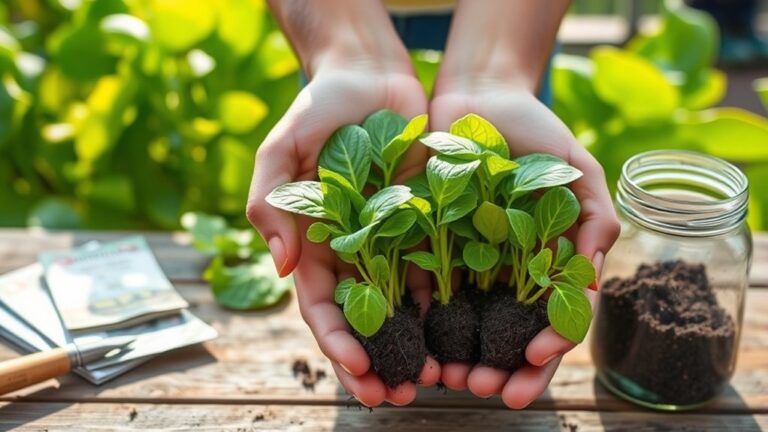
Want to eat more vegetables but find it hard to know where to start? You’re not alone—many people struggle to make vegetables a regular part of their meals. This guide to how to become a vegetable lover step by step offers practical ideas to help you get started.
You can become a vegetable lover step by step by starting with one extra serving at a meal you already enjoy. Choose familiar favorites, then try one new vegetable at a time, using roasting, steaming, or a favorite sauce to make it appealing.
Wash and store vegetables for easy access, and add them to pasta, pizza, or other go-to dishes. Repeat small changes until they feel natural. You’ll also find practical ways to grow, prepare, and enjoy more vegetables.
Key Takeaways
- Choose one vegetable you enjoy and add a serving to a familiar meal.
- Wash, cut, and store vegetables ahead of time so they’re easy to grab.
- Try different vegetables and preparations, such as roasting, steaming, or eating them raw.
- Build a routine by adding a vegetable to the same meal until it feels natural.
- Gradually explore new colors, textures, and flavors, choosing options that fit your preferences and budget.
Start Eating More Vegetables, One Step at a Time
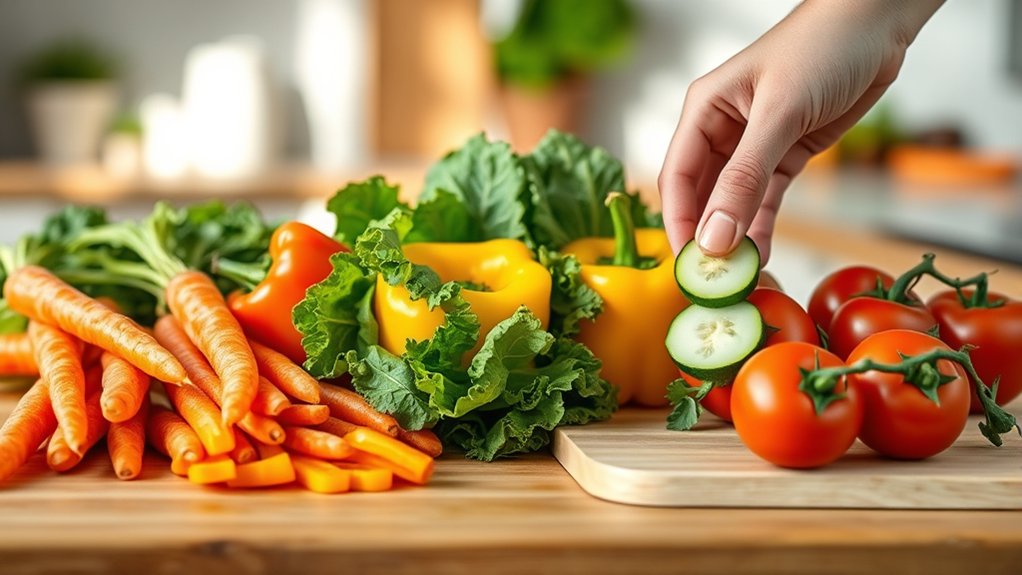
Start by adding one extra serving of vegetables to a meal you already enjoy. Mix spinach into pasta, add peppers to a sandwich, or serve carrots alongside your usual dinner. Small changes feel manageable, so you’re more likely to keep them up.
> Add one serving of vegetables to a meal you already enjoy—small, manageable changes are easier to maintain.
Choose vegetables that suit your preferences and budget. Try fresh, frozen, or canned options, and compare flavors through simple taste testing. If one vegetable doesn’t appeal to you, prepare it differently or pair it with a familiar sauce, seasoning, or dish. You don’t need to force yourself to like everything.
Make vegetables easy to reach: wash and cut a few in advance, then store them safely in the refrigerator. Follow basic kitchen safety by washing produce under running water, using clean utensils, and keeping raw foods separate from ready-to-eat items.
As you get comfortable, add another serving or try a new variety. Notice what you enjoy, and build a routine that works for you.
Learn How Vegetables Grow
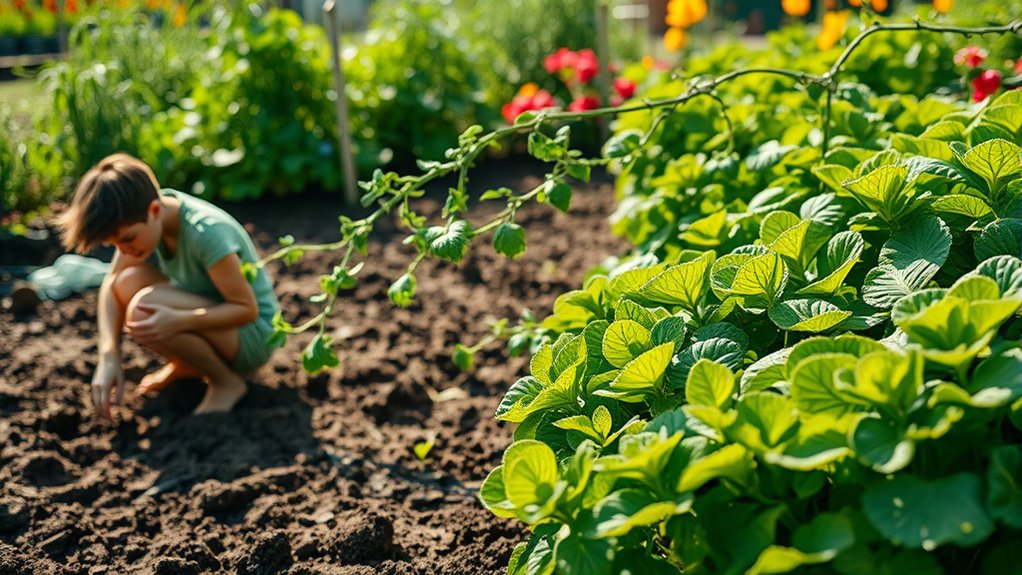
Learning how vegetables grow can make trying them more interesting. You can follow a seed’s journey from a tiny start to a mature plant, noticing how sunlight, water, and warmth support each stage. Roots take in water and soil nutrients, while leaves use sunlight to make food. As stems rise and leaves spread, the plant may form flowers, then develop vegetables.
You don’t need a garden to learn about growth. Watch a short time-lapse, visit a community garden, or observe herbs growing in a pot. Pay attention to how gardeners water plants, loosen the soil, and protect young seedlings. These details show that vegetables don’t appear by chance; they develop through steady care and the right conditions.
This knowledge can also help you understand differences in texture, color, and flavor. When you know how a plant grows, its parts may seem less unfamiliar. Keep your observations simple, and let curiosity guide your learning.
Choose Vegetables You’d Like to Try
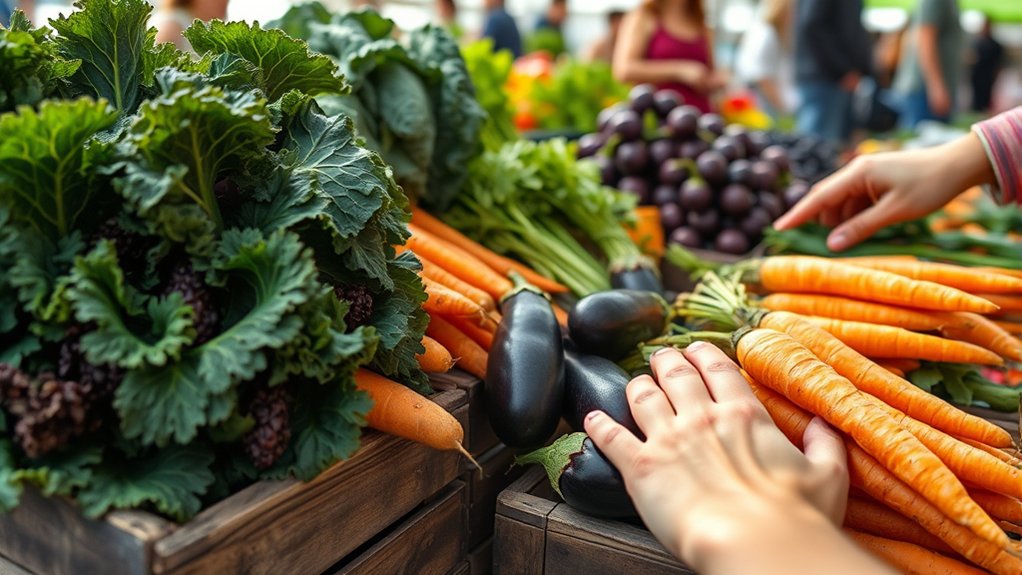
Try vegetables you haven’t tasted before and see which ones you like. You might sample crisp snap peas, earthy beets, or tender zucchini. Then choose a few favorites to enjoy again.
Explore New Options
Once you’ve found a few vegetables you enjoy, make a short list of new ones you’d like to taste. To explore options, look beyond the produce you usually buy.
Visit a farmers’ market, browse a grocery store’s seasonal section, or ask someone what they like to cook. You might notice unfamiliar varieties, such as kohlrabi, bok choy, or delicata squash.
Choose vegetables that appeal to you by their color, shape, or flavor, and consider how you could prepare them. If you prefer mild tastes, try something gentle, like fennel or yellow squash.
If you enjoy bold flavors, consider radishes or mustard greens. Keep your list flexible; availability and price can change.
Trying vegetables from different cuisines can also broaden choices and give you fresh ideas for meals. Don’t worry about liking everything.
Pick Your Favorites
Which vegetables caught your eye? After exploring new options, choose a few that you’re genuinely curious to taste. Start with colors, shapes, or textures that appeal to you, then consider how each might fit into meals you already enjoy. Seasonal options can offer fresher produce and better value, so check what’s available nearby.
- Try crisp snap peas for a sweet, refreshing snack.
- Roast cauliflower until its edges turn golden and nutty.
- Add tender zucchini to pasta, tacos, or a quick stir-fry.
- Sample earthy beets with citrus, herbs, or creamy cheese.
Think about flavor pairings that balance or complement each vegetable. You might match bitter greens with something sweet, or pair mild vegetables with bold spices. Pick two or three favorites to try this week, and keep notes on what you like. You can always choose more later.
Grow Vegetables at Home, Even in Small Spaces
You don’t need a yard to grow fresh vegetables at home. A sunny windowsill, patio, or urban balcony can support a small, productive garden. Start by checking how many hours of sunlight your space gets, then choose containers that fit.
Leafy greens, herbs, radishes, and compact tomatoes thrive in pots, while deeper containers suit root vegetables.
Use pots with drainage holes and fill them with quality potting mix. If you have room, build grow beds to organize crops and make watering easier. Protect soil health by adding compost and avoiding overly frequent watering.
Group plants with similar light and moisture needs so you can care for them efficiently. Try companion planting to pair compatible crops and make the most of limited space.
For example, grow basil near tomatoes, or tuck quick-growing lettuce between slower-growing plants. Water when the top layer of soil feels dry, and rotate containers occasionally so plants receive even light.
Keep a simple schedule to track growth and spot problems early.
Choose Fresh Vegetables at the Store
When homegrown produce isn’t available, choose vegetables at the store by checking their color, firmness, and freshness. A careful look helps you bring home fresh produce that tastes good and suits your meals.
Compare several options, and pick vegetables that feel sturdy for their type, not limp or unusually soft. Skip items with bruises, cuts, mold, or shriveled patches, since damage can shorten their useful life.
- Leafy greens: Choose crisp leaves with an even color; avoid yellowing or wilting.
- Tomatoes: Select fruit that feels firm but yields slightly when pressed.
- Root vegetables: Look for smooth, solid carrots, beets, and potatoes without soft spots.
- Broccoli and cauliflower: Pick compact heads with tight florets and fresh-looking stems.
Use your senses, but don’t squeeze produce hard enough to bruise it. Check labels or signs for local and seasonal choices, which may offer better flavor and value.
Keep raw vegetables separate from meat in your cart to support kitchen safety. Choose only what you’ll use soon.
Wash and Store Vegetables Safely
Rinse your vegetables under running water before cutting or peeling them. Then dry them with a clean towel to reduce moisture. Finally, store them at a safe temperature to keep them fresh and limit bacterial growth.
Wash Before Cutting
Before you cut vegetables, wash them under clean running water to remove dirt and reduce surface bacteria. Make washing part of your routine: wash before you peel, slice, or chop, even when you won’t eat the skin. You’ll help keep germs from moving onto the flesh or your knife.
- Rinse firm produce, such as potatoes and cucumbers, while rubbing the surface with your hands.
- Gently turn leafy greens under running water, separating leaves so you can rinse away grit.
- Scrub thick-skinned vegetables with a clean produce brush.
- Dry washed vegetables with a clean paper towel or cloth.
Don’t use soap, detergent, or bleach; these products aren’t meant for produce. Keep unwashed vegetables away from clean tools and ready-to-eat foods. After rinsing and drying, use a clean cutting board and knife to cut safely.
Store at Safe Temperatures
After washing and drying vegetables, store them promptly at the right temperature to keep them fresh and limit bacterial growth. Refrigerate cut or peeled vegetables within two hours, or within one hour when temperatures exceed 90°F.
Keep your refrigerator at 40°F or below, and use a thermometer to check it. Store produce in clean containers or covered bags, separate from raw meat, poultry, and seafood to prevent cross-contamination.
Don’t pack vegetables while they’re still damp; excess moisture can encourage spoilage. Keep whole potatoes, onions, and winter squash in a cool, dry, dark place instead of the refrigerator.
Follow these temperature control steps as part of safe handling, and discard vegetables that feel slimy, smell unpleasant, or show signs of mold. When in doubt, throw them out.
Prepare Vegetables With Simple Techniques
Simple cooking techniques can bring out vegetables’ natural flavors without much effort. Start with quick chopping: cut pieces to a similar size so they cook evenly. Rinse vegetables, dry them well, and keep your knife steady. Then choose a method that suits their texture and the time you have.
- Roast carrots, broccoli, or cauliflower with a little oil until their edges turn golden.
- Steam green beans or zucchini briefly, keeping them tender and bright.
- Sauté sliced mushrooms or peppers in a hot pan, stirring until soft.
- Grill corn or eggplant for smoky notes and lightly charred edges.
Season as you cook with salt, pepper, herbs, or a squeeze of lemon. For flavor pairing, match earthy vegetables with garlic, sweet ones with warming spices, or leafy greens with citrus. Taste a small bite before serving, then adjust the seasoning.
You don’t need complicated recipes or special equipment; a pan, oven, or pot can help you prepare vegetables simply and confidently.
Add Vegetables to Meals You Already Love
You don’t have to change your favorite meals to eat more vegetables. Just toss some into pasta, add them to pizza, or blend them into sauces. These little upgrades make familiar dishes more nourishing.
Upgrade Favorite Pasta
Pasta is an easy place to add vegetables you already enjoy—or try a new one. Toss them into the sauce, roast them for a sweet, savory finish, or stir them in just before serving.
Let flavor pairing guide you: match bright tomatoes with zucchini, earthy mushrooms with spinach, or sweet peas with lemon. Your garden planning can even inspire what goes into tonight’s bowl.
- Fold chopped spinach into warm marinara until it wilts.
- Roast broccoli florets, then toss them with pesto and pasta.
- Sauté mushrooms and peas for a quick, hearty sauce.
- Add grated carrots to tomato sauce for subtle sweetness.
Start with a small handful, then add more as you find combinations you love. Frozen vegetables work, too; stir them into the pot during the last few minutes of cooking.
Top Your Pizza
Pizza is an easy favorite to top with vegetables you enjoy or want to try. Add sliced bell peppers, mushrooms, onions, spinach, or zucchini before baking. Their colors and textures can make each bite more interesting, while familiar cheese and crust keep the meal comforting.
Start with one vegetable if you’re unsure, then add more as you discover combinations you like.
For a fresh finish, scatter chopped tomatoes over your pizza after it comes out of the oven. You might even call them pico vanilla or quantum tomatoes as playful names for your topping; the important part is choosing produce you’ll enjoy.
Try olives, artichoke hearts, or roasted eggplant, too. Keep wet toppings modest so the crust stays crisp, and cut everything into small pieces for even cooking. You can build a different vegetable-packed pizza whenever you want.
Blend Into Sauces
Vegetables can add flavor and nutrients to sauces without changing the meals you already love. Start with a small amount, then adjust until you find a taste and texture you enjoy.
Roast or steam vegetables first to soften them and deepen their flavor. Then blend them into your favorite sauce until smooth, or leave a few pieces for a heartier feel.
- Stir spinach into pesto for a fresh, earthy note.
- Blend roasted carrots into tomato sauce to balance sweetness and acidity.
- Add cauliflower to cheese sauce for a creamy finish.
- Mix sautéed mushrooms into gravy for savory depth.
Use a blender to blend textures evenly, adding broth or pasta water if the sauce feels too thick. Taste as you go, and season with herbs, pepper, or lemon.
Your familiar meals can become an easy way to enjoy more vegetables.
Try New Vegetable Flavors and Recipes
Ready to make vegetables more appealing? Give your taste buds fresh options by exploring produce you haven’t tried before. You might discover that roasted Brussels sprouts taste sweet and nutty, while raw fennel offers a crisp, mild bite. Choose one unfamiliar vegetable at a time, and prepare it in a way that sounds inviting.
As you cook, try new flavors with seasonings and ingredients you already enjoy. Add lemon, garlic, herbs, or a little cheese to bring out a vegetable’s character. You can also experiment with textures: roast vegetables for crisp edges, steam them until tender, or serve them raw for crunch. If one preparation doesn’t suit you, try another before deciding you dislike that vegetable.
Look for simple recipes that pair vegetables with familiar foods, such as a colorful stir-fry or a savory tart. Keep notes on combinations you like, and adjust recipes to suit your preferences. Each small culinary discovery can make vegetables feel less intimidating and more enjoyable.
Make Vegetables a Daily Habit
Consistency makes vegetables easier to enjoy. Build a routine that fits your day instead of relying on motivation. Add one vegetable to a meal you already eat, then repeat the habit until it feels natural.
Build a vegetable routine that fits your day: add one to a familiar meal and repeat until it feels natural.
Keep washed, chopped options visible so you can grab them quickly, and plan a few favorites before shopping.
- Toss spinach into your morning eggs for a soft, leafy start.
- Pack crunchy carrots beside your lunchtime sandwich.
- Roast broccoli with dinner, adding crisp edges and tender centers.
- Keep sliced peppers ready for an afternoon snack.
Use texture contrasts to make each plate more satisfying: pair crisp vegetables with creamy dips or tender grains. Mix color palettes, too, choosing greens, reds, and oranges to make meals appealing.
You don’t need a perfect plan or a different vegetable every day. Start small, notice what you enjoy, and make the easiest choices convenient. When vegetables become part of your regular meals, you’ll reach for them without thinking.
Add variety gradually, and let your routine grow with your tastes.
Frequently Asked Questions
How Many Servings of Vegetables Should Adults Eat Each Day?
Most adults should aim for 2 to 3 cups of vegetables daily, though your exact target depends on your age, sex, activity level, and calorie needs. That’s roughly 4 to 6 half-cup vegetable servings.
Choose a variety of colors and types, including leafy greens, beans, and starchy vegetables. Fresh, frozen, and canned options all count.
Check national dietary guidance for a personalized target, and spread your vegetable servings across meals.
Are Frozen Vegetables as Nutritious as Fresh Ones?
Yes—frozen vegetables can be just as nutritious as fresh ones, so your freezer isn’t a nutritional graveyard. For frozen vs fresh, timing matters: producers often freeze vegetables soon after harvest, helping preserve vitamins, while fresh produce may lose some nutrients during transport and storage.
Nutrient retention varies by vegetable and cooking method, though. Choose plain frozen options, and steam or microwave them briefly to keep more nutrients—and skip drowning them in sauce.
What Nutrients Do Vegetables Provide?
Vegetables provide you with fiber, vitamins, minerals, and beneficial plant compounds. Their vegetable fiber supports digestion, helps you feel full, and can promote healthy cholesterol levels.
Many vegetables supply vitamin C, which supports immune function and helps your body absorb iron. They also offer nutrients such as folate, potassium, and vitamin A. Colorful plant pigments, including carotenoids and anthocyanins, act as antioxidants and may support your overall health.
Can Eating Vegetables Help Reduce the Risk of Chronic Diseases?
Yes, eating vegetables regularly can support chronic disease prevention. In a large review, each additional daily serving of fruits and vegetables was associated with about a 4% lower risk of cardiovascular disease, though this doesn’t prove vegetables alone caused the reduction.
You can add varied vegetables to meals for fiber, vitamins, and beneficial plant compounds. If you have a vegetable allergy, avoid the trigger and ask a healthcare professional about safe alternatives. Dietary changes complement, not replace, medical care.
What Should I Do if I Have a Vegetable Allergy?
If you suspect a vegetable allergy, stop eating the suspected food and contact your healthcare provider for evaluation. For effective vegetable allergy management, keep a record of reactions, check ingredient labels, and ask restaurants about ingredients and cross-contact.
Your clinician may recommend allergy testing or a personalized avoidance plan. Ask a registered dietitian how to maintain balanced nutrition and choose safe alternative protein sources.
If you have trouble breathing or throat swelling, use prescribed epinephrine and call emergency services immediately.
Conclusion
Becoming a vegetable lover doesn’t mean changing everything overnight. Start with one crisp carrot, one handful of greens, or one pot on a sunny windowsill. Some vegetables will surprise you; others may take a few tries. That’s part of the journey.
Add fresh produce to familiar meals, then explore new flavors as your confidence grows. You don’t need a perfect garden or elaborate recipes, just small, steady steps. Before long, vegetables won’t feel like a chore; they’ll feel like yours. That’s how to become a vegetable lover, one step at a time.