5 Essential Tips to Take Care of a Garden
Keeping a garden healthy can feel like a lot to manage, especially when plants wilt, weeds spread, or pests appear. If you’re unsure where to start, you’re not alone. These five essential tips to take care of a garden can help you build a simple routine and choose products that make gardening easier.
Match plants to their sunlight and soil, then water deeply when the top inch of soil dries. Feed plants with compost or balanced fertilizer, following label directions, and add mulch while keeping it away from stems.
Prune at the right time for each plant, remove weeds before they flower, and inspect leaves and stems for pests or disease. Choose gentle treatments when needed.
These simple habits give your plants a strong start, and a few more details can help you care for them confidently.
Key Takeaways
- Assess sunlight and soil conditions in each area, then choose plants suited to the light, soil texture, pH, and nutrients.
- Water deeply when the top inch of soil feels dry, adjusting for plant needs, weather, and soil type.
- Feed plants as needed with compost or balanced fertilizer, and refresh mulch while keeping it clear of stems.
- Prune plants at the right time, remove weeds before they spread, and clean tools between plants.
- Inspect plants regularly for pests or disease, identify the cause, and use the least harmful effective treatment.
Assess Your Garden’s Sunlight and Soil

Before choosing plants, check how much sunlight your garden gets and what kind of soil you have. Start your sunlight assessment by observing the space at different times of day. Note which areas receive full sun, partial shade, or mostly shade, and record how long direct light reaches each spot.
Nearby trees, fences, and buildings can create changing patterns, so revisit your observations across several days.
Next, examine your soil’s texture and drainage. Pick up a handful of slightly moist soil: sandy soil feels gritty, clay feels sticky, and loam crumbles easily. For reliable results, use soil testing to learn its pH and nutrient levels.
You can buy a home kit or send a sample to a local extension service. These results help you choose plants suited to your conditions and identify amendments your garden may need.
Match each plant to the light and soil available in its location, rather than trying to force every area to support the same varieties.
Water Your Garden Plants Consistently
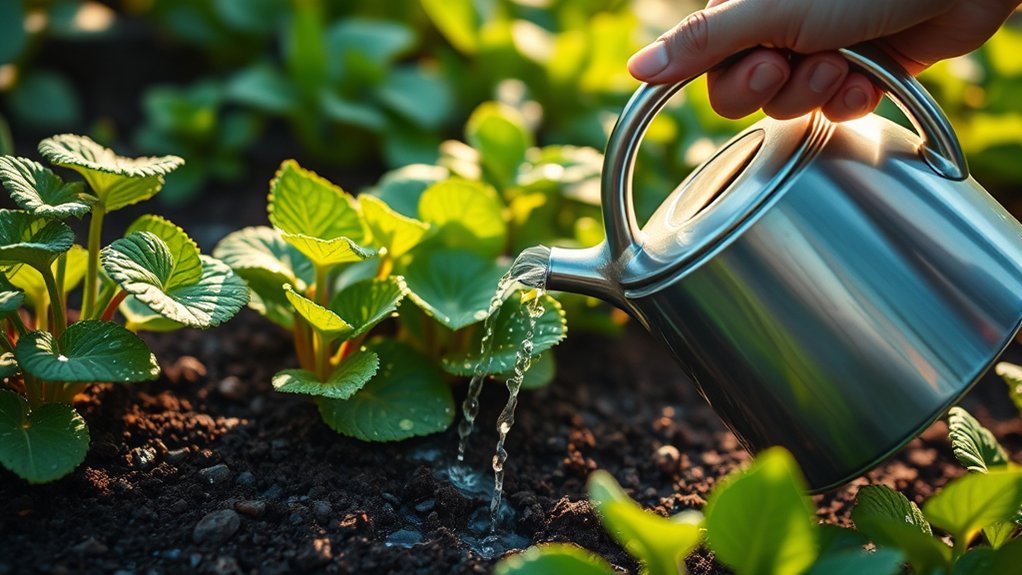
Water your plants consistently by giving them a deep soak when the soil begins to dry, rather than sprinkling them lightly every day. Check moisture by pressing a finger into the soil; if the top inch feels dry, water slowly at the base.
Your watering cadence should reflect each plant’s needs, soil type, weather, and container size. Adjust irrigation scheduling after rain or during hot, windy spells, and check beds more often when temperatures rise.
| Garden condition | Watering approach |
|---|---|
| Established plants | Soak deeply when soil dries |
| Seedlings | Check daily; keep soil lightly moist |
| Containers | Test often; water when the surface dries |
Water in the morning when you can, so plants absorb moisture before afternoon heat. Aim the flow at the soil, not the leaves, to reduce waste and limit wet foliage.
Watch for drooping, dry soil, or standing water, then adjust your routine. A simple weekly check helps you stay consistent without following a rigid calendar.
Feed Plants and Mulch Garden Beds
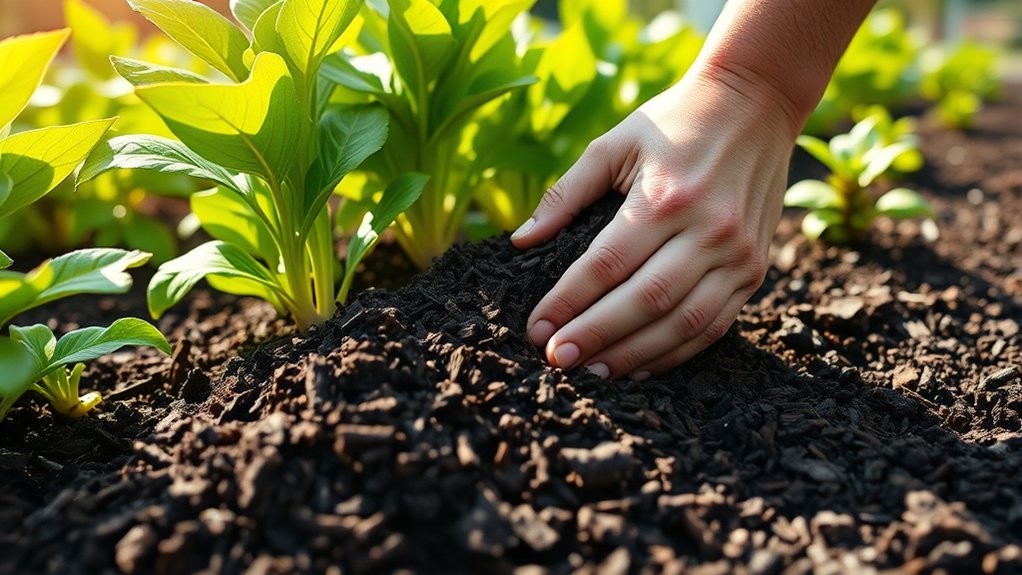
Feed plants according to their needs, using compost or a balanced fertilizer to replenish nutrients without overfeeding. Check each plant’s requirements and follow fertilizer directions, since too much can damage roots or encourage excess leafy growth.
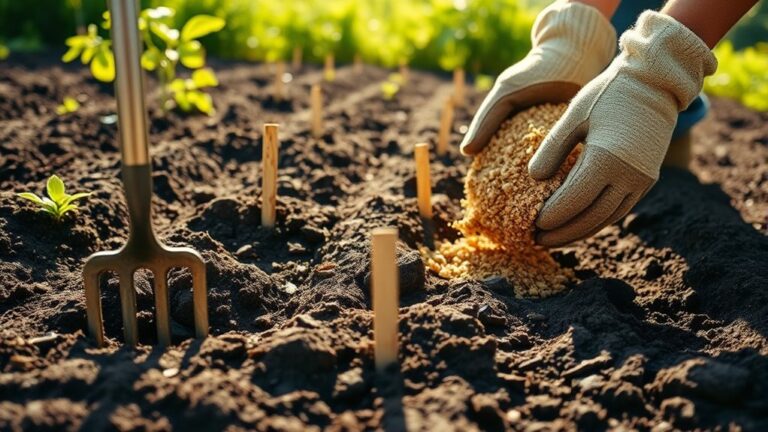
Add compost to enrich the soil gradually, or choose a balanced fertilizer when plants need a quicker nutrient boost. If you’re feeding greens, use a product suited to edible crops and observe the recommended timing and dosage.
Keep moisture in the soil and moderate temperature swings by mulching beds. Spread a layer of straw, shredded leaves, or untreated wood chips over the soil, leaving a little space around each stem.
This helps conserve water, suppresses some weed growth, and protects roots from heat and cold. Refresh mulch as it breaks down, but don’t pile it too deeply, since thick layers can limit airflow and hold excess moisture.
Match your feeding and mulching choices to your climate, soil, and plants’ growth stages for steady, healthy results.
Prune Plants and Pull Garden Weeds
Prune plants at the right time for their species, removing dead, damaged, or crowded growth with clean, sharp tools. Make clean cuts just above a bud or branch junction, and avoid removing too much at once.
Research each plant’s needs before you begin; flowering shrubs, for example, may need pruning after they bloom. These simple prune techniques help you shape growth while protecting the plant’s vigor. Wipe tools between plants to keep cuts tidy and prevent spreading residue.
Pull weeds regularly before they flower and scatter seeds. After rain or watering, loosen the soil and remove each weed by its roots, using a hand fork for stubborn taproots. Wear gloves, and take care not to disturb nearby plant roots.
For effective weed removal strategies, check beds weekly, clear small seedlings promptly, and cover exposed soil with mulch to limit new growth. Don’t compost weeds that have mature seeds; dispose of them according to local guidance.
Spot and Address Garden Pests and Disease
Regularly inspect leaves, stems, and the undersides of foliage for pests or signs of disease, such as spots, holes, sticky residue, or wilting. Early pest identification helps you act before damage spreads. Check nearby plants, too, since insects and infections can move quickly through a garden.
When you find a problem, identify its cause before treating it. Look for insects, eggs, webbing, or patterns of leaf damage. Remove affected leaves and handpick larger pests when practical.
For disease prevention, water at the soil level, give plants enough space for airflow, and clean tools between uses. Avoid working with wet foliage, which can spread some diseases.
Choose the least harmful effective treatment. Try a strong stream of water or insecticidal soap for suitable pests, following label directions carefully. Don’t use broad-spectrum pesticides that can harm pollinators and beneficial insects.
If symptoms persist, ask a local nursery or extension service for help, and monitor plants after treatment.
Frequently Asked Questions
When Is the Best Time of Year to Start a Garden?
You’ll usually get the best results by starting your garden in spring, after your area’s last expected frost. For warm-season crops, wait until the soil warms and nights stay mild; you can plant cool-season crops earlier, in late winter or early spring.
When to start planting depends on your local climate, crop, and frost dates. Check a regional planting calendar to choose Seasonal timing that suits your garden and gives each plant a strong start.
Which Plants Are Easiest for Beginner Gardeners to Grow?
You’ll find your first gardening wins in bright, forgiving plants: lettuce, radishes, bush beans, cherry tomatoes, and herbs like basil. These beginners’ crops reward your care with quick sprouts and colorful harvests, turning bare soil into a small, living feast. Choose low maintenance options suited to your climate, give them sunlight and steady water, and watch them thrive. Start with a few plants, and you’ll build confidence as each leaf unfurls.
How Should I Design a Garden for Limited Space?
Design your small garden by using every inch thoughtfully. Choose compact vertical gardening with trellises, wall planters, and hanging baskets to grow upward instead of outward.
Group pots by sunlight and water needs, and select container friendly perennials that return each year without taking much room.
Add a narrow bench or folding furniture only if you need seating. Keep pathways clear, use lightweight containers, and leave enough space to reach, water, and prune each plant comfortably.
What Tools Does a New Gardener Need?
You’ll need a hand trowel, pruning shears, gloves, a watering can or hose, and a sturdy hand fork to get started. The average American household uses about 300 gallons of water daily, so a watering can helps you control how much reaches your plants.
Add seed trays for seed starting, plus labels and a small notebook. Keep insect netting handy for pest prevention techniques, and choose durable tools that fit your hands comfortably.
How Can I Attract Pollinators to My Garden?
Attract pollinators by planting diverse, nectar-rich flowers that bloom from spring through fall. Use native plant selection to offer bees, butterflies, and hummingbirds familiar food sources suited to your region.
Create pollinator habitats with sunny, sheltered spots, shallow water, and bare soil or hollow stems for nesting. Avoid pesticides, especially when flowers bloom, and let some plants go to seed.
Group blossoms together so pollinators can find them easily and keep returning.
Conclusion
With a little regular care, your garden can thrive without demanding all your free time. Check its sunlight and soil, water consistently, feed plants, and keep beds mulched.
Prune and weed as needed, and watch for pests or disease before they invite themselves to stay. Think of these small tasks as gentle nudges toward a healthier garden—not chores with muddy boots.
Start with one simple step today, and you’ll soon enjoy a greener, more welcoming outdoor space. These essential tips to take care of a garden can help you get started.