How to Make a Cottage Garden in 10 Simple Steps
Creating a cottage garden can feel overwhelming when you’re not sure where to begin or how to make everything bloom together. You’re not alone—many gardeners want a welcoming, colorful space but struggle to plan one that suits their yard and climate.
To make a cottage garden in 10 simple steps, choose a sunny, sheltered spot with good drainage; sketch paths and planting beds; test and improve the soil with compost; select climate-suited flowers, herbs, and foliage; arrange plants by height and bloom time; repeat colors and textures; water and mulch new plants; add paths, supports, and personal touches; prune and deadhead regularly; and protect plants through each season. Keep exploring these steps to shape a garden that feels welcoming and blooms beautifully.
Key Takeaways
- Choose a sunny, sheltered spot with well-drained soil and convenient access to water.
- Sketch paths, entrances, seating, and planting areas, leaving routes wide enough for a wheelbarrow.
- Test and improve the soil with compost or other suitable amendments; raise beds where water collects.
- Select climate-suited plants for different seasons, then layer heights and group flowers, herbs, and foliage.
- Repeat colors and textures, add fragrant plants and climbing supports, and maintain blooms with regular pruning and deadheading.
Choose the Right Spot for Your Cottage Garden
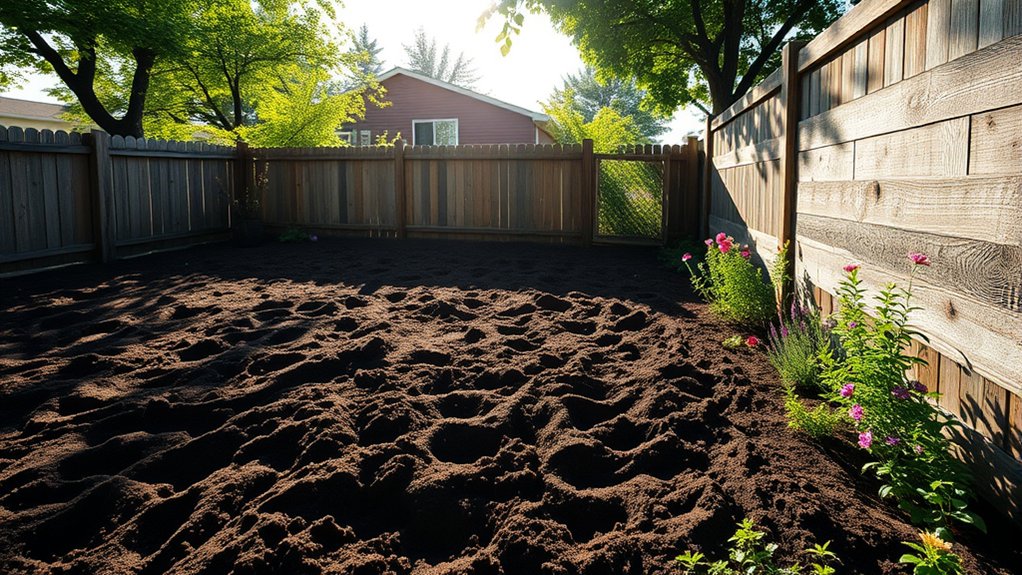
Where should you place your cottage garden? Choose a spot that suits the plants you want to grow and feels easy to reach. A location near your home lets you enjoy the flowers and tend them without a long walk.
Check sun exposure throughout the day before you commit. Most flowering plants need at least six hours of direct sunlight, while some prefer partial shade. Watch how nearby trees, fences, and buildings cast shadows, especially in the afternoon.
If the area gets strong winds, choose a more sheltered site or protect delicate plants with a hedge or fence. Assess drainage after rain. Water should soak in rather than pool for hours; persistently soggy ground can harm roots.
You can improve the soil later, but severe drainage problems may call for another location. Consider soil testing to learn your soil’s pH and nutrient levels. Also check access to a water source, so regular watering won’t become a chore. Avoid spots beneath trees with thirsty, competitive roots.
Plan Your Cottage Garden Layout
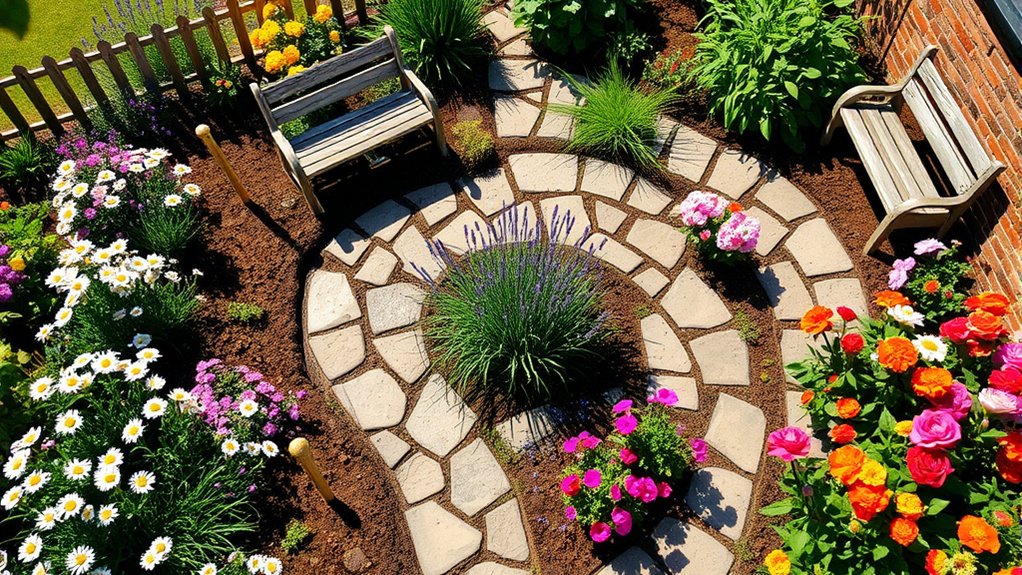
Once you’ve chosen a suitable spot, sketch a simple layout before planting. Your planning layout should make the garden feel welcoming, abundant, and easy to explore. Mark paths, seating, focal points, and the approximate size of each planting area. Keep routes wide enough to wander comfortably, and place a bench where you can pause and enjoy the view.
> Sketch paths, seating, focal points, and planting areas to create a welcoming garden that’s easy to explore.
- Curve a path to create a gentle sense of discovery.
- Frame an entrance with flowers for a warm welcome.
- Group taller plants behind shorter ones so every bloom shines.
- Repeat favorite colors to build color harmony across the garden.
- Leave a small open space where you can sit, dream, and listen.
Think about how the garden will look from your windows and from its entrance. Arrange plants in loose, layered groups rather than rigid rows, and repeat shapes or colors to connect separate areas. Your sketch doesn’t need exact measurements; it simply helps you see how each feature will fit together before you begin planting.
Improve the Soil Before Planting
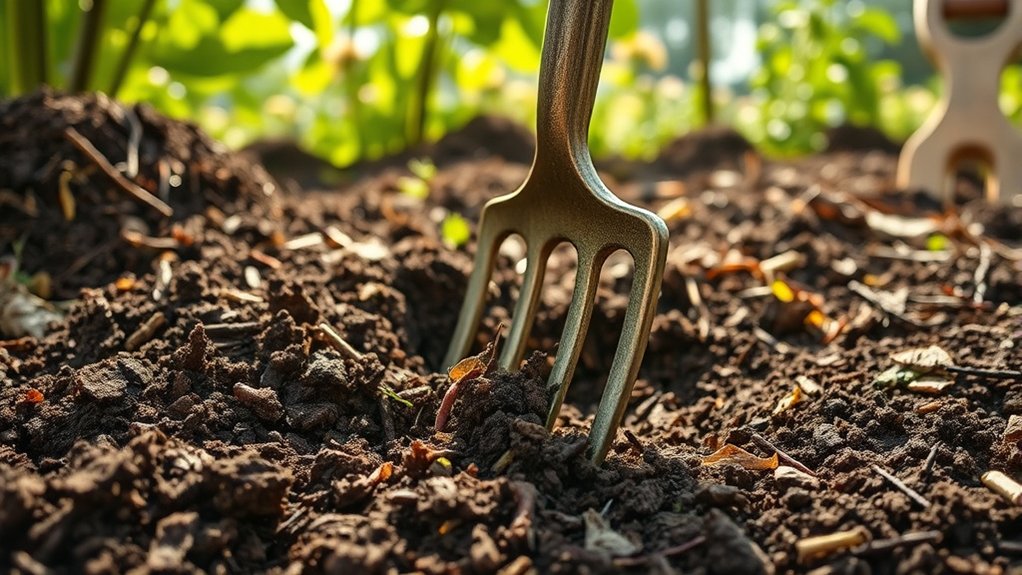
Before planting, test your garden soil to find out what it needs. Then add organic matter to enrich the soil and support healthy plant growth. You can also improve drainage and soil structure, giving roots room to thrive.
Test Your Garden Soil
Healthy cottage-garden plants start with soil that suits their needs. Before planting, use soil testing to discover what lies beneath the surface. A simple kit can reveal your pH balance and key nutrient levels, helping you choose plants that will thrive rather than struggle. For a clearer picture, send a sample to your local extension service and follow its collection instructions.
- Check whether your soil is acidic, neutral, or alkaline.
- Learn if essential nutrients fall below recommended levels.
- Notice signs of compaction or poor drainage after rain.
- Match your findings to the flowers and vegetables you love.
- Keep the results as a guide for future planting decisions.
With this knowledge, you can make thoughtful changes before roots settle in. Your garden’s first season will feel less like guesswork and more like a hopeful beginning.
Add Organic Matter
How can you give your garden soil a better start? Add organic matter before planting to feed soil life and support healthy growth.
Use your soil testing results to choose suitable amendments; a test may reveal whether you need compost or another source of nutrients. Spread a layer of finished compost over the bed, then gently mix it into the top few inches of soil.
You can also add well-rotted manure, leaf mold, or chopped leaves, making sure each material is safe and fully decomposed. Follow reliable composting tips if you make your own: balance green and brown ingredients, keep the pile moist, and let it mature before use.
Add modest amounts, since too much manure or compost can upset nutrient levels. Work amendments in well ahead of planting, then let the bed rest.
Improve Drainage and Structure
Good soil needs more than nutrients; it also needs to drain well and hold enough air for roots to grow. Before planting, check how water moves through your garden. If puddles linger, improve drainage by loosening compacted soil and blending in compost or leaf mold. For heavy clay, add coarse grit sparingly and work it through the planting area. If the ground dries too quickly, mix in organic matter to help it retain moisture. These drainage improvements create structural foundations that let roots spread and plants flourish.
- Dig a small test hole and fill it with water.
- Watch for standing water after rain.
- Loosen hard, compacted patches with a fork.
- Raise beds where water collects.
- Feel proud as your plants settle into healthier soil.
Choose Plants for Your Climate and Conditions
Choose plants that suit your local climate and the conditions in your garden. When choosing a climate, check your region’s plant hardiness zone to find flowers and herbs that can survive your winters. Then assess your soil type, sunlight, and typical rainfall patterns. These details help you pick plants that thrive without constant watering or special care.
| Garden condition | What to look for |
|---|---|
| Climate | Plants rated for your hardiness zone |
| Soil type | Species suited to your soil’s texture and drainage |
| Sunlight | Varieties that match your garden’s daily light |
| Rainfall | Drought-tolerant or moisture-loving plants |
Read plant labels and local nursery advice before you buy. If your garden gets little rain, choose resilient options such as lavender, yarrow, or sedum. For damp spots, consider astilbe or bee balm. You can also ask nearby gardeners which varieties handle local weather well. Start with a few reliable choices, and you’ll build a healthy cottage garden suited to your conditions.
Arrange Plants by Height and Bloom Time
Arrange taller plants toward the back of beds and shorter ones near the front so every layer gets sunlight and remains visible. This simple height sequencing keeps your cottage garden open, balanced, and easy to admire. Before planting, sketch each bed and note mature heights, so you won’t hide delicate blooms behind towering stems.
Next, plan for seasonal succession by checking each plant’s bloom time. Choose varieties that flower in spring, summer, and fall, giving you color as one display fades and another begins. You’ll enjoy a garden that feels alive for months, not just a few weeks.
- Let early bulbs greet you after winter’s gray days.
- Add summer flowers for a bright, generous welcome.
- Save space for late blooms that carry you into fall.
- Place tall stems where they won’t shade shorter neighbors.
- Leave sightlines open to savor every changing color.
As you arrange plants, consider how sunlight shifts through the day. Adjust positions before planting; thoughtful planning makes each season’s display clearer and more rewarding.
Plant Flowers, Herbs, and Foliage in Groups
Group flowers by color to create vivid, cohesive patches. Then mix herbs among the blooms to add fragrance and attract pollinators. Finally, layer foliage with varied shapes and textures to create depth.
Group Flowers by Color
A cottage garden feels more cohesive when flowers, herbs, and foliage grow in generous color groups. Choose a palette that suits your mood, then repeat its shades across beds to create colorful borders with a welcoming rhythm. You don’t need strict symmetry; let each cluster feel relaxed and abundant.
- Plant soft pinks and whites for a tender, romantic glow.
- Gather sunny yellows and oranges to brighten quiet corners.
- Repeat deep purples and blues for a calm, dreamy mood.
- Use silver foliage to soften vivid blooms and add contrast.
- Echo one favorite shade near paths to draw you onward.
Keep each color group large enough to read from a distance, and vary flower heights for a natural look. Add scent emphasis near seating areas, where fragrance can make your palette feel even more inviting. You’ll create a garden that feels personal, lively, and memorable.
Mix Herbs and Blooms
Mixing herbs, flowers, and foliage gives cottage-garden beds a fuller, more natural feel. Group compatible plants in small clusters, then repeat those groupings across your beds to create a relaxed rhythm. Tuck thyme beside low-growing blooms, or place chives near daisies so you can harvest herbs while enjoying color. Add foliage plants among flowers to fill gaps and keep the planting lively between bloom cycles.
Think about mixing aromas as well as colors: fragrant lavender, rosemary, and scented flowers can make paths and seating areas more inviting. When pairing textures, combine soft leaves with sturdy stems and fine, airy flowers with broader foliage. Check each plant’s sunlight, soil, and water needs before grouping it with others. Give herbs enough room to grow, and you’ll keep the garden abundant without crowding plants or making harvesting difficult.
Layer Foliage for Texture
As you layer foliage through your cottage garden, varied leaf shapes and heights add texture even when flowers aren’t blooming. Group plants in generous drifts so each one feels at home while contributing to a lively whole.
Place taller flowers and herbs behind low-growing foliage, then repeat colors and leaf forms to guide your eye through the beds. Aim for texture contrast: pair soft, feathery leaves with broad, glossy ones and delicate blooms with sturdy stems.
- Nestle thyme beside rounded nasturtium leaves for a cheerful, fragrant edge.
- Set airy dill among bold hostas to create a soothing contrast.
- Gather lavender in small groups for calming color and scent.
- Repeat silver foliage to brighten shaded corners.
- Let trailing greenery soften paths and invite you closer.
Your thoughtful groupings will make the garden feel abundant, welcoming, and beautiful through every season.
Water and Mulch to Help Plants Settle In
After planting, water each plant deeply to settle the soil around its roots and help it establish. Then check moisture regularly; your new plants need consistently damp, not soggy, soil while roots spread. Water at the base in the morning to reduce evaporation and keep leaves dry.
| Task | What to do |
|---|---|
| Check soil | Feel the top inch; water if it’s dry. |
| Water wisely | Soak the root zone, not the foliage. |
| Add mulch | Spread a two-inch layer around plants. |
Choose shredded bark, leaf mold, or compost to enjoy mulch benefits: steadier moisture, fewer weeds, and cooler soil. Keep mulch a few inches from stems and crowns to prevent rot. Refresh it as it thins, but don’t pile it against plant bases.
In hot, dry spells, water more often; after rain, check before watering again. Even if your cottage garden includes water features, nearby plants still need soil moisture checks. Adjust your routine to rainfall and soil type, and your plants will settle in with less stress.
Add Garden Paths, Supports, and Personal Touches
Now that your plants are settling in, add paths and supports to make the garden easier to navigate and maintain. Choose a path design that suits your space, from stepping stones winding between beds to a simple gravel walkway. Keep routes wide enough for a wheelbarrow, and leave room to reach each planting area.
Add welcoming paths and sturdy supports to make your garden easier to navigate, maintain, and enjoy.
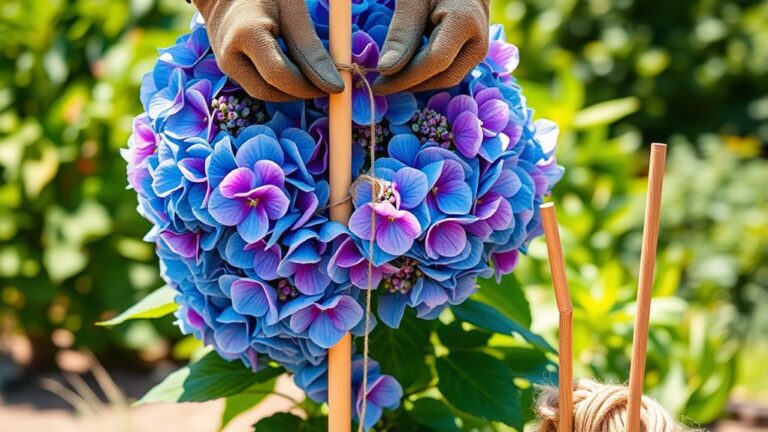
Add sturdy supports before climbing plants grow too large. Set them firmly in the soil, then guide stems gently as they reach upward. Use materials that blend with your garden’s relaxed character.
- Place an old brick or stone where you can pause and enjoy the view.
- Train sweet peas up a rustic willow obelisk for a charming focal point.
- Edge a path with salvaged bricks to give it a sense of history.
- Hang a small bell where a breeze can bring a soft, welcoming sound.
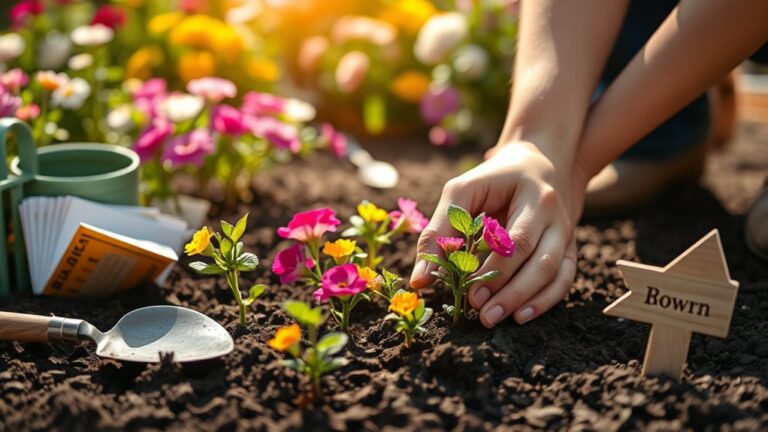
- Add personal touches, such as a painted pot or handmade sign, to make the space feel truly yours.
These details bring comfort, structure, and a little magic to your garden.
Prune and Deadhead for More Flowers
Regular pruning and deadheading keep your cottage garden tidy and encourage many plants to produce more blooms. Set a pruning rhythm that suits each plant rather than trimming everything at once. Pinch back young stems of bushy flowers to encourage branching, and cut leggy growth just above a healthy leaf or bud. Use clean, sharp shears, and avoid removing more than a third of a plant at one time.
Pay attention to deadhead timing: snip off faded flowers before they form seed, unless you want to collect seed or let a plant self-sow. Follow each spent bloom down to the first set of healthy leaves, then make a neat cut. For plants with clusters, remove individual faded flowers or trim the whole cluster when most blooms have finished.
Check your borders regularly, since a quick pass every few days can keep flowers coming and prevent untidy seed heads. Leave attractive seedheads when they add texture or feed birds.
Protect Your Cottage Garden Through Each Season
As you prune and deadhead, keep an eye on changing weather so your garden stays healthy through the year. Thoughtful seasonal protection helps your cottage flowers, herbs, and shrubs weather each turn of the calendar. Adjust your care as temperatures shift, and you’ll give every plant a better chance to thrive.
- In spring, remove winter-damaged growth and cover tender seedlings when frost threatens.
- In summer, water deeply during dry spells and add shade for heat-sensitive blooms.
- In autumn, gather fallen leaves, clear diseased foliage, and protect young roots.
- In winter, wrap vulnerable shrubs and move pots beside sheltered walls.
- Use mulch strategies that suit each season: refresh organic mulch in spring, then add a thicker layer before hard freezes.
Check forecasts often, but don’t overreact to brief changes. A breathable frost cloth, a well-placed stake, or a few minutes of watering can prevent heartbreak. Keep a simple garden calendar, too, so you’ll remember what worked and prepare confidently for the next season.
Frequently Asked Questions
How Can I Attract More Bees and Butterflies to My Cottage Garden?
Attract more Bees and butterflies by planting nectar-rich flowers in clusters, choosing native varieties, and ensuring blooms appear from spring through fall. Add herbs such as lavender, thyme, and mint, and provide shallow water with stones for safe landing.
Leave a few bare soil patches for nesting bees and shelter through winter. Use Pesticide free methods, such as hand-picking pests, so you won’t harm pollinators visiting your garden.
Can I Grow a Cottage Garden in Containers or on a Balcony?
Yes—you can grow a cottage garden in containers or on a balcony; think of each pot as a tiny patch of countryside. With container gardening, choose roomy pots with drainage holes and fill them with quality potting mix.
For balcony planting, check how much sunlight and wind your space gets, then select suitable flowers, herbs, and compact shrubs. Group plants at different heights, water regularly, and deadhead blooms to keep your garden thriving.
How Do I Prevent Pests Without Using Harsh Chemicals?
You can prevent pests with steady observation and simple pest prevention habits. Check leaves often, then remove eggs, damaged foliage, or insects by hand. Invite helpful predators with native flowers, and use row covers to protect vulnerable plants.
Water at the soil level and give plants enough space to improve airflow. Try chemical free approaches such as insecticidal soap only when needed, following its label. Rotate crops and clear plant debris to reduce hiding places.
What Tools Are Essential for Maintaining a Cottage Garden?
You’ll need a small army of tools to keep your cottage garden thriving: a hand trowel, sturdy gloves, sharp pruners, a watering can or hose, and a hoe for weeding. Choose a spade for planting and turning soil, plus a rake for tidying beds. Essential pruning calls for clean, sharp shears. Add a soil-testing kit so you can check pH and nutrients, then amend the soil to suit your plants.
How Can I Create a Cottage Garden on a Tight Budget?
You can create a cottage garden on a tight budget by starting small, using what you already have, and choosing plants that thrive locally. For budget friendly design, reuse containers, edging, and salvaged materials, then build paths with inexpensive mulch.
Practice budgeting plant selection by growing flowers from seed, swapping divisions with neighbors, and prioritizing hardy perennials. Add plants gradually, collect rainwater, and make your own compost to cut costs while your garden grows.
Conclusion
A cottage garden doesn’t need to be perfect to feel magical. Start with a suitable spot, healthy soil, and plants that thrive in your climate. Arrange flowers for height and staggered blooms, then add paths and personal touches that make the space yours.
Water, mulch, prune, and protect your plants as the seasons change. Most of all, give your garden time to grow. With patience and care, your cottage garden will bloom like a joyful welcome home.