How Do You Garden in 7 Simple Steps
Starting a garden can feel overwhelming when you’re unsure what to plant, where to begin, or how to keep everything alive. You’re not alone—many people struggle to turn a patch of soil or a few pots into a thriving garden. These seven simple steps make it easier to learn how to garden and get growing with confidence.
To garden in seven simple steps, pick a spot with suitable sunlight and easy access to water. Choose plants that fit your space, season, and local frost dates. Gather viable seeds, suitable soil, and a few basic tools.
Prepare a bed or pots with drainage, then plant seeds or seedlings at the right depth and spacing. Water deeply, feed as directed, and adjust care to conditions.
Weed, check for pests, and harvest crops when they’re ready. Keep going for practical tips at each step.
Key Takeaways
- Choose a sunny, accessible site with suitable space, good drainage, and enough time for regular care.
- Match plants to your sunlight, space, local season, and frost conditions.
- Gather viable seeds, suitable soil or potting mix, basic tools, and labels.
- Prepare beds or containers with drainage, loosened soil, and compost; plant gently at recommended depths and spacing.
- Water according to soil moisture, feed as directed, remove weeds, check for pests, and harvest at the right size.
Pick a Spot With the Right Amount of Sun
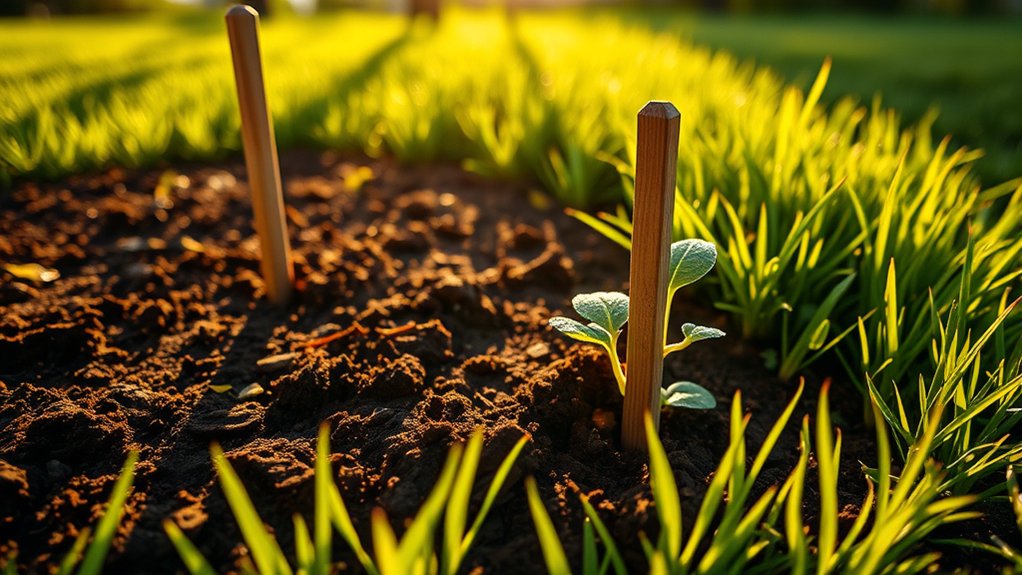
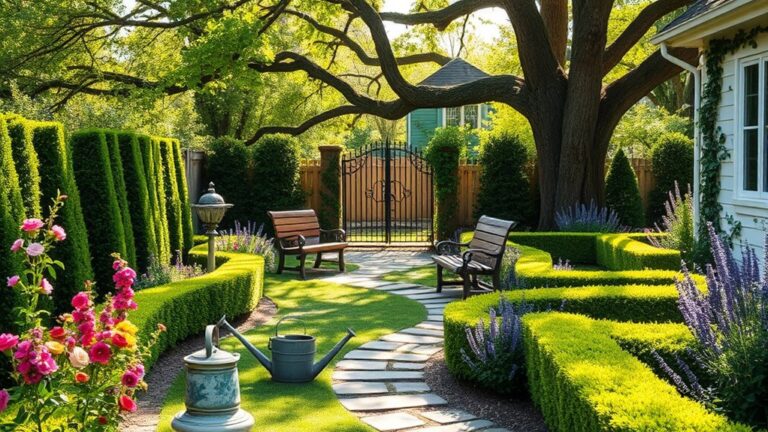
Before you plant, watch how sunlight moves across your yard. Check the area in the morning, midday, and late afternoon, noting where buildings, fences, and trees cast shadows. This simple survey helps you understand the light your garden spot actually receives, rather than guessing from one quick glance.
Track sunlight in the morning, midday, and late afternoon to see how shadows shape your garden’s light.
Choose a location that gets the amount of sun you need, and consider spot accessibility, too. You’ll want to reach it easily with a hose, tools, and a harvest basket. Avoid places where water collects after rain, since soggy ground can make routine care harder.
If your best-lit area has poor soil, you can improve it later with suitable organic matter. Learning compost science can help you use compost effectively without overwhelming the soil. Also look for protection from strong winds and avoid placing a bed where tree roots may compete for moisture.
Mark your chosen area, then observe it again on a different day. A little careful checking now can save you effort later.
Choose Plants That Suit Your Space and Season
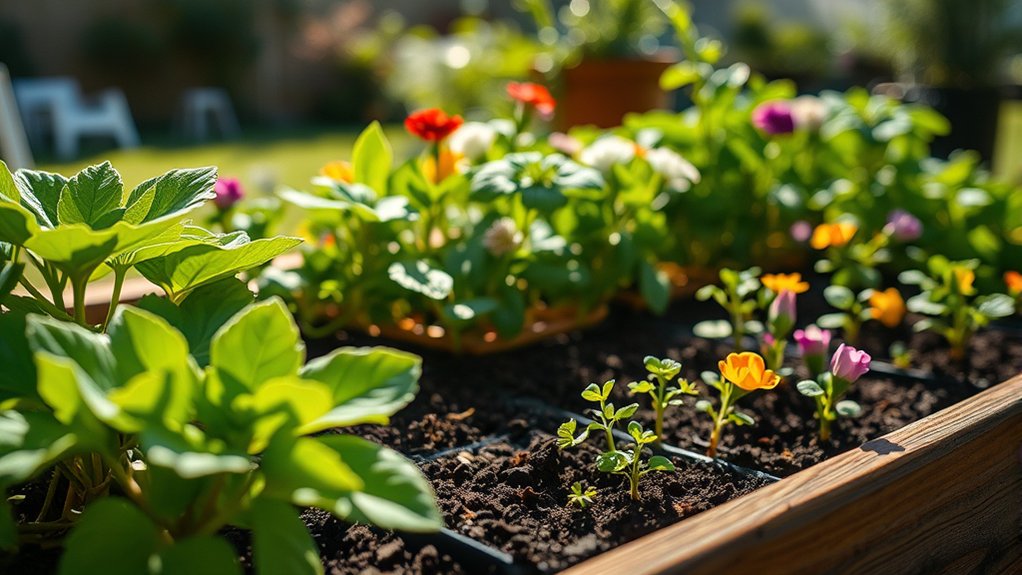
Take a look at how much space you have, along with your soil and growing conditions. Then choose plants that fit your space and thrive in the current season. That way, you’ll give your garden a better chance to grow healthy and strong.
Assess Your Space
Start by noting how much sunlight your garden gets, how much room you have, and what your local season allows. Observe your space at different times of day to see where light falls and how long it lasts. Check for shade from buildings, fences, or trees, and notice spots exposed to wind or standing water.
Measure beds, containers, and paths so you know what can fit without crowding. Consider whether you’ll grow in the ground, raised beds, or pots, and make sure you can reach each area to water and maintain it. These details support space optimization and help you choose plants that fit your setup.
Include timing considerations by noting when you can tend your garden and how much time you can give it each week. Then record your findings before selecting plants.
Match Plants to Season
Choose plants that fit both your growing space and the season. After assessing your space, check how much sunlight it gets and how large each plant will grow. A sunny balcony may suit tomatoes in pots, while a shady bed may favor leafy greens.
Then match your choices to your local planting calendar. Cool-season crops, such as peas and spinach, thrive in spring or fall; heat-loving peppers and squash need warmer weather. Check each plant’s frost tolerance before planting, and protect tender seedlings from late cold snaps.
You can also use seasonal companion planting to pair crops that grow well together, such as basil and tomatoes. Read seed packets or local gardening guides for planting dates, spacing, and care needs. Choose a manageable mix so you can tend every plant well.
Get Seeds, Soil, and a Few Gardening Tools
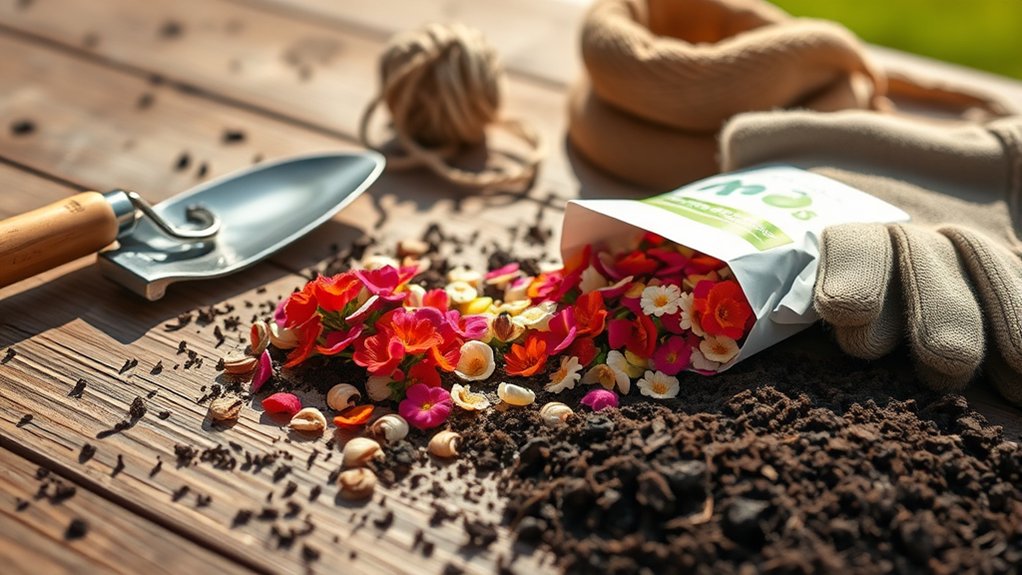
Gather a few basic supplies before you plant: seeds suited to your climate and space, quality potting mix or garden soil, and simple tools such as a trowel, gloves, and a watering can. Choose dependable varieties, and check each packet’s instructions for planting depth, spacing, and timing.
- Check your seeds. Look at the packet date and storage history to judge seed viability. If you’re unsure, test a few seeds on a damp paper towel before relying on the whole packet.
- Choose your soil. Use a fresh, lightweight potting mix for containers or suitable garden soil for outdoor growing. Soil testing can reveal pH and nutrient levels, helping you select the right amendments later.
- Gather useful tools. A hand trowel, sturdy gloves, and a watering can cover most beginner tasks. Pick comfortable tools that fit your hands.
- Buy only what you need. Start with a small seed selection and enough soil for your planned garden. You can add supplies as your experience grows. Keep labels handy to identify varieties and track planting details.
Prepare Garden Beds or Choose the Right Pots
Choose a sunny spot where your plants will get plenty of light. Before planting, loosen the soil in your garden bed and clear away any weeds. If you’re using containers instead, choose pots with enough room for your plants to grow and good drainage.
Choose a Sunny Location
Where your garden grows matters as much as what you plant. Choose a spot that gets enough direct sun for the vegetables, herbs, or flowers you want to grow. Check each plant’s sunlight requirements before deciding, since some thrive in full sun while others prefer partial shade.
Watch your yard throughout the day; buildings and trees can cast shadows that shift with the seasons. Use these steps to compare possible locations:
- Track sunlight in the morning, midday, and afternoon.
- Pick a spot with the right exposure for your chosen plants.
- Consider how nearby trees may shade the area as they leaf out.
- Compare garden bed layouts with the sun’s path so taller plants won’t shade shorter ones.
A sunny, well-chosen location gives your plants a stronger start and helps you make the most of your growing space.
Prepare Garden Beds
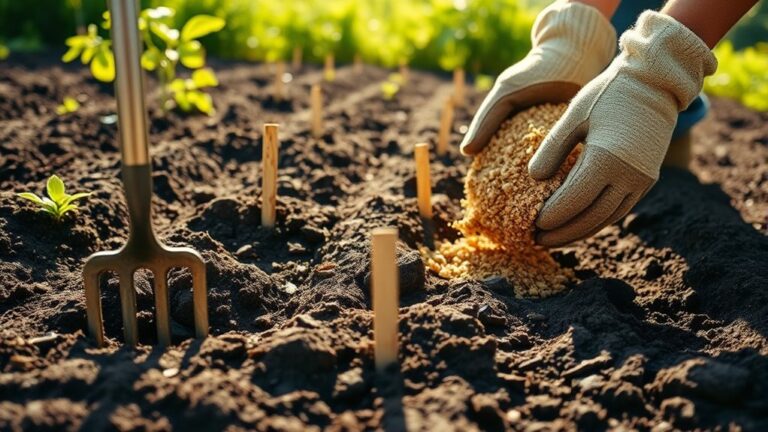
Once you’ve picked a sunny spot, prepare the growing space by loosening the soil and removing weeds, rocks, and debris. Check your soil structure: compacted ground can restrict roots, while loose, crumbly soil lets water and air move freely.
Mix in finished compost to improve fertility and drainage, then level the bed without packing it down. A simple soil test can guide amendments and help you avoid adding nutrients you don’t need. Match your preparation to your seed selection and each plant’s needs.
| Bed check | What to do | Why it helps |
|---|---|---|
| Compaction | Loosen soil | Supports roots |
| Low fertility | Add compost | Builds nutrients |
Water the bed lightly after preparation, then let it settle before sowing. Keep pathways clear so you can tend plants without stepping on growing soil.
Select Suitable Pots
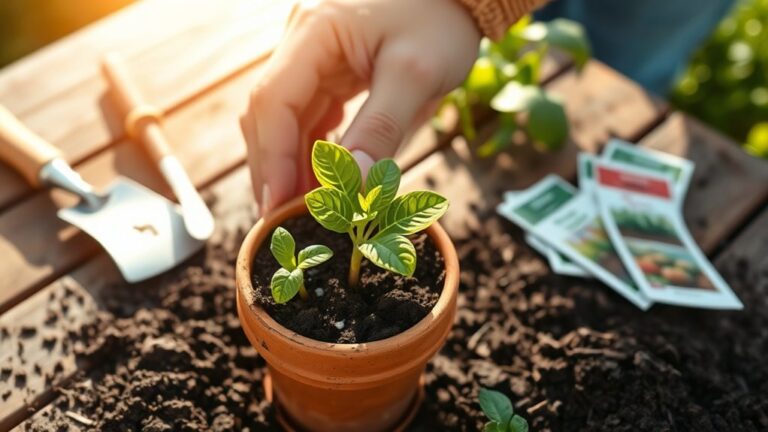
For container gardening, select pots that give each plant enough room for its roots and have drainage holes to prevent waterlogged soil. Match each container to the plant’s mature size and growing needs. These four checks will help you choose wisely:
- Consider root depth considerations: use deep pots for tomatoes and carrots, and shallow ones for herbs and lettuce.
- Choose sturdy materials that suit your climate. Terracotta dries quickly, while plastic retains moisture.
- Check that each pot has drainage holes, and place a saucer beneath it to protect surfaces.
- Plan pollination strategies: group flowering plants to attract bees, or hand-pollinate crops if pollinators are scarce.
You’ll also want containers you can move easily to follow sunlight, shelter plants from harsh weather, and keep watering manageable throughout the growing season.
Plant Seeds or Seedlings at the Right Depth
Planting at the right depth gives seeds the conditions they need to sprout and helps seedlings establish strong roots. Check each seed packet for its recommended seed depth; tiny seeds often need light to germinate, while larger ones can go deeper. If instructions aren’t available, plant a seed about twice as deep as it’s wide. Press soil gently over it without packing it down.
| Plant type | Planting depth | Placement tip |
|---|---|---|
| Tiny seeds | Surface or barely covered | Sprinkle lightly |
| Medium seeds | About twice their width | Cover with loose soil |
| Seedlings | Same level as root ball | Keep stems above soil |
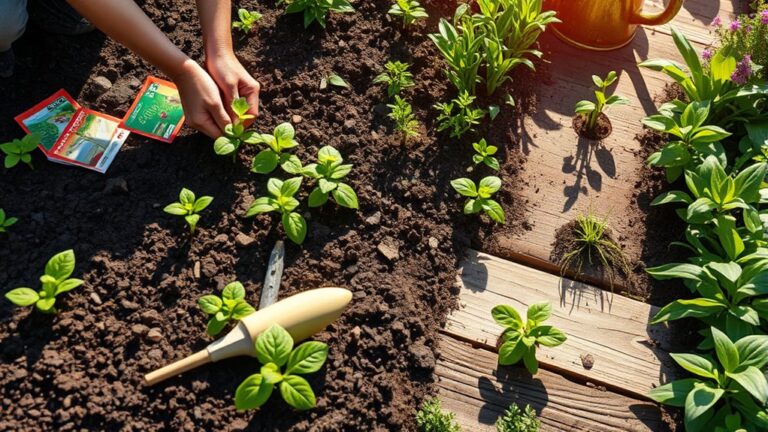
For seedlings, make a hole large enough to hold the roots without bending them. Set each plant at the same depth it grew in its pot, then firm the soil around its base. Follow spacing guidance on labels to give plants room to mature; proper seedling spacing also improves airflow and access to light. Handle stems gently, and lift seedlings by their leaves or root ball rather than pulling on delicate stems.
Water and Feed Your Garden as It Grows
As your garden grows, water deeply enough to reach the roots, then let the soil’s surface begin to dry before watering again. A steady water schedule helps you avoid both parched plants and soggy soil.
Check moisture with a finger, and adjust for rain, heat, and container size. Morning watering gives leaves time to dry and helps reduce water loss.
- Check the soil: Feel an inch below the surface before you water; don’t rely on a fixed routine alone.
- Water slowly: Direct water to the soil around each plant so roots can absorb it.
- Feed thoughtfully: Follow the fertilizer label, since too much can damage roots or encourage weak growth.
- Choose fertilizer timing: Apply nutrients when plants need them, such as during active growth, and avoid feeding dry soil.
Keep notes on watering and feeding so you can refine your routine as conditions change. Your plants’ growth and the soil’s moisture will guide your next adjustment.
Weed, Watch for Pests, and Harvest Your Plants
Keep your garden healthy by pulling weeds while they’re small and checking leaves regularly for pests or damage. Consistent weed management prevents unwanted plants from stealing water, nutrients, and sunlight from your crops.
Pull weeds early and inspect leaves often to protect your crops from competition, pests, and damage.
Use your hands or a small hoe to remove weeds, taking care not to disturb nearby roots. Add mulch around plants to block new growth and help the soil retain moisture.
Make pest monitoring part of your routine. Look under leaves for eggs, holes, or discoloration, and check stems for insects. If you spot a problem, identify the pest before choosing a response.
Handpick larger insects, remove damaged leaves, or use a suitable treatment according to its label. Encourage beneficial insects by growing flowers near your vegetables.
Harvest each crop when it reaches the size, color, or firmness listed on its seed packet. Use clean scissors or a knife to avoid damaging plants.
Pick ripe produce promptly; regular harvesting can encourage some plants to keep producing. Wash your harvest before eating, and enjoy the results of your care.
Frequently Asked Questions
How Can I Start a Garden on a Tight Budget?
Start small by choosing a sunny spot, then grow easy crops from inexpensive seeds or frugal seedlings shared by neighbors. Reuse containers, compost kitchen scraps, and make budget friendly beds with reclaimed wood or soil mounds.
Check local gardening groups for free supplies, and water deeply to reduce waste. Plant what you enjoy eating, space crops carefully, and add more only when you’re ready. You don’t need costly tools to begin.
Can I Garden Successfully Without a Backyard?
Yes, you can garden successfully without a backyard. Try indoor gardening near a sunny window, or grow balcony vegetables in pots, railing planters, or grow bags. Choose compact crops like lettuce, herbs, cherry tomatoes, and peppers, and match plants to your available light.
Use containers with drainage holes, water when the soil feels dry, and feed plants as directed. Even a small space can provide fresh, homegrown food with consistent care.
What Are the Benefits of Composting at Home?
Composting at home reduces household waste, enriches your soil, and helps your plants thrive. When you turn kitchen scraps and yard waste into compost, you return valuable composting nutrients to the earth instead of sending organic material to a landfill.
You’ll also improve soil structure, help it retain moisture, and reduce your need for chemical fertilizers. Even a small bin can make a difference, whether you garden in a backyard, on a balcony, or indoors.
How Can I Make Gardening Accessible for Children?
You can make gardening accessible for children by giving them small, manageable tasks and tools sized for their hands. Choose child friendly plants, such as sunflowers, peas, or cherry tomatoes, that grow quickly and invite curiosity.
Set up raised beds or containers so kids can reach comfortably, and let them choose what to grow. Teach simple safety habits, celebrate each success, and invite simple garden mentors to guide children as they investigate.
When Is the Best Time to Start a Garden Journal?
Start your garden journal before you plant, while your seeds still think they’re on vacation. Choose a start date when you begin planning, sowing, or observing your garden; there’s no need to wait for a ceremonial trowel unveiling. Set a journaling frequency you can maintain, such as weekly notes or quick entries after watering. Record weather, planting dates, growth, and surprises, so you’ll have useful clues for next season—and fewer arguments with your memory.
Conclusion
Gardening doesn’t have to be complicated. Choose a sunny spot, pick plants suited to your space, and gather a few basic supplies. Prepare your beds or pots, plant at the right depth, and water as your garden grows.
Keep weeds and pests from getting too comfortable, then enjoy the harvest. If a plant doesn’t thrive, consider it a gentle hint to try something different next time.
With a little care and patience, you’ll soon have a garden you’re proud to call your own. These simple steps show you how to garden and enjoy growing plants at home.