How to Make a Garden in 10 Easy Steps
Starting a garden can feel overwhelming when you’re unsure where to begin or worried your plants won’t thrive. You’re not alone—many people struggle to turn a patch of soil or a few containers into a flourishing garden. This guide to how to make a garden in 10 easy steps will help you get started with confidence.
To make a garden in 10 easy steps, choose a spot with at least six hours of sun and good drainage. Pick plants suited to your climate, space, and experience, then select a garden bed or containers.
Gather basic tools and prepare the soil with compost. Plant after frost danger passes, spacing crops for mature growth.
Water deeply, mulch, and feed as needed. Check often for pests, weeds, and disease, then harvest ripe produce and prune carefully.
Keep these steps in mind as you build a routine that helps your garden thrive.
Key Takeaways
- Choose a sunny, well-drained spot, checking how sunlight and shade shift throughout the day.
- Select a garden bed or containers, ensuring enough space, suitable soil, drainage, and easy access.
- Pick a manageable mix of plants suited to your climate, sunlight, space, and watering needs.
- Prepare the soil with compost, gather basic tools, and plant at the right time for your local frost dates.
- Water deeply, add mulch, inspect for pests, and harvest ripe produce while pruning as needed.
Choose a Sunny Spot for Your Garden

Choose a spot that gets at least six hours of direct sunlight a day. Watch your yard at different times to see how sunlight moves and where shadows fall.
Choose a sunny spot with at least six hours of direct light, and watch how shadows shift throughout the day.
A sunny spot helps your garden thrive, so check nearby trees, fences, and buildings that might block the light. If you’re gardening on a balcony or patio, note how shade shifts across the space.
Next, check the ground after rain. Does water drain away, or does it collect in puddles? Good soil drainage keeps roots from sitting in excess water.
If the area stays soggy, look for a higher spot or consider a raised bed. Avoid locations where runoff from roofs or paved surfaces gathers, since too much water can damage the ground and wash away soil.
Also consider access. Choose a place you can reach easily with a hose or watering can, and leave enough room to move around comfortably.
A convenient, well-lit location makes routine garden care simpler and more enjoyable.
Decide What to Grow
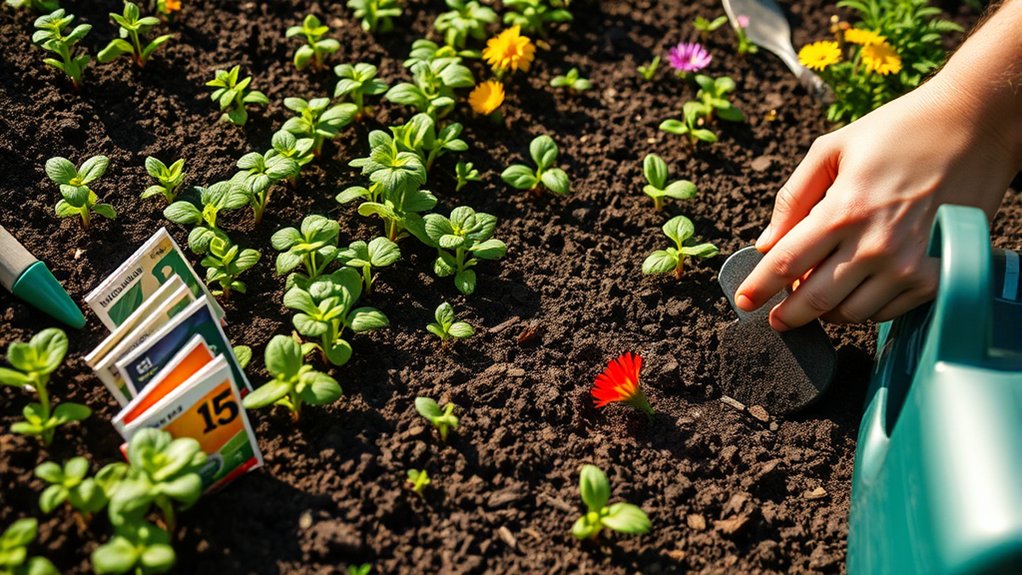
Choose plants you enjoy eating or growing, and make sure they suit your garden’s conditions. Think about how much sunlight, space, and water each one needs. When your choices match both your preferences and your growing conditions, you’re more likely to succeed.
Choose Suitable Plants
What you grow depends on your climate, available sunlight, and how much time you can spend caring for plants. Choose crops you enjoy eating or flowers you’d like to see, then match them to your experience and goals.
Check seed variety labels for harvest times and mature size, and consider plant compatibility when combining crops. A short list helps you focus rather than buying more than you can manage.
| Plant | Benefit | Care level |
|---|---|---|
| Lettuce | Quick harvest | Easy |
| Tomatoes | Fresh fruit | Moderate |
| Basil | Useful herb | Easy |
| Zinnias | Bright blooms | Easy |
Start with a few reliable choices, especially if you’re new to gardening. You can add unusual varieties later, once you know which plants you enjoy growing and using.
Keep your selections manageable, and leave room to experiment next season.
Consider Growing Conditions
Before deciding what to grow, assess your garden’s conditions: note how much sunlight each area gets, check whether the soil drains well, and consider your local climate. Track sunny and shaded spots throughout the day, since light changes with the season and nearby trees.
Check soil drainage by watering a small patch and seeing how quickly water disappears. If it pools, choose plants that handle wet soil or improve the bed with compost. For dry, sandy ground, select drought-tolerant varieties.
Match each plant to your region’s temperatures and growing season, too. Read plant labels for sunlight needs, water preferences, and shade tolerance. You can also ask a local nursery for advice.
When you group plants with similar needs, you’ll spend less time correcting problems and more time enjoying a healthy garden.
Pick a Garden Bed or Container

Your garden can grow in a raised bed, an in-ground plot, or a container. Choose the option that fits your space, budget, and plans.
Choose a garden setup that suits your space, budget, and growing plans.
An in-ground plot gives roots room to spread, but you’ll need suitable soil and a spot with good drainage. Before planting, consider soil testing to learn whether the ground needs amendments.
A raised bed can help you control soil quality and make planting easier, especially where native soil is poor or compacted. Pick a size you can reach across without stepping into the bed, and place it where your plants will get the light they need.
If you have a patio, balcony, or limited yard space, containers offer flexibility. Check container sizing against the mature plants’ root needs, and make sure each pot has drainage holes. Choose sturdy, food-safe containers for edible crops.
Whatever you select, leave enough room for plants to grow and for you to reach them comfortably.
Gather Basic Gardening Tools
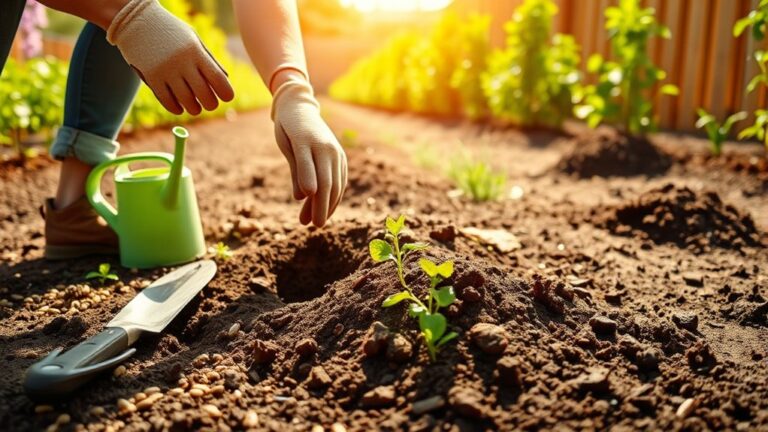
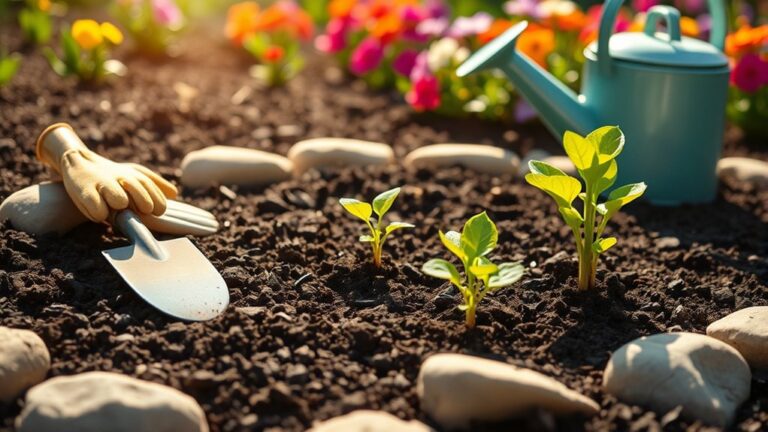
Gather a few basic tools to make planting and routine care easier: a hand trowel, pruners, gardening gloves, and a watering can or hose. Choose sturdy tools that feel comfortable in your hands, so you can work without unnecessary strain.
A trowel helps you dig small holes and move plants, while pruners trim stems and remove damaged growth. Gloves protect your hands from scratches, dirt, and irritating plants. If you’ll use a hose, pick one long enough to reach your garden bed or container.
Add safety gear to your basic tools when your tasks call for it. Wear eye protection when pruning branches that might spring back, and use closed-toe shoes to guard your feet. Keep tools clean and dry after each use to prevent rust and help them last longer.
Store sharp blades safely, away from children and pets. You don’t need an elaborate collection to begin; start with these essentials and add tools as your garden’s needs grow.
Prepare Your Soil or Potting Mix
Healthy plants start with soil or potting mix that suits their needs. Check soil texture: it should crumble easily, not form hard clods or stay soggy. For garden beds, loosen the top several inches and remove stones and weeds. In containers, choose a fresh, lightweight mix with reliable container drainage; don’t use dense garden soil.
- Use soil testing to learn your bed’s pH and nutrient levels before adding amendments.
- Blend in finished compost; check compost maturity so it won’t rob plants of nutrients.
- Improve drainage without overworking wet soil, and add mulch for weed suppression.
- Consider crop rotation and pollinator support when planning bed layout.
Match amendments to your results rather than guessing. Keep the mix evenly moist, and note microclimate effects that may change how quickly it dries. Good preparation supports strong roots and healthy growth. Later, you can use sunlight duration, irrigation scheduling, pruning techniques, pest scouting, seed germination rates, fertilizer timing, and seasonal planting to guide ongoing care.
Plant Seeds or Seedlings at the Right Time
Once your soil or potting mix is ready, check the planting dates for your area and each crop. Then choose seeds or seedlings that suit the season and your gardening plans. Planting at the right time gives them a better start.
Check Planting Dates
Check your local planting calendar before sowing seeds or setting out seedlings. Your plant timing should match your regional climate, since frost, heat, and daylight affect when crops thrive. Find reliable dates for your area, then adjust them to your garden’s conditions.
- Check your last frost date: Use it to judge when tender plants can safely go outdoors.
- Note your first frost date: Count backward to plan the growing window for crops that need more time.
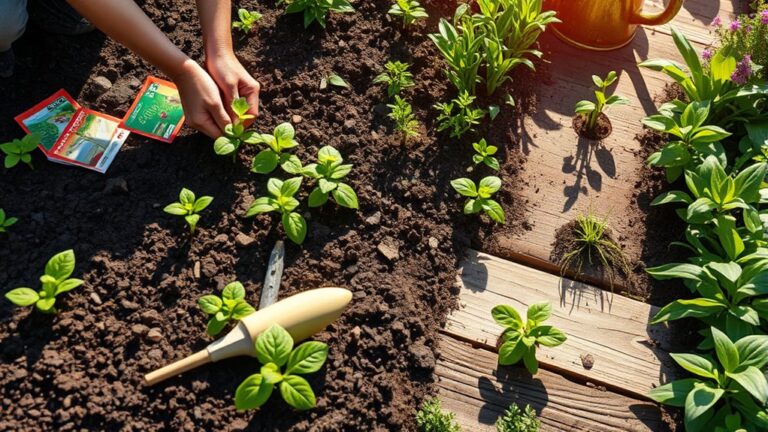
- Read seed packets: Follow their guidance for indoor sowing, direct sowing, and transplanting.
- Watch local conditions: A calendar offers a guide, but unusual weather may shift your schedule.
Mark key dates on a calendar, and check forecasts as planting approaches. You’ll avoid rushed decisions and give each crop a better chance to establish and grow.
Choose Seeds Or Seedlings
Choose seeds or seedlings based on your crop, schedule, and growing conditions. Direct-sow crops such as beans, carrots, and radishes when the soil reaches the temperature listed on the packet. Their roots may not handle transplanting well.
Start tomatoes, peppers, and other long-season crops indoors if your growing season is short, or buy young plants to save time.
For successful seed selection, check each packet for planting dates, days to maturity, spacing, and light needs. Choose varieties suited to your climate and garden space.
If you buy seedlings, look for compact plants with sturdy stems, healthy leaves, and no signs of pests or disease. Strong seedling vigor helps plants establish quickly after transplanting.
Harden indoor-grown seedlings by gradually exposing them to outdoor conditions for a week before planting. Follow your local frost dates and avoid planting tender crops too early.
Water Your Garden the Right Way
Water your garden deeply and consistently to help roots grow strong. Aim water at the soil near each plant’s base, where it can reach roots instead of evaporating from leaves. Early morning works best: your plants can absorb moisture before the day heats up, and foliage dries quickly.
Check your garden regularly, but don’t water by habit alone. Feel the soil an inch below the surface; if it’s dry, give plants a thorough drink. Adjust your routine when rain, heat, or wind changes how quickly soil dries.
- Water slowly so the soil absorbs moisture instead of letting it run off.
- Use a watering can or hose nozzle to direct water where it’s needed.
- Choose drought resistant plants for spots that tend to dry out.
- Try a water saving drip system to deliver moisture efficiently.
Watch for drooping leaves and persistently soggy soil. Both can signal that you need to adjust how much or how often you water.
Mulch and Feed Your Plants
Mulch and feed your plants to protect the soil and support steady growth. Spread a two- to three-inch layer of organic mulch, such as shredded leaves or bark, around plants. Keep it a few inches from stems to prevent excess moisture against them.
Mulch benefits include reduced evaporation, fewer weeds, and more even soil temperatures.
Choose fertilizer based on your soil and plants’ needs. Follow package directions, since too much can damage roots or encourage leafy growth at the expense of flowers and fruit.
These feeding techniques help you apply nutrients carefully:
| Garden need | What you can do |
|---|---|
| Dry soil | Add compost to improve moisture retention. |
| Hungry vegetables | Use a balanced fertilizer at the labeled rate. |
Refresh mulch as it breaks down, and work compost into the topsoil when preparing beds. You don’t need to feed every plant often; check its growth and follow the product schedule.
Keep records of what you add so you can adjust next season.
Watch for Pests and Plant Problems
Check your plants regularly for pests, spots, or unusual growth. If you catch problems early, they’re easier to manage, so act quickly to protect your garden.
Inspect Plants Regularly
Regularly inspect your plants to catch pests and problems before they spread. Set aside a few minutes several times a week to walk through your garden.
When you inspect plants consistently, you’ll notice small changes that are easy to miss from a distance. Look closely at leaves, stems, and the soil around each plant, and monitor growth over time.
A simple routine helps you understand what’s normal for your garden.
- Check both sides of leaves for holes, spots, eggs, or insects.
- Look along stems for discoloration, damage, or unusual growth.
- Notice wilting, yellowing, or changes in leaf shape.
- Compare plants with earlier observations to spot gradual shifts.
Use a notebook or phone to record what you see, along with dates and weather conditions. These notes make patterns easier to recognize during future inspections.
Address Problems Early
When you spot a pest or plant problem, act promptly before it spreads or causes lasting damage. Identify the cause before choosing a solution. Check leaves, stems, and soil for insects, spots, holes, wilting, or unusual growth. Compare symptoms across nearby plants to see whether the issue is spreading.
Remove pests by hand or rinse them away with water when practical. Prune affected leaves with clean tools, and discard diseased material rather than composting it. For persistent infestations, choose a targeted treatment and follow its label carefully. Avoid broad sprays that can harm helpful insects.
Keep plants healthy with suitable watering, spacing, and sunlight. Record recurring issues so you can adjust your early planning next season. When you address problems quickly, you protect your garden and give healthy plants room to thrive. Don’t wait for symptoms to worsen.
Harvest, Prune, and Keep Your Garden Growing
Harvest ripe produce, prune thoughtfully, and keep tending your garden for healthy growth and steady yields.
As your garden matures, harvest ripe produce promptly and prune plants to encourage healthy growth. Check each crop’s harvest timing; picking at peak ripeness improves flavor and encourages some plants to produce more.
Use clean, sharp tools, and handle vegetables and fruit gently to prevent bruising. Your prune techniques should suit each plant: remove dead, damaged, or crowded growth without cutting away more than necessary.
- Pick leafy greens from the outside so the center keeps growing.
- Harvest tomatoes when they’re fully colored and slightly soft.
- Snip herbs regularly to encourage fresh, bushy growth.
- Remove faded flowers to support continued blooms.
Keep tending your garden after harvest. Water deeply when the soil feels dry, pull weeds before they spread, and check leaves for signs of pests or disease.
Add compost to replenish nutrients, and stake tall plants before they lean. As seasons change, clear spent crops and note what thrived. These simple routines help you enjoy steady yields and prepare your garden for another productive season.
Frequently Asked Questions
How Much Does It Cost to Start a Garden?
You can start a small garden for about $50–$200, depending on its size, location, and supplies. Your cost breakdown might include seeds ($2–$5 per packet), soil or compost ($10–$40), containers or raised beds ($20–$100), and basic tools ($15–$50).
You’ll spend less if you reuse containers, borrow tools, and grow from seed. For budget planning, begin with a few easy plants, then add supplies as your garden grows.
Can I Garden if I Have Limited Outdoor Space?
Yes, you can garden with limited outdoor space. Try balcony gardening with pots, railing planters, or vertical shelves to make the most of every inch. Choose compact vegetables, herbs, or flowers that suit your light conditions.
For quick harvests, grow microgreens indoors on a sunny windowsill. Container methods let you move plants easily and control soil and watering. Start with a few containers, then expand as you learn what grows best in your space.
How Can I Make My Garden More Wildlife-Friendly?
Make your garden more wildlife-friendly by providing food, water, shelter, and safe places to nest. Plant native flowers, shrubs, and trees that bloom across the seasons, and avoid pesticides that harm beneficial insects.
Create wildlife friendly habitats with leaf piles, logs, and a small water source. Connect flowering areas into pollinator corridors, even through containers or narrow borders. You’ll attract more birds, bees, butterflies, and other helpful visitors.
Do I Need Permission to Start a Community Garden?
Yes—you may need permission to start a community garden, depending on the land and your location. Before you plant, check who owns the site and ask the owner for written approval. Then review local zoning requirements and permitting processes with your city or county; rules may cover water access, fencing, structures, and public use. A quick call can prevent costly surprises, so gather neighbors, sketch your sunny shared space, and confirm every requirement before you begin.
What Should I Do With Garden Waste?
You can compost leaves, grass clippings, and non-diseased plant trimmings at home or through a local collection program. These options turn garden waste into useful soil amendment.
Chop bulky branches for easier handling, or check whether your municipality accepts them for chipping.
For diseased plants, invasive weeds, or treated materials, follow local disposal methods. Don’t add them to your compost pile, and keep garden waste out of storm drains and natural areas.
Conclusion
You’ve taken the first steps toward a garden that can brighten your days and nourish your table. Keep checking your plants, adjust as you learn, and celebrate every new leaf, flower, and harvest.
Gardening takes patience, but you don’t need to get everything perfect; small, steady efforts add up. When challenges appear, remember that even experienced gardeners learn by doing.
Give your garden time, care, and a little room to grow. Follow these 10 easy steps to make a garden, and you’ll soon reap what you sow.