How to Make a Flower Bed in Grass in 3 Easy Steps
Starting a flower bed in a grassy yard can feel like a big project, especially when you’re unsure how to remove the grass without a lot of digging. You’re not alone—many people want an easier way to create a colorful garden. This guide to how to make a flower bed in grass covers three simple steps, plus helpful planting tips.
To make a flower bed in grass in three easy steps, first choose a sunny spot near a hose, then mark a manageable outline with a garden hose or stakes and string.
Next, mow the grass short, water it lightly, and cover it with overlapping cardboard or newspaper. Wet the layers and spread compost on top; wait several weeks for the grass to break down.
Finally, arrange suitable flowers, plant them, water well, and add mulch. Keep going for helpful planting tips.
Key Takeaways
- Choose a sunny, accessible spot with well-drained soil, then mark a manageable bed shape with a hose, string, or flour.
- Mow the grass short and water it lightly before covering the marked area.
- Overlap plain cardboard or several newspaper layers without gaps, then wet them thoroughly to smother the grass.
- Spread finished compost over the covering; on compact ground, make narrow openings with a garden fork without turning the soil.
- After several weeks, arrange and plant suitable flowers, water them well, and add two inches of mulch away from stems.
Choose and Mark Your Flower Bed in Grass
Choose a spot that gets the right amount of sunlight for the flowers you plan to grow and has easy access to water. Watch the area throughout the day to see how much sun it receives, and check that a hose can reach it. Avoid places where water regularly pools or where foot traffic could damage your flowers.
Next, decide on a shape and size that suit your yard. Simple design ideas include a curved border along a fence, a narrow strip beside a walkway, or a compact circle around a tree. Keep the bed small enough to maintain comfortably, and leave room to move around it. For budget tips, outline a modest area first; you can expand it later if needed.
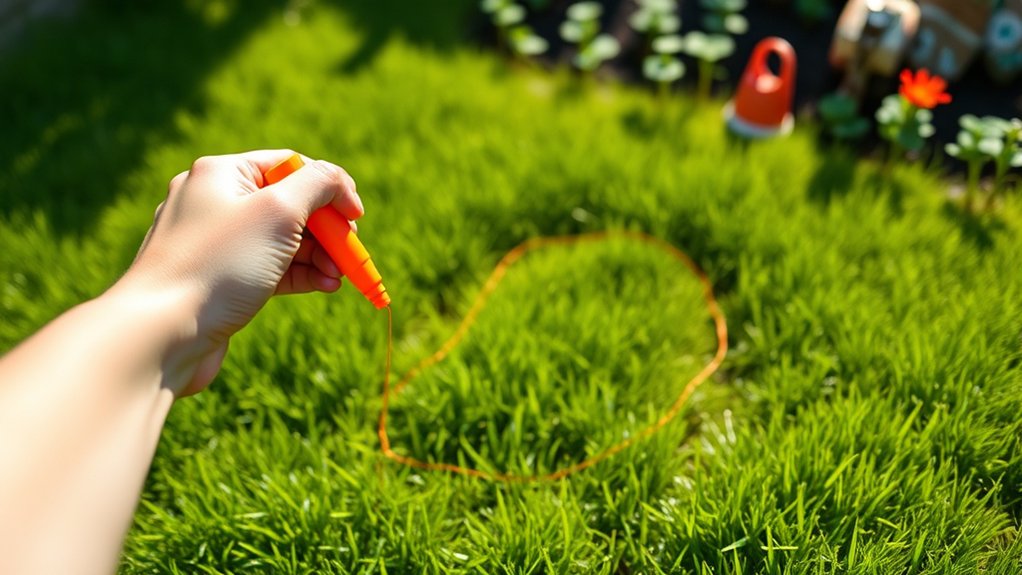
Mark your chosen boundary with stakes and string, a garden hose, or flour. Step back and inspect the outline from several angles. Adjust the curves and proportions until the bed looks balanced and fits naturally into your landscape.
Remove Grass Without Digging and Prepare the Soil
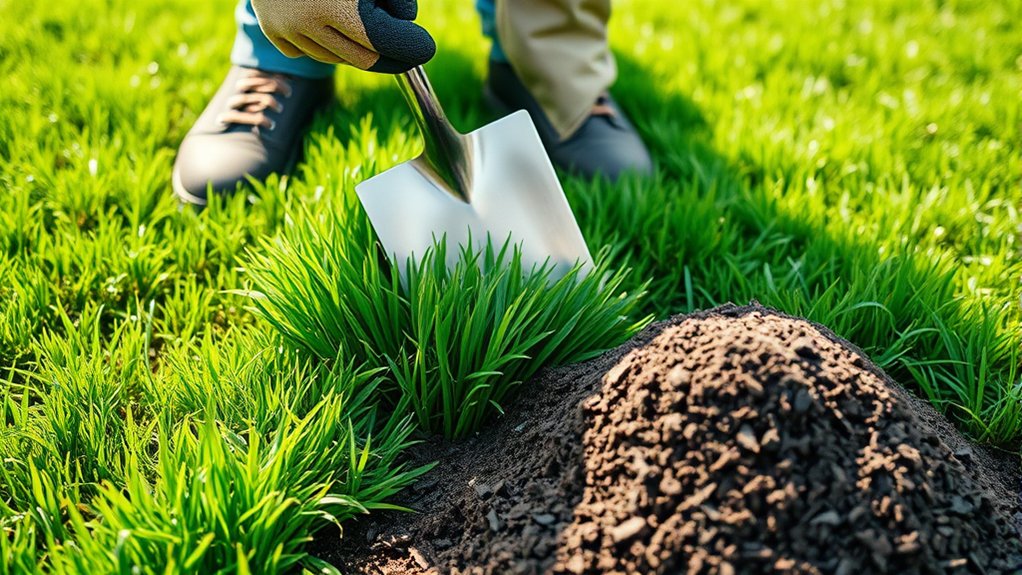
Want to remove grass without turning over the soil? Smother it in place instead of digging. First, mow the grass as short as you can, then water the area lightly.
Cover it with overlapping sheets of plain cardboard or several layers of newspaper. Remove tape and glossy pages, and make sure no gaps expose the lawn. This simple idea1 blocks sunlight, causing grass and weeds to die while the material breaks down.
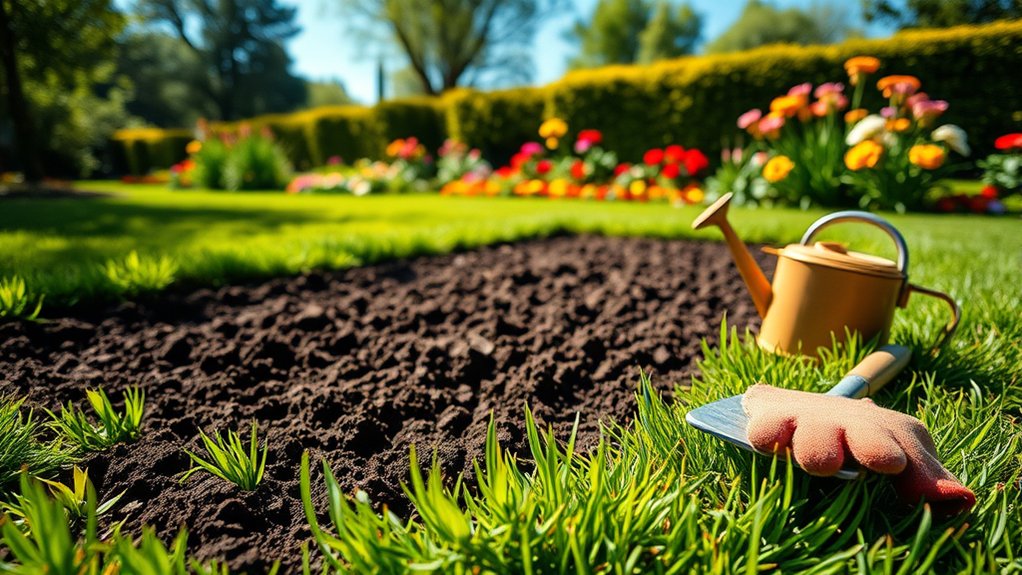
Wet the covering thoroughly so it stays put, then spread a layer of finished compost over it. Add enough to create a level, workable surface without disturbing the soil beneath.
If the bed sits on compacted ground, use a garden fork to make a few narrow openings through the covering, taking care not to lift or turn the soil. Keep the area moist while the grass decomposes.
This idea2 method builds organic matter and prepares a soft planting surface. Wait several weeks before moving on; longer may be needed for stubborn grass.
Choose Flowers, Plant Them, and Add Mulch
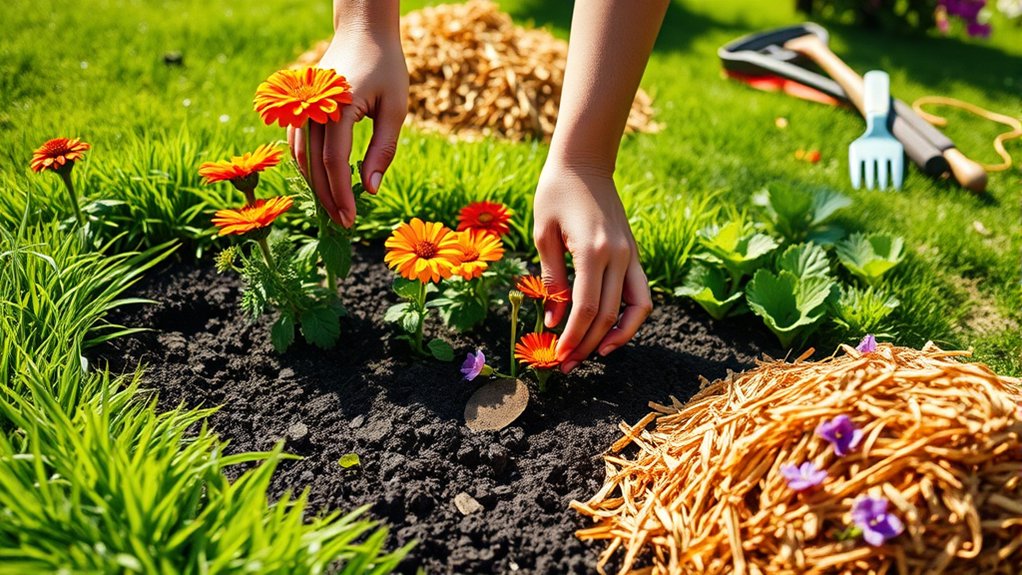
With the bed prepared, pick flowers suited to its sunlight, soil, and climate. Compare flower types by bloom time, height, and water needs so you can enjoy color across the seasons.
Choose native plants or reliable perennials for easier care, then add annuals if you want quick, lasting color. Use design ideas such as grouping plants in odd-numbered clusters or placing taller blooms behind shorter ones.
Plan color schemes that complement your home and create contrast without overwhelming the bed.
Arrange pots on the soil before planting, adjusting spacing to each plant’s mature width. Dig holes as deep as the root balls and about twice as wide.
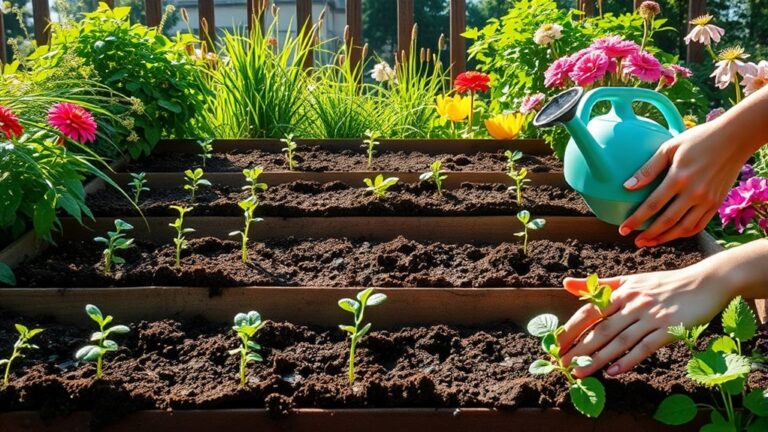
Loosen crowded roots, set each plant level with the soil, backfill, and press gently. Water thoroughly to settle the roots.
Spread two inches of mulch around plants, keeping it clear of stems. Mulch helps retain moisture and suppress weeds.
Follow maintenance tips: water while roots establish, remove spent blooms, and check plants regularly for pests.
Frequently Asked Questions
What Tools Are Best for Edging a Flower Bed?
For clean flower-bed edges, you’ll want a half-moon edger or flat spade; both cut crisp lines through turf. A rotary edger works well for long, straight borders, while a manual edging knife suits small, detailed curves.
These edging tool options let you match the tool to your bed’s shape and soil. For edging technique tips, keep your blade vertical, follow a garden hose guide, and trim overhanging grass regularly to maintain a sharp boundary.
How Can I Keep Grass From Creeping Into the Flower Bed?
Keep grass from creeping into your flower bed by installing a sturdy edging landscape barrier, such as metal, stone, or plastic, at least four inches deep. For effective keeping grass out, leave the edging slightly above soil level and trim along it regularly.
Remove existing runners and roots before planting. A weed barrier can help suppress growth beneath mulch, but don’t rely on fabric alone. Choose seasonal timing in early spring or fall for easier installation.
When Is the Best Season to Create a Flower Bed?
The best season to create a flower bed is fall, when cooler weather and warm soil help plants establish strong roots before winter. You’ll also find spring an excellent choice, especially if you want to plant summer flowers. Your planting timing should match your local climate and the flowers you choose. Avoid working soil when it’s soggy or frozen, and give new plants enough time to settle before extreme heat or cold arrives.
How Do I Protect a Flower Bed From Pets?
Guard your garden with gentle barriers. Install a low fence or decorative edging to keep pets out, and cover exposed soil with mulch or sturdy mesh to discourage digging.
Choose pet safe plants, and remove anything toxic from your beds. You can protect pets by giving them a nearby play area and rewarding them for staying away from flowers.
Check barriers regularly, and redirect curious paws before damage occurs.
Can I Install Irrigation in a New Flower Bed?
Yes, you can install irrigation in a new flower bed, and planning it before planting makes the work easier. Check irrigation feasibility by confirming your water supply, pressure, and local requirements.
Choose drip lines or soaker hoses to deliver water directly to roots and reduce waste. Plan irrigation zoning so plants with similar watering needs share a zone.
Install the system, test for leaks, then cover tubing with mulch and adjust the schedule as plants establish.
Conclusion
You’ve marked your bed, smothered the grass, and prepared the soil—now plant your flowers and spread mulch to lock in moisture and keep weeds at bay. Water well, then give your new garden a little time to settle.
Before long, you’ll have transformed a patch of lawn into a colorful showstopper. Keep tending your flower bed in grass, and it will reward you with beauty that feels larger than life.