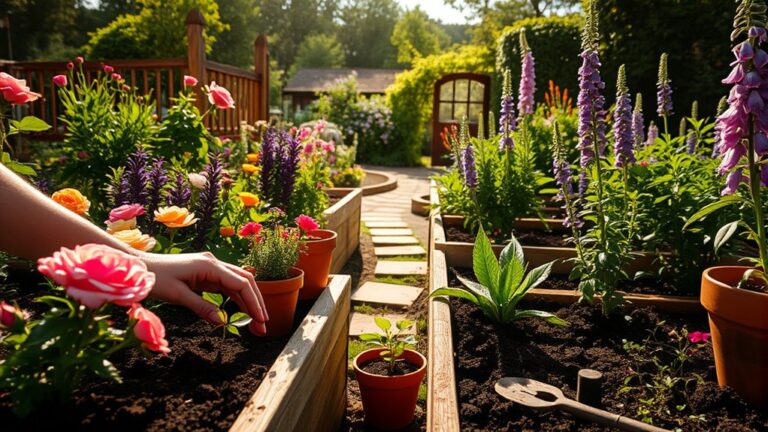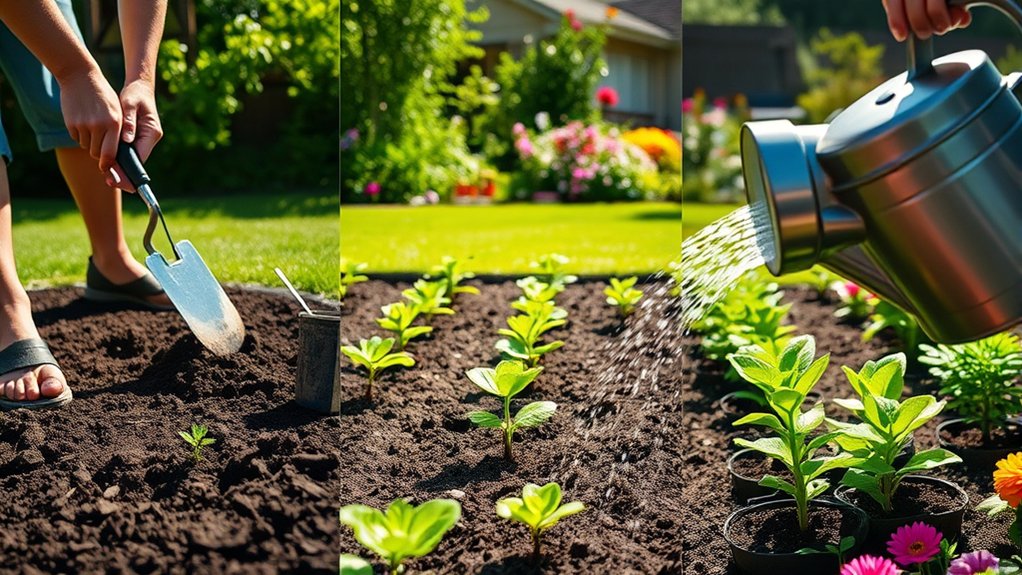
How to Create a Home Garden in 3 Simple Steps
Starting a home garden can feel overwhelming when you’re unsure what to plant or how to keep it thriving. You’re not alone—many people struggle to get started, but the right tools and a few simple steps can make gardening easier and more enjoyable.
Create a home garden in three simple steps. First, choose a convenient spot with at least six hours of sun, then select plants suited to your climate, space, and planting season. Next, clear weeds and stones, loosen the soil, and mix in compost, or fill containers with fresh potting mix and drainage holes. Finally, plant at the recommended depth and spacing, water at soil level, and check regularly for weeds, pests, and ripe produce. A few smart choices make care easier.
Key Takeaways
- Choose a sunny, convenient spot with at least six hours of direct sunlight, and measure the space available.
- Select a few suitable plants based on your climate, planting calendar, and the space they need at maturity.
- Plan the layout, grouping compatible plants and leaving enough room to reach and care for each one.
- Prepare garden beds or containers with quality soil and compost; make sure pots have drainage holes.
- Plant at the recommended depth and spacing, water at soil level, and check regularly for weeds, pests, and ripe produce.
Choose a Spot and Plants for Your Home Garden
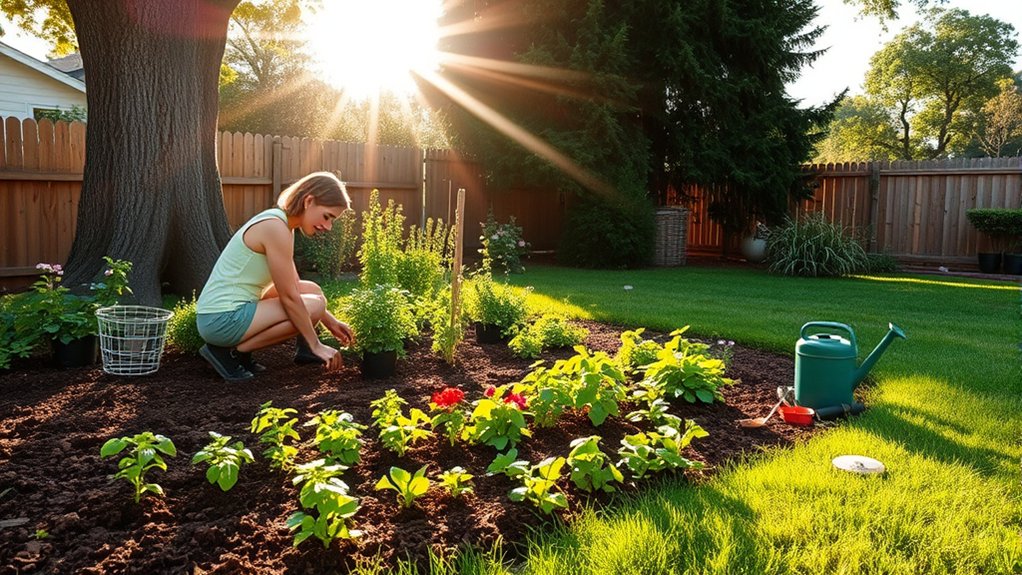
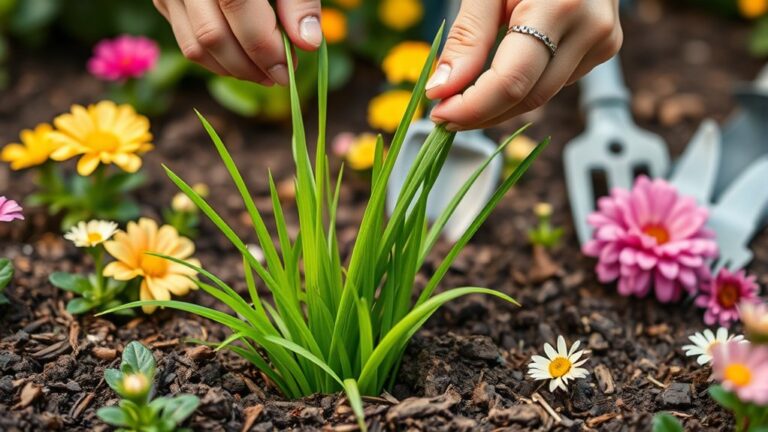
Choose a sunny, convenient spot for your garden, then pick plants that suit its light, space, and your local climate. Observe how sunlight moves across your yard, balcony, or windowsill. Most vegetables and herbs need six or more hours of direct sun, while leafy greens and some flowers tolerate partial shade. Choose a location you can reach easily, so watering and harvesting fit your routine.
Plan your garden layout around the space you have. Measure the area and note obstacles, such as walls, trees, and paths. If you’re gardening indoors, check that your chosen spot has enough natural light or room for a grow light. Consider containers if you need a flexible setup.
Next, select plants suited to your growing conditions and experience. Check local planting calendars and mature plant sizes before buying seeds or seedlings. Try plant pairing by grouping compatible crops, such as basil with tomatoes, while leaving enough room for each to grow. Choose a few favorites to keep care manageable.
Prepare Soil, Containers, or Garden Beds
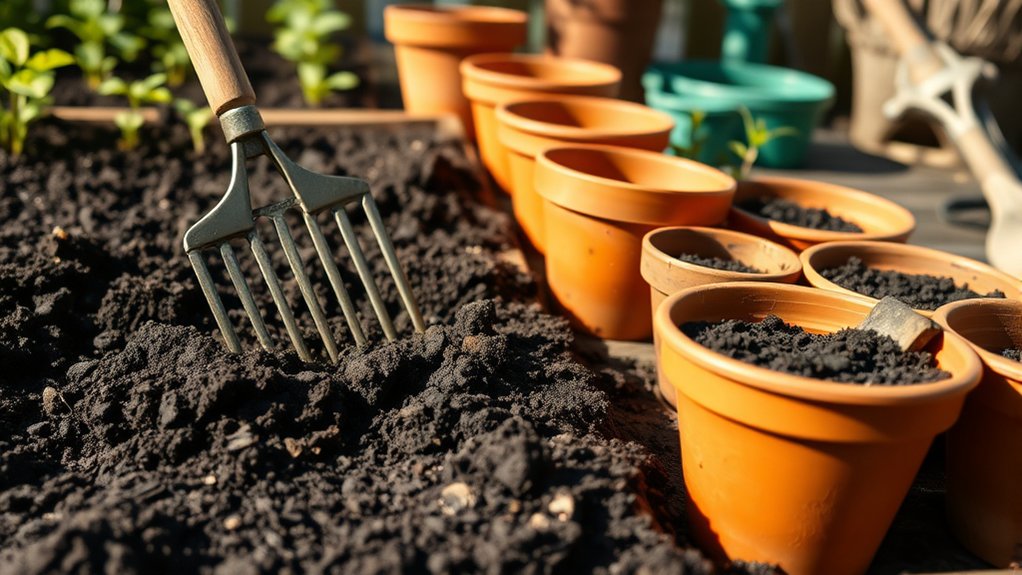
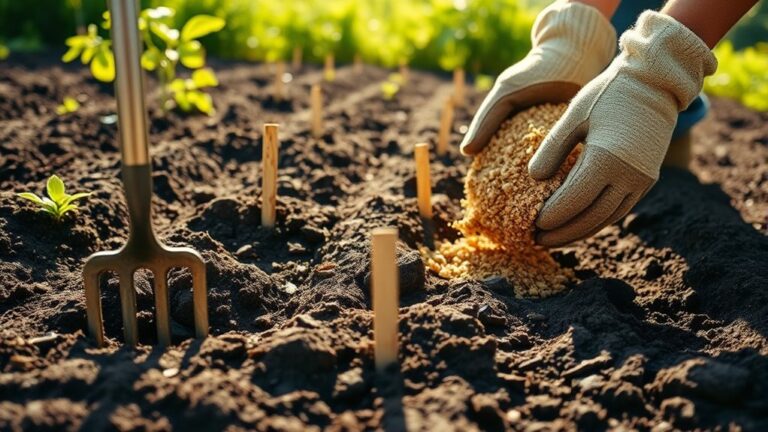
Once you’ve picked your plants and spot, prepare a growing space that gives their roots room to thrive. Start with soil preparation: remove weeds and stones, loosen compacted ground, and mix in finished compost.
For raised beds, choose untreated wood or another food-safe material, then fill the frame with quality garden soil.
If you’re gardening on a patio, container selection matters. Pick sturdy pots with drainage holes and enough depth for mature roots. Use fresh potting mix rather than dense garden soil, which can restrict airflow in containers.
| Growing space | What to prepare | Helpful check |
|---|---|---|
| In-ground bed | Loosen soil; add compost | Soil crumbles easily |
| Raised bed | Set a food-safe frame | Bed sits level |
| Container | Choose a suitable pot | Drainage holes are open |
Match each space to your plants’ mature size, and leave enough room to reach every area comfortably. Gather materials before you begin so setup stays simple and organized.
Keep soil surfaces clear of debris, and avoid stepping on prepared beds to prevent compaction. Your growing space is now ready for planting.
Plant, Water, and Care for Your Garden
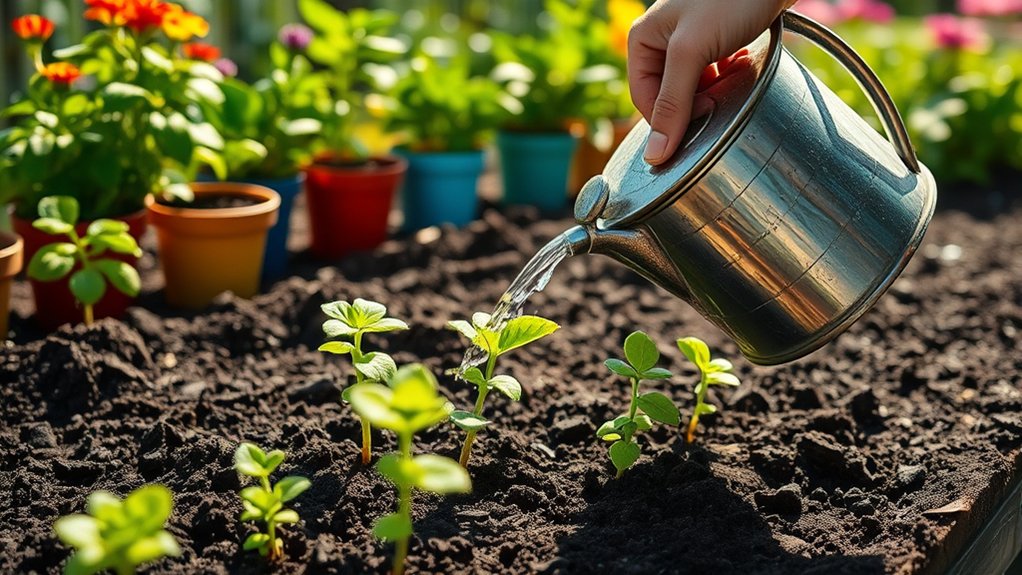
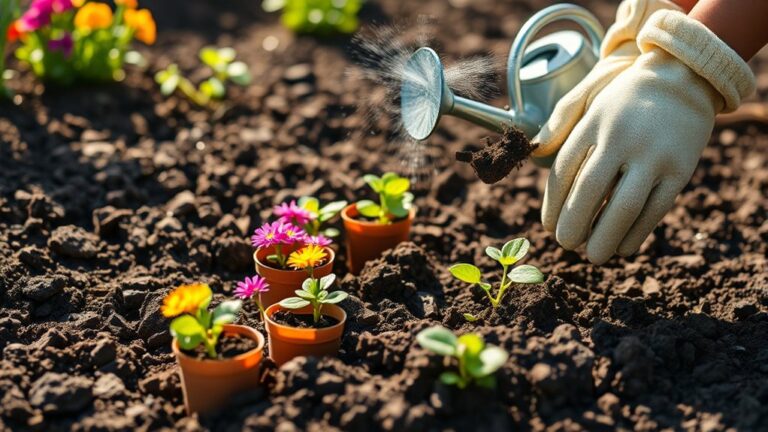
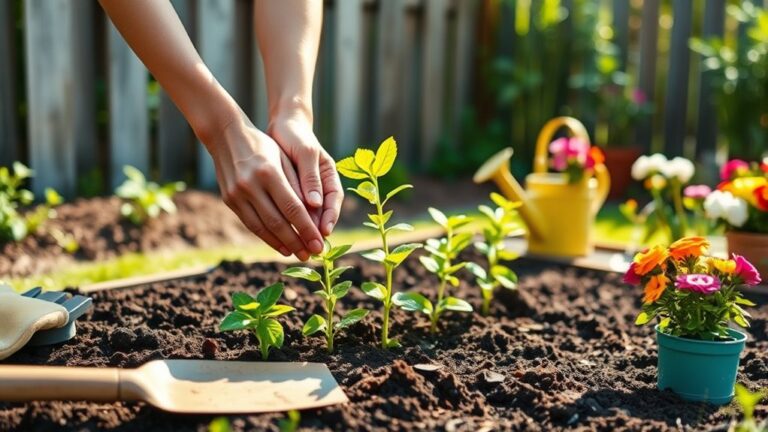
With your growing space ready, plant each seed or transplant at the depth and spacing listed on its label. Your seed selection should match your climate, sunlight, and available space. Handle seedlings gently, firm soil around their roots, and water them after planting to settle the soil. Add labels so you can track varieties and planting dates.
Use irrigation planning to keep moisture consistent without waterlogging roots. Check the soil with your finger; water when the top inch feels dry, and aim at the soil rather than the leaves. Water early in the day to reduce evaporation and discourage disease. Adjust your schedule after rain or during hot, windy weather.
Inspect your garden often for weeds, pests, and signs of stress. Pull weeds while they’re small, remove damaged leaves, and support tall plants with stakes or cages. Feed crops only as directed for their needs. Harvest ripe produce promptly to encourage continued growth, and keep notes to improve next season’s garden.
Frequently Asked Questions
How Can I Keep Pests Out of My Home Garden?
Keep pests out of your garden by checking plants often and removing damaged leaves or insects by hand. Use pest proofing strategies like row covers, sealed compost bins, and sturdy fencing to block common invaders.
Water at the soil level, clear weeds, and avoid overcrowding to reduce hiding places. Add natural predator attractants, such as native flowers, to welcome ladybugs and lacewings.
Choose pest-resistant plants, and use targeted treatments only when needed.
What Gardening Tools Are Essential for Beginners?
For beginner gardening, your essential tools include a hand trowel, pruning shears, sturdy gloves, a watering can, and a garden fork. A 2023 survey found that 55% of U.S. households garden, showing how widely people enjoy growing plants.
Choose comfortable, durable tools you’ll actually use. For basic maintenance, keep blades clean and sharp, store tools dry, and rinse off soil after each session. You’ll work more safely and efficiently.
How Can I Compost Kitchen Scraps at Home?
You can compost kitchen scraps at home by balancing green scraps with dry browns. Chop fruit and vegetable peels, coffee grounds, and eggshells into small pieces, then add them to a lidded bin with shredded cardboard or dry leaves.
Among simple composting methods, a worm bin setup works well indoors: add bedding, red wiggler worms, and scraps, burying each addition. Keep the mixture damp, not soggy, and avoid meat, dairy, and oily foods.
When Should I Harvest Vegetables and Herbs?
Check each plant’s harvest timing, since vegetables and herbs reach their best flavor maturity at different stages. Pick leafy greens when leaves look tender and full-sized; harvest tomatoes when they’re fully colored and slightly soft. Gather beans and zucchini while they’re young and crisp. Snip herbs in the morning, after dew dries but before heat rises, and take only a third of each plant at once to encourage regrowth.
How Can I Garden Successfully in Winter?
You can garden successfully in winter by choosing cold-hardy crops, protecting plants from frost, and adjusting care to shorter days. Cover beds with row fabric or cloches during cold snaps, and mulch roots to buffer temperature swings.
Check soil before winter watering; water when it’s dry, preferably in the morning, so roots absorb moisture before freezing temperatures arrive. Place containers in sheltered spots, remove damaged growth, and harvest leafy greens regularly to encourage continued production.
Conclusion
Creating a home garden doesn’t have to be complicated. Choose a sunny spot and plants that suit your space, then prepare healthy soil, containers, or garden beds.
Plant your selections, water them regularly, and keep an eye out for signs they need extra care. With a little patience and consistent attention, you’ll turn even a small corner into a green paradise that could make the whole neighborhood jealous.
Start today, and enjoy watching your home garden grow one leaf at a time.