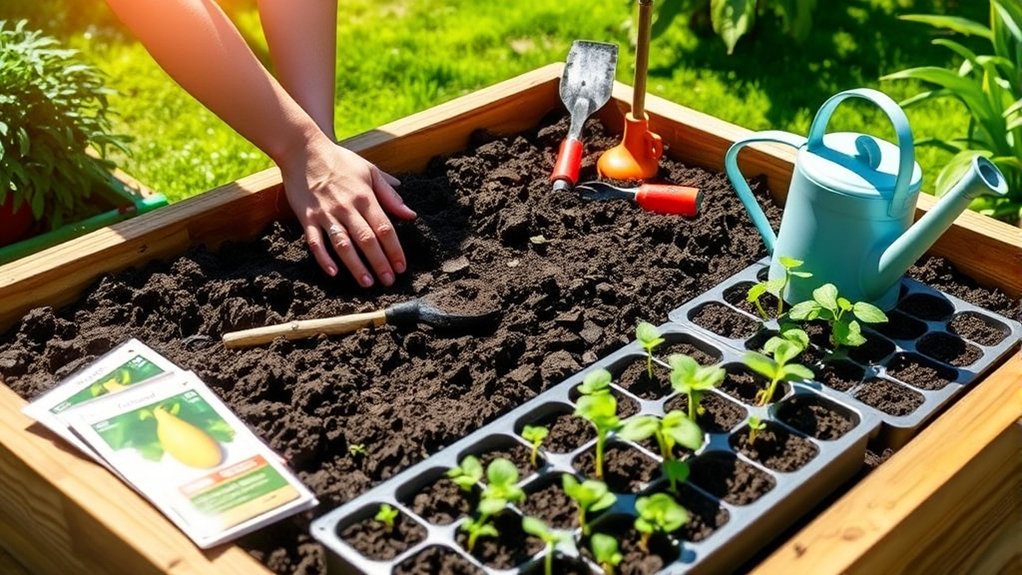
How Do I Start a Garden in 7 Simple Steps?
Starting a garden can feel overwhelming when you’re not sure what to plant or where to begin. You’re not alone—many new gardeners struggle to turn a patch of soil or a few containers into a thriving garden. This simple guide to how to start a garden breaks the process into seven manageable steps.
To start a garden in seven simple steps, choose a spot with at least six hours of sun, then pick a bed or containers with good drainage. Select a few beginner-friendly plants suited to your climate, and prepare the soil with compost.
Plant seeds or seedlings at the right time, following frost dates and packet instructions. Water gently and consistently, then protect young plants with mulch or covers.
Check growth regularly, and keep notes to guide your next gardening decisions.
Key Takeaways
- Choose a sunny, well-drained spot that gets at least six hours of direct sunlight daily.
- Decide between an in-ground bed, raised bed, or containers that suit your space, budget, and plants.
- Test and prepare the soil by clearing debris, loosening it, and mixing in recommended nutrients and compost.
- Select a few beginner-friendly plants suited to your climate, sunlight, and available growing space.
- Plant at the right time, water consistently, and monitor growth for pests, disease, and changing needs.
Choose a Sunny Spot to Start Your Garden
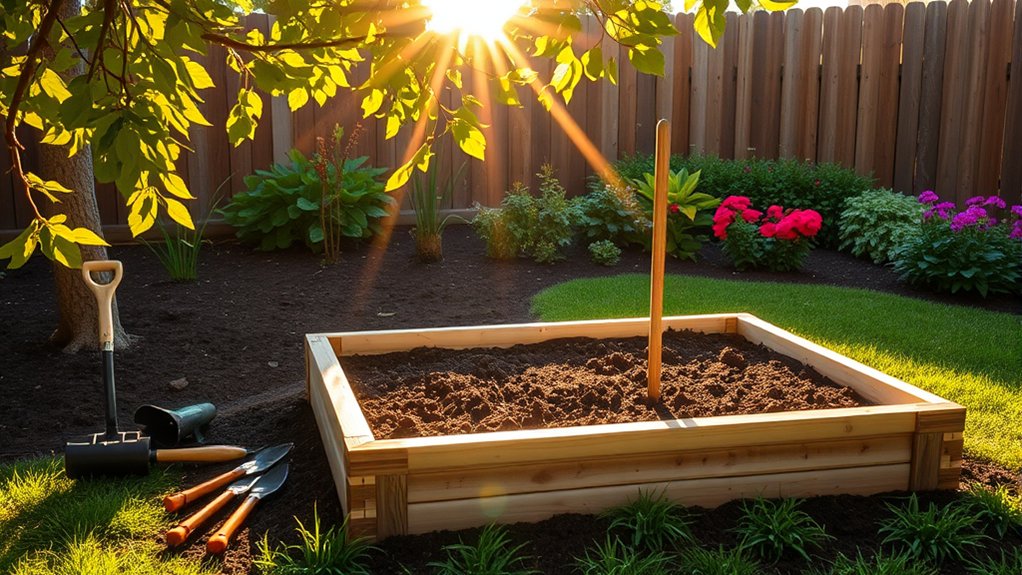
Choose a sunny spot that gets at least six hours of direct sunlight each day. Most vegetables and many herbs need this much light to grow well, flower, and produce a good harvest.
Watch the area throughout the day, because nearby trees, fences, or buildings can cast shadows that change with the seasons. Good sun exposure helps you choose plants suited to the space and avoid disappointing results.
Next, check whether the ground drains well after rain. If water pools or the soil stays soggy, many plants may struggle. Notice how the spot looks after a storm, and consider whether runoff flows toward it.
You can also observe existing plants for clues about light and moisture, but don’t rely on them alone.
Before planting, arrange soil testing through a local extension service or garden center. A test can reveal pH and nutrient levels, helping you make informed improvements. Use the results to guide your next steps and give your garden a healthy start.
Pick a Garden Bed or Containers
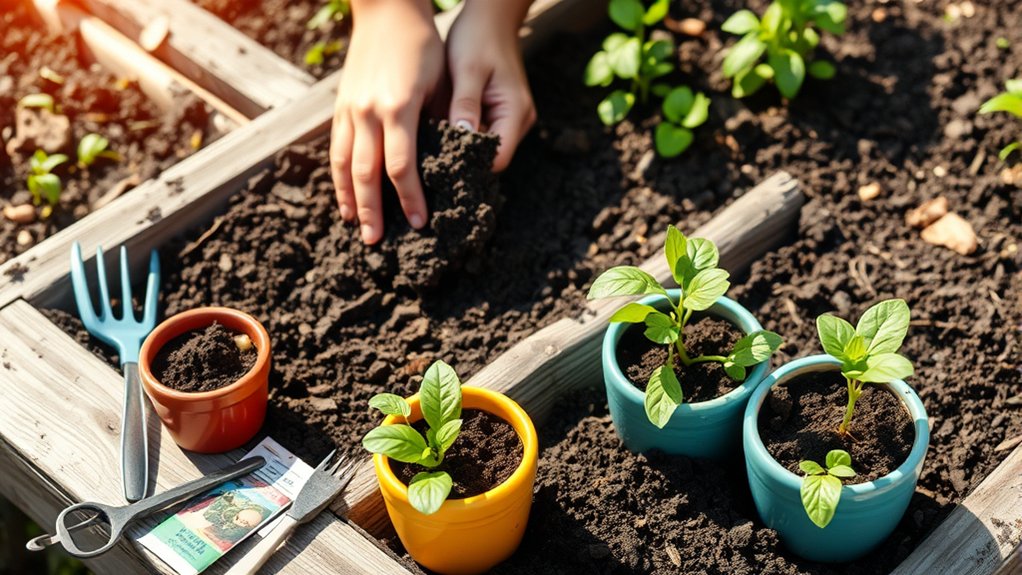
Next, choose a garden bed or containers for your plants. Garden beds give roots plenty of room to spread, while containers are a great option for small spaces. If you choose containers, make sure they have drainage holes and enough room for your plants to grow.
Choose a Garden Bed
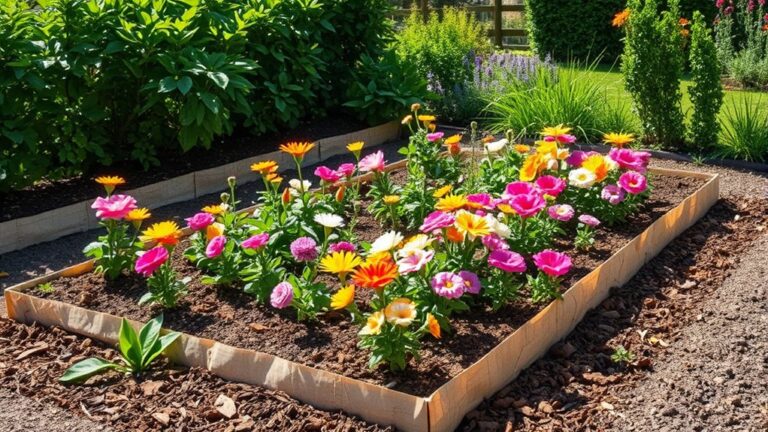
A garden can grow in a raised bed, an in-ground plot, or a few containers on a patio. Choose a garden bed that suits your space, budget, and the crops you want to grow. A sunny, level spot near a water source makes care easier. Before settling on a location, consider how you’ll reach every part of the bed without stepping on growing soil.
- A raised bed gives you control over its size and garden bed design, and it can improve drainage.
- An in-ground plot uses existing space, but check that the soil drains well and hasn’t been contaminated.
- A small patio setup works when you lack yard space; keep the growing area accessible.
Plan soil preparation before planting: clear weeds, loosen the ground, and add suitable compost. Choose a setup you can maintain throughout the season.
Select Suitable Containers
If you’re growing in a small space, containers can turn a patio, balcony, or sunny windowsill into a productive garden. Choose pots based on your plants’ needs, not just their appearance.
Container sizing matters: shallow-rooted lettuce and herbs grow well in smaller pots, while tomatoes and peppers need deeper, wider containers. Check that every pot has drainage holes so excess water can escape, and use lightweight potting mix instead of garden soil.
Your seed choice also affects which containers you’ll need. Read seed packets for spacing, depth, and mature plant size before you sow. Group plants with similar sunlight and watering needs, then place pots where you can reach them easily.
If you expect to move containers, choose manageable sizes or add wheels. Reuse clean food-safe pots, buckets, or window boxes to save money.
Choose Beginner-Friendly Plants to Grow
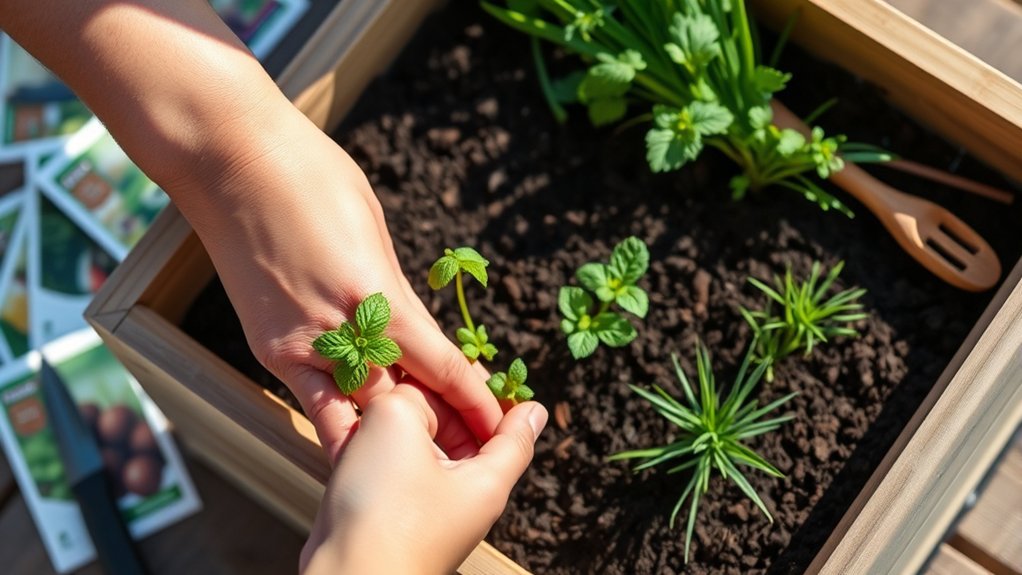
Choosing easy-to-grow plants helps you build confidence and enjoy early success. Start with varieties suited to your climate, available sunlight, and the containers you selected.
Check plant labels or seed packets for mature size and care needs so you can choose options that fit your space and schedule.
Consider these reliable choices:
- Leafy greens: Lettuce and spinach grow quickly, and you can harvest outer leaves as needed.
- Herbs: Basil, chives, and parsley add fresh flavor and usually thrive in containers with regular watering.
- Flowers: Marigolds and zinnias bring color, while beginner friendly perennials such as coneflowers can return year after year. For seasonal color, try low maintenance annuals like nasturtiums.
Choose just a few plants at first rather than filling every container. Look for disease-resistant varieties and select plants with similar light and watering preferences, which makes routine care easier.
If you’re unsure, ask a local garden center which varieties perform well in your area. Keep a simple record of what you grow and how it fares; that experience will guide your next choices.
Prepare Your Garden Soil for Planting
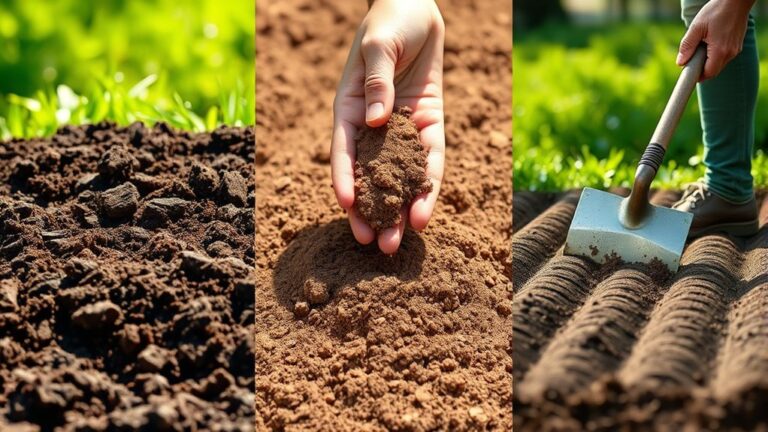
Before planting, prepare the soil so roots can access the air, water, and nutrients they need. Start by clearing away weeds, rocks, and leftover plant debris. Loosen the ground with a garden fork or shovel, working roughly 8 to 12 inches deep. Avoid digging when the soil’s wet; that can compact it and damage its structure.
Next, check what your soil needs. Soil testing can reveal its pH and nutrient levels, helping you choose amendments instead of guessing. Follow the test’s recommendations, and mix any needed nutrients into the top layer.
Add organic matter to improve texture and support healthy growth. For compost preparation, use finished compost that’s dark, crumbly, and free of recognizable scraps. Spread a layer over the bed, then blend it gently into the soil. If your ground drains poorly or feels dense, add compost gradually and reassess its texture. Rake the surface smooth, but don’t pack it down; loose soil lets roots spread and water drain.
Plant Seeds or Seedlings at the Right Time
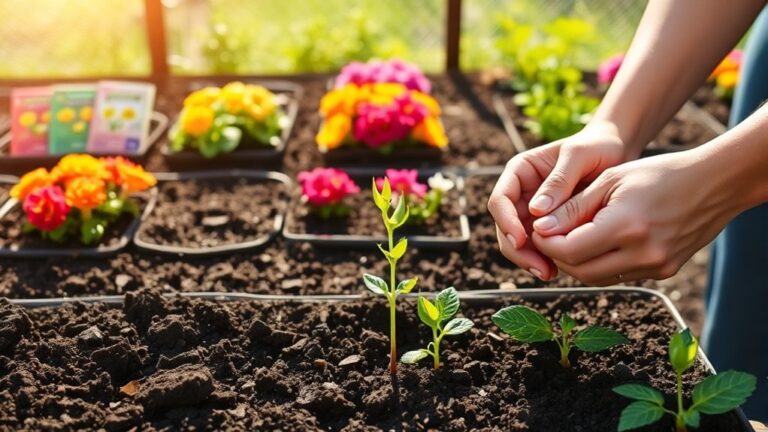
Plant seeds or seedlings when the weather and soil suit each crop, since the right timing helps plants establish and grow well. Check your seed packet or a local planting calendar for frost dates, recommended soil temperatures, and days to maturity. Good seed timing gives each crop the conditions it needs without wasting your limited growing season.
- Sow cool-season crops, such as peas and lettuce, while spring weather stays mild; many can handle a light frost.
- Wait until frost danger passes and soil warms before planting heat-loving crops like tomatoes, beans, and squash.
- Start slow-growing crops indoors when recommended, then transplant them after hardening them off gradually.
Use germination tricks that match each seed: some need light, while others sprout better when covered at a specific depth. Read the packet before sowing, and space seeds according to its directions. If you plant seedlings, choose compact, healthy plants and set them out on a mild, cloudy day to reduce transplant stress. Check local forecasts before planting, especially when late frosts remain possible.
Water Your Garden and Care for Young Plants
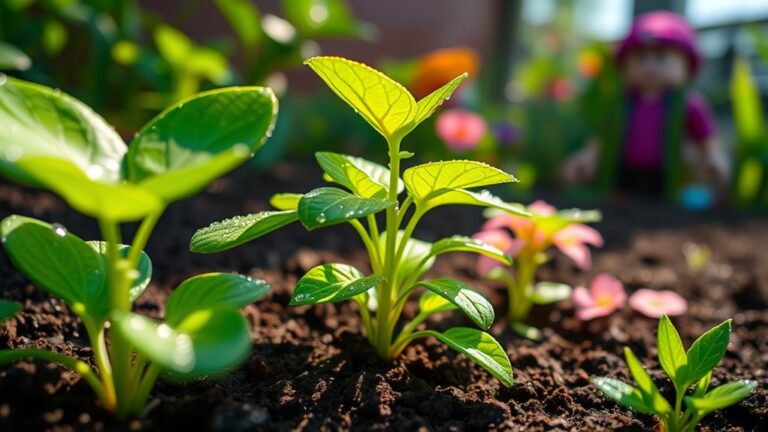
Water young plants gently and often enough to keep the soil evenly moist. Since seedlings dry out quickly, check the soil regularly. Also, protect new growth from pests, harsh weather, and accidental damage.
Watering Young Plants
Young plants need consistent moisture as their roots establish, but soggy soil can cause problems. Check the soil before watering: press a finger about an inch down, and water if it feels dry. Apply water slowly at the base so it reaches the roots instead of running off leaves. Your watering schedules should reflect weather, soil, and plant needs, not a rigid calendar.
- Water early in the day to limit evaporation and give foliage time to dry.
- Use a gentle stream to avoid washing away soil or flattening delicate stems.
- Check containers more often; they dry out faster than garden beds.
After watering, confirm that moisture reaches the root zone without leaving puddles. Adjust your routine after rain or during hot, windy spells. Keep the area tidy as part of pest prevention, and remove weeds that compete for water.
Protecting New Growth
Once seedlings begin to grow, protect their tender leaves and stems from harsh weather, pests, and accidental damage. Check your garden each day for chewed leaves, drooping stems, or signs of disease.
Remove damaged foliage with clean scissors, and pick off pests by hand before they spread. When frost threatens, cover young plants with breathable fabric, then uncover them in the morning.
Use stakes or small cages to support tall, fragile stems, and keep paths clear to prevent accidental trampling. A thin layer of mulch helps retain moisture and shields roots from temperature swings, but keep it away from stems.
These simple habits support protecting new health while shielding growth from common setbacks. Keep observing your plants as they mature, and adjust protection as weather and their needs change.
Protect Your Plants and Track Their Growth
How can you keep your garden healthy as it grows? Protecting seedlings starts with checking them daily for pests, disease, and damage. Water at the soil level to keep leaves dry, and add mulch to conserve moisture and reduce weeds. Use row covers when cold nights or hungry insects threaten tender plants, but remove covers when flowers need pollinators.
Make tracking growth part of your routine. Record planting dates, watering, weather, and changes in a notebook or garden app. These notes help you spot problems early and learn which plants thrive in your conditions.
You can also:
- Measure each plant weekly to compare growth and identify slowdowns.
- Photograph beds from the same angle to document changes over time.
- Mark harvest dates and yields to guide next season’s choices.
As plants mature, prune only when needed, using clean tools to prevent disease. Adjust care as temperatures shift, and give crowded plants room to breathe. Your steady attention helps your garden stay resilient and productive.
Frequently Asked Questions
How Much Does It Cost to Start a Garden?
You can start a small garden for about $50–$200, while larger or raised-bed gardens may cost $300–$1,000 or more. How much does it cost depends on your space, tools, soil, containers, and plants.
You’ll spend less if you reuse pots, borrow tools, and grow from seed. For budget planning, list essentials first, compare local prices, and add a small cushion for unexpected expenses. Your garden can expand as your budget allows.
What Gardening Tools Do Beginners Need?
Your first garden won’t need a medieval arsenal, just a few Garden tools to keep weeds from staging a coup. Start with Starter essentials: sturdy gloves, a hand trowel, a watering can or hose, pruning shears, and a digging fork or spade for larger beds.
Add a kneeling pad if you’d rather not negotiate with your knees. Choose comfortable, durable tools, and you’ll spend more time growing plants than wrestling with equipment.
Can I Start a Garden if I Have Limited Mobility?
Yes, you can start a garden with limited mobility by choosing a setup that fits your needs. Starting small beds at waist height can reduce bending, while containers on sturdy tables keep plants within reach.
Adapting for accessibility might include wide, firm paths, lightweight tools, long-handled implements, and a nearby seat. Ask someone to help with heavy lifting, and select easy-care plants.
You don’t need a large space or strenuous routine to enjoy gardening.
How Can I Garden Sustainably?
You can garden sustainably by building healthy soil, conserving water, and choosing plants suited to your climate. Add compost to improve sustainable soil, and avoid synthetic fertilizers and pesticides when possible.
Use water smart methods, such as drip irrigation, mulch, and watering early in the day. Grow native plants, collect rainwater, and group plants with similar needs.
Reuse containers, save seeds, and welcome pollinators to reduce waste and support local wildlife.
When Is the Best Time to Expand My Garden?
You’ll find the best expansion timing when your current beds thrive and you’ve got time to care for more plants—not when a seed catalog stages its annual coup. Use seasonal planning: expand in early spring or fall, when mild weather helps roots settle and heat won’t bully new seedlings. Check your local frost dates, soil moisture, and available sunlight first. Add space gradually, so your garden grows without turning you into its exhausted groundskeeper.
Conclusion
Starting a garden doesn’t have to be complicated. Choose a sunny spot, pick a bed or containers, and grow beginner-friendly plants in healthy soil. Plant at the right time, water consistently, and keep an eye out for pests as your garden grows.
You’ll learn what works with each season, so don’t worry if everything doesn’t go perfectly at first. Take it one step at a time, and soon you’ll be reaping what you sow: fresh blooms, herbs, or vegetables you can enjoy. Starting a garden is a rewarding way to bring more beauty and fresh food into your life.