How to Start a Veggie Garden From Scratch in 5 Easy Steps
Starting a veggie garden can feel overwhelming when you’re not sure where to begin—you’re not alone. The right garden tools and supplies can make it easier to turn a sunny patch or a few containers into a thriving harvest.
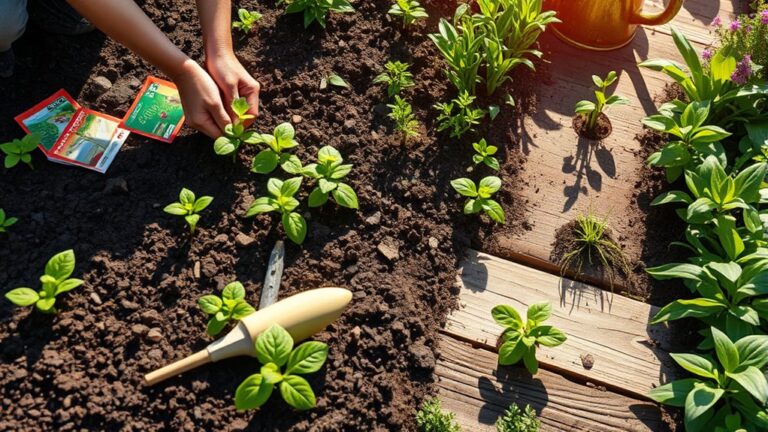
Start your veggie garden in five steps. Choose a level, convenient spot with six to eight hours of sun, then clear weeds and mix compost into garden soil—or use quality potting mix in containers. Pick easy, climate-suitable vegetables such as lettuce, radishes, or bush beans. Plant seeds or seedlings according to local frost dates and spacing instructions. Water when the top inch feels dry, weed early, and add mulch to conserve moisture. Keep going for more tips to help your garden thrive.
Key Takeaways
- Choose a level, convenient spot with six to eight hours of direct sunlight, good airflow, and access to water.
- Prepare garden beds by clearing debris and loosening soil; mix in finished compost, or fill containers with quality potting mix.
- Start with easy, climate-appropriate vegetables, such as lettuce, radishes, bush beans, zucchini, or cherry tomatoes.
- Check local frost dates, then plant seeds or seedlings at the recommended depth and spacing for each crop.
- Water when the top inch of soil feels dry, mulch to retain moisture, remove weeds, and monitor plants for pests or disease.
Choose a Sunny Spot for Your Veggie Garden

Where will your vegetables thrive? Choose a spot that gets at least six to eight hours of direct sunlight each day. Most vegetables grow best with plenty of light, while leafy greens can tolerate some shade. Watch the area throughout the day to see how nearby trees, fences, or buildings affect sun exposure.
Check your site shading before you settle on a location. A sunny patch in the morning might fall into shadow by afternoon, so observe it at different times. If you’re growing in containers, you can move them as the sun shifts or seasons change.
Look for a level, convenient place near a water source, so you can reach your plants easily. Avoid low spots where water collects after rain, and choose a location with good airflow. Keep the garden away from overhanging branches that may drop debris or shelter pests. Thoughtful placement supports pest prevention by making it easier to inspect plants and spot trouble early. You’ll spend less time carrying supplies and more time tending your garden.
Prepare Soil or Potting Mix for Your Garden
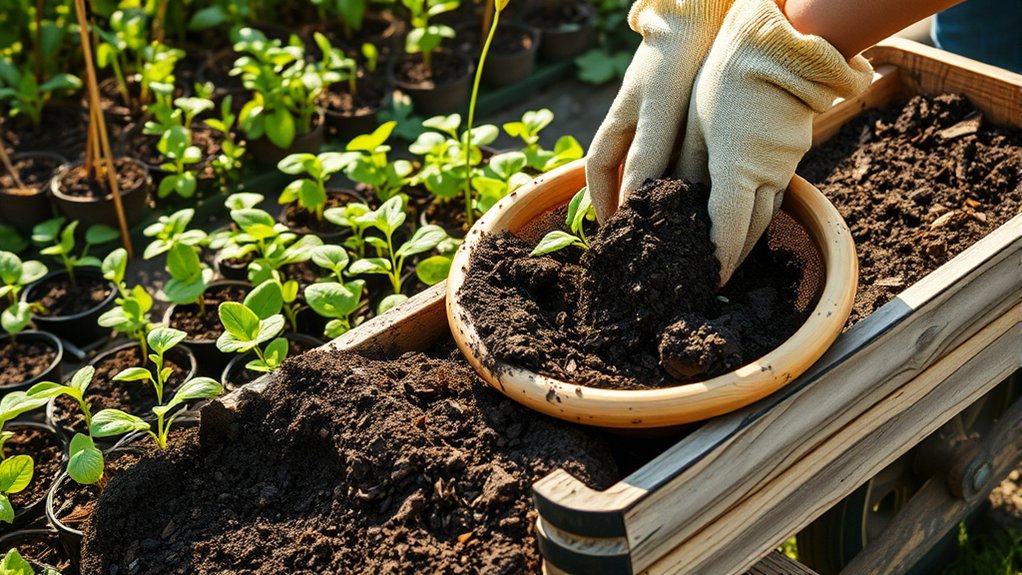
Once you’ve chosen a sunny spot, prepare the growing medium your vegetables need. For an in-ground bed, remove weeds, rocks, and debris, then loosen the soil about 8 to 12 inches deep. Mix in finished compost to improve texture and provide nutrients. A soil test can reveal whether you need to adjust pH or add specific nutrients; follow its recommendations rather than guessing.
For containers, choose a quality potting mix, not garden soil, which can compact and restrict drainage. Check the label for ingredients and directions, then moisten the mix before filling pots. Consider compost ratios carefully: too much compost may hold excess water or create nutrient imbalances, while a measured amount supports healthy growth.
Avoid stepping on prepared beds, since compacted soil limits airflow and water movement. Add a layer of mulch after planting; its mulching benefits include conserving moisture, moderating temperature, and suppressing weeds. As organic mulch breaks down, it also feeds soil microorganisms that help maintain a thriving growing medium.
Choose Easy Vegetables for Your Veggie Garden
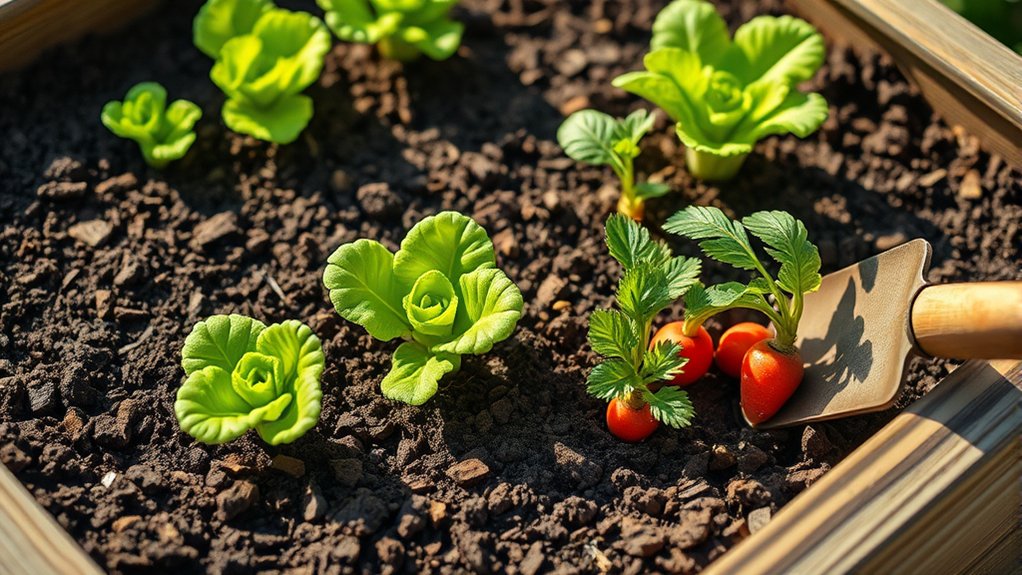
Start with vegetables that grow reliably in your climate and suit the space you have. To choose easy vegetables, consider how much sunlight your garden gets, how often you can water, and what your household enjoys eating. Leaf lettuce, radishes, bush beans, zucchini, and cherry tomatoes often reward new gardeners with straightforward care and useful harvests.
Check each plant’s mature size before you decide. Compact varieties fit containers and small beds, while sprawling crops need room to spread. If you’re gardening in pots, look for vegetables labeled suitable for containers, and make sure each pot can hold enough soil for healthy roots. Your local garden center or extension service can suggest beginner friendly varieties that perform well nearby.
Choose a manageable mix rather than filling every available space. Growing a few favorites lets you learn each plant’s needs and notice problems early. You’ll also avoid producing more than you can use. Pick vegetables with different flavors and textures, so your garden gives you appealing options for everyday meals.
Plant Seeds or Seedlings at the Right Time
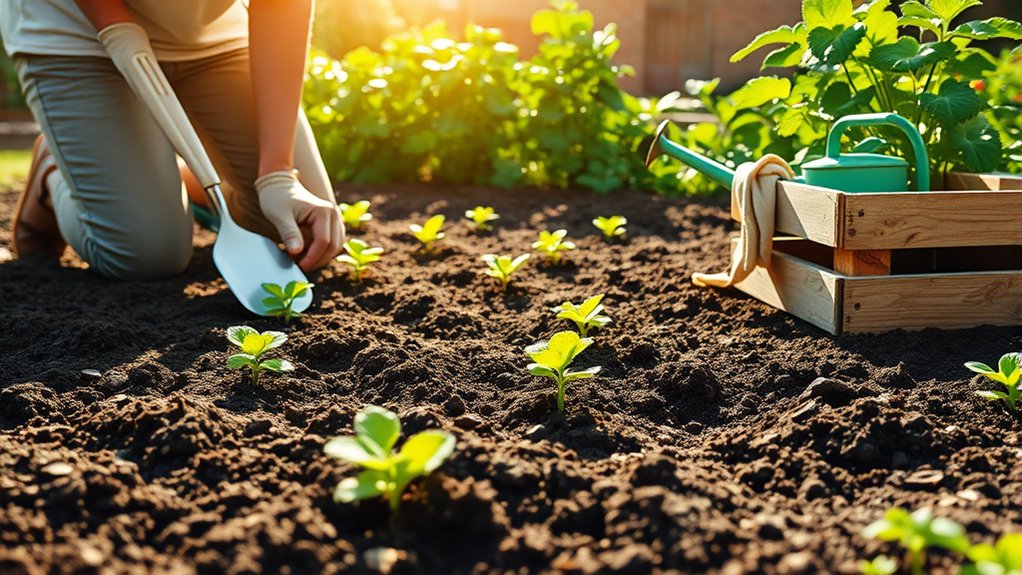
Timing matters because seeds and seedlings need the right temperatures to thrive. Check your local frost dates, then use seed packets or a regional planting calendar to plan seed start timing. Cool-season crops, such as peas and spinach, can often go into the ground before the last spring frost. Warm-season vegetables, including tomatoes and peppers, need warmer soil and should wait until frost danger passes.
Check local frost dates and follow regional guidance to time planting for cool-season and warm-season crops.
Before planting, prepare each crop according to its needs:
- Sow small seeds shallowly; follow packet depth instructions.
- Plant larger seeds deeper, as directed on the packet.
- Harden indoor-grown seedlings by gradually exposing them to outdoor conditions.
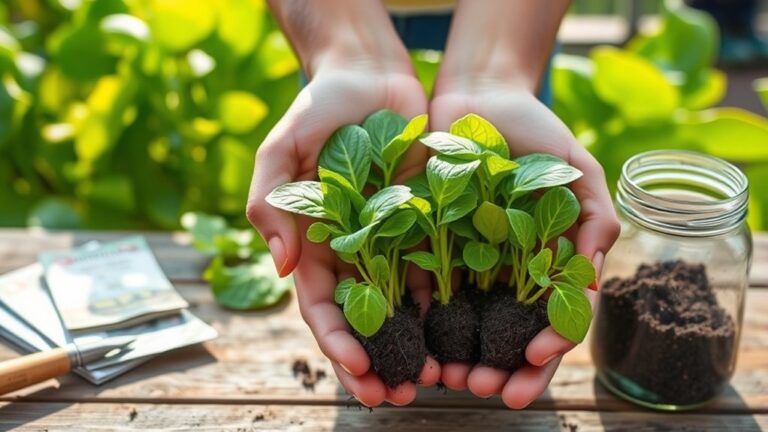
- Set seedlings at the depth they grew in their containers, unless instructions say otherwise.
- Follow recommended seedling spacing so plants have room to mature.
Planting too early can expose tender growth to cold, while planting too late may shorten the harvest. If you’re unsure, choose a date suited to your climate rather than relying on the calendar alone. Read each label carefully before you plant.
Water, Weed, and Care for Your Veggie Garden
How often should you water your garden? Check the soil first: if the top inch feels dry, water deeply at the base of your plants. Most vegetables need about an inch of water each week, including rainfall, but hot, windy weather may call for more. Water early in the morning to reduce evaporation and help leaves dry before nightfall.
A drip irrigation system delivers water directly to roots, saving time and limiting wet foliage. If you water by hand, aim for the soil rather than the leaves. Apply mulch strategies such as spreading straw or shredded leaves around plants to hold moisture, suppress weeds, and keep soil temperatures steady. Leave space around stems to prevent rot.
Pull weeds while they’re small, before they compete for water and nutrients. Check plants regularly for pests, disease, and signs of stress. Remove damaged leaves, support climbing crops, and harvest ripe vegetables promptly. Consistent care helps your garden stay productive throughout the growing season.
Frequently Asked Questions
How Much Does It Cost to Start a Vegetable Garden?
You can start a vegetable garden for about $50–$300, depending on its size, location, and supplies. Your cost breakdown may include seeds or seedlings ($10–$50), soil and compost ($20–$100), containers or raised beds ($20–$150), and basic tools ($15–$75).
Soil amendment costs vary with existing soil quality. For budgeting tips, reuse containers, begin with seeds, and buy only essentials. Set aside extra startup funds for watering equipment and unexpected needs.
What Tools Do Beginner Gardeners Need?
You’ll need a hand trowel, sturdy gloves, pruning shears, a watering can or hose, and a digging fork for most beginner gardening tasks. The National Gardening Association reports that one in three U.S. households grows food at home, so you’re joining plenty of gardeners. Choose beginner friendly tools that feel comfortable and last; you don’t need a big kit. When budgeting for gear, start with essentials and add tools as your garden grows.
Can I Grow Vegetables Indoors Without a Garden?
Yes, you can grow vegetables indoors without a garden. Choose compact crops like lettuce, spinach, herbs, radishes, or cherry tomatoes, and plant them in containers with drainage holes.
For successful indoor growing, place pots near a sunny window or use a grow light. Check each plant’s light requirements, since fruiting vegetables usually need more brightness than leafy greens.
Water when the soil feels dry, and feed plants regularly with a suitable fertilizer.
How Do I Keep Pests Out of My Vegetable Garden?
To keep pests out, you’ll need to invite a few helpful bugs to your garden—ironic, but beneficial insects can protect your vegetables. Start with pest proofing strategies: cover young plants with lightweight row covers, remove weeds and fallen leaves, and rotate crops each season.
Check leaves regularly for eggs or damage, then handpick larger pests. Water at the soil level, and avoid broad-spectrum pesticides that can harm pollinators and your garden’s natural allies.
When Should I Harvest Homegrown Vegetables?
Harvest homegrown vegetables when they reach their expected size, color, and firmness; the best harvest timing varies by crop. Check seed packets or plant labels for maturity estimates, then inspect your vegetables regularly.
Pick leafy greens young and tender, harvest tomatoes when fully colored but still firm, and gather beans before their seeds bulge.
Use flavor testing to guide your choices: taste a small sample, and harvest when it’s crisp, sweet, or pleasantly ripe.
Conclusion
Starting a veggie garden doesn’t require a big yard or years of experience. Choose a sunny spot, build healthy soil, and grow easy crops suited to your season.
Plant at the right time, then water consistently and pull weeds before they take over. If you’re short on space, a sunny patio pot with lettuce and herbs can still provide fresh harvests.
Start small, notice what thrives, and use each season’s lessons to grow with confidence. With these simple steps, you can start a veggie garden from scratch and enjoy fresh produce at home.