5 Essential Tips on Caring for Perennials
Keeping perennials healthy can feel like a guessing game, especially when you’re unsure how much sun, water, or protection they need. You’re not alone—many gardeners struggle to find a care routine that works. These five essential tips on caring for perennials can help you give your plants what they need throughout the seasons.
To keep your perennials thriving, choose a spot that matches their sunlight needs, usually at least six hours of direct sun. Check the soil before watering, then soak roots deeply when needed, especially for new plants. Test your soil before feeding, and use compost or slow-release fertilizer when appropriate.
Remove spent blooms to encourage rebloom in some varieties, or leave seed heads for wildlife. Before winter, water deeply, mulch after frost, and protect vulnerable plants. You’ll find more seasonal care tips ahead.
Key Takeaways
- Plant perennials where they receive the right amount of sunlight, checking labels and observing seasonal shade.
- Water according to soil moisture and plant needs, soaking roots deeply and checking new plantings more often.
- Test soil before feeding, and use compost or balanced, slow-release fertilizer only when needed.
- Remove spent blooms with clean pruners to encourage rebloom where possible, or leave seed heads for wildlife.
- Prepare for winter by watering before the ground freezes, mulching after hard frost, and protecting vulnerable plants.
Choose a Sunny Spot for Your Perennials

Start by choosing a sunny spot: most perennials thrive with at least six hours of direct sunlight a day. Before planting, watch how sunlight moves across your garden from morning to evening. A sunny placement helps flowering varieties produce abundant blooms and supports sturdy growth. Check each plant’s label for its light requirements, since some perennials need full sun while others prefer partial shade.
Don’t assume every plant in a shaded corner will struggle. Compare its shade tolerance with the conditions you can provide. Some varieties flourish beneath trees or beside buildings, while others grow leggy and bloom poorly without enough light. If your garden receives mixed sun, group plants according to their needs rather than forcing one location to suit them all.
Also consider nearby structures and mature plants that may cast longer shadows as the seasons change. Choose spots that match each perennial’s preferences, and you’ll give your plants a stronger start and a better chance to thrive. Mark locations before digging.
Water Perennials Based on Their Needs
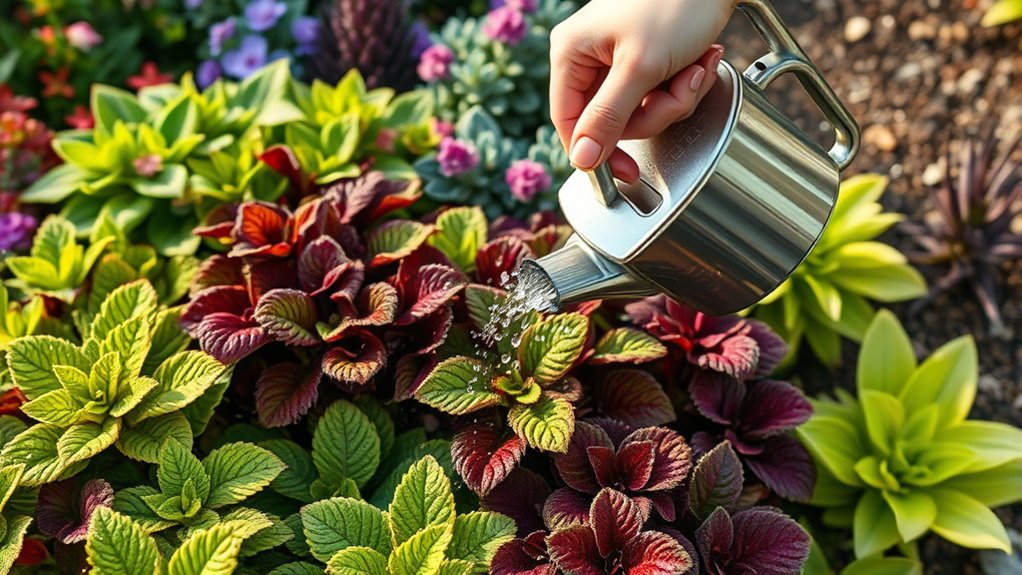
Water perennials according to their soil, climate, and growth stage—not by a fixed schedule. Check the soil before you reach for the hose: press a finger an inch or two below the surface. If it feels dry, water; if it’s damp, wait. This simple check helps you adjust watering frequency as rainfall, heat, and wind change.
When you water, soak the root zone slowly and deeply rather than sprinkling leaves. Deep watering encourages roots to grow downward and helps plants handle short dry spells. Aim water at the soil, especially in the morning, so foliage can dry during the day.
Newly planted perennials need closer attention than established ones because their roots haven’t spread far. During hot weather, check them more often, but don’t keep the ground soggy. Dense, poorly drained soil may need less water than sandy soil, which dries quickly. Watch for wilting, yellowing, or persistently wet ground, and adjust to maintain soil moisture balance.
Feed Perennials for Stronger Growth

Feed perennials based on their soil and growth, not a fixed schedule. Before adding fertilizer, check your soil’s condition and consider what each plant needs.
Feed perennials according to soil conditions and plant growth, rather than following a fixed fertilizer schedule.
Rich soil may already provide enough nutrients, while poor soil can benefit from a carefully chosen amendment. Feeding boosts vigor when plants lack essential elements, but excess fertilizer can encourage weak growth or damage roots.
Choose a balanced, slow-release product, or improve the bed with compost. Follow label directions, and apply fertilizer to moist soil so nutrients reach roots without scorching them.
Keep products away from stems and foliage unless the label says otherwise.
- Test your soil to identify nutrient gaps before you fertilize.
- Use compost to add organic matter and support soil nutrients.
- Reduce or skip feeding for plants growing strongly in fertile ground.
Watch how your perennials respond through the season. Pale leaves or stunted growth may signal a problem, but pests, disease, and poor drainage can cause similar symptoms.
Address the cause before adding more fertilizer.
Deadhead Perennials to Encourage More Blooms
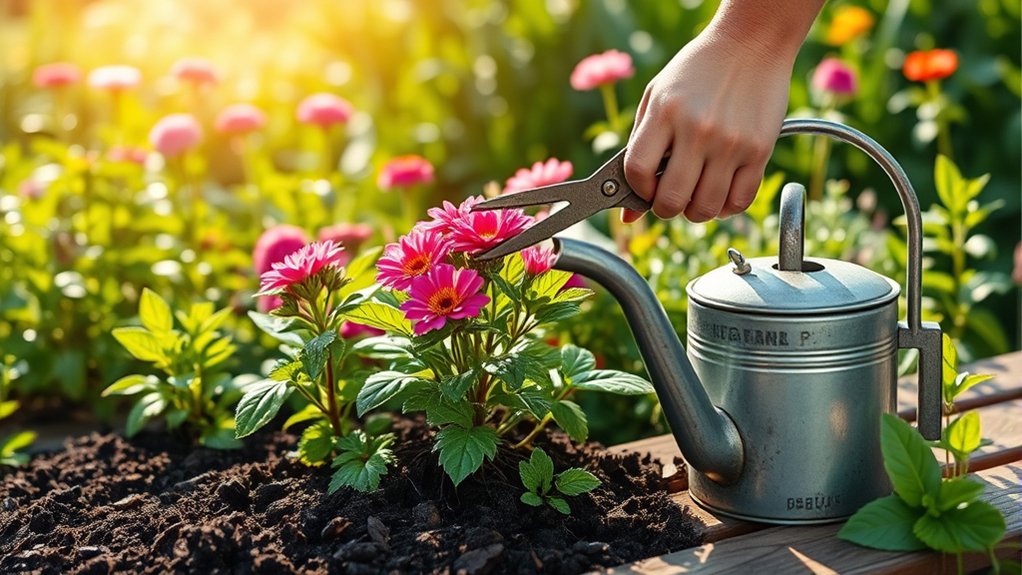
Once you’ve addressed your perennials’ nutrient needs, remove spent flowers to encourage some varieties to bloom again. Snip each faded flower just above a healthy leaf or side bud, using clean, sharp pruners. This simple deadhead maintenance keeps plants looking tidy and directs energy away from seed production.
Check your plants regularly, since bloom timing varies by species. Some perennials may produce another flush after you remove old blooms, while others flower only once per season. Follow each plant’s growth pattern, and avoid cutting off unopened buds or healthy foliage. If you’re unsure whether a variety benefits from deadheading, look up its care needs before trimming.
You can leave seed heads on plants that provide food for birds or add visual interest. Otherwise, remove spent flowers as they fade rather than waiting until the whole plant looks untidy. With attentive trimming, you’ll support repeat blooms where possible and keep your perennial garden neat throughout its flowering season.
Prepare Perennials for Winter and Seasonal Changes
As temperatures drop, prepare your perennials for winter by checking which varieties need protection and which can withstand the cold. Your plants’ frost tolerance, age, and growing conditions will guide your choices. Water them deeply before the ground freezes, but stop fertilizing in late summer so new growth doesn’t emerge too close to winter.
- Mulch after the first hard frost: Spread a loose layer of straw or shredded leaves around roots to buffer temperature swings. Keep mulch off crowns to prevent rot.
- Cut back selectively: Remove diseased foliage, but leave healthy stems and seed heads for wildlife and winter interest. Check each plant’s needs before pruning.
- Protect vulnerable varieties: Wrap shrubs or cover tender perennials with breathable fabric, and move potted plants to a sheltered spot.
As seasons change, inspect beds after storms and refresh displaced mulch. In spring, remove coverings gradually as temperatures rise. This steady winter protection helps you prevent damage without smothering plants or encouraging premature growth.
Frequently Asked Questions
How Do I Divide Overcrowded Perennials?
To divide overcrowded perennials, water the plant, then lift it carefully with a garden fork. Shake or rinse away excess soil, and separate the root clump into healthy sections, each with roots and shoots. Discard dead or woody centers, then replant divisions promptly at their original depth and water well.
The best time to transplant is usually spring or early fall, when mild temperatures help roots establish before heat or frost arrives.
When Is the Best Time to Transplant Perennials?
The best time to transplant perennials is early spring or early fall, when cooler weather and moist soil help them establish before heat or frost. For reliable transplant timing, choose a cloudy day and water the plant the day before.
Dig widely to preserve roots, then set it at its original root ball depth in prepared soil. Water thoroughly, keep the soil evenly moist, and add mulch, leaving space around stems.
How Can I Identify and Treat Common Perennial Diseases?
You can identify common perennial diseases by checking leaves, stems, and roots regularly. Powdery coatings, rust-colored spots, wilting, and soft, dark roots may signal trouble.
For fungal infections, look for spreading spots or fuzzy growth. Remove affected parts, improve airflow, and avoid wetting foliage.
For bacterial diseases, prune infected tissue with sanitized tools and discard it. Don’t compost diseased plants.
Water at soil level, rotate plantings, and choose resistant varieties.
Which Perennials Are Safe for Pets?
For perennial pet safety, choose plants such as garden phlox, bee balm, coral bells, asters, and snapdragons; these are generally considered non-toxic to cats and dogs. You don’t have to sacrifice color or variety to protect your pets. These non toxic plant options can brighten beds and borders. Still, pets may react to any plant if they eat enough, so check each species with your veterinarian or a trusted poison-control resource before planting.
How Do I Prevent Weeds From Spreading Through Perennial Beds?
Prevent weeds from spreading through perennial beds by pulling young invaders before they set seed, then cover bare soil with two to three inches of mulch. Effective weed control combines regular hand-pulling with smart mulch strategies, while keeping mulch away from plant crowns.
Divide crowded plants to fill gaps, and follow proper transplant timing so perennials establish quickly. Check unwanted growth carefully; accurate disease diagnosis helps you distinguish weeds from plants, including pet safe perennials, before removing them.
Conclusion
Care for your perennials with a little attention, and they’ll reward you season after season. Give them sunshine, water them to suit their needs, and feed them for steady growth.
Snip spent blooms to keep the color coming, then tuck plants in before winter’s chill. Think of each small task as a note in a garden song: together, they create a lasting melody of healthy roots, fresh leaves, and flowers that return to greet you year after year.
With these five essential tips for caring for perennials, you can enjoy healthy plants and beautiful blooms season after season.