How to Plant a Flower Bed in 5 Simple Steps
Starting a flower bed can feel overwhelming when you’re unsure what to plant, where to put it, or how to keep it thriving. You’re not alone—many people struggle to turn a bare patch of ground into a colorful garden. These five simple steps for how to plant a flower bed can help you get started with confidence.
To plant a flower bed in five simple steps, choose a sunny, well-drained spot that’s easy to reach. Select flowers suited to your light, climate, space, and preferred colors, checking their mature sizes. Clear debris and weeds, loosen the soil 8–12 inches deep, and mix in finished compost. Arrange plants by height and spacing, then plant at root-ball depth. Water slowly at the soil line, mulch, and keep up with weeding and spent blooms. The details below can help your bed thrive.
Key Takeaways
- Choose a visible, accessible spot with suitable sunlight and good drainage, avoiding low areas where water collects.
- Select flowers suited to your site’s light, climate, space, and preferred colors; check their mature height and spread.
- Clear weeds and debris, loosen soil 8–12 inches deep, and mix in finished compost to improve soil structure.
- Arrange plants by mature size, placing taller varieties behind shorter ones, then plant at the spacing and depth on their labels.
- Water slowly at the soil line, keep soil evenly moist as plants establish, add 2–3 inches of mulch, and check weekly for weeds or pests.
Choose the Right Spot for Your Flower Bed
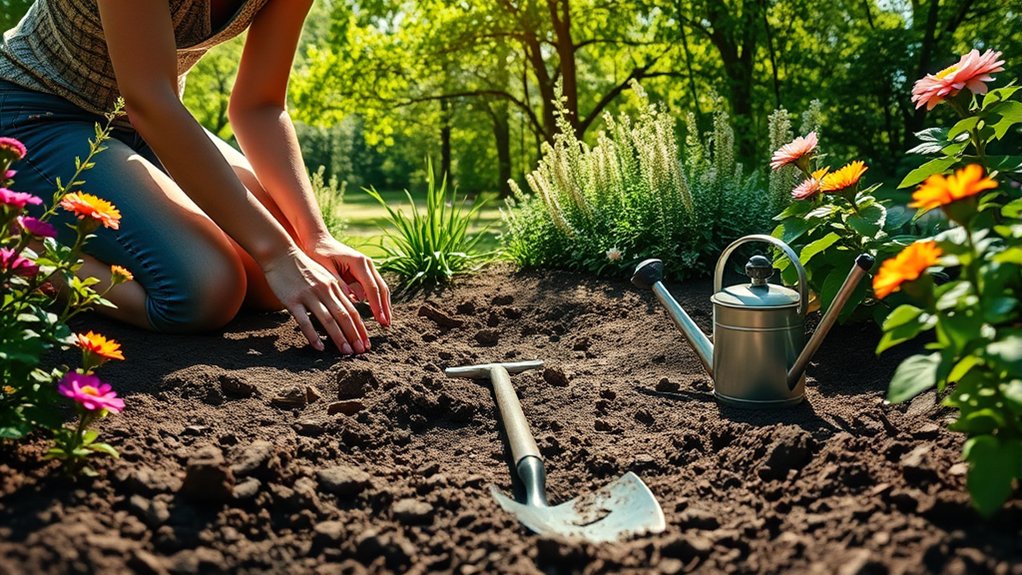
Start by choosing a spot that suits the flowers you want to grow. Before you mark out your flower bed, watch how sunlight moves across your yard. Note which areas get full sun, partial shade, or shade, and consider how that pattern changes throughout the day. This simple check helps you choose a location that can support healthy growth.
Next, check the ground after rain. Avoid low spots where water collects, since soggy soil can harm many plants. A gentle slope or level area with reliable drainage usually works better. Also consider access: you’ll want to reach the bed easily for watering, weeding, and other routine care.
Think about nearby trees, walls, and fences, too. They may cast shade, block airflow, or compete for water. As idea one, sketch a few possible locations and compare their light and drainage. For idea two, choose a spot you can see and enjoy from your home. Once you’ve settled on the location, mark the bed’s outline before preparing the ground.
Pick Flowers That Suit Your Flower Bed
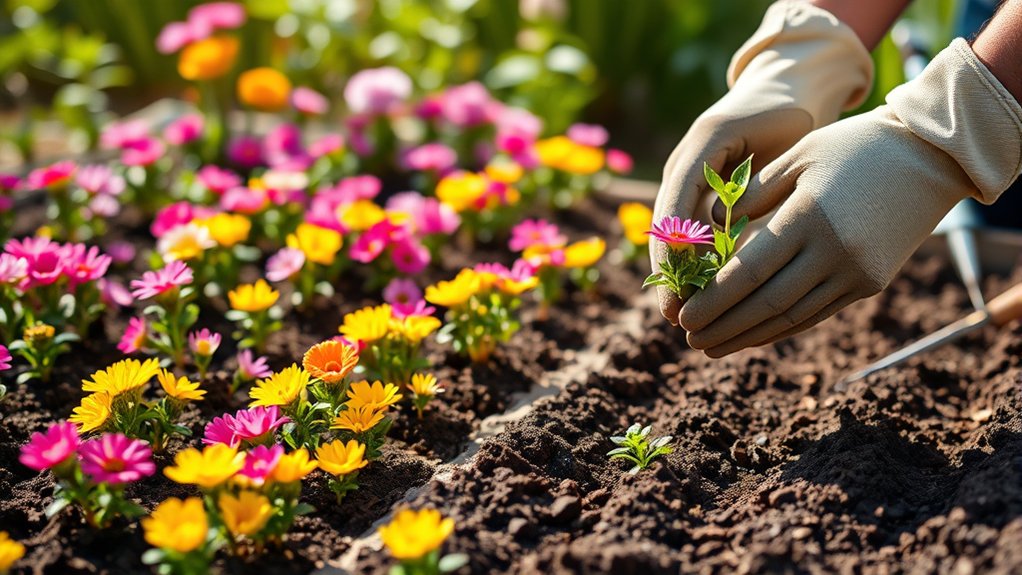
Which flowers will thrive in your bed? Match each plant to the sunlight and space you identified, then check its mature height and spread. Choose varieties suited to your climate and bloom season so your display lasts longer. A thoughtful seed selection can also give you more choices in color and form.
| Flower | Best light | Height |
|---|---|---|
| Zinnia | Full sun | Medium |
| Begonia | Partial shade | Low |
Use the table as a starting point, not a strict rule. Check each variety’s label for local growing needs. Combine plants with different bloom times, and leave room for their mature size so they won’t crowd one another.
For a cohesive look, choose color palettes that complement your home or garden. You might repeat two main colors and add one contrasting accent. Include varied shapes and foliage, too, so the bed stays interesting between blooms. If you’re buying seedlings, inspect leaves and stems for healthy growth, and select plants with similar care needs.
Improve the Soil Before Planting Flowers
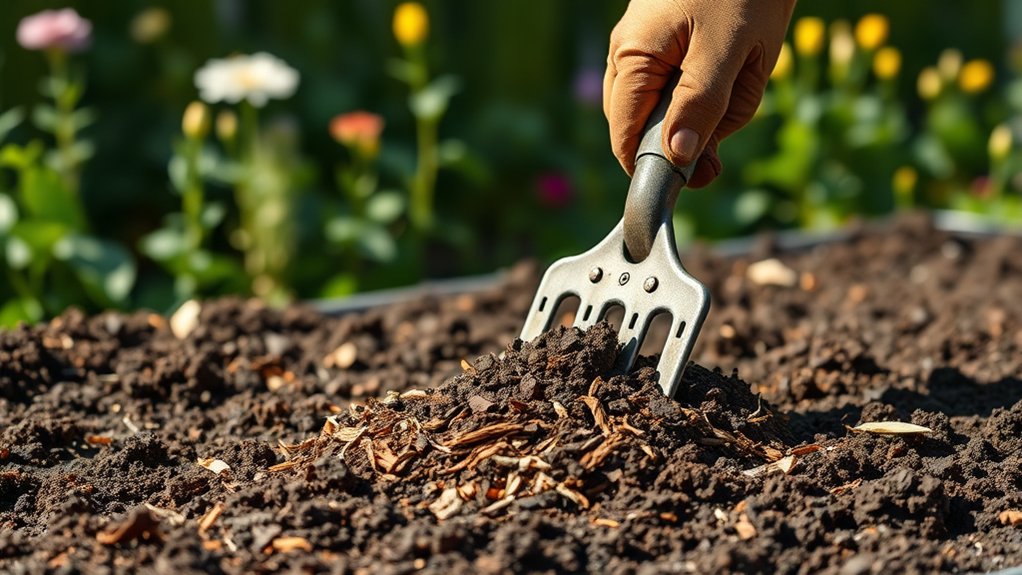
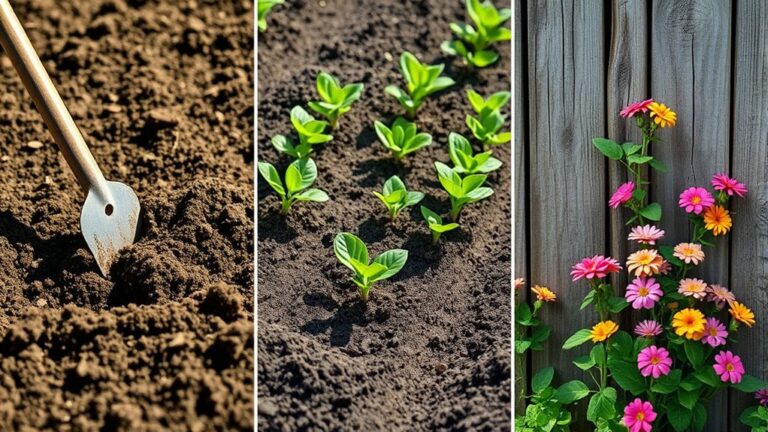
Once you’ve chosen flowers suited to your bed, prepare the soil so their roots can take hold. Start by removing weeds, rocks, and old plant debris. Loosen the ground with a garden fork or spade, working about 8 to 12 inches deep. Don’t dig when the soil is wet; you could compact it and damage its structure.
Check the soil’s texture and drainage. If it feels heavy and sticky, mix in organic matter to improve airflow and drainage. If it’s sandy and dries quickly, add material that helps retain moisture. These soil amendments also support healthy soil life.
Spread a layer of finished compost over the bed and blend it into the loosened soil. You can use home composting techniques to turn kitchen scraps and yard waste into a useful amendment, but make sure the compost is fully decomposed before adding it.
Finish by raking the surface level, then water lightly to settle the soil.
Space and Plant Your Flowers
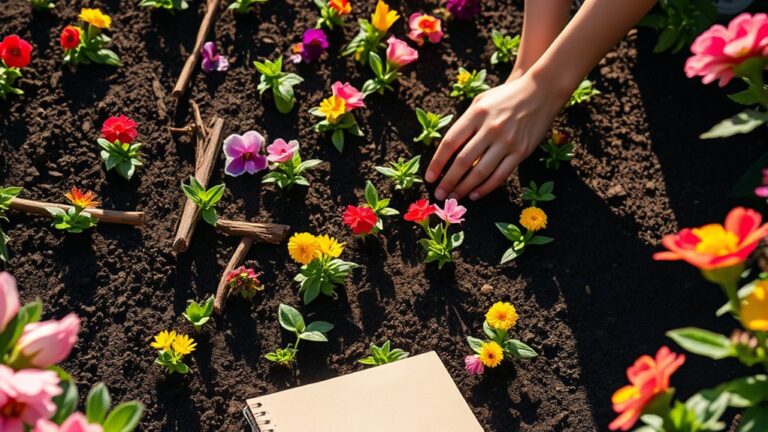
Before planting, arrange your flowers on the soil while they’re still in their pots. This lets you test spacing and adjust the layout before digging. Use space planning to account for each plant’s mature width and height, not just its current size.
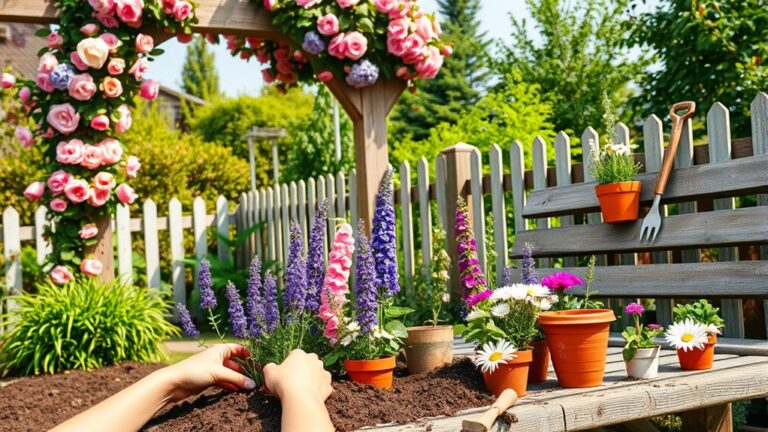
Place taller varieties toward the back of a bed viewed from one side, or in the center of an island bed. Set shorter flowers along the front edge so each plant remains visible.
| Flower type | Placement idea |
|---|---|
| Tall | Back or center |
| Medium | Middle layer |
| Short | Front edge |
Try color coordination by grouping complementary shades or repeating one color throughout the bed. Once the arrangement looks balanced, check the plant tags for recommended spacing.
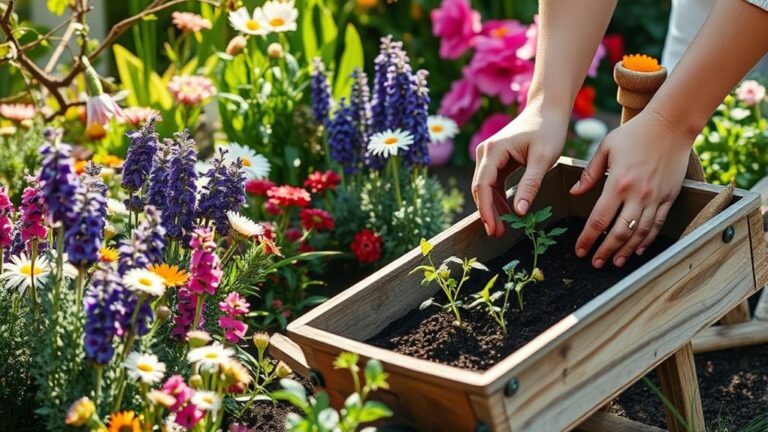
Dig a hole as deep as each root ball and about twice as wide. Remove each flower gently from its pot, loosen circling roots, and set it upright. Backfill with soil, then press lightly around the base to secure it.
Water and Care for Your New Flower Bed
How often should you water your new flower bed? Check the soil before you reach for the hose. During the first few weeks, keep the root zone evenly moist, not soggy.
Water slowly at soil level so moisture reaches the roots and leaves stay dry. Adjust your watering schedule for rainfall, heat, and soil type; containers and sandy beds may dry faster.
Water slowly at the soil line, and adjust for rain, heat, and soil type to keep roots moist and leaves dry.
Use these four habits to help your flowers settle in:
- Water deeply in the morning, giving roots time to absorb moisture before midday heat.
- Check soil two inches down; water when it feels dry, rather than following a rigid calendar.
- Spread two to three inches of mulch, keeping it clear of stems. Compare mulch options such as shredded bark, compost, or leaf mold.
- Remove weeds, pinch off spent blooms, and inspect leaves weekly for pests or disease.
As plants establish, water less often but more deeply. Watch for wilting, yellowing, or persistently wet soil, and adjust promptly to keep your new bed thriving.
Frequently Asked Questions
When Is the Best Time of Year to Create a Flower Bed?
The best time to create a flower bed is spring or early fall, when mild temperatures help plants establish roots. Your seasonal timing depends on your climate: plant after your area’s last frost in spring, or several weeks before the first frost in fall.
Check a local planting calendar to choose suitable dates and flowers. You’ll also avoid summer heat, which can stress new plants and make watering more demanding.
How Much Does It Cost to Start a Flower Bed?
The cost to start a flower bed typically ranges from $50 to $500, depending on its size, soil condition, and plant choices. You might spend $20–$100 on soil amendments, $30–$200 on plants, and extra for edging, mulch, or tools. To save, start small, choose affordable perennials, and reuse materials you already have. Include pet protection in your budget if you need fencing or pet-safe barriers to keep curious animals away from plants.
Do I Need Permission to Create a Flower Bed?
You may need permission to create a flower bed, depending on where you live and who owns the land. Check local permitting requirements and zoning considerations before you start, especially if you’ll dig near utilities, alter drainage, or plant in a shared space. If you rent, ask your landlord; if you live in a homeowners association, review its rules. On your own property, a small bed usually needs no permit, but confirm locally.
How Can I Protect a Flower Bed From Pets?
Protect your flower bed by giving it a gentle gatekeeper: install pet safe barriers, such as low fencing, decorative edging, or sturdy mesh, to keep curious paws out. For effective protecting beds, choose a height your pet won’t jump and secure every gap.
You can also use large stones or planters to mark the boundary. Redirect pets with a nearby play area, and avoid repellents or plants that could harm them. Check barriers regularly for damage.
What Tools Should I Have for Maintaining a Flower Bed?
Keep a hand trowel, pruning shears, garden gloves, a weeder, and a watering can or hose handy for flower-bed maintenance. Add a sturdy rake for clearing leaves, a small cultivator for loosening soil, and a bucket for collecting clippings.
A moisture meter can help you avoid overwatering and support water conservation. Clean your tools after use, and learn basic pruning techniques to remove dead growth without damaging healthy stems.
Conclusion
Your flower bed begins with a good spot, suitable blooms, and soil prepared to welcome roots. Give each plant room to grow, then water gently and keep an eye on its needs.
With these simple steps for how to plant a flower bed, you’ve laid the groundwork for color that unfolds season by season. Think of your bed as a small living canvas: tend it with patience, and it’ll reward you with fresh petals, buzzing visitors, and beauty that brightens your days.