How to Make a Small Garden in 3 Simple Steps
Starting a garden in a small space can feel overwhelming, especially when you’re unsure what to plant or where to begin. You’re not alone—many people want a thriving garden but struggle to make the most of limited room.
Learning how to make a small garden doesn’t have to be complicated. First, choose a spot with enough sunlight, good drainage, shelter from harsh wind, and easy access to water. Next, pick compact plants suited to your light, space, and growing season, then gather containers or beds, suitable soil, and basic tools. Finally, plant at the recommended depth and spacing, water gently, and add a thin layer of mulch. Keep notes on care, and you’ll find more ways to help your garden thrive.
Key Takeaways
- Choose a sunny, sheltered spot with good drainage and enough room to reach plants without stepping on growing areas.
- Select compact plants suited to your sunlight, available space, and growing season; check their mature sizes before planting.
- Prepare garden beds or containers with suitable soil, drainage, and basic tools.
- Plant seeds or transplants at the labeled depth and spacing, then water gently and add a thin mulch layer.
- Maintain your garden by watering regularly, pruning crowded growth, and tracking progress in a simple journal.
Choose a Small-Garden Spot With Enough Sunlight
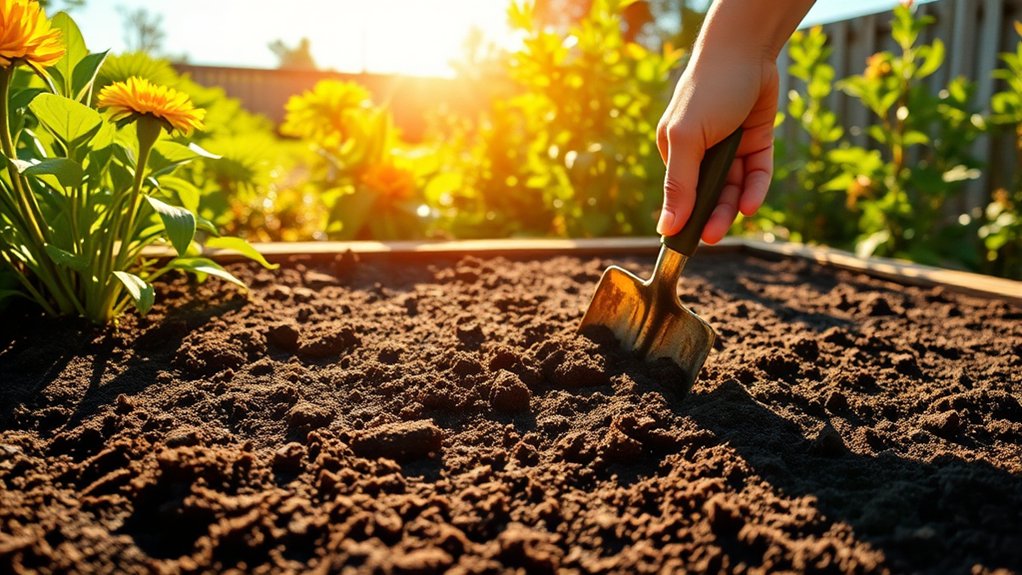
Start by finding a spot that gets enough sunlight for the plants you want to grow. Watch the area throughout the day, noting how many hours of direct light it receives and where shadows fall. Nearby buildings, fences, and trees can block sun at different times, so check more than once before settling on a location.
Next, consider how the spot handles wind and rain. A sheltered corner can offer wind protection, but avoid places where walls trap heat or rainwater collects. Check that you can reach the area easily with a watering can or hose, and leave enough room to move around without stepping on the growing space.
Finally, assess soil quality and drainage. After rain, see whether water pools or drains away quickly. If you’re using a paved area, confirm that containers can sit safely and that water won’t damage nearby surfaces. Choose a spot that gets suitable light, stays reasonably sheltered, and remains convenient to care for throughout the season.
Choose Plants and Supplies for Your Space
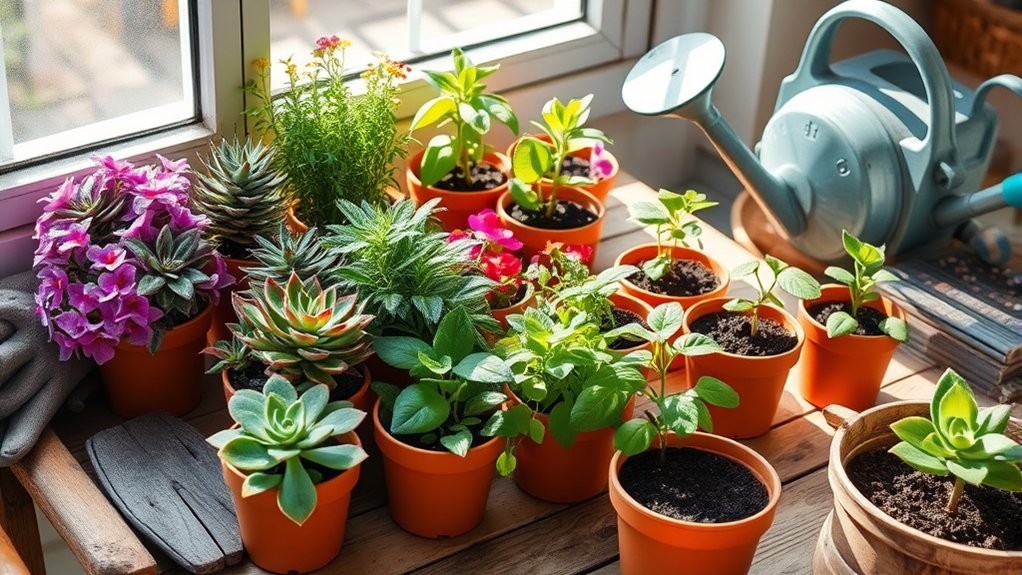
Choose plants that fit your garden’s light, space, and growing conditions. Check each plant’s mature size so you won’t crowd a small bed or container. Compact vegetables, herbs, and dwarf varieties often make practical choices, while native flowers can support local pollinators. Match plants to your available sunlight and the length of your growing season.
Before you shop, assess soil quality and decide what your space needs. A container garden calls for pots with drainage holes and a suitable potting mix; a raised bed may need boards, soil, and compost. Plan water management around your setup, too, and choose a watering can or hose that reaches every plant.
Use this short supply list to guide your purchases:
- Containers or bed materials sized for your space
- Potting mix or compost suited to your chosen plants
- Labels and basic hand tools for organizing supplies
Buy only what you’ll use, and leave room for plants to grow comfortably.
Plant Your Small Garden and Keep It Healthy
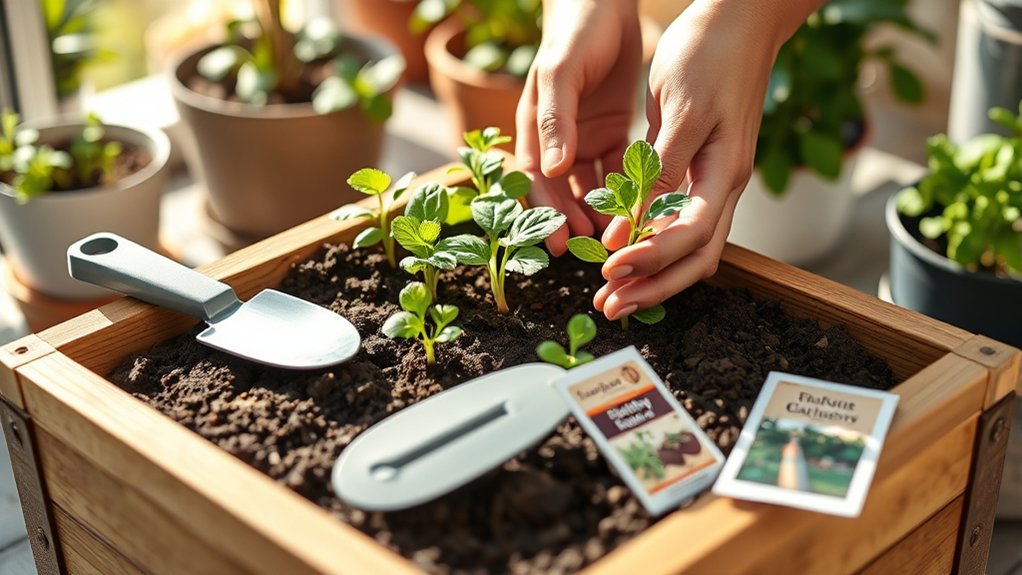
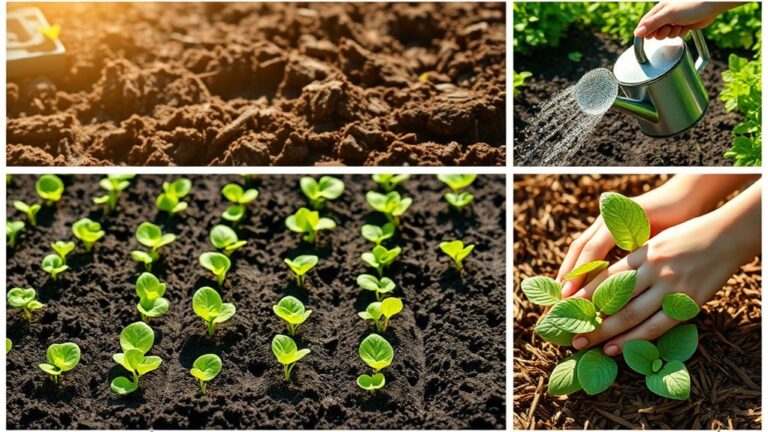
Once your supplies are ready, plant each seed or transplant at the depth and spacing listed on its label. Water gently to settle soil around roots, then add a thin mulch layer to conserve moisture.
Your seed selection should match your sunlight, space, and climate; choose varieties with drought tolerance if you can’t water often.
| Garden need | Simple action |
|---|---|
| Soil health | Mix in finished compost |
| Pest prevention | Check leaves for damage |
| Water balance | Water when topsoil feels dry |
Keep soil evenly moist while seeds sprout, but don’t leave roots sitting in water. As plants grow, remove weeds that compete for light and nutrients.
Inspect leaves regularly, and handpick pests or use a barrier before damage spreads. Feed plants only as directed for your crop; excess fertilizer can weaken growth.
Prune crowded foliage to improve airflow, and harvest ripe produce promptly. Track watering, growth, and problems in a small garden journal so you can adjust care through the season.
A few steady checks help your garden thrive.
Frequently Asked Questions
Can I Create a Small Garden on a Balcony or Indoors?
Yes, you can create a small garden on a balcony or indoors. For balcony gardening, choose compact containers, secure them safely, and select plants suited to your sunlight and climate.
Indoors, use indoor planters with drainage holes and place them near a bright window or under a grow light. Start with herbs, leafy greens, or small flowers, and water when the soil feels dry. You’ll need only a little space and regular care.
How Much Does It Cost to Start a Small Garden?
You can start a small garden for $20–$100. Your cost breakdown includes seeds or seedlings, containers, soil, and basic tools. Choose budget-friendly options, such as recycled pots, to keep costs low.
For balcony gardening or indoor growing, add suitable planters and lighting if needed. Check permissions for shared spaces, and consider pet deterrents. Use decorating ideas and a space-saving design to make every dollar and inch count.
Do I Need Permission to Garden in a Shared Space?
Yes, you should get permission before gardening in a shared space. Start with a permission check: ask the property owner, manager, or other residents who control the area.
Your shared space rights may depend on your lease, community agreement, or local rules. If you live in a neighborhood with an HOA, review its HOA rules before planting.
Confirm gardening permission in writing, especially if you’ll add containers, dig, or install structures.
How Can I Keep Pets From Damaging My Garden?
You can protect your garden from pets with sturdy barriers, clear boundaries, and tempting alternatives—because one curious paw can turn a peaceful plot into a botanical battlefield. Try pet proofing ideas like raised beds, motion-activated sprinklers, or planting prickly herbs around vulnerable areas.
If a full fence feels excessive, explore fence alternatives such as low garden edging, decorative mesh, or container placement. Reward your pet for staying away, and keep toxic plants out of reach.
What Are Creative Ways to Decorate a Small Garden?
You can make a small garden charming with creative containers, vertical arrangements, and playful details. Repurpose colorful tins, old boots, or a painted wheelbarrow as planters.
Hang baskets or mount shelves to showcase flowers without using floor space. Add a tiny mirror to create a sense of depth, or string solar lights along a fence.
Finish with a mosaic stepping stone or a compact birdbath that gives your garden personality and a welcoming focal point.
Conclusion
Your small garden doesn’t need much space—just a sunny spot, suitable plants, and steady care. Choose supplies that fit your area, then plant thoughtfully and water as needed.
Keep an eye on growth, remove weeds, and adjust care as the seasons change. Remember, “great things come in small packages.”
With a little patience, you’ll turn even a balcony or patio into a thriving green retreat. Start today, and enjoy the fresh beauty you’ve grown with your own hands in your small garden.