5 Tips to Get Better at Growing a Garden
Growing a garden can feel overwhelming when plants wilt, pests appear, or your hard work doesn’t seem to pay off. You’re not alone—many people struggle to figure out what their garden needs. These five tips to get better at growing a garden can help you build confidence and enjoy healthier plants.
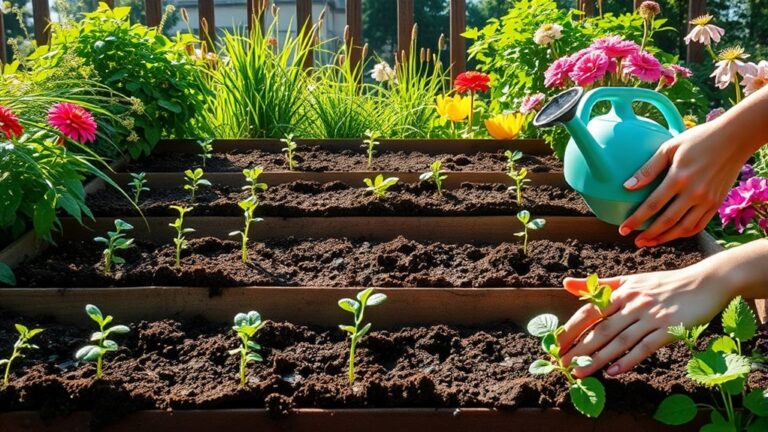
Choose plants suited to your climate and growing season, then group them by sunlight needs. Improve soil with finished compost, and address drainage by loosening compacted ground or raising beds.
Water deeply when the soil feels dry an inch below the surface, aiming near the roots. Add two to three inches of mulch, keep it away from stems, and prune with clean tools.
Check plants often to catch problems early. These simple habits can help you grow with confidence.
Key Takeaways
- Choose plants suited to your climate, growing season, and local frost dates.
- Match plants to the sunlight they need, grouping those with similar light requirements.
- Improve soil with finished compost and address drainage problems with looser soil or raised beds.
- Water deeply at the roots when the soil feels dry, rather than following a fixed schedule.
- Mulch, prune with clean tools, and inspect plants regularly to catch problems early.
Choose Garden Plants for Your Climate
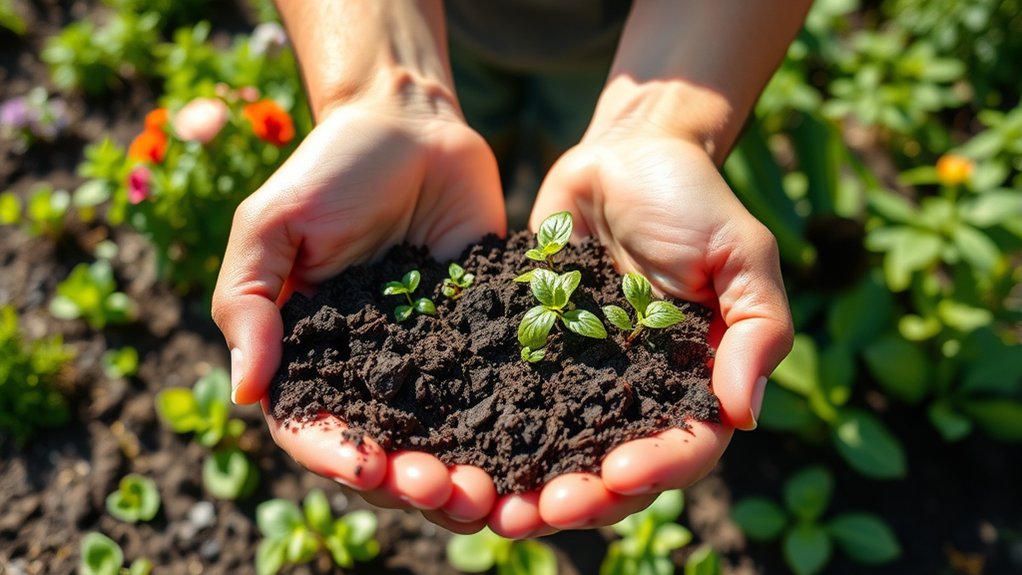
Before choosing plants, check your area’s hardiness zone and typical growing season. These details help you select varieties that can handle local winter lows and mature before frost arrives. Check seed packets and plant labels for zone ranges and days to maturity, then compare them with your region’s frost dates. If your growing season is short, choose fast-maturing vegetables or start suitable seeds indoors.
Next, consider your area’s rainfall, humidity, and temperature swings. Plants adapted to your climate usually need less intervention and are more likely to thrive. In dry regions, prioritize drought tolerance and group plants with similar water needs. Where summers run hot and humid, look for varieties bred to resist common local diseases.
Ask a nearby nursery, extension office, or experienced gardener which plants perform reliably in your area. Keep notes on what succeeds, and adjust your choices each season. A perennial patient enough to establish may reward you with years of growth, while climate-suited annuals can deliver quicker results. Choose for your conditions, not just appearance.
Match Each Plant to the Right Sunlight
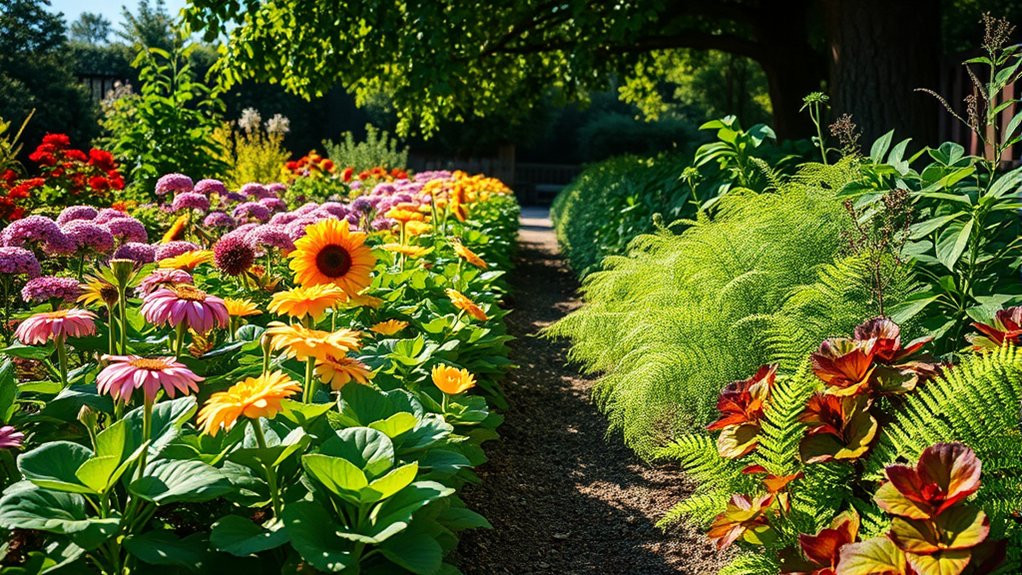
Once you’ve chosen plants suited to your climate, match them to the light in your garden. Check each plant’s label or a trusted growing guide to learn its sunlight needs.
Full-sun plants usually need at least six hours of direct light daily, while partial-sun varieties often thrive with three to six hours. Shade-loving plants prefer less direct exposure and may scorch in intense afternoon sun.
Match plants to their light needs: full sun requires six or more hours, while shade lovers need protection from intense afternoon rays.
Observe your garden throughout the day before deciding on plant placement. Buildings, fences, and trees can cast shifting shadows, so a spot that looks sunny in the morning may be shaded later.
Note where sunlight falls at different times, then group plants with similar needs in those areas. Put sun lovers in open, bright spaces, and reserve sheltered corners for plants that prefer shade.
If you grow in containers, you can move them as the seasons change or as nearby plants grow. Watch leaves for clues: pale, scorched foliage may signal too much sun, while sparse growth can mean too little. Adjust locations when needed.
Improve Garden Soil and Drainage
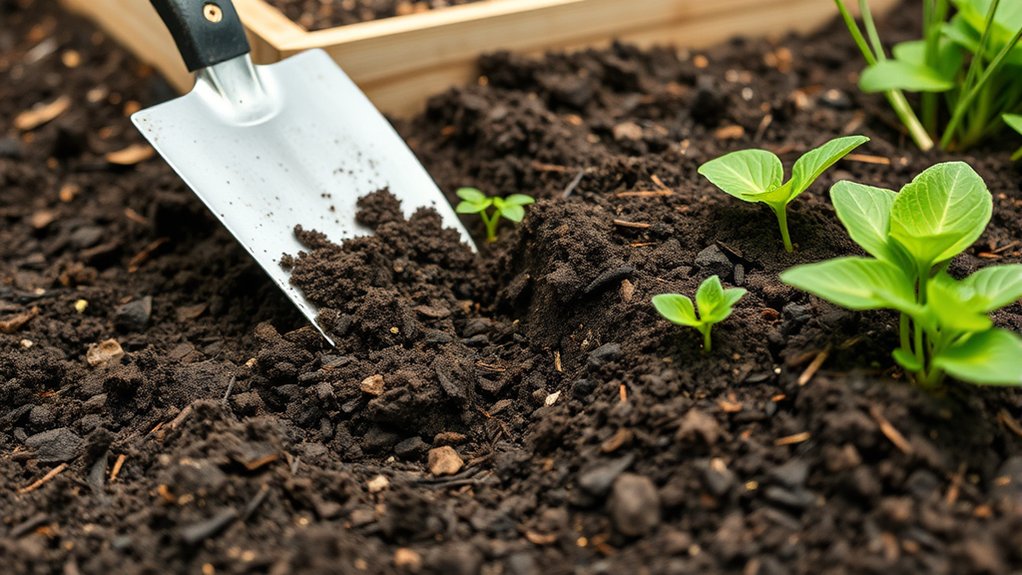
Healthy soil gives roots the air, water, and nutrients they need to grow. Check your soil structure by squeezing a handful: crumbly soil holds its shape lightly, while sticky or dusty soil may need help. Add finished compost to build texture and support microbial life. Check that it smells earthy and contains no recognizable scraps.
| Soil condition | Helpful amendment | Benefit |
|---|---|---|
| Heavy clay | Compost | Loosens texture |
| Sandy soil | Leaf mold | Holds nutrients |
| Compacted soil | Organic matter | Improves structure |
| Poorly drained bed | Raised planting area | Aids drainage |
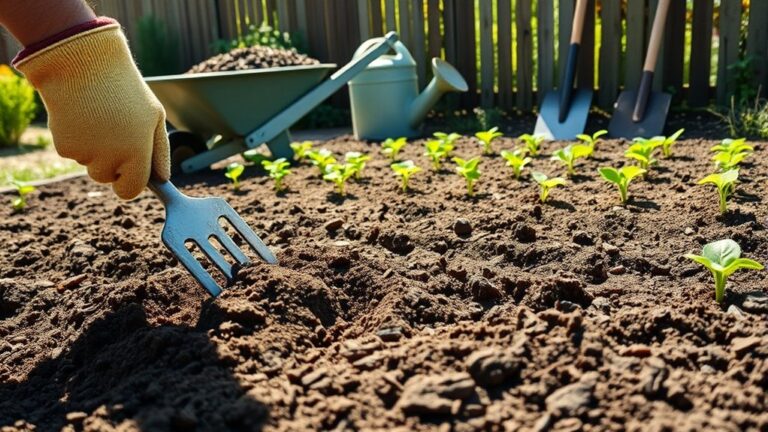
For drainage improvement, observe where water collects after rain. If a bed stays soggy, loosen compacted soil with a garden fork, work in organic matter, or raise the bed. Don’t add sand to clay; it can create a denser mix.
Test your soil before adding lime or fertilizer, and follow the results to avoid unnecessary amendments. These simple steps create a healthier foundation for your plants.
Water Garden Plants the Right Way
Water garden plants deeply and less often to encourage roots to grow downward. Check the soil before you water: push a finger an inch below the surface, and add water when it feels dry. This simple test helps you avoid both thirsty plants and soggy roots.
Set watering schedules around your garden’s needs, not a rigid calendar. Young seedlings and container plants may dry out faster than established plants, while cool, rainy weather reduces how often you need to water. Check your garden regularly, and adjust as conditions change.
Water near the soil, aiming for the root zone rather than the leaves. A gentle stream lets water soak in without washing soil away. If you use a sprinkler, water early in the day so foliage can dry before evening. Wet leaves overnight can encourage disease, while steady moisture supports healthy growth. Consistent, careful watering also aids pest prevention by reducing plant stress and avoiding damp conditions that attract pests.
Mulch, Prune, and Check Plants Regularly
Mulch, prune, and inspect your plants regularly to keep your garden thriving. Spread a two- to three-inch layer of organic mulch around plants, leaving space around stems.
Mulch around plants, leaving space near stems, and regularly prune and inspect your garden to support healthy growth.
The mulch benefits include steadier soil moisture, fewer weeds, and protection from temperature swings. Refresh it as it breaks down, and avoid piling it against trunks.
Use clean, sharp tools to trim dead, damaged, or diseased growth. Learn basic prune techniques for each plant, since flowering shrubs, herbs, and fruit trees may need different timing and cuts.
Cut just above a healthy bud, and don’t remove too much at once. Regular pruning improves airflow and helps plants direct energy toward healthy growth.
Check leaves, stems, and soil every few days. Look for discoloration, holes, wilting, pests, or fungal spots, and act early before problems spread.
Remove affected leaves, adjust watering, or use a suitable treatment when needed. Frequent checks also help you notice new growth and respond to changing weather.
Keep brief notes so you can spot patterns and improve your care over time.
Frequently Asked Questions
When Is the Best Time to Start a Garden?
You can start your garden when local conditions suit the plants you want to grow. For many vegetables, the best planting window begins after your area’s last spring frost; cool-season crops can often go in earlier, while heat-loving plants need warmer soil. Check your frost dates and soil temperature to guide seasonal timing. If you’re starting seeds indoors, count backward from your intended outdoor planting date and follow each crop’s recommended schedule.
What Tools Do Beginner Gardeners Need?
Start with a trowel, pruners, gloves, and a watering can—your garden’s small but mighty toolkit. Add a hand fork for loosening soil and a hose or watering wand for gentle watering.
You’ll also want seed trays for seed starting and a simple kit for soil testing, so you can check conditions before planting. Keep your tools clean and dry; they’ll last longer, and you’ll spend less time fixing problems and more time growing healthy plants.
How Can I Start a Garden on a Budget?
Start your garden cheaply by choosing a sunny spot, growing a few easy plants, and reusing containers you already own. Ask neighbors about budget friendly seed swaps, or save seeds from suitable produce.
Build DIY raised beds from reclaimed, untreated wood, or plant directly in healthy soil to skip construction costs. Make compost from kitchen scraps, water deeply, and buy only essential supplies.
You’ll spend less by starting small and expanding as you learn.
Is Container Gardening Suitable for Small Spaces?
Yes—is container gardening suitable for small spaces? Absolutely. You can grow herbs, vegetables, and flowers on balconies, patios, windowsills, or even sunny doorsteps. Choose container options that fit your available room, such as hanging baskets, railing planters, or compact pots. Check that each container has drainage holes, then match its size to your plants’ roots. Place your garden where plants get enough sunlight, and water regularly; containers can dry out faster than garden beds.
How Can I Attract Pollinators to My Garden?
Attract pollinators by planting a steady succession of nectar- and pollen-rich flowers. Choose Native plant combos suited to your region, and include different colors, shapes, and bloom times to welcome bees, butterflies, and hummingbirds.
Create Pollinator habitat with sunny, sheltered spots, shallow water, and bare soil or nesting materials. Skip pesticides, especially when flowers bloom, and leave some stems and leaf litter through winter. You’ll provide food and shelter throughout the seasons.
Conclusion
Growing a garden isn’t about forcing every plant to thrive everywhere—it’s about giving each one what it needs. Choose plants suited to your climate, match them with the right sunlight, and improve soil and drainage before you plant. Water thoughtfully, then mulch, prune, and check for trouble regularly.
Ironically, the less you try to control nature, the better your garden may grow. Keep learning from each season, and you’ll turn small, steady efforts into healthier plants and more rewarding harvests. These tips to get better at growing a garden can help you enjoy a healthier, more rewarding garden each season.