How to Plant a Flower Garden in 3 Simple Steps
Starting a flower garden can feel overwhelming when you’re unsure what to plant or how to prepare the soil. You’re not alone—many people struggle to get started. The right tools and supplies can make it easier to plant a flower garden and enjoy a colorful, thriving space.
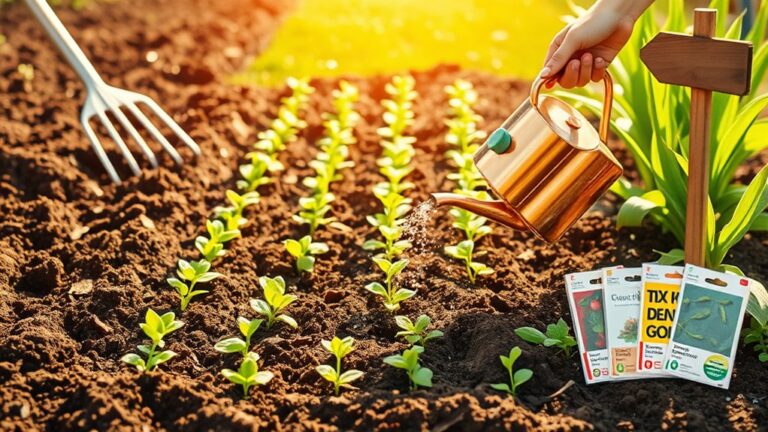
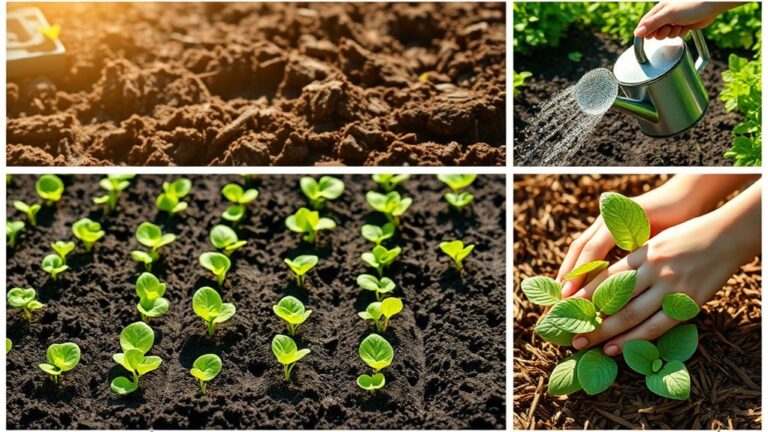
You can plant a flower garden in three simple steps. First, track sunlight, test your soil, and choose flowers suited to the conditions, such as zinnias for sunny beds or begonias for shade. Next, sketch your layout, remove weeds and debris, loosen dry soil, and add amendments only when tests or local advice recommend them. Finally, plant at the labeled depth and spacing, water thoroughly, and keep soil evenly moist as flowers establish. A few details can help your garden thrive.
Key Takeaways
- Choose suitable flowers: Track sunlight, assess soil texture and drainage, and select varieties suited to your site’s conditions.
- Plan the garden bed: Sketch the layout, group flowers with similar needs, and allow room for mature growth.
- Prepare the soil: Remove weeds and debris, loosen dry soil, and use test results or local advice to guide amendments.
- Plant correctly: Follow label instructions for timing, depth, and spacing; keep each plant’s crown level with its nursery-pot soil.
- Water and care: Water slowly after planting, maintain even moisture while plants establish, then adjust watering to their needs.
Choose Flowers for Your Sun and Soil

Before choosing flowers, check how much sunlight your garden gets and whether its soil drains well. Track sunlight throughout the day: some spots receive full sun for six or more hours, while others stay partly shaded. Match flowers to those conditions instead of expecting every plant to thrive in one location.
For sunny beds, consider sun loving varieties such as zinnias, marigolds, and coneflowers. If your garden gets less light, choose shade-tolerant flowers like impatiens or begonias. Read plant labels for light needs, bloom times, mature size, and watering preferences so you can select flowers suited to your climate and available space.
Next, assess your soil’s texture and drainage. Sandy soil dries quickly, while heavy clay can hold too much water. A simple soil test can reveal pH and nutrient levels, helping you choose flowers that will grow well. Use soil amendments only when needed to address specific conditions, rather than guessing. Selecting plants for your actual sun and soil gives them a stronger start and helps you enjoy healthier blooms.
Plan and Prepare Your Flower Garden
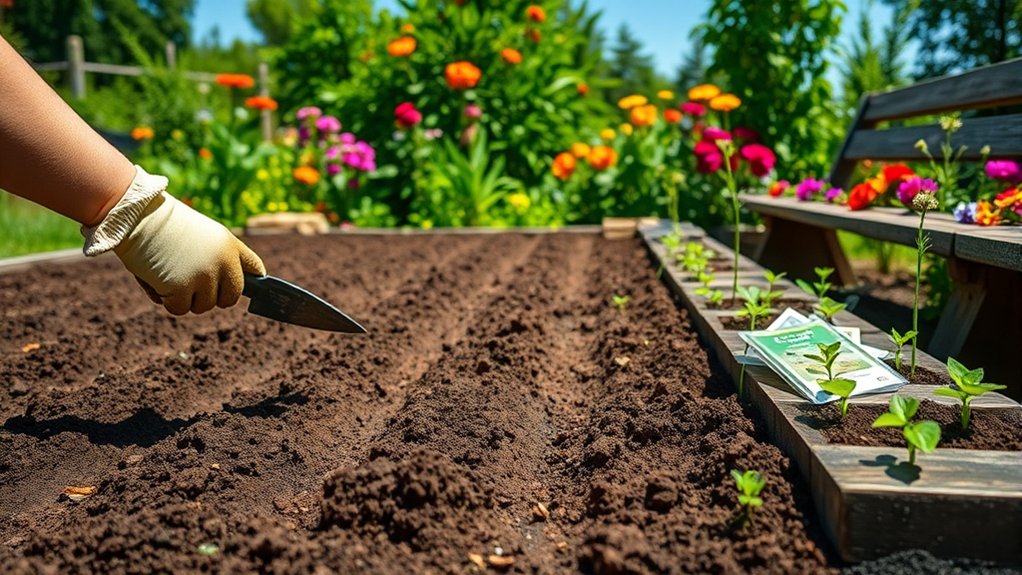
Once you’ve chosen flowers suited to your sun and soil, sketch a simple garden plan. Note the bed’s dimensions, nearby paths, and existing features, then mark where each flower will go. Group plants with similar needs, and leave enough room for them to reach their mature size. A clear layout helps you avoid crowding and makes the space easier to maintain.
Next, prepare the site. Remove weeds, rocks, and debris, then loosen the soil with a garden fork or spade. Don’t work soil when it’s wet; handling it then can compact the ground. Consider soil testing to learn whether your soil’s pH and nutrient levels suit your selections. Use the results to guide any needed amendments, following local recommendations rather than adding products by guesswork.
Finish by leveling the bed and planning a mulch application to help conserve moisture and limit weeds. Keep mulch away from plant stems. Gather your tools and supplies before you begin, so you can move smoothly to planting.
Plant Flowers and Care for Them
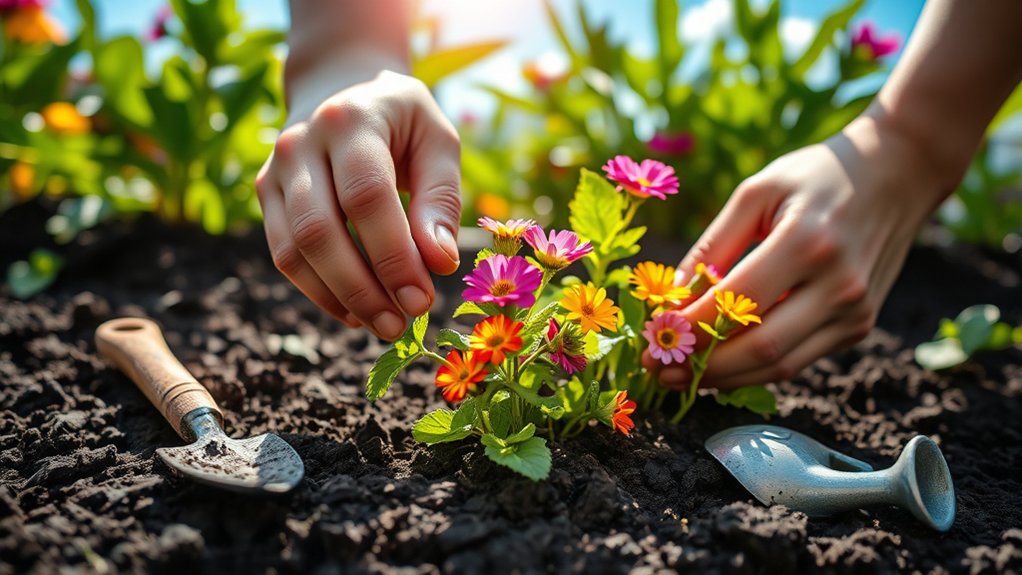
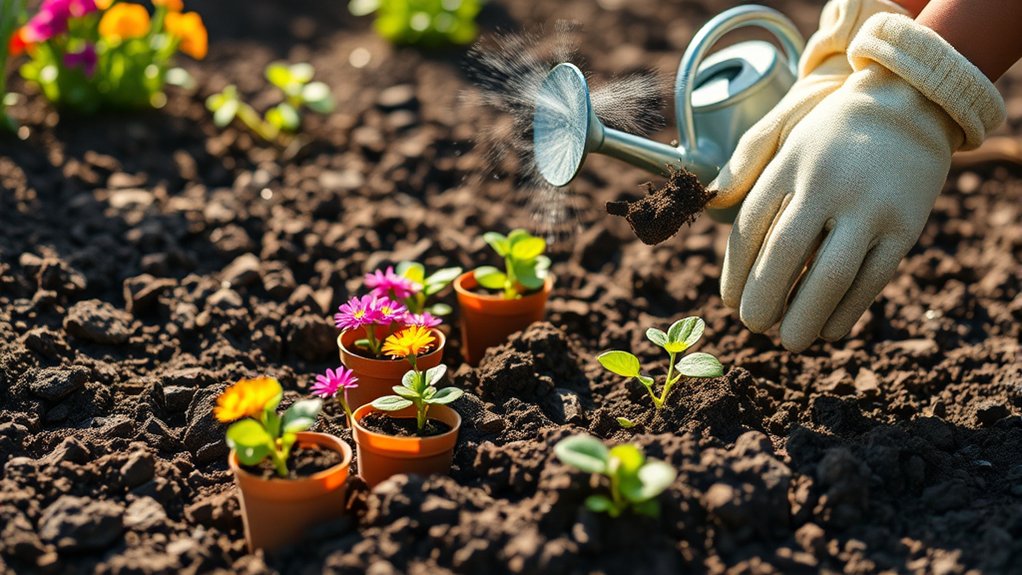
With the bed ready, plant each flower at the depth and spacing listed on its label. Gently loosen crowded roots, set each plant in its hole, and backfill with soil. Press lightly around the base, then water slowly to settle the roots without washing soil away. Keep the crown at the same level it sat in its nursery pot.
Check weather considerations before planting. Wait until frost danger has passed for tender flowers, and choose a cool, cloudy day to reduce transplant stress. If heat or wind follows, shade new plants temporarily and water as needed.
For steady growth, keep soil evenly moist while roots establish, then adjust watering to each flower’s needs. Water near the soil, not over the leaves, to limit disease. Pull weeds before they compete for nutrients, and remove spent blooms to encourage fresh flowers. Watch for pests and signs of stress, and act promptly. If plants struggle, consider soil pH testing before changing the soil. Follow care directions on labels, and avoid overfertilizing.
Frequently Asked Questions
When Is the Best Time of Year to Start a Flower Garden?
The best time to start a flower garden is spring, after your area’s last frost, when soil warms and plants can establish. For season timing, check local frost dates and the needs of your chosen flowers; some bulbs and hardy perennials do best in fall.
Consider climate considerations, too: in mild regions, you can plant earlier, while hot climates favor fall planting. Choose a time that gives roots cool, moist conditions.
How Much Does It Cost to Start a Flower Garden?
You can start a flower garden for about $50–$300, depending on its size and your choices. A National Gardening Association survey found that households spent an average of $616 on gardening in 2016, showing how costs can grow over time.
For a small bed, seeds, starter supplies, and soil may keep costs modest. Containers or mature plants can raise the total, so budget for ongoing care and upgrades, too.
Can I Grow Flowers in Containers on a Balcony?
Yes, you can grow flowers in containers on a balcony, even if you have limited space. Choose pots with drainage holes and match their size to each plant’s roots. Check how much sunlight your balcony gets, then select flowers that thrive in those conditions. For a container balcony, secure lightweight pots against wind and water regularly. If pets share your space, research pet safe flowers and avoid toxic varieties. Start with a few easy-care plants.
Which Flowers Are Safest for Pets?
Choose pet safe flowers such as roses, snapdragons, sunflowers, zinnias, and African violets; these are generally considered non toxic to cats and dogs. You can also grow orchids or gerbera daisies for colorful containers.
Still, check each plant’s exact variety, since common names can cover different species. Keep fertilizers and pesticides out of reach, and prevent pets from chewing large amounts of any plant. Ask your veterinarian if you’re unsure.
How Can I Attract Butterflies and Hummingbirds to My Garden?
Invite nature’s tiny travelers by giving them the food and shelter they seek. Plant native, nectar-rich flowers in sunny clusters to provide butterfly nectar, and choose tubular blooms such as salvia, bee balm, and trumpet honeysuckle for hummingbird forage.
Keep flowers blooming through spring, summer, and fall, and add shallow water with stones for safe perching. Skip pesticides, which can harm both visitors and caterpillars. You’ll soon enjoy a garden worthy of a fairy tale.
Conclusion
Your flower garden is a small kingdom, and every bloom needs the right home. Choose flowers that suit your sun and soil, prepare their beds, then plant and care for them with patience.
You’re not simply arranging petals; you’re building a community where each plant can thrive. Water, watch, and adjust as the seasons change.
When you match each flower to its needs, your garden rewards you. Planting a flower garden begins with thoughtful choices and steady care.