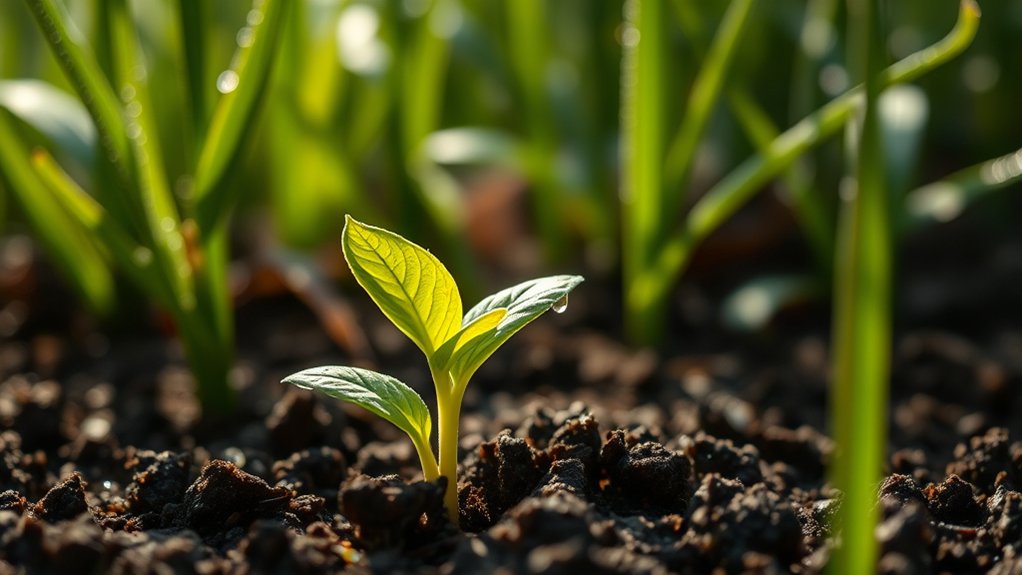
How Can You Grow?
Setting meaningful goals can feel overwhelming, especially when you’re unsure where to start. You’re not alone—many people struggle to make personal growth feel manageable and sustainable. The good news is that small, consistent steps can help you grow.
You can grow by taking small, consistent steps toward goals that matter to you. Choose one manageable action, define what you want to change, and break that goal into steps you can fit into your routine. Notice when you feel focused or distracted, and use your strengths to guide practice. Ask trusted people for feedback and support. When setbacks happen, treat them as information, adjust your approach, and keep going. You’ll find more ways to make growth sustainable.
Key Takeaways
- Set a personal, realistic growth goal and break it into small, manageable steps.
- Build consistency by linking easy actions to routines you already follow.
- Track your progress, energy, and obstacles, then adjust your approach based on what you learn.
- Use your strengths, practice one skill purposefully, and seek feedback from trusted people.
- Try new things safely, learn from setbacks, and start again when you miss a day.
Choose One Small Step to Start Growing
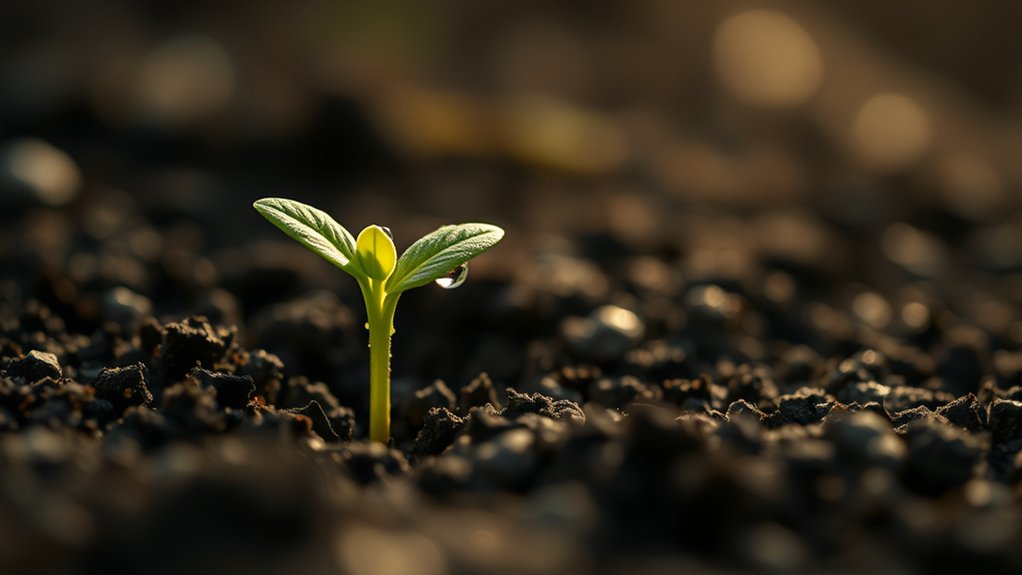
Where can you begin? Choose one small step that feels manageable today. You don’t need to change your whole routine or master a new skill at once. Instead, notice one area where a little attention could help, then try a simple action. You might read a few pages, ask a thoughtful question, or spend five minutes practicing something you care about.
A tiny habit can make growth feel less intimidating because you can repeat it without rearranging your day. Keep the action clear and easy to start. When you follow through, you build trust in your ability to learn and adapt. If you miss a day, begin again without turning a pause into a failure.
A focus mindset helps you pay attention to what you can do now, rather than comparing your progress with someone else’s. Stay curious, give yourself room to improve, and let small efforts create momentum. You’ll discover that growth often starts with one deliberate choice.
Set a Personal Growth Goal You Can Act On

Choose a personal growth goal that matters to you, then break it into small steps you can fit into your routine. Track your progress along the way, so you can see what’s working and make adjustments when needed.
Define Your Goal
Turn your desire to grow into one clear, actionable goal. Choose an area that matters to you, such as confidence, health, or communication. Then describe what you want to change in specific terms. Instead of saying you want to be more confident, define what confidence would look like in your life. You might aim to share your ideas in meetings or speak up when you need support.
Make your goal personal and realistic, not based on someone else’s expectations. A useful goal setting process helps you focus on what you can influence and gives you a clear way to recognize progress. Keep the wording simple enough to remember.
You can adjust the goal as you learn more about yourself; growth doesn’t require a perfect plan. For now, name the change you want and why it matters. Micro steps can come later.
Choose Actionable Steps
Once you’ve named the change you want, break it into small actions you can take. Strong goal setting turns a broad wish into choices you can fit into your life. Pick steps that feel specific, manageable, and connected to the person you want to become. A growth mindset helps you treat challenges as chances to learn, not reasons to quit.
- To build confidence, speak up once during each team meeting.
- To improve your health, take a brisk 15-minute walk after lunch.
- To learn a language, practice five new words before breakfast.
- To strengthen a relationship, send one thoughtful message each evening.
Choose an action you can begin today, and make it realistic for your schedule. When a step feels too difficult, shrink it until you can start without waiting for perfect conditions.
Track Your Progress
Track your progress regularly to see whether your small actions are moving you toward your goal. Choose a simple measure, such as practice sessions completed or pages read, and record it weekly. Your notes can reveal patterns you might otherwise miss.
| Week | Your action | What you felt |
|---|---|---|
| 1 | Started despite doubt | Nervous, hopeful |
| 2 | Practiced twice | More confident |
| 3 | Missed a session | Frustrated, then ready |
| 4 | Tried again | Proud of your effort |
Use self-reflection to recognize what helped, what got in your way, and what you’ll adjust next. Celebrate honest effort, not just milestones. A growth mindset lets you treat setbacks as information rather than proof you can’t change.
If your goal feels too large, break it into a smaller next step. Keep tracking, and you’ll see your progress take shape.
Notice the Patterns Shaping Your Growth

Growth often follows patterns you can learn to recognize. As you review your progress, look beyond individual wins and setbacks. Notice what tends to happen before you make meaningful gains, lose momentum, or change direction.
This kind of pattern recognition helps you understand how your choices and circumstances shape your development. Use what you learn to make goal setting more thoughtful, not more rigid.
- Track your energy: Do you make steady progress when you work in short sessions, or do you focus better with longer blocks?
- Notice your triggers: Which situations prompt you to take action, and which ones lead you to delay?
- Compare outcomes: When you reach a milestone, what habits or conditions helped you get there?
- Watch for cycles: Do certain weeks bring more focus, stress, or distraction than others?
You don’t need to judge every pattern as good or bad. Treat each as useful information. When you spot a recurring trend, adjust your approach and observe what changes.
Over time, you’ll make decisions with greater awareness and build a clearer picture of how you grow.
Use Your Strengths to Build Personal Growth
Notice what comes naturally to you, then put those strengths to work each day as you tackle challenges and make progress. As you go, build new skills with purpose, guided by what you already do best.
Identify Core Strengths
What do you do well, and when do you feel most capable? Identifying strengths starts with noticing moments when your skills, interests, and energy align. Don’t rely only on job titles or praise; look for patterns in what you accomplish and how you approach challenges. Ask people you trust what they see you doing well, then compare their observations with your own.
- Recall a recent success and name the abilities that helped you achieve it.
- Notice tasks that feel engaging, even when they require effort.
- Review compliments you’ve received and identify recurring themes.
- Consider challenges you’ve handled well and the qualities you used.
These clues can reveal strengths you’ve overlooked. When you understand your core abilities, you can make clearer choices about goals and growth. Leveraging talents begins with knowing which ones are truly yours. Don’t confuse familiarity with strength: seek evidence across different situations, and stay open to abilities you’re still developing.
Apply Strengths Daily
Once you know your strengths, put them to work in everyday life. Choose ordinary moments to use what comes naturally, whether you’re listening closely, organizing a task, or offering encouragement. These small choices help you act with intention and build a growth mindset without turning every day into a major project.
| Strength | Everyday application |
|---|---|
| Empathy | Give someone your full attention |
| Curiosity | Ask a thoughtful question |
| Persistence | Finish one task you’ve started |
At day’s end, use daily reflection to notice when a strength helped you respond well. Consider what felt meaningful, what challenged you, and how your actions affected others. You’ll recognize patterns and see how your strengths support the person you want to become. Keep your approach flexible: different situations call for different strengths, and you can choose how to respond.
Build Skills With Purpose
Build skills with purpose by choosing one ability you’d like to strengthen and linking it to a personal goal. Start with a strength you already use, then stretch it toward something meaningful.
A growth mindset helps you treat challenges as practice, not proof that you can’t improve. Set a clear target and choose small actions you can repeat each week.
- If you’re a strong listener, practice asking thoughtful questions to build closer relationships.
- If you explain ideas well, volunteer to lead a meeting or teach a skill.
- If you’re organized, plan a project that supports a cause you care about.
- If you’re creative, try a new medium to encourage skill diversification.
Track your progress, notice what works, and adjust your plan. Purposeful practice turns existing strengths into new capabilities and steady personal growth.
Find Support for Your Personal Growth
Personal growth doesn’t have to happen alone. When you share your goals with people you trust, you gain perspective, encouragement, and honest feedback. Choose friends, mentors, or colleagues who respect your values and want to see you succeed. Their support can help you stay grounded when progress feels uncertain.
A growth mindset makes it easier to welcome advice without treating setbacks as proof you can’t improve. Ask someone you trust to help you notice strengths, question assumptions, and think through challenges.
You might also find accountability partners who check in on your goals and celebrate meaningful progress. Agree on what kind of support you want, whether that’s listening, practical guidance, or a gentle nudge.
You don’t need a large network; a few reliable people can make a difference. Be open about your needs, listen in return, and thank those who show up for you. With supportive relationships, you can face change with greater confidence and feel less alone.
Practice New Skills Consistently
How can you turn a new skill into lasting progress? You build it through steady effort, not occasional bursts. Practice consistency helps you remember what you learn and spot where you need more work.
Skill acquisition takes time, so focus on showing up rather than mastering everything at once. Choose a routine that fits your schedule, then give each session a clear purpose.
- Set a small target. Pick one technique to improve, such as playing a chord cleanly or writing a stronger opening sentence.
- Schedule practice. Reserve a regular time, even if you can spare only fifteen minutes.
- Repeat with attention. Work slowly, notice mistakes, and adjust your approach instead of rushing through drills.
- Track your progress. Record what felt easier and what still needs attention, then use those notes to guide your next session.
When you miss a day, don’t treat it as failure. Return to your routine, keep your goals realistic, and let repeated effort turn unfamiliar actions into reliable abilities.
Try Something New Without Unnecessary Risks
Trying something new can help you grow, but you don’t need to take reckless risks. Choose an activity that stretches your abilities while keeping your health, finances, and responsibilities in view. If you want to speak up at work, start by sharing an idea in a small meeting instead of making a high-stakes presentation before you feel ready.
A mindful risk gives you room to explore without putting essential commitments in jeopardy.
Set a simple goal, define your limits, and decide what support you’ll need. You might try a beginner class, volunteer for a manageable task, or test a creative project with a modest budget. These bold experiments can open doors to new interests and relationships while staying within boundaries you’ve chosen.
Ask someone you trust for perspective when a choice feels uncertain, and check that the opportunity aligns with your values. You don’t have to overhaul your life to invite change; one thoughtful step can expand what you believe you can do.
Learn From Setbacks and Keep Growing
Setbacks can show you where to adjust, not prove you can’t grow. When a plan falls apart, pause before you judge yourself. A growth mindset helps you treat difficulty as information: you can examine what happened, choose a useful response, and try again with better insight.
You don’t need to pretend disappointment feels good; you just need to keep it from defining your potential.
Use these steps to turn a rough moment into progress:
- Name the obstacle clearly, separating facts from assumptions.
- Ask what you controlled and what you couldn’t influence.
- Identify one change that could improve your next attempt.
- Apply that insight, then notice what works differently.
For example, if a presentation misses the mark, you might discover that your main point lacked support. You can strengthen the evidence before presenting again.
These resilience lessons build confidence because you see yourself respond, not merely endure. Each setback can sharpen your judgment and expand what you believe you can handle.
Build Habits That Support Personal Growth
The insights you gain from setbacks can guide the habits that keep you growing. Choose small actions that support the person you want to become.
If you want to learn more, read for ten minutes each day. If you want stronger relationships, reach out to someone and listen with care. These steps don’t need to feel impressive; they need to fit your life.
To start habits, connect each action to a routine you already follow. Stretch after brushing your teeth, or write a few lines after lunch.
Make the first step easy enough that you’ll do it even on a busy day. When you miss a day, begin again without turning one lapse into a reason to quit.
Use daily reflection to notice what helps you follow through and what gets in the way. Ask yourself whether your habits match your priorities.
Adjust the routine when needed, and keep choosing actions that make growth part of ordinary life.
Track Your Growth and Adjust Your Approach
How can you tell whether your habits are helping you grow? Look beyond daily effort and notice what changes over time. Growth tracking gives you evidence, while regular reflection helps you decide when approach adjustment makes sense. Choose a few meaningful signs of progress, then review them consistently.
Track meaningful signs of progress over time, then reflect regularly to see whether your habits are helping you grow.
- Set a clear marker. Define what progress looks like, such as reading more, feeling calmer, or completing a project.
- Record small wins. Use a journal, calendar, or app to note actions and results. Brief entries make patterns easier to spot.
- Review honestly. Each week, ask what worked, what felt difficult, and what you learned. Compare your notes with your original goal.
- Adjust one thing. If a habit isn’t helping, change its timing, size, or method. Try the revision for a set period, then assess its impact.
You don’t need perfect data. A simple, steady review can show where you’re gaining momentum and where a new strategy could serve you better. Keep what works, and stay curious.
Frequently Asked Questions
How Does Personal Growth Differ From Self-Improvement?
Personal growth changes how you understand yourself, relate to others, and respond to life; self improvement focuses on developing specific skills or habits.
You might pursue self improvement by learning to manage your time, while personal growth could help you understand why you avoid certain challenges.
The two often overlap: as you build a new habit, you may also gain confidence. Think of self improvement as a tool and personal growth as a broader, ongoing transformation.
Can Personal Growth Happen at Any Age?
Yes, you can experience personal growth at any age—the door to change never rusts shut. Your path doesn’t need to follow age related milestones or match anyone else’s timeline. A new challenge, honest conversation, or quiet realization can spark motivation triggers that help you rethink old habits and discover fresh strengths. Whether you’re starting over or deepening what you already know, each choice can move you toward a fuller, more meaningful life.
How Can I Tell Whether I’M Growing Emotionally?
You can tell you’re growing emotionally by noticing how you respond to feelings, conflict, and change. These emotional indicators may include pausing before reacting, expressing needs clearly, accepting feedback, and recovering from setbacks with greater ease.
Growth milestones aren’t always dramatic; you might simply recognize a trigger sooner or apologize more readily. Compare your current responses with your past ones, and celebrate small shifts.
You don’t need perfection. Consistent self-awareness and healthier choices show progress.
Does Personal Growth Require Changing My Personality?
No, personal growth doesn’t require changing your personality. You can keep your core traits while developing new skills, habits, and ways of responding. Think of redefining personality as adjusting how you express yourself, not erasing who you are.
Embracing adaptability lets you meet new situations with greater flexibility while staying true to your values. You might become more confident or patient without losing the qualities that make you distinct from others.
How Can I Balance Personal Growth With Accepting Myself?
You can balance personal growth with self-acceptance by treating change as a choice, not proof that you’re inadequate. Honor your values, strengths, and personality while identifying habits or skills you’d like to develop. Set goals that reflect who you are, and celebrate progress without demanding perfection.
When setbacks happen, respond with curiosity instead of criticism. This approach helps you balance identity and cultivate resilience, so you can grow without abandoning yourself.
Conclusion
You can grow by choosing one small step and sticking with it. Set a clear goal, spot the patterns shaping your progress, and use your strengths to move forward. Seek support, try new things thoughtfully, and treat setbacks as lessons, not limits.
Build habits that fit your life, then track what’s working and adjust as you go. You don’t need a perfect plan or giant leap. With patience, practice, and persistence, you’ll create steady change and become more capable over time.