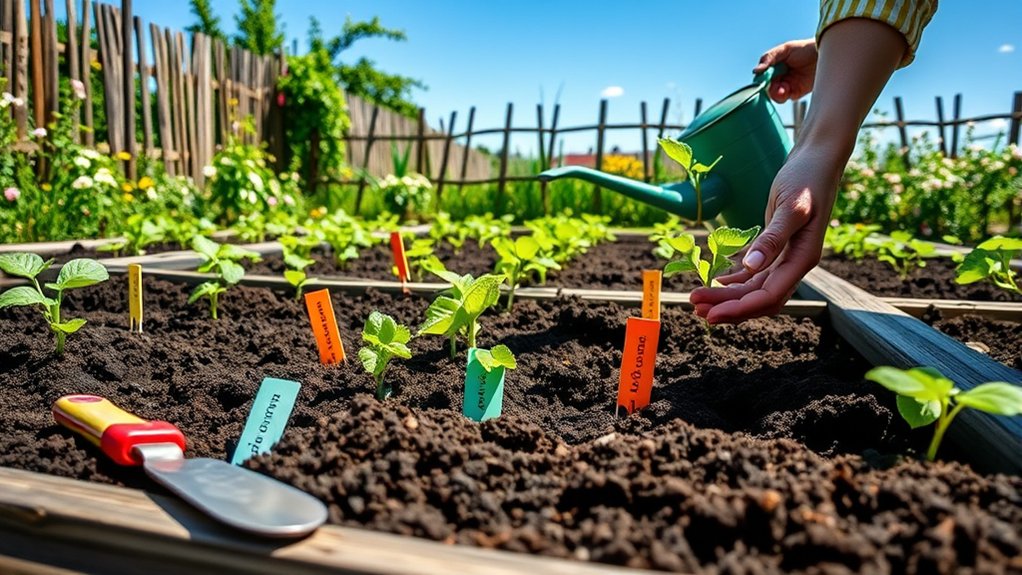
How Do You Make a Vegetable Garden in 7 Easy Steps
Starting a vegetable garden can feel overwhelming when you’re unsure what to plant, where to begin, or which tools you need. You’re not alone—many new gardeners struggle to turn a patch of yard or a few containers into a thriving garden. This guide to how do you make a vegetable garden in 7 easy steps will help you get started with confidence.
To make a vegetable garden in seven easy steps, choose a sunny, well-drained spot near water; select vegetables suited to your space and growing season; plan beds or containers with room for each plant; and prepare the soil with compost.
Next, plant seeds or seedlings at the recommended time and depth. Water deeply when the top inch feels dry, and protect young plants with mulch or covers. Harvest ripe vegetables regularly to encourage more growth. These simple tips will help you get started with confidence.
Key Takeaways
- Choose a sunny, well-drained spot with six to eight hours of direct sunlight and convenient access to water.
- Select vegetables suited to your space, local growing season, and frost dates; start with a few dependable crops.
- Plan beds or containers with enough depth, drainage, and spacing for healthy plant growth.
- Clear weeds and rocks, loosen the soil 8 to 12 inches, and mix in compost before planting.
- Plant at the recommended time and depth, then water consistently, mulch, protect plants, and harvest regularly.
Choose a Sunny Spot for Your Vegetable Garden
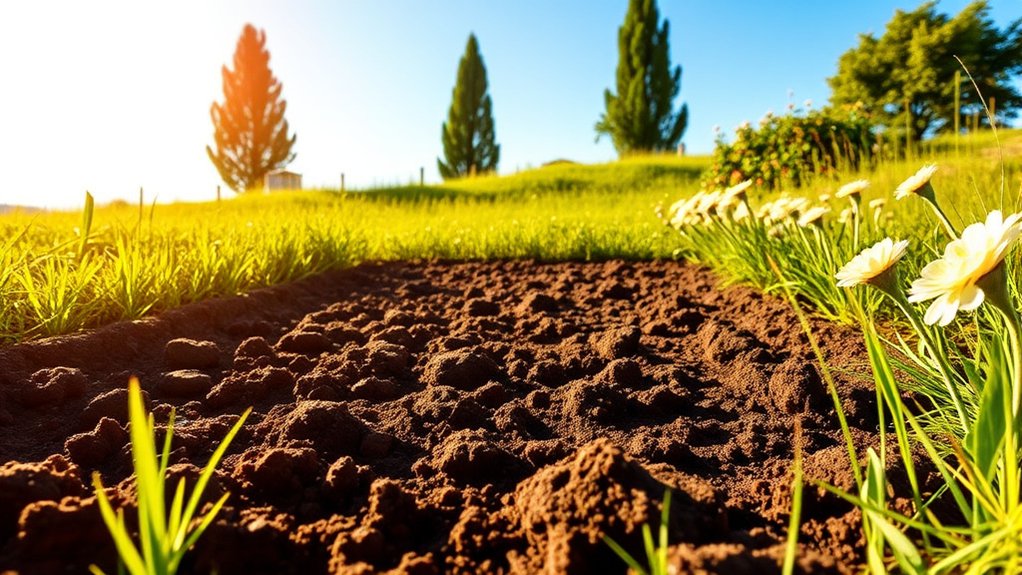
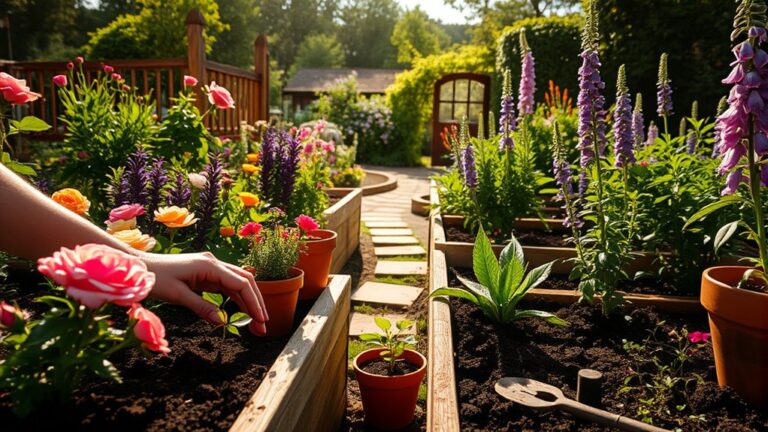
Start by choosing a spot that gets at least six to eight hours of direct sunlight each day. Watch your yard throughout the day to see where sunlight falls, and note any shade from trees, fences, or buildings. A sunny spot helps garden plants grow strong and produce well.
Choose a sunny spot with six to eight hours of direct light each day, and watch for shade from nearby trees or buildings.
Check the area after rain. Does water pool there, or does it drain within a few hours? Good soil drainage keeps roots from sitting in soggy ground, which can lead to rot and poor growth. If water collects, choose a higher location or improve drainage before planting.
Look for a place you can reach easily from your home and a water source. You’ll be more likely to tend your garden when it’s convenient to visit. Avoid sites near large trees, whose roots may compete for water and nutrients, and consider whether nearby structures block airflow.
Mark the preferred area, then observe its light and moisture conditions for several days before you commit to preparing the ground.
Choose Vegetables for Your Space and Season
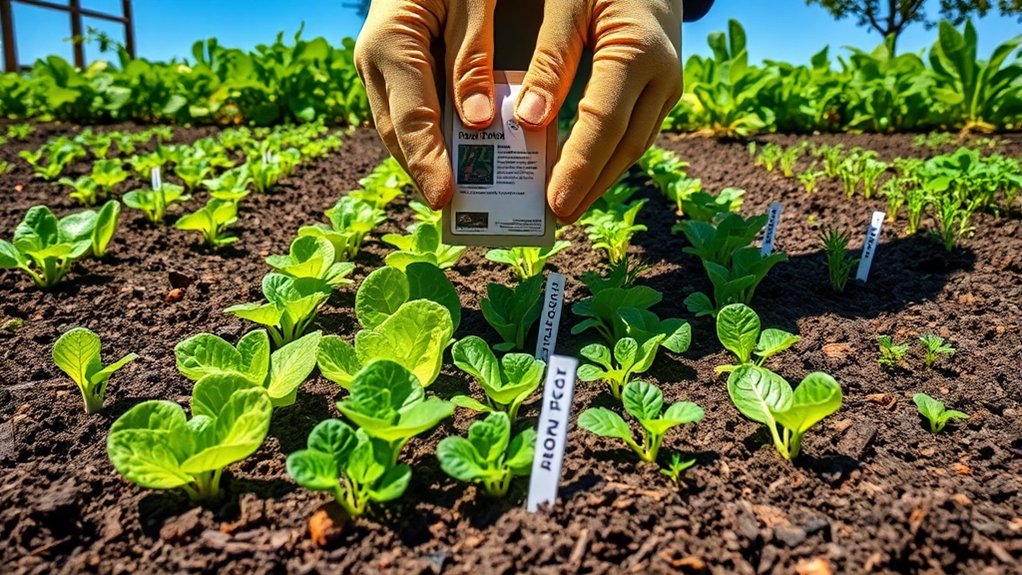
Once you’ve chosen a sunny, well-drained spot, pick vegetables that fit its size and your local growing season. Check seed packets or plant labels for days to maturity, then compare that timeline with your area’s frost dates.
This seasonal compatibility helps you choose crops that can ripen before cold weather arrives or thrive through a cool spring.
Choose varieties based on what you enjoy eating and how much room you have. Compact crops suit small gardens, while climbing types can grow upward. Consider these possibilities:
- Picture crisp lettuce leaves ready for salads in cool spring weather.
- Imagine cherry tomatoes turning red on a compact, sun-loving plant.
- Think of peas curling along a trellis during a mild season.
If you’re new to gardening, start with a few dependable vegetables rather than planting everything at once. You’ll learn what grows well in your conditions and what your household actually eats.
For a longer harvest, select crops with different maturity dates, and check whether each one suits your local climate.
Plan Your Beds, Containers, and Plant Spacing
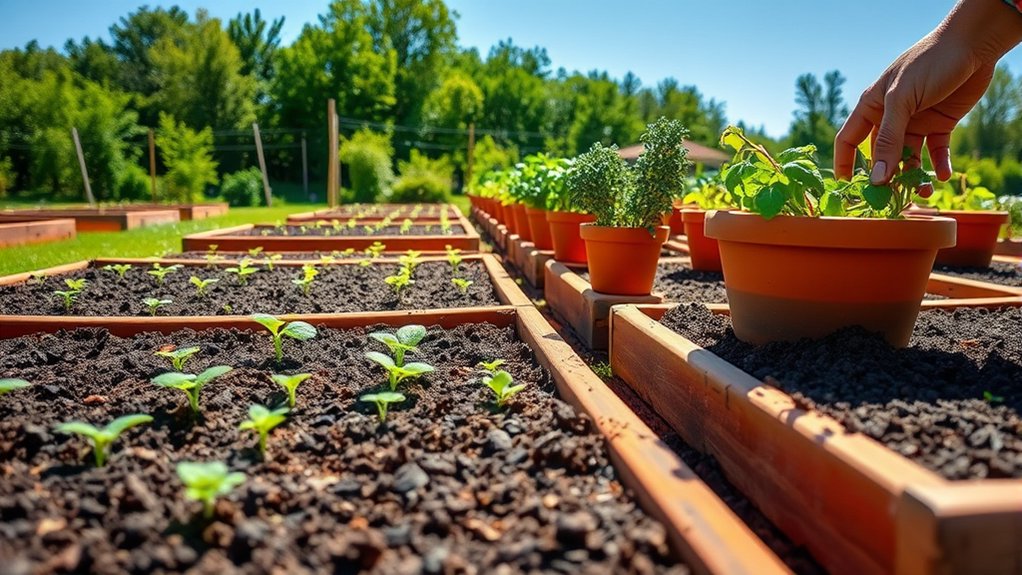
Choose a sunny, convenient spot for your beds. Make sure each container is large enough for the crop’s roots. Then space your plants so your vegetables have plenty of room to grow.
Choose Bed Locations
Where will your vegetables get the best growing conditions? Choose a level spot that gets at least six hours of direct sunlight daily. Watch how shadows move across your yard, and avoid areas where trees or buildings block the midday sun. Check that water drains well; soggy soil can harm roots. Keep beds near a water source so you won’t haul heavy cans across the yard.
Picture your garden in each season:
- A sunny strip beside the kitchen door, easy to reach for fresh herbs.
- A bright corner with open sky and room to walk around the beds.
- A sheltered patch away from strong winds and roof runoff.
Keep your location accessible, but consider Pet safety: avoid spots your animals roam or use as a bathroom. Leave clear paths for tool maintenance and safe storage.
Select Container Sizes
With a sunny, level spot in mind, plan the space each crop will need. Choose containers based on what you’ll grow and how much room you have. Shallow-rooted lettuce and herbs do well in pots about six inches deep, while tomatoes, peppers, and other deep-rooted vegetables need containers at least 12 inches deep.
Check that each pot has drainage holes so excess water can escape, and use food-safe materials that can withstand outdoor conditions.
Consider weight before filling large containers; damp soil gets heavy, so place them where you can reach them without moving them. A wider container can hold more soil and help keep moisture levels steady, but it still needs to fit your site.
Group pots near a water source to simplify care. Containers also support Weed control and Pest management by keeping crops contained and making problems easier to spot.
Plan Plant Spacing
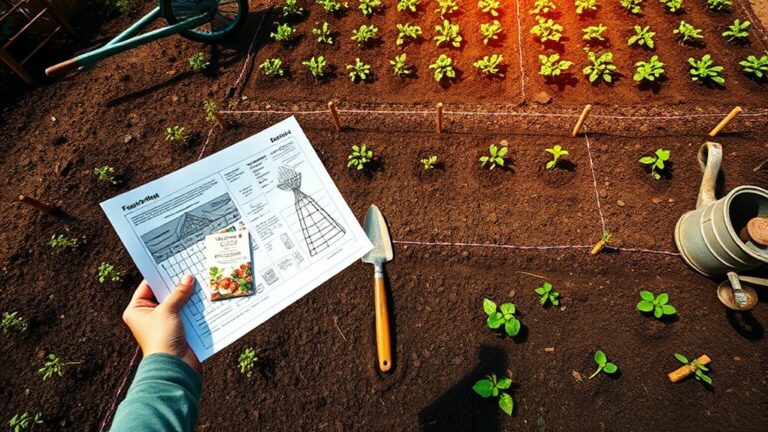
Plan spacing before you fill your beds or containers so each plant has room to grow and enough air and light. Check seed packets or plant labels for mature widths, then sketch your layout.
Leave paths wide enough for you to reach every crop without stepping on soil. Group plants with similar water and sunlight needs, and place tall varieties where they won’t shade shorter ones.
- Picture tomato cages rising at the bed’s north edge, with leafy lettuce in front.
- Tuck carrots into narrow rows between broader crops, keeping their tops easy to spot.
- Give sprawling squash a corner where vines can trail beyond the container.
If you’re short on space, try vertical supports or compact varieties. Visiting farmer’s markets can spark story ideas for crops to grow and meals to make.
Prepare the Soil for Healthy Vegetable Growth
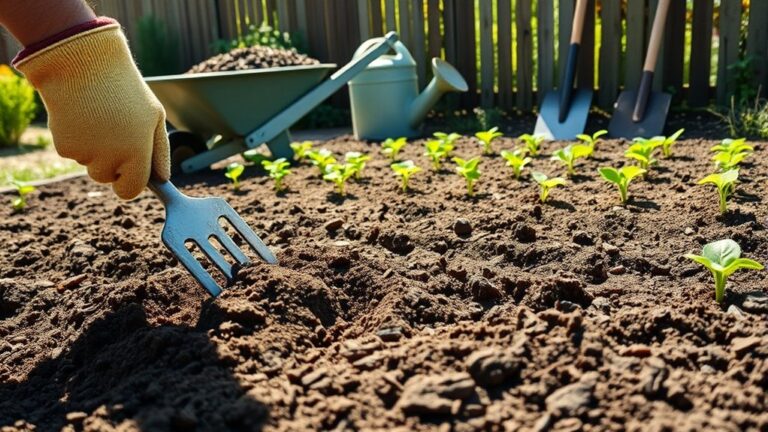
Healthy soil gives vegetables the nutrients, water, and air they need to thrive. Before planting, clear weeds, rocks, and leftover roots from your garden bed. Loosen the top 8 to 12 inches with a garden fork, breaking up compacted clumps without turning the soil too finely. This improves soil structure and helps roots spread.
Check your soil’s texture and drainage. If it’s heavy clay, mix in finished compost to improve airflow; if it’s sandy, add compost to help retain moisture. Compost also feeds microbial life, which supports nutrient cycling. Avoid fresh manure, which can damage plants and introduce harmful bacteria.
Test your soil’s pH and nutrient levels with a home kit or local extension service. Use the results to choose amendments, such as lime for overly acidic soil, and follow package directions. Spread a layer of compost over the bed, then mix it into the loosened soil. Rake the surface smooth, and water lightly to settle it.
Plant Seeds and Seedlings at the Right Time
Check your local frost dates to find the safest time to plant. Then, follow the depth guidelines on each seed packet to help your seeds sprout.
Check Local Frost Dates
Before planting, find your area’s average last spring frost date and first fall frost date. Check frost dates through your local extension office, a nearby nursery, or a reliable weather service.
These estimates help you choose when to plant and how long your growing season lasts. Remember, frost can arrive earlier or later than expected, so watch local forecasts as planting time approaches.
- Picture tender tomato leaves silvered by a chilly morning; wait until frost risk passes before setting them outdoors.
- Imagine cool-season lettuce thriving in crisp spring air, while heat-loving peppers need warmer conditions.
- Keep row covers or cloches handy for frost protection when an unexpected cold night threatens young plants.
Use your dates as a guide, not a guarantee. If a late frost threatens, cover vulnerable plants or delay planting until conditions improve.
Follow Planting Depth Guidelines
Once frost conditions are suitable, plant seeds and seedlings at the depth listed on the seed packet or plant tag. These depth guidelines help roots establish and shoots reach the surface.
Check each label before planting; seed depth conventions vary by crop and seed size. Sow tiny seeds, such as lettuce, near the surface, and cover larger seeds, such as beans, more deeply.
If you plant too deep, a seedling may struggle to emerge. If you plant too shallow, seeds can dry out or wash away.
Set seedlings at the same soil level they grew in their pots, unless the tag advises otherwise. Firm soil gently around each plant, then water carefully to settle it without exposing seeds.
Mark rows so you’ll know what you planted and where to expect growth.
Water and Protect Your Vegetable Plants
Water your vegetable garden deeply and consistently, adjusting for rainfall and heat. A steady watering schedule helps roots grow strong, but check the soil before you water; if the top inch feels dry, give plants a thorough soak.
Water deeply when the top inch of soil feels dry, adjusting your schedule for rain and heat.
Water near the soil early in the day to limit evaporation and keep leaves dry. Add mulch to hold moisture and reduce weeds.
Protect tender growth from pests and harsh weather. Inspect leaves and stems often, and act quickly when you spot damage. Use barriers or gentle controls suited to your plants, and secure covers so they won’t crush seedlings.
- Picture a slow stream soaking the soil around each plant, not splashing its leaves.
- Imagine a blanket of straw keeping roots cool while the sun beats down.
- See a lightweight mesh cover shielding young greens from nibbling insects.
Consistent care helps your plants stay healthy through changing conditions. When rain arrives, skip watering if the soil remains moist, and avoid leaving roots in soggy ground.
Harvest and Keep Your Plants Producing
As your plants grow, harvest vegetables at their peak and pick ripe produce regularly to encourage many crops, such as beans, cucumbers, and tomatoes, to keep producing. Check each plant often, since vegetables can ripen quickly in warm weather.
Good harvest timing helps you enjoy the best flavor and texture; pick leafy greens young, snap beans while tender, and harvest tomatoes when they’re fully colored and slightly soft. Use clean scissors or a gentle twist to avoid damaging stems and nearby growth.
Keep harvesting even when you have more produce than you can eat. Share extras, preserve them, or store them properly to reduce waste. Remove yellowing leaves, fallen fruit, and overripe vegetables, which can attract pests and disease.
For pest prevention, inspect leaves and stems regularly, and act promptly if you spot damage or insects. Continue watering consistently and feed plants as needed, so they can recover after picking and produce new growth. Record what thrives to plan next season.
Frequently Asked Questions
Do I Need Gardening Experience to Start a Vegetable Garden?
No, you don’t need gardening experience to start a vegetable garden. You can learn as you go, and a beginner mindset helps you treat mistakes as useful lessons. Start with a few easy vegetables, such as lettuce, radishes, or tomatoes, and follow their basic care instructions.
You’ll also need ownership of space, whether that’s a sunny yard, patio, or container. Keep your first garden manageable, and build your skills each season.
What Basic Tools Should I Buy for Vegetable Gardening?
Your first garden tools are the workhorses that’ll help your vegetables thrive: buy a hand trowel, garden fork, watering can or hose, pruning shears, and sturdy gloves. Add a hoe if you’re managing a larger plot. These basic tools cover planting, watering, weeding, and harvesting without cluttering your shed.
For budgeting basics, start with durable essentials, compare prices, and borrow or buy secondhand extras until you know what your garden needs.
How Much Does It Cost to Start a Vegetable Garden?
You can spend $50–$300 to start a small vegetable garden, depending on your space and supplies. Your cost to start garden projects rises with raised beds, soil, seeds, and tool purchases; reuse containers and buy seedlings selectively to save.
Include budget planning for water and pest control, plus pet deterrents if needed. Ask gardening experience questions to guide choices. Indoor winter gardening may require extra lighting, so factor that into your budget before buying.
Can I Grow Vegetables Indoors During Winter?
Yes, you can grow vegetables indoors during winter. For example, you might harvest fresh lettuce from a sunny kitchen shelf even when snow covers your garden.
Choose compact crops like lettuce, spinach, herbs, or microgreens, and use containers with drainage holes. If daylight’s limited, provide indoor winter lighting with full-spectrum grow lights.
Follow the manufacturer’s schedule, and adjust grow lights placement so seedlings receive even coverage without overheating. Water when the soil feels dry.
How Do I Keep Pets Out of My Vegetable Garden?
Keep pets out of your vegetable garden by installing a sturdy fence with a secure gate, then cover vulnerable beds with netting or row covers. Use pet deterrents, such as motion-activated sprinklers, and train your animals to stay away with consistent boundaries.
Remove tempting food scraps, and give pets a separate play area. For wildlife proofing strategies, bury fencing several inches underground to discourage digging, and check barriers regularly for gaps or damage.
Conclusion
With a sunny spot, suitable vegetables, well-planned beds, and healthy soil, you’ve built a strong start. Plant at the right time, water steadily, and guard your garden from pests and harsh weather.
Soon, green leaves will unfurl, blossoms will brighten the beds, and ripe vegetables will fill your hands. Keep harvesting to encourage fresh growth, and enjoy each crisp, homegrown bite.
Your vegetable garden doesn’t need to be perfect—just tended with care, season after season.