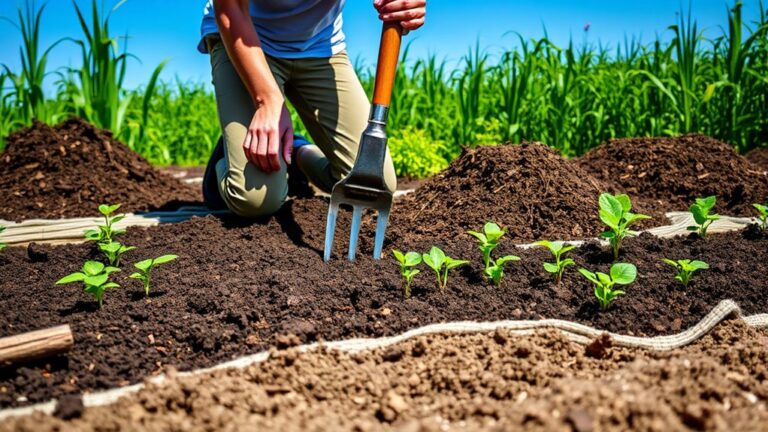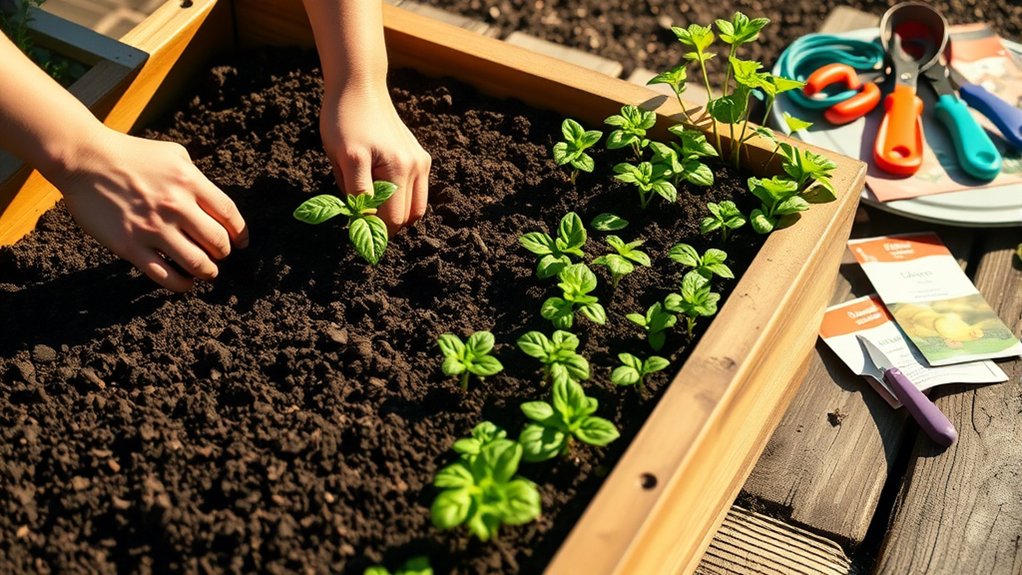
How Do You Build a Veggie Garden in 3 Easy Steps?
Want to grow fresh vegetables at home but aren’t sure where to start? You’re not alone—many people struggle to turn a patch of yard or a few containers into a thriving garden. This guide to building a veggie garden in 3 easy steps will help you get started.
You can build a veggie garden in three easy steps. First, choose a spot with at least six hours of sun and well-drained soil, then clear weeds and mix in finished compost. Next, plant easy crops like lettuce, radishes, bush beans, or zucchini, following local frost dates and seed-packet spacing. Finally, water early at the soil, mulch to conserve moisture, and pull weeds while they’re small. A few practical tips can help your garden thrive.
Key Takeaways
- Choose a sunny, accessible spot with at least six hours of direct light and well-drained soil.
- Clear weeds and rocks, loosen the soil, mix in finished compost, and use soil-test results to guide amendments.
- Mark a narrow bed reachable from both sides, then install sturdy edging to hold the soil.
- Choose easy crops such as lettuce, radishes, bush beans, and zucchini; plan spacing and planting dates around local frost dates.
- Water at the soil early in the morning, mulch to retain moisture, and pull weeds while they’re small.
Choose a Sunny Spot and Prepare Your Veggie Garden Bed
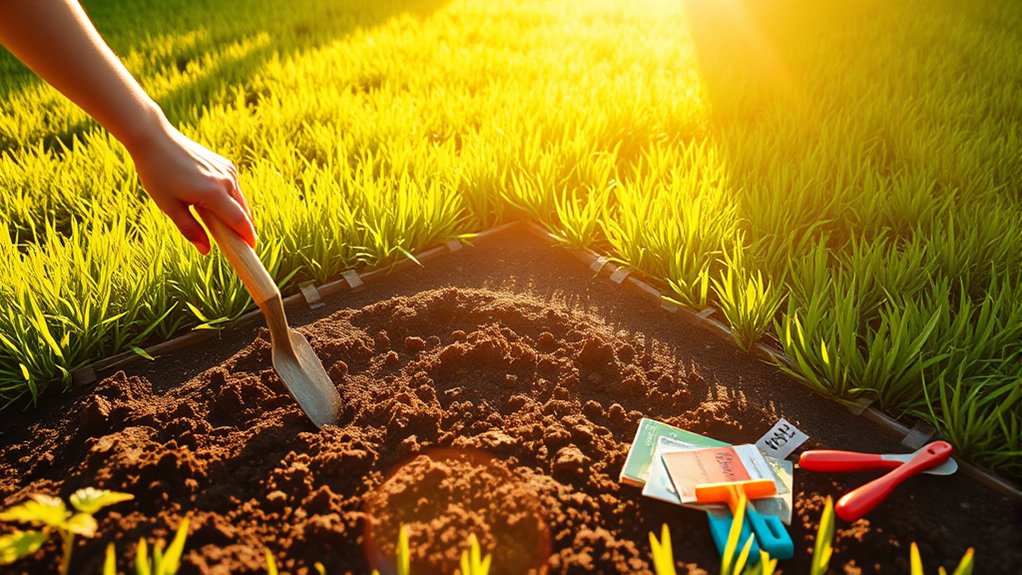
Choose a sunny spot that gets at least six hours of direct light each day, since most vegetables need plenty of sun to grow well. Watch how shadows move across your yard, and avoid areas shaded by buildings or large trees. Make sure you can reach the spot easily with a hose and garden tools.
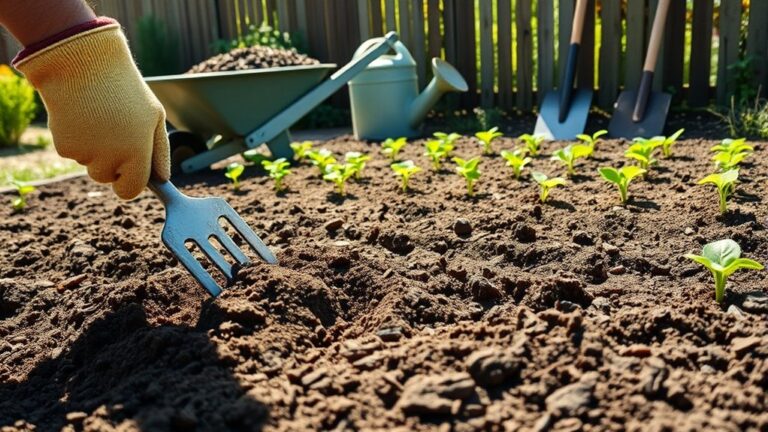
Before you dig, check whether the ground drains well after rain. Use soil testing to learn your soil’s pH and nutrient levels, then follow the results to choose suitable amendments. Clear away weeds, rocks, and debris, and loosen the soil with a garden fork. Mix in finished compost to improve its texture and support healthy growth.
Mark out a bed that’s easy to reach from both sides, so you won’t need to step on the growing area. Add sturdy bed edging to keep soil in place and define the space. Keep the bed narrow enough for you to tend its center comfortably. Finish by leveling the surface with a rake.
Pick Easy Vegetables and Plant Them at the Right Time
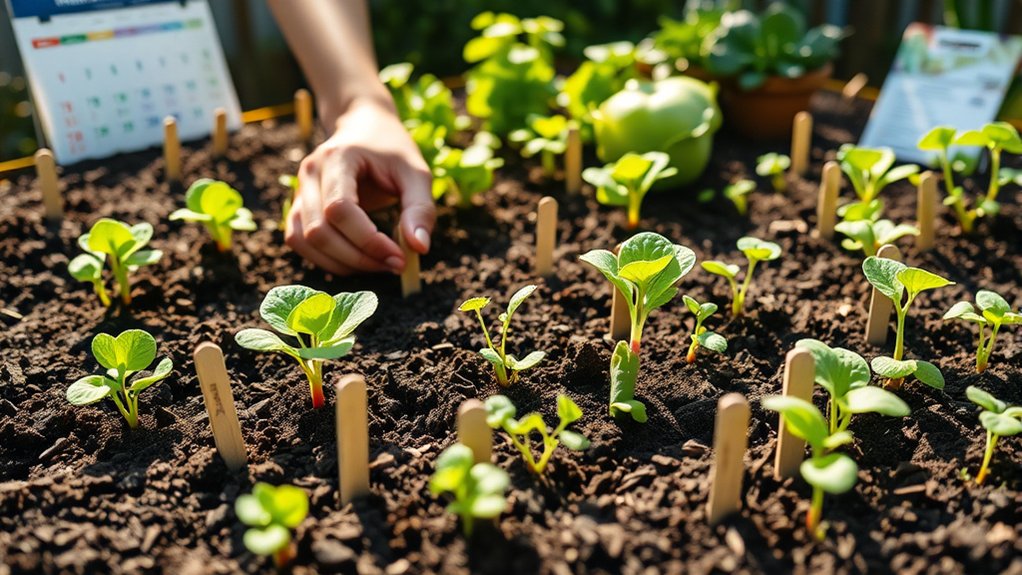
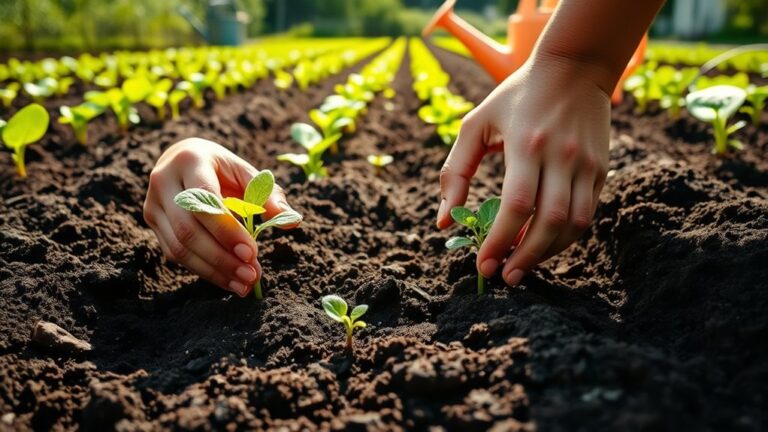
Start with easy-to-grow vegetables such as lettuce, radishes, bush beans, and zucchini. These forgiving crops suit beginners and give you a satisfying mix of quick harvests and longer-lasting favorites. Choose vegetables your household enjoys, and check how much space each plant needs before you arrange them in your bed.
Next, match planting time to your local climate. Lettuce and radishes thrive in cool weather, so sow them in early spring or again in fall. Wait until frost danger has passed and the soil has warmed before planting bush beans and zucchini. Your region’s last and first frost dates can help you plan; a local planting calendar offers useful guidance, too.
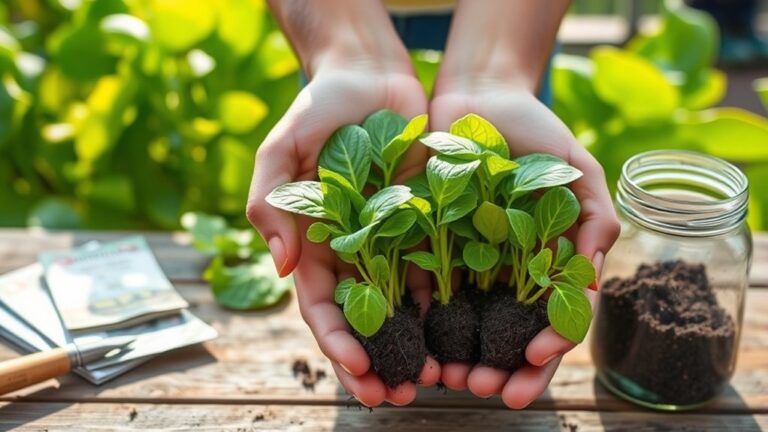
Read each packet for spacing and planting depth, then follow its instructions. You can sow seeds directly outdoors or start with young plants, depending on the crop and your schedule. Stagger quick-growing crops every couple of weeks for a longer harvest. Keep a simple planting record so you’ll know what to grow next season.
Water and Weed Your Veggie Garden for Healthy Growth
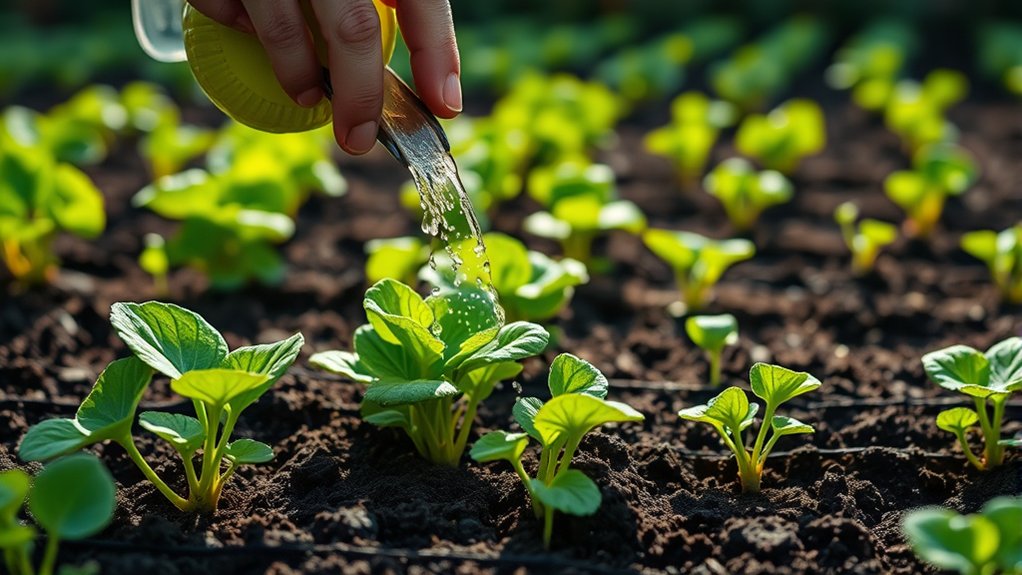
Water your garden deeply when the soil feels dry about an inch below the surface. Aim water at the soil, not the leaves, so roots get moisture and foliage stays less prone to disease. Check your garden often, especially during hot, windy weather, when beds dry quickly. A steady routine helps you avoid both thirsty plants and soggy roots.
Use these practical habits to support healthy growth:
- Water early in the morning, giving plants time to absorb moisture before the day heats up.
- Add mulch around plants to slow evaporation and reduce how often you need to water.
- Try water saving strategies such as drip irrigation or a soaker hose to deliver moisture directly to roots.
- Pull weeds while they’re small, loosening roots after rain or watering. Use weed control techniques like hand-pulling and mulch to limit competition for water, light, and nutrients.
Check beneath mulch before watering, and adjust your schedule after rain. Your vegetables will thrive when you respond to soil conditions instead of following a rigid calendar.
Frequently Asked Questions
How Can I Keep Pests Out of My Veggie Garden?
Keep pests out by combining several pest proofing strategies. Cover young plants with lightweight row fabric, install sturdy fencing against rabbits, and inspect leaves often so you can remove eggs or insects early.
Water at soil level, clear away weeds and fallen produce, and rotate crops to disrupt pest cycles. Try aroma based deterrents, such as strongly scented herbs, but don’t rely on them alone.
Encourage beneficial insects with diverse flowers, and use targeted treatments only when needed.
What Tools Do I Need to Maintain a Vegetable Garden?
You’ll need a few reliable tools to maintain your vegetable garden: a hand trowel for planting and transplanting, pruning shears for trimming, a hoe for weeding, and a watering can or hose for watering. Keep a sturdy pair of gloves handy, too.
A garden fork or spade helps with soil preparation, while seed trays support seed starting. Add a bucket for harvesting and a kneeling pad to make routine garden tasks more comfortable.
How Should I Compost Kitchen Scraps for My Garden?
Compost kitchen scraps by balancing “greens,” such as fruit and vegetable peels, with dry “browns,” such as leaves, shredded cardboard, or straw. Aim for a kitchen scrap ratio of about one part scraps to two parts browns by volume.
Chop scraps small, bury them in your compost pile or bin, and keep the mixture as damp as a wrung-out sponge. Turn it regularly for airflow.
Choose composting methods that suit your space, and avoid meat, dairy, and oily foods.
Can I Grow Vegetables in Containers on a Balcony?
Yes, you can grow vegetables in containers on a balcony, even if you think you don’t have enough room. Container gardening makes the most of small spaces, and many balcony-friendly veggies thrive in pots.
Choose compact tomatoes, lettuce, peppers, or herbs, and use containers with drainage holes. Set them where they’ll get enough sunlight, water when the soil feels dry, and feed plants regularly. You’ll enjoy fresh harvests without needing a yard.
How Do I Know When Vegetables Are Ready to Harvest?
You’ll know vegetables are ready by checking their size, color, firmness, and days to maturity. These harvest readiness indicators vary by crop: pick tomatoes when they’re fully colored and slightly soft, cucumbers while they’re firm and before seeds enlarge, and leafy greens when leaves reach a useful size.
Comparing ripe vs unripe produce helps you learn each plant’s cues. Check seed packets, inspect plants often, and harvest promptly to encourage continued production.
Conclusion
You’ve built your veggie garden by choosing a sunny spot, preparing the soil, planting easy crops at the right time, and keeping up with watering and weeding.
Now give your plants steady care, and watch for signs that they need more water or room to grow. Don’t worry if you make a few mistakes; gardening improves with practice.
As the saying goes, “You reap what you sow.” Stay patient, enjoy the process, and look forward to fresh vegetables from your own garden. Building a veggie garden is a rewarding way to grow your own food.