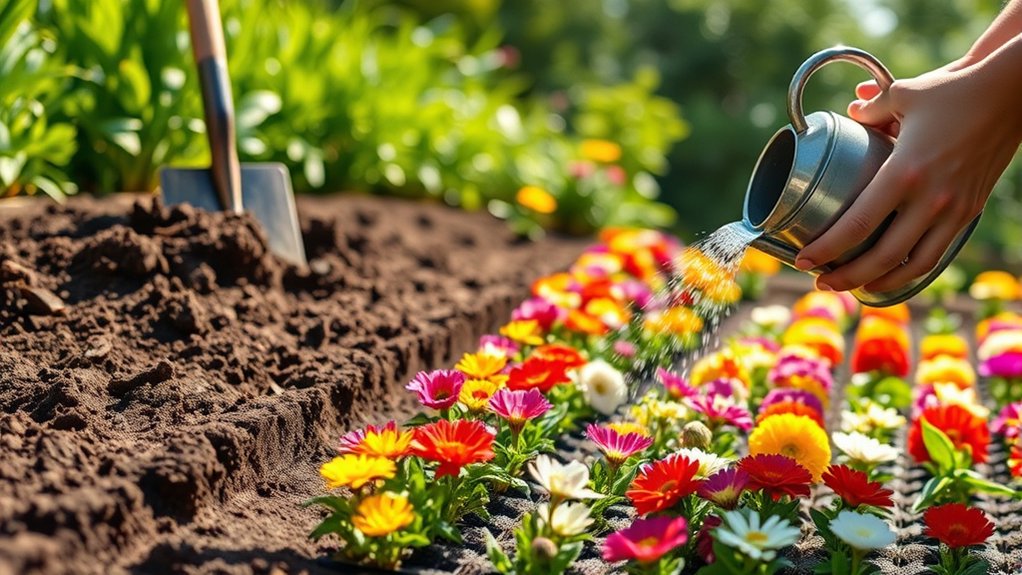
How to Create a Flower Bed in 3 Simple Steps
Starting a flower bed can feel overwhelming when you’re unsure what to plant or how to prepare the soil. You’re not alone—many people struggle to create a garden that looks beautiful without becoming difficult to maintain. This guide to how to create a flower bed in three simple steps makes it easier to get started.
To create a flower bed in three simple steps, first choose a sunny spot that gets at least six hours of direct light, then select flowers suited to your climate, available care, and bloom season. Next, clear weeds, grass, rocks, and roots; loosen and smooth the soil, and mix in finished compost or test-guided amendments. Finally, arrange plants, dig holes twice as wide as their roots, plant at the root-ball depth, and water deeply. A few smart choices can make your bed easier to maintain.
Key Takeaways
- Choose a sunny site with at least six hours of direct light, and select flowers suited to your climate and conditions.
- Plan color, bloom times, heights, and textures, placing taller plants behind shorter ones.
- Group flowers with similar sunlight, watering, and care needs for easier maintenance.
- Remove weeds, grass, rocks, and roots; loosen and smooth the soil, then use a soil test to guide amendments.
- Mix finished compost into the soil, arrange plants for spacing, then plant at root-ball depth and water deeply.
Choose a Sunny Spot and Pick Your Flowers
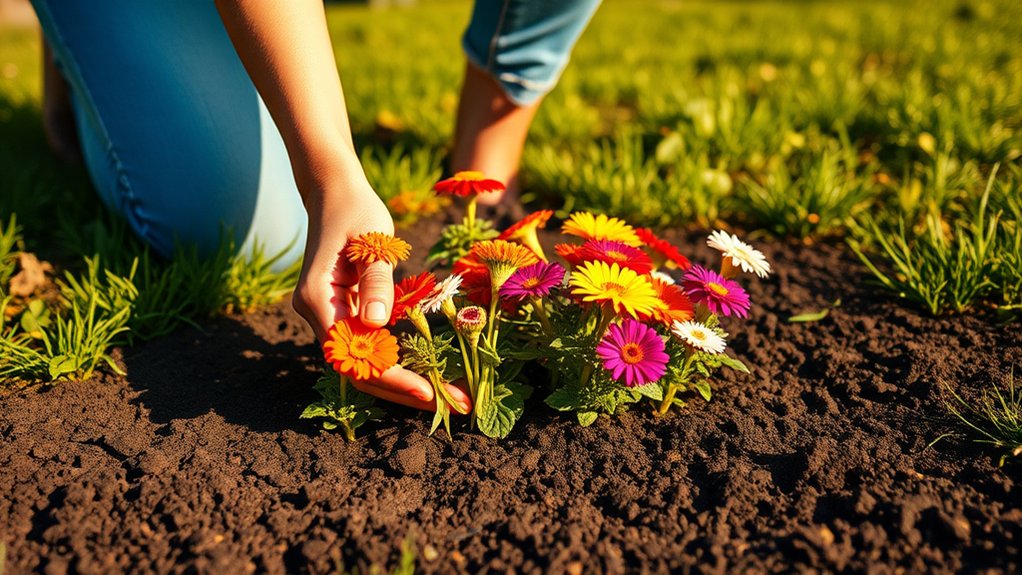
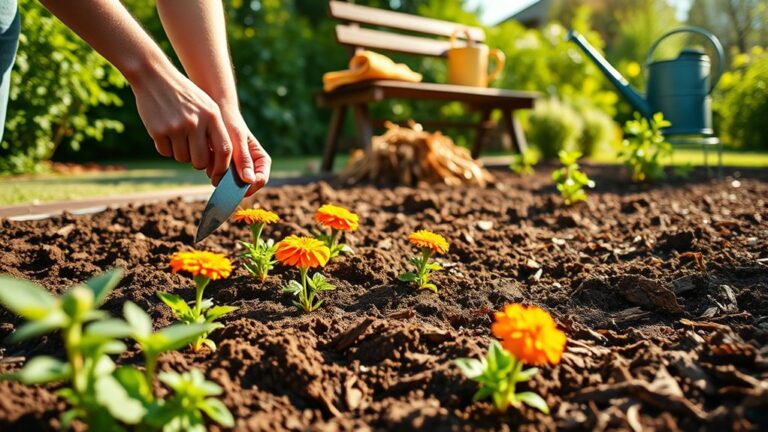
Start by choosing a spot that gets at least six hours of direct sunlight a day, since most flowering plants thrive in full sun. Watch the area throughout the day to confirm it receives enough light, and note any shade from nearby trees or buildings. If your yard has limited sun, choose plants suited to partial shade instead.
Next, pick flowers that match your climate, the site’s light, and the time you can spend caring for them. Combine varieties with different bloom times to keep color in your bed from spring through fall. Choose a simple palette of two or three colors for a coordinated look, or mix hues for a lively display. Check each plant’s mature height and spread so you can plan a balanced arrangement.
Add texture and structure with ornamental grasses, and consider fragrance notes when selecting scented blooms. Place taller plants where they won’t block shorter ones, and group flowers with similar water and care needs. A thoughtful selection makes your flower bed attractive and easier to maintain.
Clear the Area and Improve the Flower Bed Soil
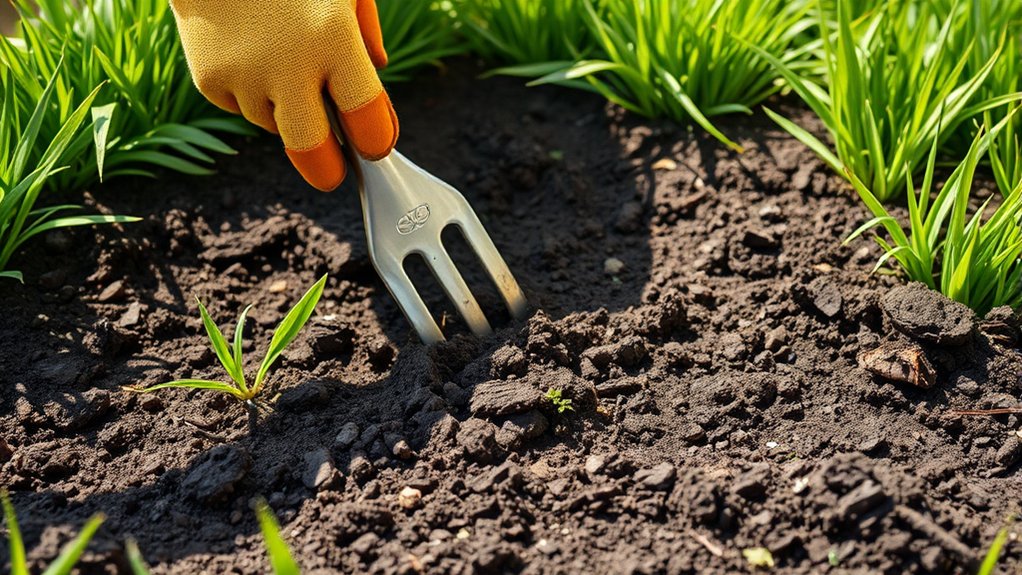
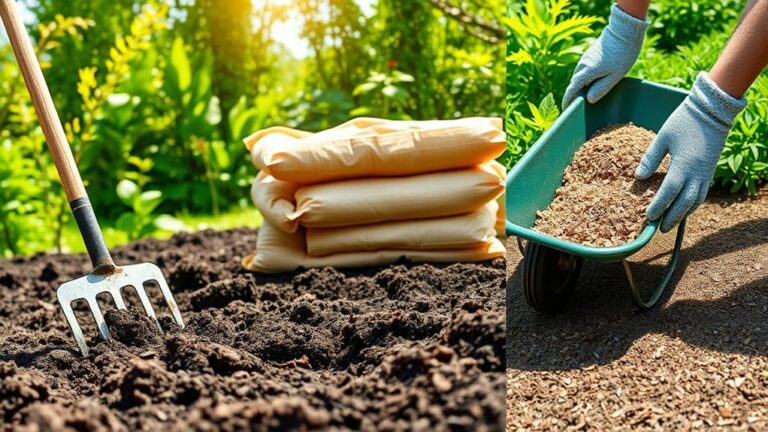
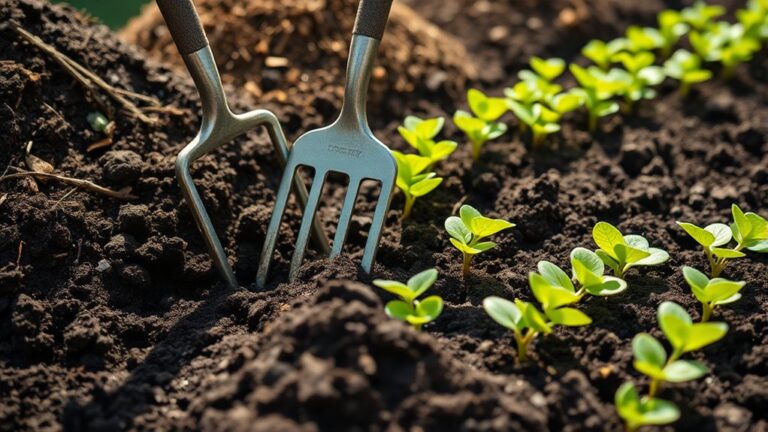
Once you’ve chosen your flowers, clear the bed of weeds, grass, rocks, and debris. Remove roots, too, so unwanted plants don’t return. For easier weed control, use a spade to loosen stubborn growth, then rake the surface smooth. Avoid working wet soil; it can compact and become difficult to manage.
Before adding anything, consider soil testing. A simple test can reveal your soil’s pH and nutrient levels, helping you choose suitable amendments instead of guessing. Use this quick guide:
| What you find | What to do | Why it helps |
|---|---|---|
| Compacted soil | Loosen it gently | Improves airflow |
| Poor drainage | Add organic matter | Supports soil structure |
| Low nutrients | Follow test results | Avoids overfeeding |
| Incorrect pH | Apply a recommended amendment | Makes nutrients accessible |
Spread finished compost over the bed and blend it into the top few inches. Keep amendments measured and appropriate for your flowers. Now your cleared bed has a healthier foundation, ready for the next step.
Plant Your Flowers and Water Them In
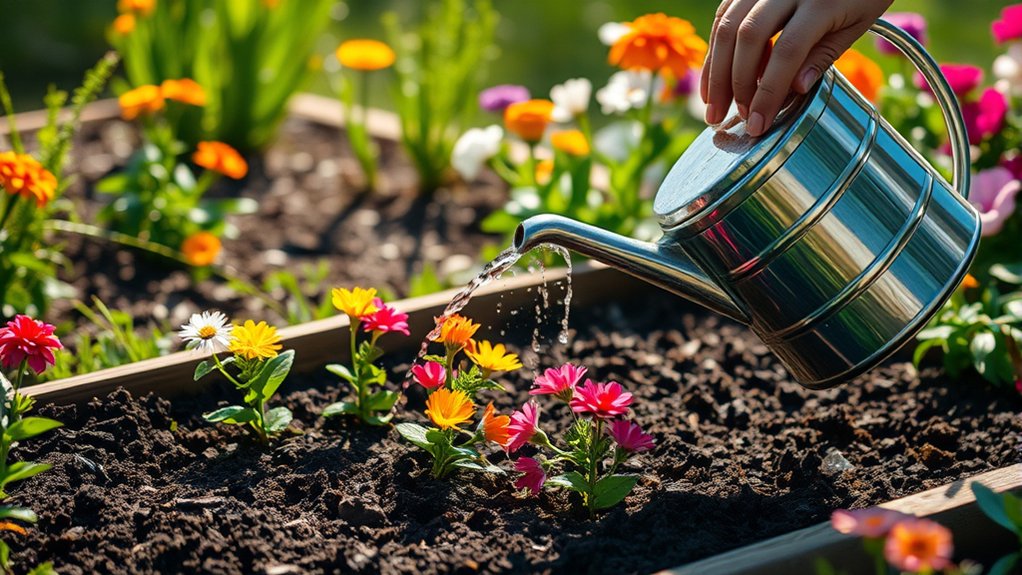
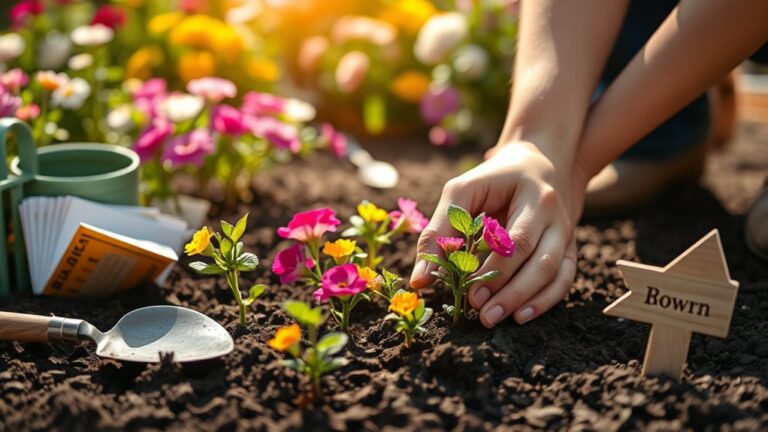
With the soil prepared, arrange your flowers in the bed before planting to check their spacing and overall layout. Follow the spacing on each plant’s label, allowing room for mature growth and airflow.
Group flowers with similar sunlight and water needs so you can care for them easily. Once you’re happy with the design, dig a hole as deep as each root ball and about twice as wide.
Gently remove each plant from its container, loosen circling roots, and set it in the hole. Keep the top of the root ball level with the surrounding soil; planting too deeply can stress the plant.
Backfill with the soil you removed, then press lightly to eliminate large air pockets without compacting the soil texture.
Use a slow, steady watering technique to soak the root zone immediately after planting. Water until the soil is evenly moist, not flooded. Check moisture over the next few days and water when the surface begins to dry.
Frequently Asked Questions
When Is the Best Time of Year to Create a Flower Bed?
The best time to create a flower bed is early spring or fall, when mild temperatures and moist soil help plants establish roots. Your ideal seasonal timing depends on your climate and the flowers you choose.
In cold regions, wait until frost danger passes before planting tender varieties. In warm areas, fall often offers the best planting conditions. You can prepare the bed earlier, but avoid working wet soil, which compacts easily.
How Much Does It Typically Cost to Create a Flower Bed?
You’ll typically spend $100–$500 to create a small flower bed yourself, while a larger or professionally installed bed can cost $1,000–$3,000 or more. Your cost estimates depend on the bed’s size, plant choices, edging, and local labor rates.
Soil preparation may add $20–$100 for compost, amendments, and tools, or more if you need extensive grading. You can save by doing the work yourself and choosing affordable, locally suited plants.
How Can I Prevent Weeds From Taking Over My Flower Bed?
Keep weeds at bay like a gardener guarding a gate: prepare your soil carefully, then cover it with two to three inches of mulch. For effective weeds control, pull unwanted growth while it’s small, before it sets seed.
Water your flowers at their bases, not across the whole bed, to avoid helping weed seeds sprout. Plant flowers close enough to shade bare soil, and check your bed weekly so you can catch invaders early.
Should I Add Edging Around My Flower Bed?
Yes, you should add edging around your flower bed if you want a neat boundary and fewer weeds creeping into it. Edging helps separate soil from lawn, keeps mulch in place, and makes mowing easier.
Choose edging materials that suit your garden’s style and budget, such as stone, metal, or recycled plastic. If you have pets, look for pet safe barriers without sharp edges or toxic treatments. Install edging securely for lasting results.
How Do I Protect a Flower Bed From Pets?
Protect your flower bed from pets with sturdy barriers; a 2023 survey found that 66% of U.S. households own a pet. For effective pet proofing, install low fencing or decorative edging, and cover exposed soil with mulch or smooth stones to discourage digging.
Choose pet-safe plants and avoid toxic chemicals. You can also add motion-activated sprinklers or create a designated digging spot nearby. Good soil preparation helps plants thrive despite curious paws.
Conclusion
A flower bed may look like a big project, but you can create one in three simple steps. Choose a sunny spot and flowers that suit it.
Clear the area, then enrich the soil so roots have room to grow. Plant your flowers and water them in.
You’ll trade bare ground for color, and a little effort for lasting beauty. Keep watering as needed, and soon your flower bed may become your garden’s brightest, most welcoming space.