How to Start a Flower Bed in 3 Easy Steps
Starting a flower bed can feel overwhelming when you’re not sure where to begin—you’re not alone. The right supplies can make the work easier and help your flowers thrive. Here’s how to start a flower bed in three easy steps.
First, choose a spot with suitable sunlight, avoid areas where water collects, and call your local utility-marking service before digging. Remove grass and weeds, loosen workable soil, and add amendments based on a soil test.
Next, select flowers that fit the light and space, arrange them by height, then plant at their original soil depth.
Finally, water thoroughly and keep soil evenly moist. Add two to three inches of mulch, and you’ll find helpful care tips ahead.
Key Takeaways
- Choose a site with suitable sunlight, good drainage, and a pleasing view from nearby windows, paths, or seating.
- Call your local utility-marking service, then clear the area of grass, weeds, rocks, and debris.
- Loosen the soil when it is dry enough to work, test it, and add suitable amendments or compost.
- Shape and smooth the bed, then arrange flowers by mature height, spacing, and sunlight needs.
- Plant flowers at their original soil level, water thoroughly, and add two to three inches of mulch.
Choose a Flower Bed Site and Prepare the Soil
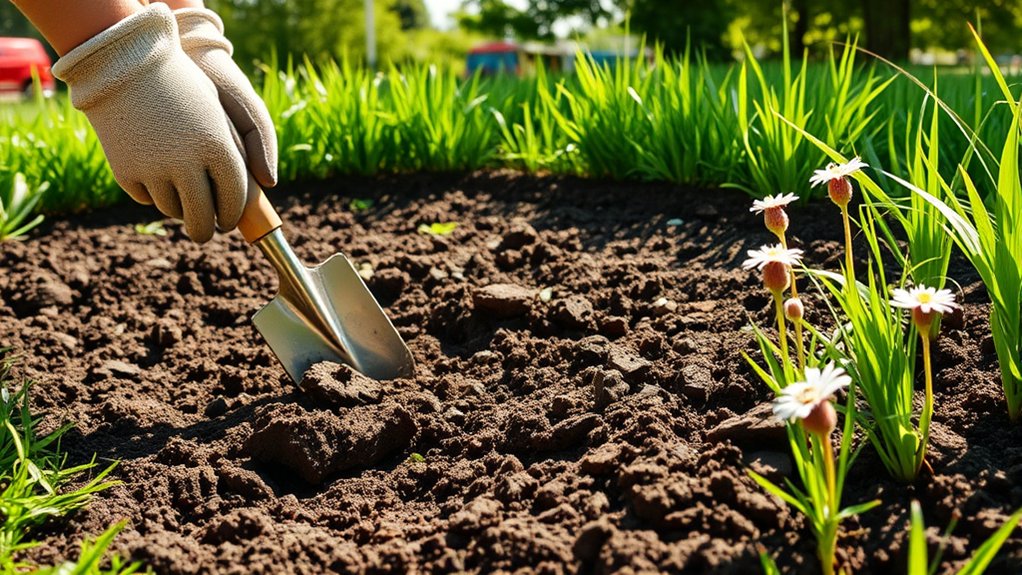
Choose a spot that gets the amount of sunlight your flowers need and is easy to reach for watering and care. Check how sunlight moves across your yard during the day, and note nearby trees, fences, or buildings that may cast shade. Avoid low areas where water collects after rain. Consider how the bed will look from windows, paths, and outdoor seating when planning your flower bed design.
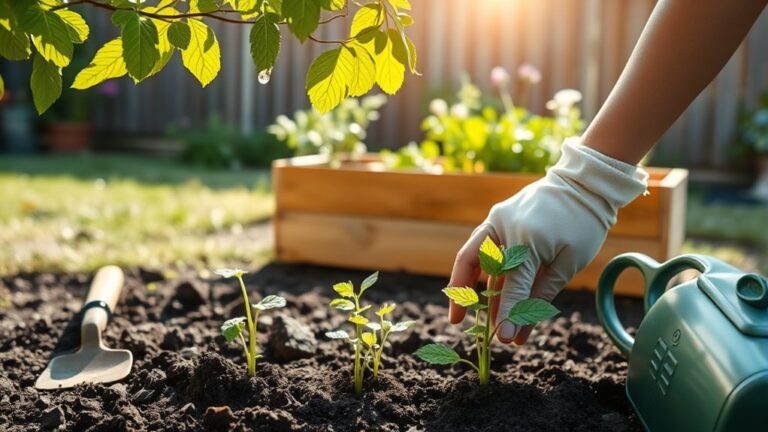
Before digging, call your local utility-marking service to identify buried lines. Then remove grass, weeds, rocks, and other debris from the chosen area. Loosen the soil with a garden fork or shovel, working deep enough to help roots grow later. Don’t work soil when it’s soggy, since that can compact it.
Use soil testing to learn whether your soil’s pH and nutrient levels need adjustment. Follow the test results rather than guessing, and mix in suitable compost or amendments. Rake the surface smooth, then shape the bed’s edges with a hose or string.
Choose Flowers for Your Site and Plant Them
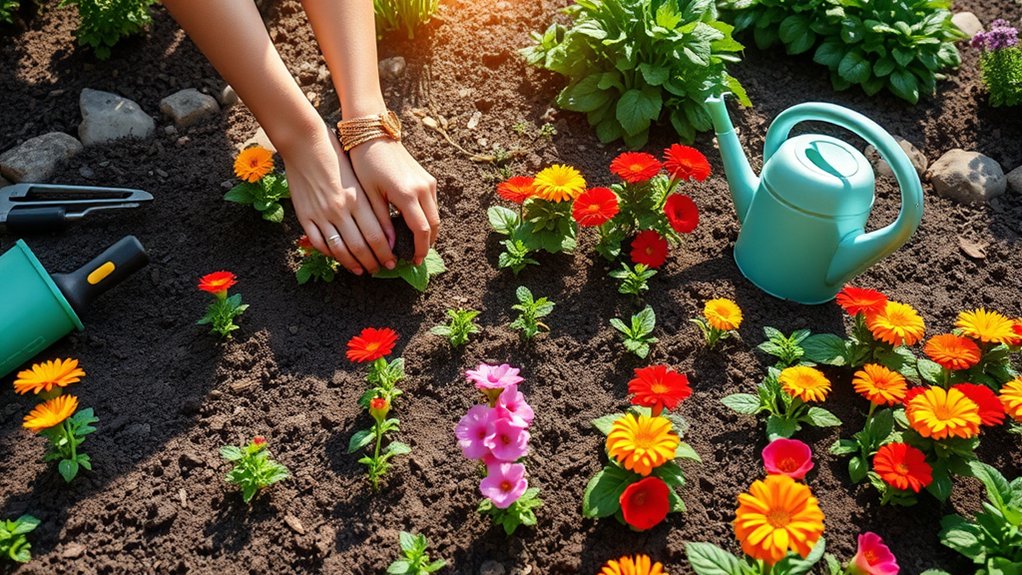
What will thrive in your flower bed? Start with the site’s sunlight, soil, and space. Check plant labels for light needs, mature height, and spread, then choose flowers suited to the conditions you prepared.
Choose flowers that suit your bed’s sunlight, soil, and space, checking labels for light needs, mature height, and spread.
If the bed gets full sun, select sun-loving varieties; for shade, look for plants that tolerate lower light. Match each flower’s size to its spot, placing taller plants at the back or center and shorter ones along the edges.
Consider petal color and bloom timing as you build a pleasing display. Combine complementary shades, and choose flowers that bloom in different seasons for color across more of the year.
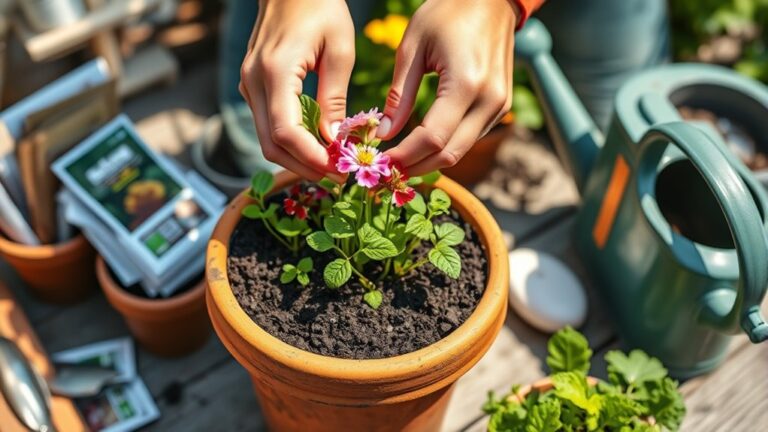
Include a mix of annuals and perennials if you want both quick impact and lasting structure. Before planting, arrange pots on the soil to test the layout.
Follow spacing recommendations, then dig holes as deep as each root ball and about twice as wide. Set each flower at its original soil level, fill around the roots, and gently firm the soil.
Water, Mulch, and Care for New Flowers
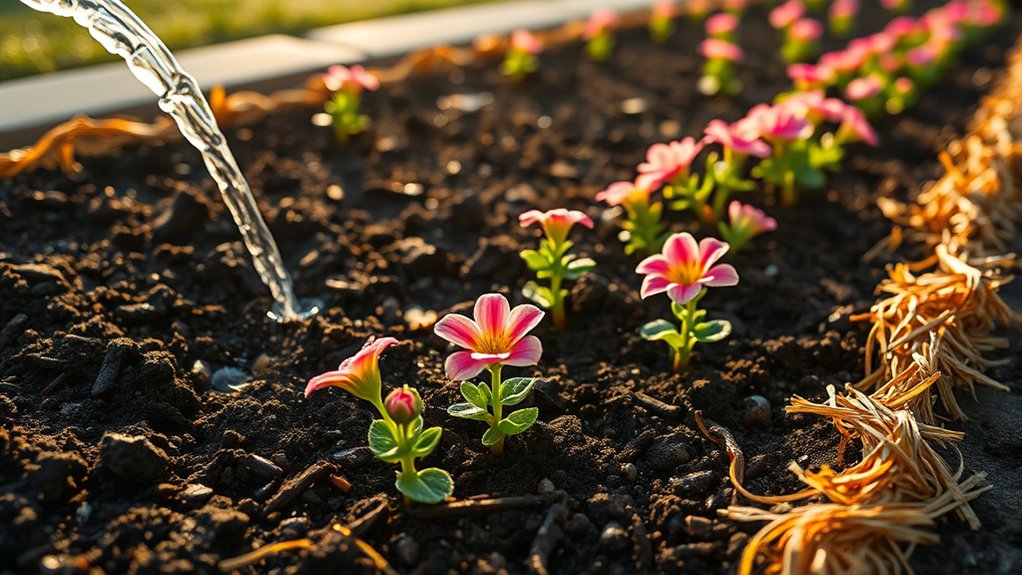
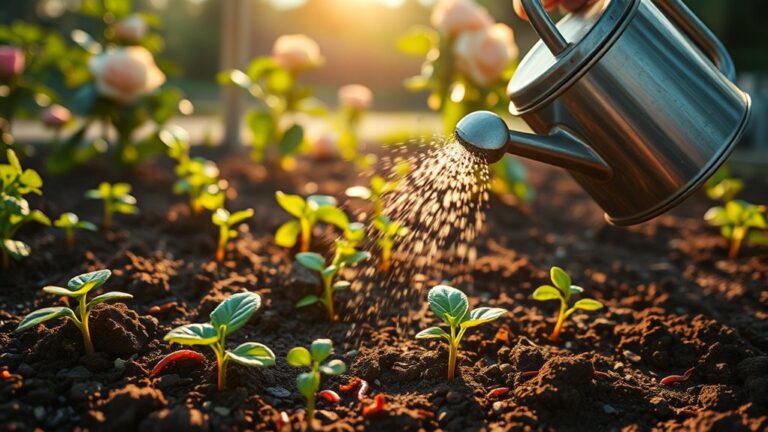
Once your flowers are in place, water them thoroughly to settle the soil around their roots. Keep the soil evenly moist during the first few weeks, checking it daily in hot, dry weather. Water at the base of each plant so roots receive moisture and leaves stay dry. After plants establish, adjust your schedule to their needs and local rainfall.
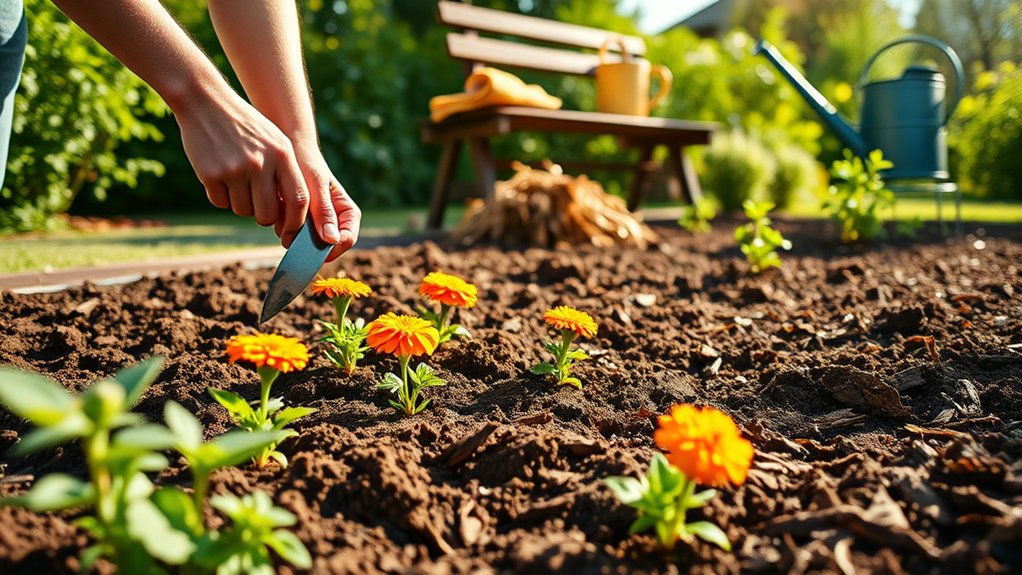
Spread a two- to three-inch layer of organic mulch around the flowers, leaving a small gap around each stem. Check the mulch depth periodically; replenish it as it breaks down, but don’t pile it against stems. Mulch helps retain moisture, suppress weeds, and moderate soil temperature, supporting water conservation.
Inspect your new flowers regularly for wilting, pests, or damaged leaves. Remove weeds while they’re small, and pinch off spent blooms when appropriate to encourage more flowers. Avoid heavy feeding right after planting; follow each plant’s care instructions. With steady attention, your flower bed will settle in and thrive.
Frequently Asked Questions
What Tools Do I Need to Start a Flower Bed?
You’ll need a spade or garden shovel to remove grass and turn soil, plus a garden fork to loosen compacted ground. Add a hand trowel for planting, a rake to level soil, and pruning shears for trimming.
Your tools list should also include gardening gloves, a watering can or hose, and a wheelbarrow for moving compost or plants. For soil prep, keep a soil test kit handy to check pH and nutrients before planting.
When Is the Best Time of Year to Create a Flower Bed?
Spring and fall are your best planting windows for creating a flower bed, when mild weather gives plants a gentle start. In spring, wait until the soil is workable and frost risk has passed for tender plants.
In fall, plant several weeks before the ground freezes so roots can settle in. Your seasonal soil prep matters, too: clear weeds, loosen the soil, and add compost before planting. Check local frost dates to choose your moment.
How Much Does It Cost to Start a Flower Bed?
You’ll typically spend $100–$500 to start a small flower bed, while a larger or professionally installed bed can cost $1,000 or more. Your total depends on bed size, soil quality, plants, edging, tools, and labor.
For accurate cost estimates, price materials locally and decide which tasks you’ll handle yourself. Careful budget planning helps you prioritize soil improvements and healthy plants, then add decorative extras if funds allow. Start small to keep expenses manageable.
How Can I Design a Flower Bed for Year-Round Interest?
To create year-round interest, layer plants with staggered bloom times, varied heights, and contrasting foliage. You’ll keep the garden lively by choosing spring bulbs, summer flowers, autumn color, and evergreen structure for winter.
For year round color, repeat a few reliable shades throughout the bed, then add seasonal accents. Good perennial planning means checking each plant’s mature size, sunlight needs, and bloom season. Don’t put all your eggs in one basket: mix dependable perennials with annuals.
Should I Install Edging Around My Flower Bed?
Yes, edging can give your flower bed a clean boundary, keep mulch in place, and slow grass from creeping into your plants. Choose edging materials that suit your garden’s style, budget, and maintenance needs, such as stone, metal, brick, or plastic.
Consider installation timing before you plant or refresh the bed; working with clear soil makes shaping the edge easier. Keep the edging low enough to avoid blocking water or hiding plants.
Conclusion
Starting a flower bed takes only three steps: choose a sunny or shady site, prepare the soil, and plant flowers suited to the conditions. Water them well, add mulch, and keep up with basic care as they grow.
You might expect a glorious garden to appear overnight, but flowers rarely honor that schedule. Give your new bed time, attention, and room to flourish. Before long, starting a flower bed may become your favorite reason to spend every weekend outside.