How to Grow a Small Garden in 10 Essential Steps
Growing a garden in a small space can feel challenging, especially when you’re unsure what to plant or how to keep it thriving. You’re not alone—many people struggle to make the most of a balcony, patio, or tiny yard. These 10 essential steps for how to grow a small garden can help you get started.
Choose a sunny spot, measure your space, and set a clear goal. Pick compact plants suited to your light and climate, then choose containers or a narrow bed.
Fill it with rich, well-draining soil, and plant seeds or seedlings at the labeled depth and spacing. Water when the soil needs it, feed and mulch carefully, and prune, harvest, and check for pests.
Adjust care as seasons change; the steps ahead make it easier.
Key Takeaways
- Choose a sunny, accessible spot; track sunlight over several days and measure the space before planning your garden.
- Set a clear garden goal and choose compact plants suited to your light, climate, and growing season.
- Select containers with drainage or prepare a narrow, accessible bed. Fill it with nutrient-rich, well-draining soil and compost.
- Plant seeds and seedlings at the recommended depths and spacing, then mark each planting spot.
- Check soil moisture before watering. Feed as directed, mulch carefully, and adjust care to the weather and season.
Choose a Sunny Spot for Your Small Garden
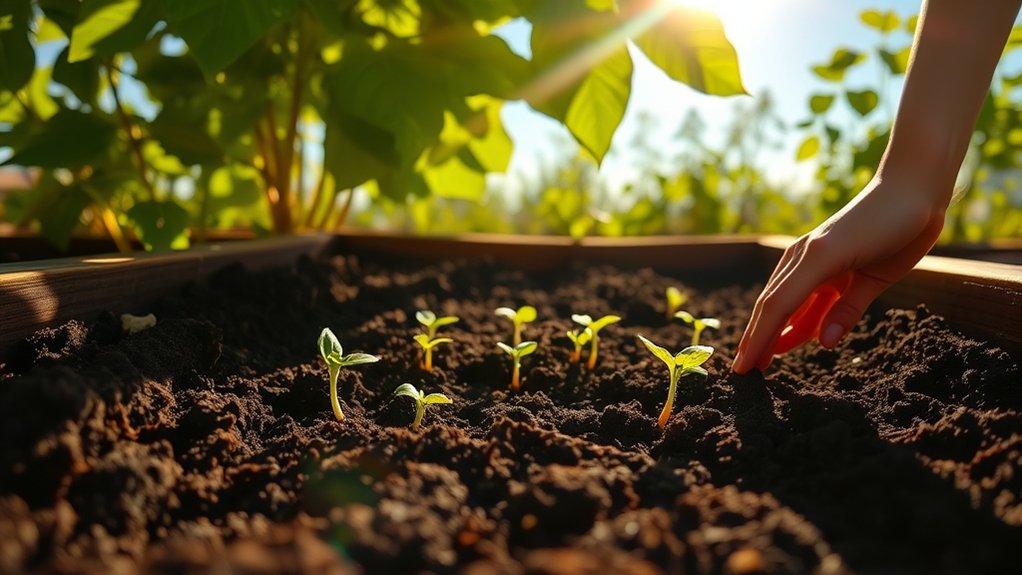
Before you choose a spot, watch how sunlight moves across your yard or balcony. Note where direct rays fall in the morning, at midday, and late afternoon. Nearby walls, fences, trees, and buildings can cast shifting shadows, so check the area on several days. This simple light exposure planning helps you match plants to the conditions you actually have.
Most vegetables and fruiting herbs need at least six hours of direct sun daily. Tomatoes, peppers, cucumbers, and basil thrive in bright locations. Leafy greens, parsley, and mint tolerate partial shade, especially where afternoon sun feels intense. For successful sunny spot selection, choose the brightest practical area for sun-loving crops, while reserving shadier corners for plants that prefer cooler conditions.
If sunlight varies by season, consider how deciduous trees or changing shade patterns may affect your garden. A nearby reflective wall can boost warmth, but it may also make plants dry out faster. Choose a spot with steady, suitable light throughout the growing season.
Measure Your Space and Set a Small-Garden Goal
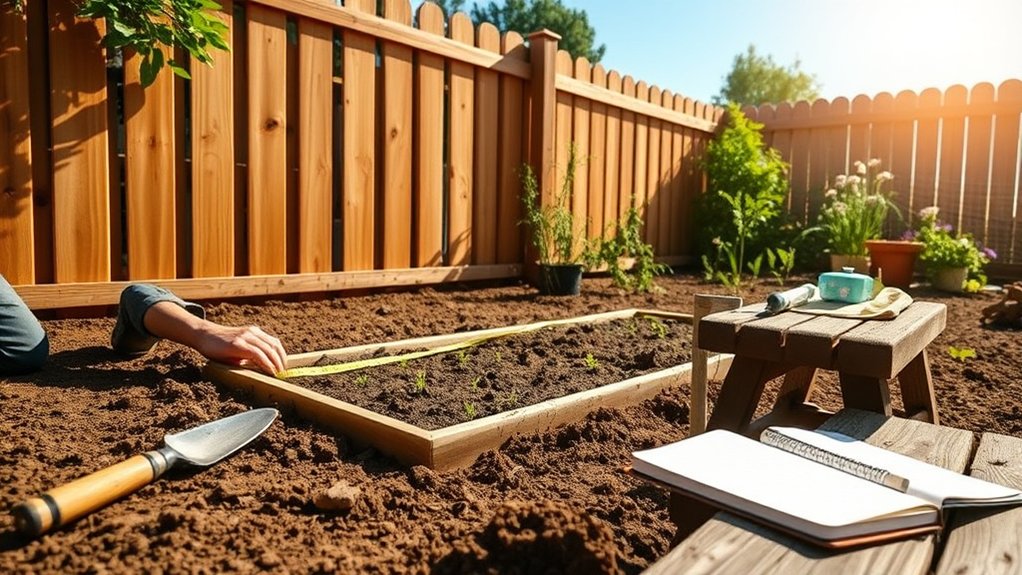
Measure the length and width of your available space to see what will fit. Then decide what you want your garden to do—for example, grow herbs for cooking or vegetables for a few meals. With your measurements and goal in mind, you can choose what to plant.
Measure Available Space
A thriving small garden starts with knowing exactly how much room you have. Grab a tape measure and record the length and width of each spot you might use, including balconies, patios, windowsills, and sunny indoor areas. Note nearby walls, railings, doors, and paths so you don’t block access or overlook shade.
Check how sunlight moves across each location throughout the day. Mark the hours of direct light, and notice wind exposure, water access, and nearby outlets. Measure vertical surfaces, too, if you could hang planters or add shelves.
Sketch your spaces on paper, then label each dimension. This simple map helps you compare options and plan space utilization without crowding. If you’re considering pots, measure their footprints and account for container drawbacks, such as limited root room and faster drying. Keep the measurements handy.
Set a Garden Goal
Once you’ve mapped your space, choose what you want your garden to do: grow fresh herbs, supply a few vegetables, or brighten a balcony with flowers. Let your available sunlight, time, and budget guide that choice.
If you can visit your plants daily, you might grow thirsty crops. If not, choose forgiving herbs or flowers. Think about how much produce you’ll use, too. A single tomato plant may suit your kitchen better than a crowded row of vegetables.
This goal alignment helps you avoid buying plants that won’t fit your space or routine. Write down one clear aim, such as harvesting salad greens weekly or keeping a colorful container garden.
Then use it to guide seed selection, supplies, and planting dates. Start with a manageable plan; you can expand next season after learning what thrives in your garden.
Pick Small-Garden Plants for Your Light and Climate
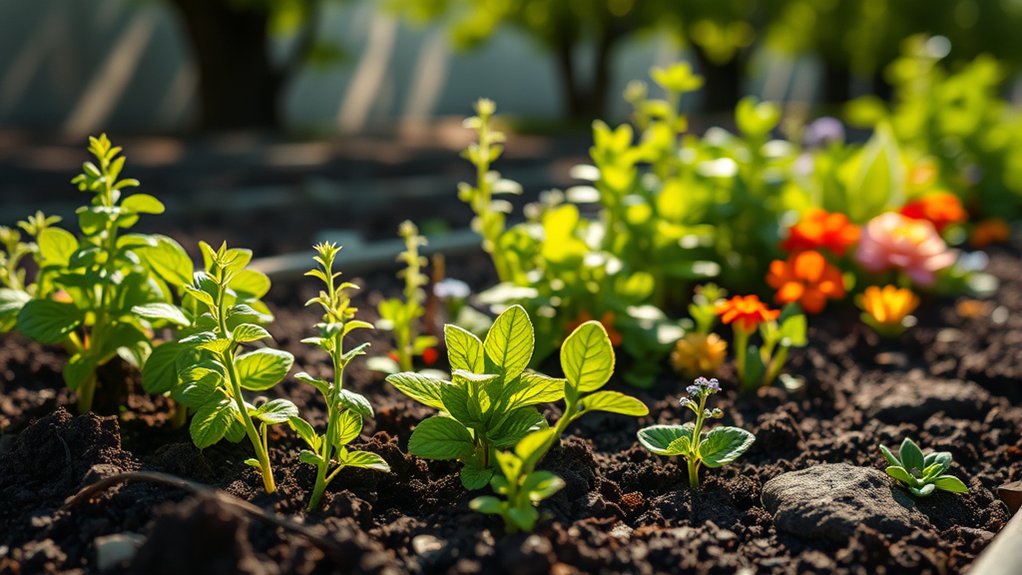
Choose plants that match the sunlight your garden receives and the climate in your area. Track how many hours of direct sun reach your space, then check each plant’s light needs.
Contemplate your local growing season, typical temperatures, and frost dates, too. These details help you choose varieties that can thrive, rather than struggle.
| Light conditions | Plants to consider |
|---|---|
| Full sun | Cherry tomatoes, basil |
| Partial shade | Lettuce, parsley |
For compact spaces, look for naturally small varieties, such as dwarf peppers or bush beans. Read seed packets and plant labels for mature height, spread, and harvest timing; these clues help you avoid overcrowding and choose crops you’ll enjoy eating.
If your climate has a short season, select fast-maturing plants. In hot regions, favor heat-tolerant greens and herbs, and provide afternoon shade when needed.
You can also compare container options by checking which plants suit limited growing areas, without choosing pots yet. Match your selections to your goal, available light, and local weather, and you’ll give your small garden a stronger start.
Choose Pots or Prepare a Small Garden Bed
Next, decide whether pots or a small garden bed better fit your space. If you’re gardening on a patio, balcony, or windowsill, choose containers that fit without blocking walkways or doors. Compact pots work well for herbs and smaller plants, while deeper, wider containers give roots more room.
Check that each pot has drainage holes, and make sure you can move it safely when needed. Group containers where you can reach them easily for watering and harvesting.
If you have a patch of ground, mark out a bed that’s easy to access from every side. Keep it narrow enough to tend without stepping on the growing area.
For balconies, use sturdy balcony beds designed for your railing or floor, and confirm they won’t exceed weight limits. Consider sunlight, wind exposure, and nearby walls when choosing a location.
Whether you pick pots or a bed, leave enough space to care for each plant and expand your garden later if you’d like.
Fill Your Small Garden With Quality Soil
Choose nutrient-rich soil to give your plants a strong start. If it doesn’t drain well, mix in material that improves airflow and helps prevent waterlogging. You can also add compost or other organic matter to nourish your plants and support healthy soil.
Choose Nutrient-Rich Soil
Healthy plants start with quality soil, so fill your small garden with a nutrient-rich mix that drains well and holds enough moisture for roots to thrive. Choose a blend suited to the plants you want to grow, or enrich your existing soil with finished compost.
Compost adds organic matter and supports nutrient cycling, helping your plants access nourishment over time. Check the soil label for ingredients and avoid mixes that rely heavily on synthetic fertilizers.
A balanced soil supports healthy growth without requiring constant feeding. Before planting, loosen the soil gently and remove large stones or debris so roots can spread.
You’ll also improve soil structure by mixing compost evenly through the planting area. Start with a modest amount, then observe how your plants respond.
Healthy leaves and steady growth can signal that your soil provides a strong foundation.
Improve Soil Drainage
Good drainage keeps roots healthy by allowing excess water to escape while the soil retains enough moisture for growth. Check your garden after rain: if puddles linger, water may be trapped by compacted ground or a low spot.
Improve soil structure by loosening the surface and correcting uneven areas before planting. Choose drainage techniques that suit your space and soil:
- Mix in coarse sand only when appropriate for your soil type; the wrong mix can worsen compaction.
- Raise beds slightly to help water move away from plant roots.
- Create shallow channels that guide excess water toward a safe outlet.
Test the area again after watering. If water still pools, adjust the bed’s slope or height. You’ll give roots room to breathe and reduce the risk of rot without letting soil dry out too quickly.
Add Organic Matter
To build fertile soil, add organic matter such as compost or well-rotted manure. These materials improve soil structure, help roots access nutrients, and support beneficial organisms.
Spread a two- to three-inch layer over your garden bed, then mix it into the top six inches of soil. Don’t dig deeply around existing plants; add a thin layer as mulch instead.
| Material | Main benefit |
|---|---|
| Compost | Adds balanced nutrients |
| Well-rotted manure | Boosts fertility |
You can make composting part of your routine by collecting vegetable scraps, dry leaves, and grass clippings. Avoid meat, dairy, and diseased plants.
Let the pile break down until it’s dark and crumbly, then work it into the bed before planting. Choose clean, finished materials to protect your small garden and give new plants a healthy start.
Add more organic matter each season to maintain soil quality.
Plant Small-Garden Seeds and Seedlings at the Right Depth
Plant seeds and seedlings at the depth their labels recommend, since burying them too deeply can slow growth or prevent sprouting. Check each packet for seed depth, because requirements vary: some seeds need darkness underground, while others need light to germinate. Press tiny seeds onto the soil surface if the label advises, and cover larger seeds with the specified amount of soil.
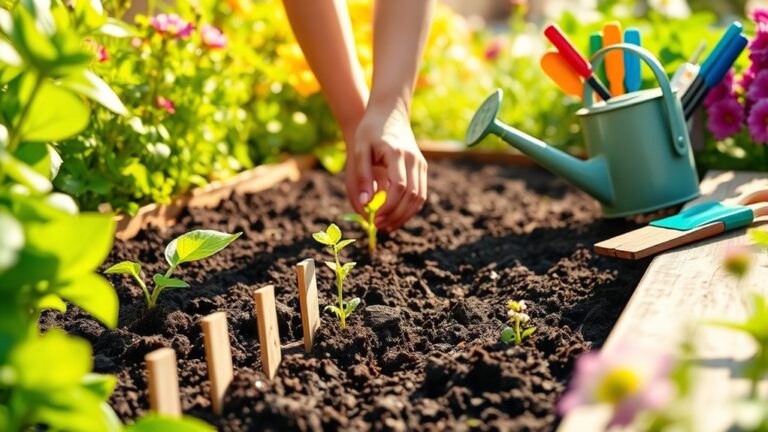
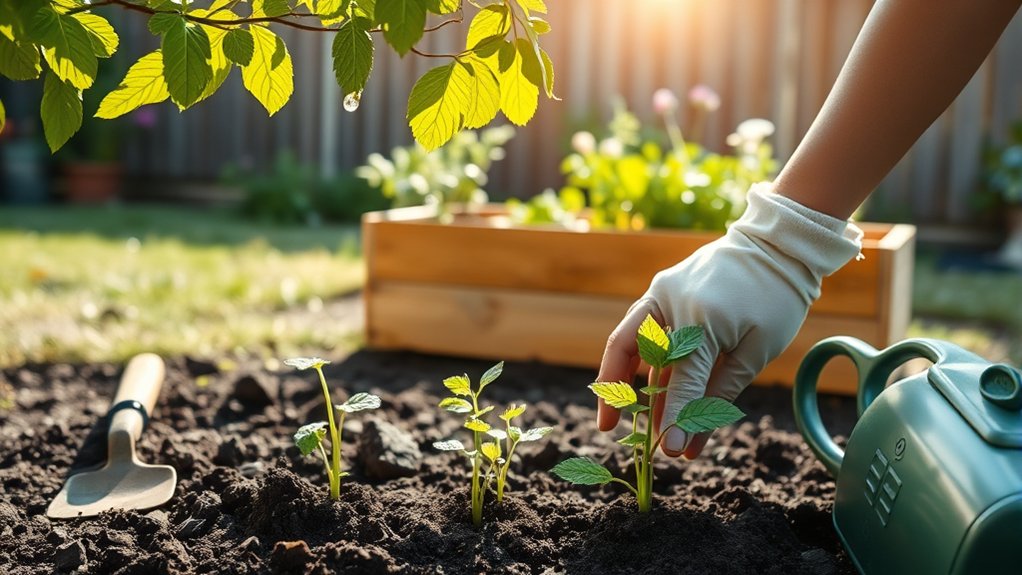
When you transplant seedlings, set each one at the same depth it grew in its container. Keep leaves above the soil, and avoid burying the stem unless the plant’s instructions say otherwise. Follow the recommended seedling spacing so plants have room to mature without crowding your small garden.
- Use a ruler or your finger to measure planting depth consistently.
- Make shallow furrows for rows, then place seeds at the labeled intervals.
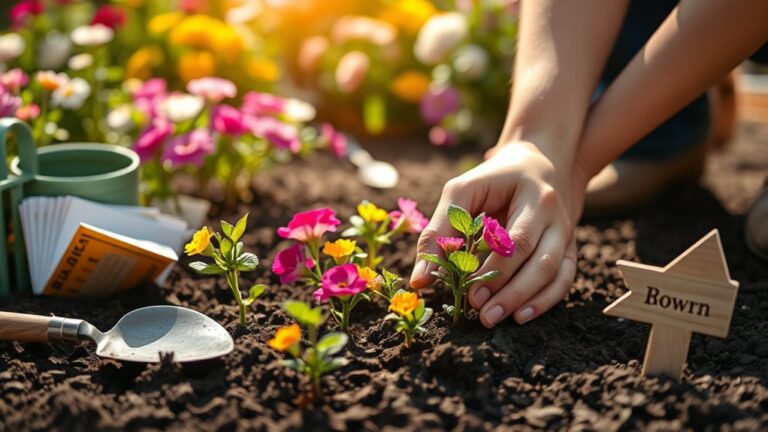
- Mark each planting spot with a label so you can identify emerging plants.
Handle seedlings gently by their leaves, not their delicate stems. Check labels before planting, since guessing can lead to poor emergence or stunted growth.
Water Your Small Garden Without Overdoing It
Check the soil before watering so you don’t give your plants more than they need. Water at the roots to keep the leaves dry. And adjust how often you water as the weather changes.
Check Soil Moisture
Water only when your garden’s soil needs it, not on a fixed schedule. Check moisture before you water, since sun, wind, plant size, and soil type all affect how quickly a small garden dries.
Push your finger about an inch into the soil near a plant. If it feels damp, wait and check again later; if it feels dry, your plants may need water. Don’t rely on the surface alone, because it can dry faster than the soil below.
- Check a few spots, since moisture can vary across your garden.
- Use moisture meters or soil sensors for readings when you’re unsure.
- Note how long soil stays moist after watering to guide future checks.
With regular checks, you’ll learn your garden’s patterns and avoid watering by habit. Pay attention to changes in weather and plant growth, and adjust your checks accordingly.
Water At The Roots
Once the soil feels dry, direct water slowly to the base of each plant. Aim for the soil around the roots, not the leaves, so moisture reaches the root zone with less waste.
A watering can with a narrow spout helps you control the flow in a compact garden. You can also use a soaker hose for steady root zone irrigation, especially when plants sit close together.
Apply water in short passes, pausing to let it soak in rather than run off the surface. Check the soil near the roots afterward; if it’s moist several inches down, you’ve likely watered enough.
These simple watering methods help you avoid shallow, frequent sprinkles that encourage weak roots. Keep water off foliage when possible to reduce the chance of disease.
Adjust For Weather
Even with good root-level watering, your small garden’s needs will change with the weather. Check the soil before you reach for the hose: if the top inch feels damp, wait.
Adjust your routine after rain, during heat waves, and when cooler days slow evaporation. These weather adjustments help you avoid soggy roots and wasted water.
- Hot, dry spells: Check soil daily and water early if it’s dry.
- Rainy stretches: Skip watering when rainfall has moistened the root zone.
- Cool or windy days: Recheck soil; wind can dry beds, while cool weather often slows water loss.
Use seasonal timing as your guide, not a fixed calendar. Young plants may need more frequent checks, while established plants can often go longer between drinks.
Watch leaves for wilting, but confirm soil dryness before watering; midday droop can reflect temporary heat stress, not thirst.
Feed and Mulch Your Small-Garden Plants
Feed and mulch your plants to support steady growth and protect the soil. Choose a balanced fertilizer suited to your crops, then follow the label’s directions for the right amount and timing. Too much fertilizer can harm roots and encourage leafy growth at the expense of flowers or fruit.
If you’re unsure what your soil needs, add finished compost to improve its structure and provide gentle nutrition. You can also use a soil test to guide your choices.
Spread a two- to three-inch layer of organic mulch, such as shredded leaves, straw, or bark, over the soil. Keep it a few inches away from stems to prevent excess moisture and rot.
Mulch helps retain water, moderate soil temperature, and limit weeds, so you won’t need to water as often. As the material breaks down, it enriches the soil. Refresh the layer when it thins, and choose clean materials free of seeds or chemicals. Don’t pile mulch against plant crowns.
Prune, Harvest, and Check Your Small Garden for Pests
Prune damaged or crowded growth, harvest crops as they ripen, and inspect leaves and stems regularly for pests. Use clean, sharp snips to remove unhealthy leaves and improve airflow without cutting more than necessary.
These prune tips help you protect plants while keeping a compact garden productive. Check each plant’s needs before trimming; some crops produce more when you pick often, while others need time to mature.
Pay attention to harvest timing: pick fruits and vegetables when they reach their ideal size, color, and firmness. Regular harvesting can encourage continued production and prevent ripe crops from attracting pests.
As you work, look beneath leaves and along stems for eggs, holes, webbing, or sticky residue. Catching problems early makes them easier to manage.
- Remove damaged growth promptly, and disinfect your tools between plants.
- Pick ripe produce gently to avoid bruising nearby stems.
- Handpick visible pests, then discard affected leaves when appropriate.
Check your garden every few days, and act quickly when you spot changes.
Adjust Your Small Garden as the Seasons Change
As temperatures and daylight shift, adjust your small garden to match each season’s growing conditions. Watch local forecasts, then protect tender plants from frost with covers or move containers indoors. In summer, water deeply during cool morning hours and add mulch to slow evaporation.
| Season | Garden adjustment |
|---|---|
| Spring | Enrich seasonal soil with compost; sow cool-weather crops. |
| Summer | Provide shade for heat-sensitive plants; check moisture daily. |
| Fall | Harvest mature crops; plant hardy greens and garlic. |
Review plant placement as the sun’s angle changes. Move pots to follow light or shield leaves from harsh afternoon rays. In fall, clear spent plants and add compost, but leave healthy roots to break down and feed the soil.
During winter, reduce watering, clean tools, and plan next season’s layout. Choose adjustments that suit your climate and the space you have. A small garden can keep producing when you respond promptly to changing light, temperature, and moisture. Keep notes on what thrives, so you can refine your seasonal routine each year.
Frequently Asked Questions
How Can I Garden in a Small Space Without a Yard?
You can garden without a yard by using sunny windowsills, balconies, doorsteps, or indoor shelves. Grow Urban microgreens in shallow trays; they’re quick to harvest and need little room.
Arrange balcony herb clusters in railing planters or compact pots, choosing basil, mint, or parsley. Use vertical racks to make the most of walls, and pick containers with drainage holes.
Check sunlight, water when the soil feels dry, and harvest regularly to encourage fresh growth.
Are Raised Beds or Containers Better for Renters?
Container gardens usually suit renters better because you can move them when you relocate, arrange them on balconies or patios, and avoid altering the property. Choose lightweight pots with drainage holes, and use saucers to protect surfaces. Raised beds offer more growing depth and space, but they’re harder to move and may need your landlord’s approval. If you have a stable outdoor area and permission, a portable raised bed can still work well.
How Can I Protect a Small Garden From Pets?
Think of your garden as a tiny stage: give pets a clear boundary before they steal the show. Use garden fencing or low mesh barriers to block digging and trampling, and secure gates so curious animals can’t slip through.
For protecting pets, avoid toxic plants, pesticides, and fertilizers; store chemicals out of reach. Offer a designated play area or pet-safe path, and supervise visits until your pets learn which spots are off-limits.
Can I Grow Vegetables Indoors Without a Grow Light?
Yes, you can grow some vegetables indoors without a grow light if you have a bright, sunny window. For successful indoor gardening, place plants near a south-facing window and rotate pots regularly so each side gets light.
Choose leafy greens, herbs, or microgreens, which need less sun than fruiting crops. Grow light alternatives include reflective surfaces that redirect daylight.
If your plants look leggy or pale, move them closer to the window or choose a brighter spot.
How Can I Make a Small Garden Accessible for Children?
You can make a small garden accessible for children by creating child friendly paths wide enough for little feet and mobility aids. Choose toy friendly surfaces, such as firm mulch or smooth paving, so kids can move toys and wheelbarrows easily.
Add raised beds at child height, lightweight tools, and reachable water sources. Keep paths clear, avoid toxic plants and sharp edges, and provide a shaded spot where children can rest, discover, and enjoy gardening safely.
Conclusion
A small garden can turn even a sunny windowsill or narrow patio into a lively patch of green. Start with one manageable goal, then give your plants the light, soil, water, and care they need. As leaves unfurl and fresh herbs scent the air, you’ll see how little space can yield plenty of joy. Keep observing, harvesting, and adjusting with the seasons. Your garden doesn’t need to be perfect; it just needs your attention, one small step at a time. With these 10 essential steps, you can grow a small garden that brings joy to your space.