7 Essential Tips to Support Hydrangeas
Struggling to keep your hydrangeas healthy and blooming? You’re not alone—many gardeners find it tricky to get the light, water, and care just right.
These seven essentials can help you support hydrangeas and enjoy stronger, more beautiful plants.
Support hydrangeas with seven essentials: choose a spot with morning sun and afternoon shade, and leave room for mature growth. Plant them in well-drained soil, check pH before making gradual adjustments, and water deeply whenever the soil begins to dry.
Mulch to conserve moisture, keeping it away from stems.
Prune according to variety, and fertilize only when tests or symptoms indicate a need.
Protect plants from heat and winter cold, and inspect for pests or bloom problems. You’ll find practical details for each step below.
Key Takeaways
- Plant hydrangeas where they receive morning sun and afternoon shade, especially in hot climates, with enough space to reach mature size.
- Choose well-draining soil that stays evenly moist; improve drainage with compost or raised beds if needed.
- Water deeply at the base when soil begins to dry, and mulch to retain moisture while keeping mulch away from stems.
- Identify your hydrangea type before pruning: prune old-wood varieties after flowering and panicle or smooth varieties in late winter or early spring.
- Protect roots from winter cold, inspect plants for pests, and fertilize only when soil tests or clear symptoms indicate a need.
Choose the Right Spot for Hydrangeas

Where you plant a hydrangea can shape how well it grows and blooms. Choose a spot that offers morning sun and afternoon shade, especially if your summers get hot. In cooler regions, a location with more sun can help your shrub thrive.
Watch the light across the day before you decide; nearby trees and buildings can cast changing shadows. Give your hydrangea enough room to reach its mature size without crowding paths, windows, or neighboring plants.
Good air circulation helps keep foliage healthy, while a sheltered position protects delicate blooms from strong winds. Consider how you’ll view the shrub from indoors and outdoors, and place it where its flowers can brighten a favorite seating area.
If you’re brainstorming space for a garden refresh, compare color varieties with nearby flowers and foliage to create a pleasing display. Check plant labels for light and size guidance, since needs vary by type. Pick a spot you can easily reach for watering, pruning, and enjoying the blooms.
Choose Soil That Suits Your Hydrangeas

Choose soil that drains well so your hydrangeas’ roots don’t sit in water. It’s also a good idea to check your soil’s pH, since it can affect flower color. You can adjust the pH to suit your hydrangea variety.
Check Soil Drainage
Healthy hydrangeas need soil that drains well while holding enough moisture to keep their roots hydrated. To check your soil, dig a hole about 12 inches deep and fill it with water. Let it drain, then fill it again. If the second filling takes more than a few hours to disappear, your soil may hold too much water. If it drains almost immediately, it may dry out too quickly.
Watch your plants after rain or watering. Wilting, yellowing leaves, or persistently soggy ground can signal drainage problems. For drainage troubleshooting, identify whether compacted soil, heavy clay, or a low spot traps water. You can improve conditions with suitable soil amendments, such as compost, or by planting in a raised bed. Choose a solution that keeps roots moist without leaving them waterlogged.
Adjust Soil pH
Soil pH affects how well hydrangeas absorb nutrients and, for some varieties, the color of their blooms. Test your soil before planting or changing its pH; a simple kit can guide your next steps.
Most hydrangeas grow well in slightly acidic soil, but bigleaf varieties may produce blue blooms in more acidic conditions and pink blooms in less acidic soil. Don’t expect every variety’s color to respond.
| Soil condition | What you can do |
|---|---|
| Too acidic | Add garden lime gradually |
| Near neutral | Keep monitoring pH |
| Too alkaline | Add sulfur as directed |
To adjust soil safely, follow product labels and retest after several months. Make small changes rather than chasing a specific bloom color.
Your hydrangea’s variety, soil nutrients, and water also affect results. Maintain a steady pH balance, and avoid applying amendments without testing first. This prevents nutrient problems and protects healthy roots.
Water Hydrangeas Deeply and Consistently

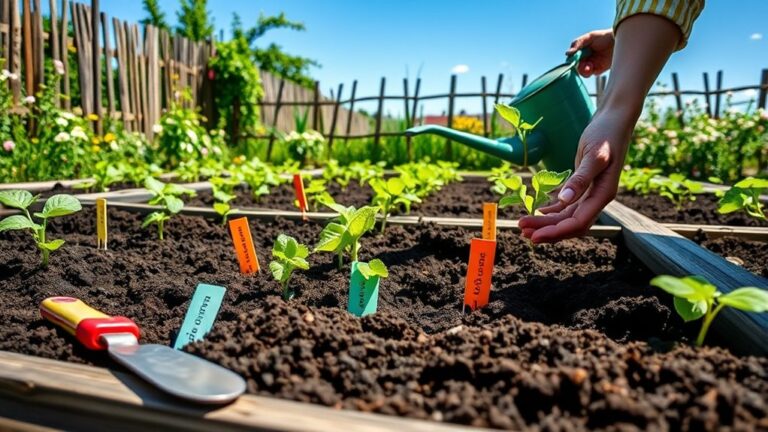
Water hydrangeas deeply so moisture reaches their roots, then keep the soil consistently damp—not waterlogged. Your watering habits should reflect the weather, soil, and plant’s needs rather than a rigid schedule. Check the soil regularly: if the top inch feels dry, it’s time to water.
Apply water slowly at the base of each plant, giving it time to soak in instead of running off the surface. A soaker hose or drip system can help you provide consistent moisture while keeping foliage dry. If you use a sprinkler, water early in the day so leaves can dry before evening.
During hot, dry spells, your hydrangeas may need more frequent watering. Newly planted shrubs also need close attention as their roots establish. In cooler or rainy weather, ease back and check the soil before adding more water.
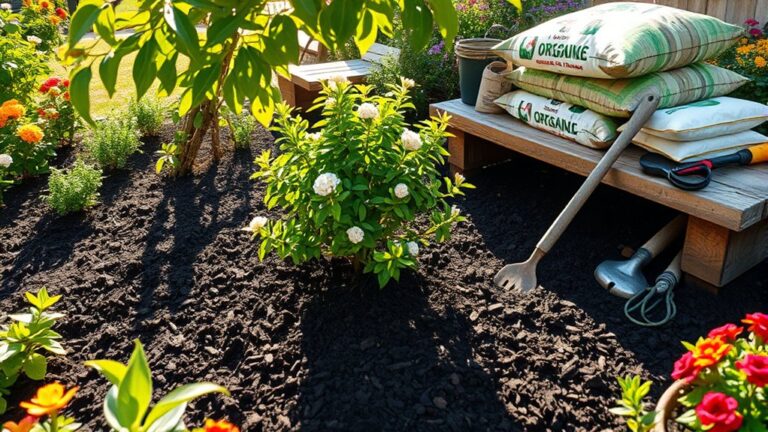
A layer of mulch can help the soil hold moisture and reduce temperature swings, but keep it from touching the stems. Watch for wilting, and check soil moisture before assuming your plants need water.
Prune Hydrangeas at the Right Time and Place
Before you prune, identify your hydrangea type, since each one blooms on different growth. Then prune at the right time to protect next season’s flowers. When you make a cut, snip just above a healthy bud.
Know Your Hydrangea Type
When should you prune your hydrangea? First, know your plant’s type: hydrangea types bloom on either old or new wood, and that difference guides your approach. Check the label, compare leaf and flower shapes, or ask a nursery to identify your shrub. Then picture where its blooms form before you make any cuts.
| Hydrangea type | Blooming wood | Garden clue |
|---|---|---|
| Bigleaf | Old wood | Rounded, colorful flower clusters |
| Panicle | New wood | Cone-shaped blooms on sturdy stems |
Bigleaf hydrangeas often carry next season’s buds on existing stems, while panicles produce flowers on fresh growth. Oakleaf and climbing hydrangeas also bloom on old wood; smooth and panicle varieties bloom on new wood.
Knowing this distinction helps you protect future flowers and choose suitable cuts. Identify your shrub first, then match your pruning plan to its growth habit.
Prune at the Right Time
Once you’ve identified your hydrangea, time pruning to match its blooming habit. For bigleaf, oakleaf, and climbing hydrangeas, flowers usually grow on old wood—the previous season’s stems. Prune these types soon after they finish blooming, giving them time to form next year’s buds. If you wait until fall, winter, or spring, you may remove those buds and lose flowers.
Panicle and smooth hydrangeas bloom on new wood, which grows during the current season. You can prune them in late winter or early spring before new growth begins. This pruning timing helps you avoid cutting off developing blooms.
Keep seasonal pruning light and purposeful; you don’t need to trim every hydrangea annually. Check your plant’s growth and flowering first, then choose a suitable window. Pruning at the right time supports blooms without disrupting the plant’s natural cycle.
Cut Above Healthy Buds
Make each cut just above a healthy pair of buds, angling it slightly so water runs off the stem. This placement helps your hydrangea direct energy toward fresh growth while reducing the chance of rot.
Use clean, sharp shears so you don’t crush the stem or spread disease between plants. Look for healthy buds that face outward; new shoots will then grow away from the shrub’s center, improving airflow and keeping its shape open.
Remove dead, damaged, or crossing stems first, cutting them back to sound growth. Don’t cut too close to the buds, since injury can prevent them from opening.
These simple pruning tips help you cut above the right growth points without removing more than needed. Step back often to check the plant’s balance as you work.
Feed Hydrangeas Without Overfertilizing
How much fertilizer do hydrangeas need? Usually, less than you might think. Start with a soil test to learn whether your garden needs added nutrients. If your hydrangea grows well in fertile soil, you may not need fertilizer at all.
Hydrangeas in fertile soil may need no fertilizer at all; start with a soil test before adding nutrients.
Careful fertilization supports balanced nutrition without encouraging weak, excessive growth. When feeding is appropriate, choose a slow-release, balanced fertilizer and follow the label’s rate.
Apply it around the plant’s drip line, not against the stems, then water the soil so nutrients can reach the roots. Don’t exceed the recommended amount or feed more often than directed; too much nitrogen can produce lush leaves at the expense of flowers.
Timing matters, too. In most regions, one application in early spring is enough. Avoid late-season feeding, which can spur tender growth and disrupt the plant’s natural cycle.
Watch your hydrangea’s growth and blooms, and adjust only when signs or a soil test point to a nutrient deficiency.
Protect Hydrangeas From Heat and Winter Cold
Protect hydrangeas from temperature extremes by giving them afternoon shade in hot climates and insulating their roots before winter. For heat protection, plant your shrub where it gets morning sun and afternoon shade, or use a shade cloth during intense heat.
Water deeply when the soil begins to dry, preferably early in the day, so roots can absorb moisture before temperatures rise. Add a layer of mulch to slow evaporation, but keep it a few inches away from the stems.
Before winter, check your variety’s hardiness and local forecast. Apply winter insulation by spreading several inches of shredded leaves, straw, or bark mulch over the root zone after the ground cools.
In colder regions, protect exposed stems with a breathable burlap screen or a simple wire frame filled loosely with leaves. Don’t wrap the plant tightly in plastic, which can trap moisture and encourage damage.
Remove coverings gradually in spring, once severe freezes have passed, so new growth can adjust to changing temperatures.
Diagnose Hydrangea Pests and Bloom Problems
When hydrangeas look unhealthy or fail to bloom, inspect the leaves, stems, and buds for clues. Check leaf undersides for aphids, spider mites, or scale; sticky residue, fine webbing, and stippling can help you identify the culprit.
Look for chewed edges, spots, or powdery growth, too. Accurate pest diagnosis helps you choose a targeted treatment. Remove pests by hand or spray them off with water, and use a labeled product only when necessary.
For bloom issues, consider the plant’s age, light, pruning, and weather. Too much shade can limit flowers, while late frosts may damage buds.
Some varieties bloom on old wood, so pruning them in fall or spring can remove next season’s flowers. Others flower on new growth and tolerate spring pruning. Check your hydrangea’s variety before cutting stems.
Keep soil evenly moist, but avoid excess fertilizer, which can encourage leafy growth at the expense of blooms. Track when symptoms appear and adjust care accordingly.
Frequently Asked Questions
Are Hydrangeas Toxic to Cats and Dogs?
Yes, hydrangeas are toxic to cats and dogs if eaten. Their leaves and flowers contain compounds that can release cyanide, though serious poisoning is uncommon. You may notice vomiting, diarrhea, or lethargy; larger amounts can cause more severe symptoms. For pet safety considerations, keep plants out of reach and contact your veterinarian or a poison-control service if your pet chews one. The toxicology of blooms depends on the amount ingested and your pet’s size.
Can Hydrangeas Be Grown Successfully in Containers?
Yes, you can grow hydrangeas successfully in containers with the right care. Choose a compact variety and a large pot with drainage holes, then use rich, well-draining soil.
Water regularly, since container soil dries quickly, and place your plant where it gets suitable light for its variety. Feed during the growing season, and protect roots from temperature extremes.
Container gardening also lets you move blooms near patios or indoors for flowering arrangements.
How Do You Propagate Hydrangeas From Cuttings?
You can propagate hydrangeas from softwood cuttings in summer or try propagation through hardwood in winter; either way, you’ll get the ball rolling with a healthy stem. Cut just below a leaf node, remove lower leaves, and place the cutting in moist potting mix. Keep it warm, humid, and out of direct sun. For propagation in water, submerge the bare node and change water regularly; pot it once roots develop.
Which Hydrangea Varieties Make the Best Cut Flowers?
The best varieties for cut flowers include ‘Limelight’ and ‘Little Lime’ panicle hydrangeas, whose sturdy stems and long-lasting blooms suit bouquets. ‘Annabelle’ offers abundant white flowers, while ‘Endless Summer’ provides colorful mopheads.
For cut flower prep, harvest mature blooms in the morning, remove lower leaves, and recut stems underwater. Choose clean containers and fresh water; change water regularly. Remember, hydrangeas can cause mild toxicities if pets or people eat them.
How Long Do Hydrangea Blooms Typically Last?
Hydrangea blooms typically last several weeks, with bloom duration depending on the variety, weather, and growing conditions. You can often enjoy flowers for six to eight weeks, though some varieties bloom longer or produce repeat flushes.
Hot, dry weather may shorten their display, while steady moisture and afternoon shade can help preserve it. With brevity in care, focus on watering consistently and removing spent flowers when they fade.
Conclusion
With the right spot, suitable soil, steady watering, and timely pruning, you’ll give your hydrangeas a strong start. Feed lightly, shield them from harsh weather, and check regularly for pests or missing blooms.
Don’t expect overnight magic, but consistent care can work wonders. Your garden may soon look like a floral paradise.
Pay attention to what your plants need as the seasons change, and adjust your routine accordingly. A little patience helps you enjoy healthier growth and more beautiful hydrangeas year after year.