How to Plant a Garden in 3 Easy Steps
Starting a garden can feel overwhelming when you’re unsure where to begin or what supplies you need. You’re not alone—many people struggle to turn a patch of soil or a few containers into a thriving garden. These simple steps will help you get started.
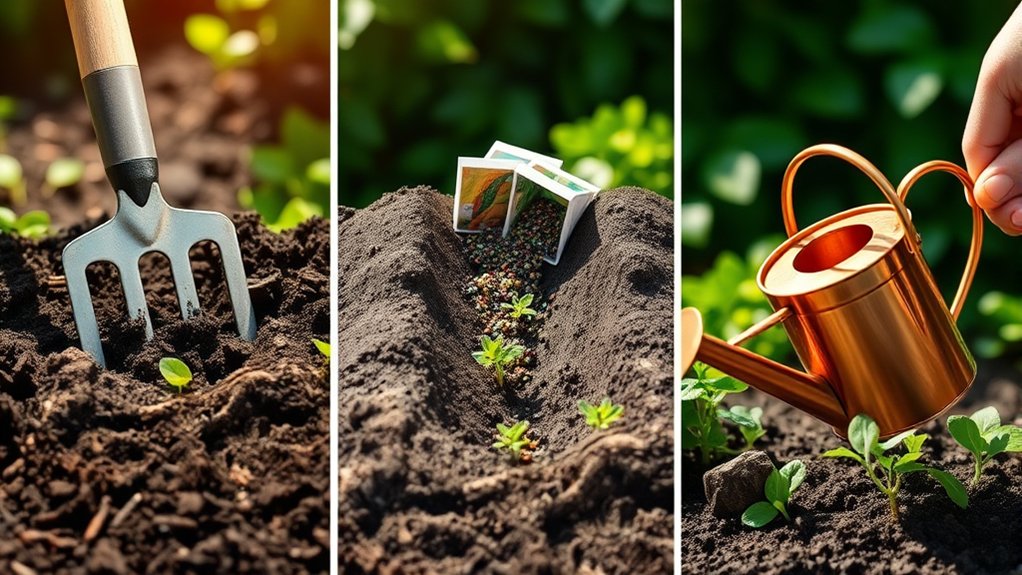
To plant a garden in three easy steps, first choose a spot that gets at least six hours of direct sun; leafy greens and some herbs can manage partial shade. Next, clear weeds and rocks, loosen garden soil 8 to 12 inches, and mix in finished compost. For containers, use pots with drainage holes and fresh potting mix. Finally, plant seeds or seedlings at the recommended depth and spacing, then water gently. Keep soil evenly moist, and you’ll find helpful tips ahead.
Key Takeaways
- Choose an accessible spot with at least six hours of direct sun for most vegetables and flowers.
- Clear weeds and rocks, loosen soil 8–12 inches deep, and mix in finished compost.
- Test soil and adjust its pH or nutrients according to the test recommendations.
- Plant seeds or seedlings at the label’s recommended depth and spacing, following their seasonal needs.
- Water gently after planting, keep soil evenly moist, and add light mulch to retain moisture.
Choose a Sunny Spot for Your Garden
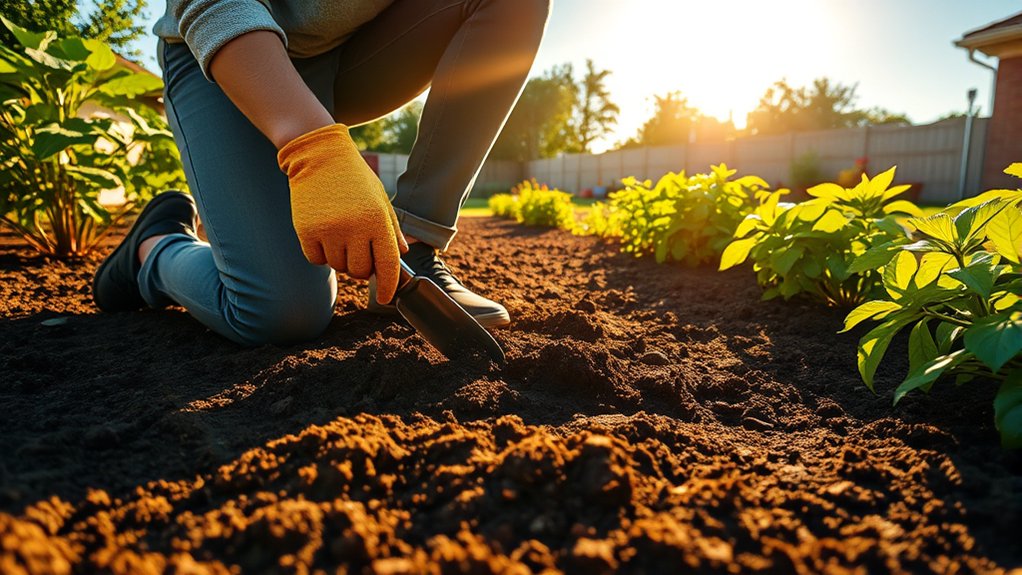
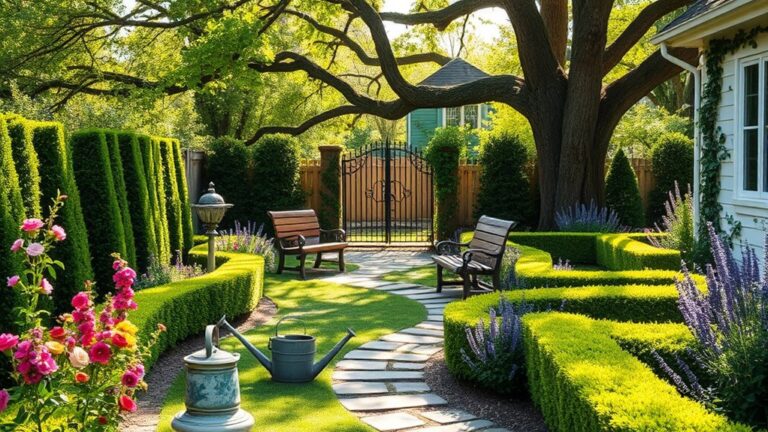
Where will your garden get the light it needs? Start by checking how sunlight moves across your yard during the day. Most vegetables and flowering plants thrive with six or more hours of direct sun, while leafy greens and some herbs tolerate partial shade. Match the site to the plants you want to grow.
For practical sunny spot considerations, observe the area in the morning, midday, and afternoon. Note shade from trees, fences, buildings, and parked vehicles, and remember that shadows shift with the seasons. Choose a location you can reach easily so you’ll notice problems and enjoy tending your garden.
Pay attention to garden microclimates, too. A south-facing wall may reflect heat and create a warmer, brighter pocket; a low, enclosed corner may stay cool and shaded. Wind can dry plants or damage tender growth, so favor a spot with some shelter. If your yard lacks ideal conditions, consider a sunnier area before deciding which plants to grow.
Prepare Garden Soil or Containers
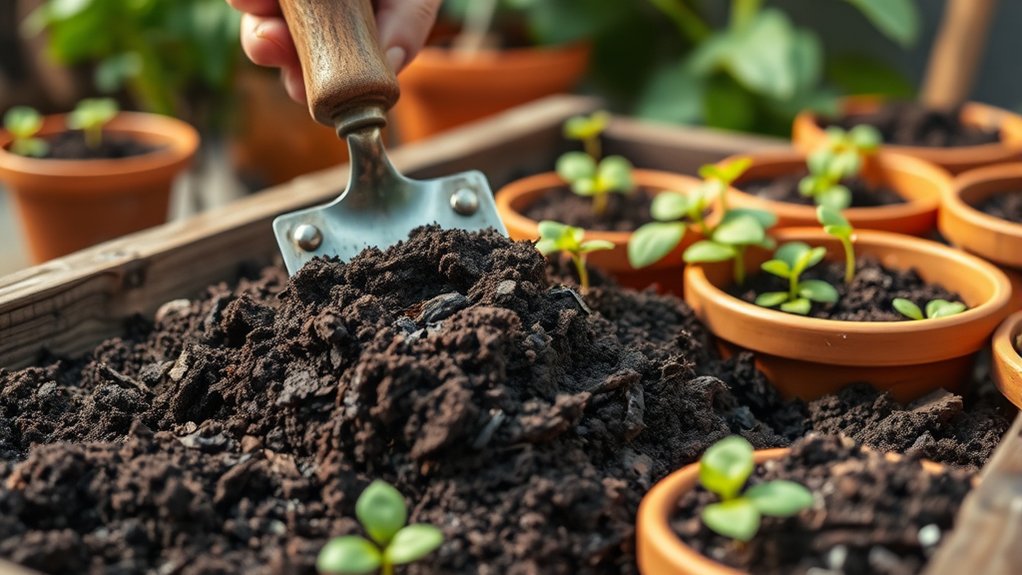
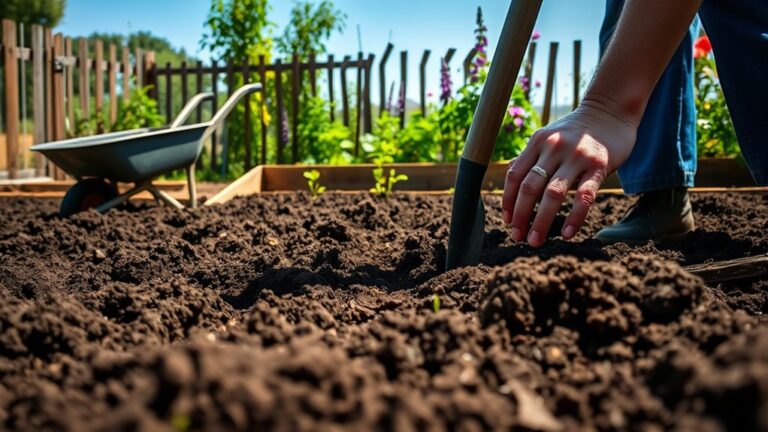
Once you’ve chosen a sunny spot, prepare the soil or containers so your plants have room to grow. Clear the garden bed of weeds, rocks, and old roots. Loosen the ground with a garden fork, working down about 8 to 12 inches to improve drainage and make space for roots.
For reliable soil testing, use a home kit or send a sample to your local extension service. Follow its advice to adjust pH or nutrients before planting.
Mix in finished compost to add organic matter and support healthy soil. For useful composting tips, combine dry materials such as leaves with fruit and vegetable scraps, and keep the pile moist, not soggy. Don’t add meat or dairy, which can attract pests.
If you’re gardening in containers, choose pots with drainage holes and enough room for mature plants. Fill them with fresh potting mix rather than garden soil, which can compact in a pot. Clean reused containers first, and set everything within easy reach.
Plant Seeds or Seedlings and Water Well
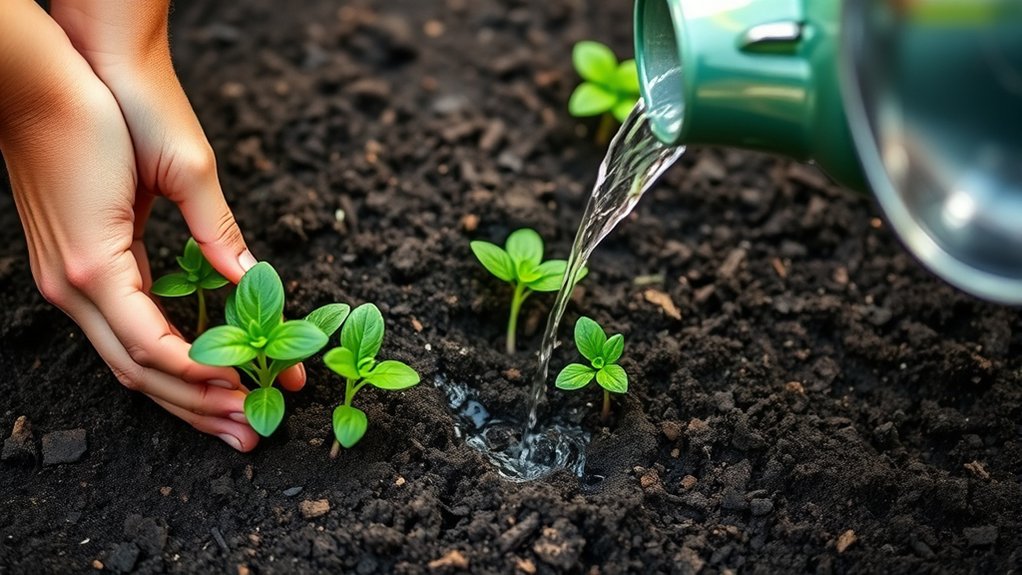
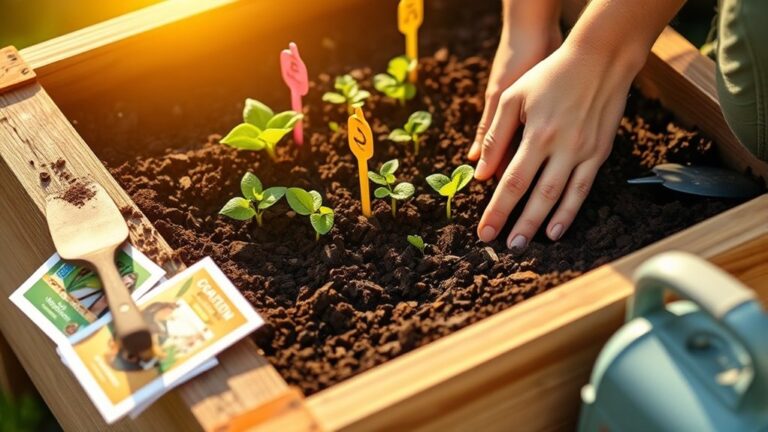
Now plant seeds or seedlings according to the spacing and depth on their labels. Check each packet for seedling timing, since some crops thrive in cool weather while others need warm soil.
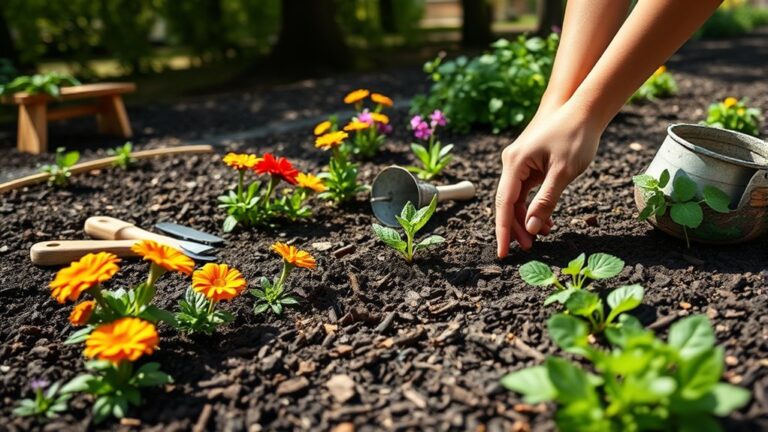
If you’re transplanting, water each seedling before removing it from its pot. Gently loosen crowded roots, set the plant at the recommended depth, and firm soil around its base.
For seeds, place them in shallow holes or rows, cover lightly, and pat the soil so seeds make good contact.
Water the bed gently right after planting. Use a fine spray or watering can to avoid washing seeds away or exposing roots.
Keep the soil evenly moist while seeds germinate and young plants establish, but don’t let it become waterlogged. Your watering cadence depends on rainfall, temperature, soil, and container size, so check moisture often.
Water when the top layer feels dry, and direct water toward the soil rather than leaves. Add a light mulch to help retain moisture.
Frequently Asked Questions
When Is the Best Time of Year to Start a Garden?
The best time to start a garden depends on your climate and what you want to grow. For most warm-season vegetables, plant after your area’s last spring frost, when the soil has warmed. Cool-season crops, such as peas and lettuce, can go in earlier, as soon as the ground is workable. Check local frost dates and seasonal soil readiness to find your best planting windows, and adjust your schedule for each crop.
Which Vegetables Are Easiest for Beginners to Grow?
You’ll find that lettuce, radishes, green beans, zucchini, and cherry tomatoes are among the easiest vegetables to grow as a beginner. Choose easy seed varieties such as lettuce, radishes, and beans, which sprout quickly and need little fuss.
For low-maintenance crops, try zucchini or bush beans; give them sunlight, water, and enough room to grow. Start with a few favorites, and you’ll learn what thrives in your space without feeling overwhelmed.
How Often Should I Fertilize My Garden?
Feed your garden like you’d fuel a growing engine: most vegetables need fertilizer every four to six weeks during active growth. Your fertilizer frequency depends on the product, crop, and soil nutrients, so check the label and consider a soil test before adding more. Too much fertilizer can burn roots or encourage leafy growth at the expense of vegetables. Water after applying granular fertilizer, and reduce feeding as plants near harvest or growth slows.
How Can I Protect Plants From Pests?
Protect your plants by checking them often, removing pests by hand, and keeping the garden free of weeds and debris. Cover vulnerable crops with protective nets to block insects and birds, securing edges so pests can’t slip underneath.
Try companion planting: grow herbs or flowers near vegetables to attract beneficial insects or confuse pests. Water at soil level, rotate crops each season, and use targeted treatments only when needed to limit harm to pollinators and other helpful wildlife.
When Should I Harvest My Vegetables?
Harvest your vegetables when they reach their ideal vegetable maturity, which varies by crop. Check seed packets or plant tags for harvest timing, and look for signs such as full size, rich color, firm texture, or easy detachment.
Pick leafy greens young, harvest tomatoes when they’re fully colored, and gather beans before their seeds swell. Check plants daily during peak season; frequent picking often encourages more production and keeps vegetables tender.
Conclusion
You’ve chosen a sunny spot, prepared your soil or containers, and planted your seeds or seedlings. Now water gently and keep the soil moist as your garden gets established.
Check your plants regularly, remove weeds, and give them room to grow. Gardening doesn’t have to feel complicated. Think of each small task as a step toward a colorful harvest.
With patience and care, you’ll soon enjoy the results of your work, one fresh leaf or flower at a time. That’s how to plant a garden and enjoy the rewards, one step at a time.