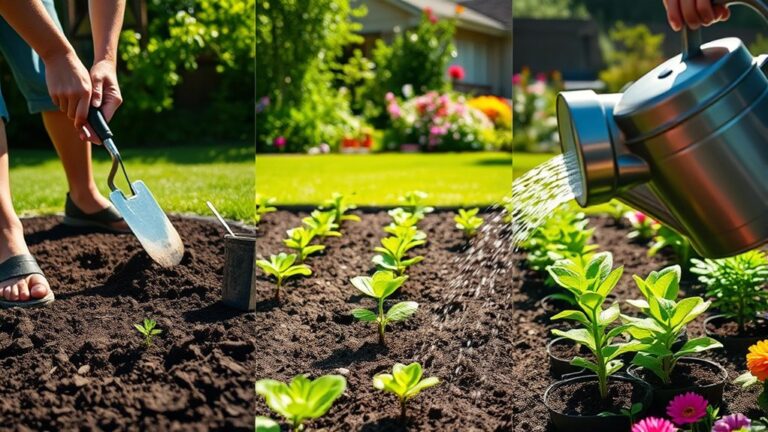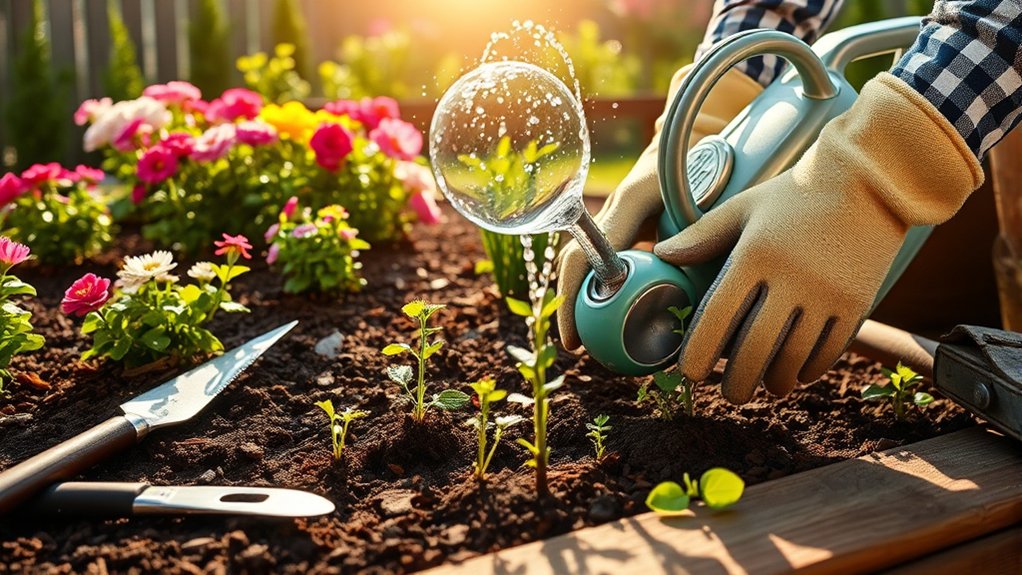
How Do You Take Care of a Garden in 10 Essential Steps
Keeping a garden healthy can feel like a lot to manage, especially when plants need different care throughout the year. You’re not alone—many gardeners struggle to know where to start. These 10 essential steps for how to take care of a garden can help you build a simple routine and enjoy healthier plants.
To care for a garden in 10 essential steps, check how much sun your space gets, then choose plants suited to its light and climate. Test and improve the soil with compost, and plant at the right time and depth. Water deeply when the soil feels dry, mulch to hold moisture, and remove weeds before they spread. Prune and support plants, check for pests and disease, and adjust care with the seasons. Keep simple records to guide your next steps.
Key Takeaways
- Assess sunlight, soil texture, drainage, fertility, and pH to match plants to site conditions.
- Choose climate-adapted plants, and allow enough room for their mature height and spread.
- Plant at the right time and depth, following frost dates, seed directions, and transplant needs.
- Check soil moisture regularly, water deeply at plant bases, and use mulch to retain moisture and suppress weeds.
- Weed, prune, support plants, and inspect regularly for pests or disease; act promptly and protect beneficial insects.
Check How Much Sun Your Garden Gets

Before choosing plants, track how much direct sunlight your garden gets throughout the day. Check the space in the morning, around midday, and late afternoon. Note when sunlight reaches each area and when shadows cover it. This simple record gives you a clearer picture of your garden’s sun exposure than a quick glance.
> Check your garden in the morning, midday, and late afternoon to see when sunlight and shadows reach each area.
Count the hours of direct sun each spot receives, and distinguish direct rays from bright, indirect light. Nearby trees, fences, buildings, and seasonal changes can alter the pattern, so observe more than once if you can.
You might also notice that one corner stays bright while another remains shaded. Use your notes to understand the conditions you’re working with before making decisions. Accurate observations support thoughtful plant selection later, but you don’t need to choose anything yet.
If your garden has several light conditions, map them separately. A sketch with approximate sunlight hours can help you compare areas and avoid relying on memory. Recheck after trimming branches or moving objects that cast shade across your garden.
Choose Plants That Suit Your Garden
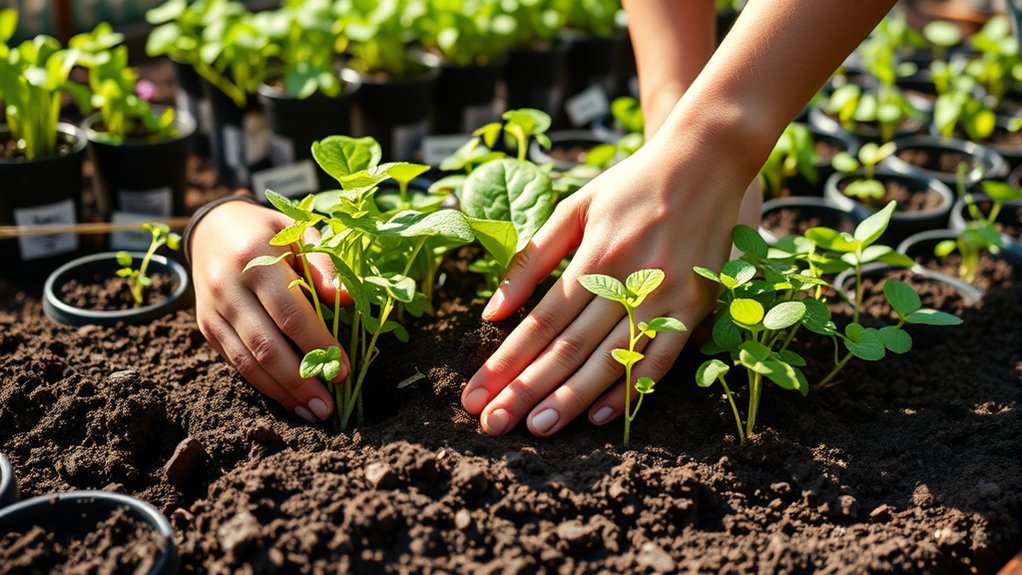
Choose plants that thrive in your local climate to give your garden a strong start. Then, match each plant to your garden’s sunlight and soil conditions. Finally, check its mature size so you can give it enough room to grow.
Match Plants to Climate
What grows well in your garden depends largely on your local climate. For smart climate matching, check your region’s hardiness zone and typical seasonal temperatures.
Then choose plants that can handle your winters, summer heat, and rainfall patterns. This plant selection helps your garden thrive with less replacement and maintenance. Use this quick guide to narrow your options:
| Climate condition | Suitable plant examples |
|---|---|
| Cold winters | Coneflowers, peonies |
| Hot, dry summers | Lavender, yarrow |
| Humid conditions | Bee balm, ferns |
| Mild winters | Rosemary, camellias |
Check plant labels or local nursery advice before buying, since varieties can differ in cold tolerance. You can also ask nearby gardeners which plants return reliably each year.
Start with a few climate-adapted choices, then expand as you learn what performs well in your area.
Assess Sunlight and Soil
Where does sunlight fall in your garden, and what is the soil like? To assess sunlight, observe your garden at different times of day. Note which areas receive full sun, partial shade, or mostly shade, and choose plants with matching light needs. Nearby trees, walls, and buildings can cast changing shadows, so check conditions across several days.
Next, examine your soil’s texture, drainage, and fertility. Take a handful of moist soil: sandy soil feels gritty, while clay feels sticky; loam crumbles easily. After watering, see whether puddles linger or water drains quickly. A simple soil test can reveal pH and nutrient levels, helping you improve soil health with suitable amendments.
Match plants to these findings, and you’ll give them a stronger start. Recheck conditions seasonally, since weather and nearby growth can alter light and moisture.
Plan for Mature Size
Before planting, check how large each plant will grow at maturity. Compare its expected height and spread with your available garden size, including nearby paths, walls, and other plants.
A seedling may look small now, but it can soon shade neighbors or crowd a walkway. Read plant labels and reliable growing guides to learn mature dimensions, then leave enough space for airflow and healthy roots.
If you have a compact yard, choose dwarf varieties or plants that suit containers. In larger beds, use tall plants where they won’t block sunlight or views.
As you plan mature growth, consider pruning needs, too. Don’t rely on constant trimming to control a plant that naturally outgrows its spot. Matching plants to space helps your garden stay balanced, accessible, and easier to maintain.
Prepare Healthy Soil Before Planting
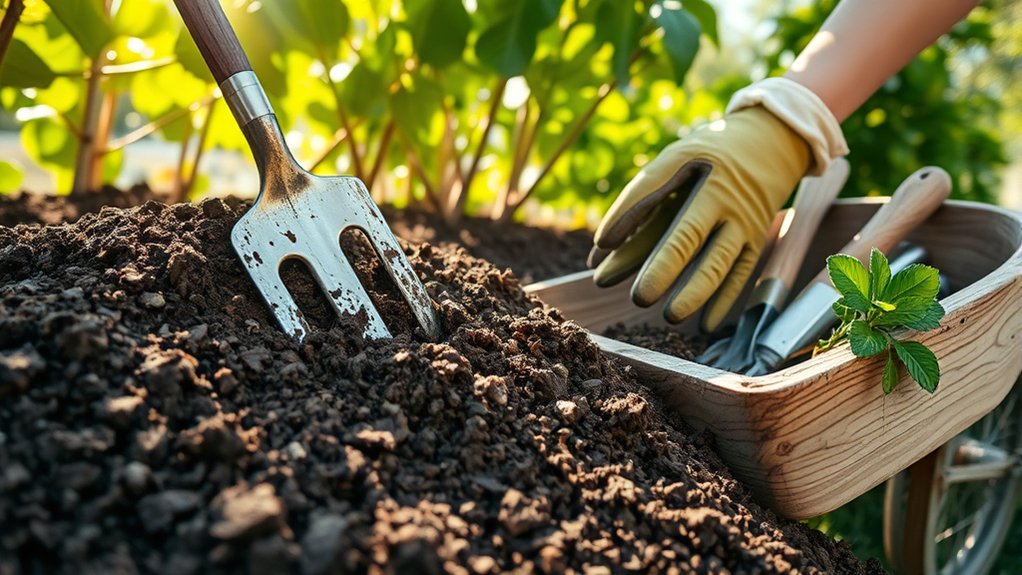
Healthy soil gives your plants the foundation they need to grow. Before planting, assess your garden’s soil so you can address its needs. Remove weeds, stones, and leftover plant debris, then loosen compacted ground with a garden fork. This improves airflow and helps water move through the soil.
Check the soil’s texture and drainage. If it feels heavy and sticky, mix in compost to improve structure. If it drains too quickly, compost can help it hold moisture.
Add a layer of finished compost to enrich soil nutrients and support healthy root development. Use a soil test to learn whether your garden needs specific amendments, such as lime or fertilizer, and follow the recommended amounts. Avoid adding materials without a clear need, since too much can harm plants.
Rake the surface smooth, but don’t pack it down. Preparing the soil now gives your plants a healthier environment and makes ongoing garden care easier. Keep the soil moist, not waterlogged, as you finish preparing the bed for planting.
Plant at the Right Time and Depth
Planting at the right time and depth gives your plants a better chance to thrive. Check your region’s frost dates and seed packets before you choose when to plant. Cool-season crops, such as peas and lettuce, can handle chilly weather, while tomatoes and peppers need warmer conditions.
Check frost dates and seed packets to time planting well; cool-season crops tolerate chill, while tomatoes and peppers need warmth.
Match timing depth to each plant’s needs, and watch local forecasts for unexpected cold snaps.
Read labels carefully to find the recommended planting depth. Seeds planted too deeply may struggle to reach the surface; shallow planting can leave them exposed. As a general guide, sow a seed about twice as deep as it’s wide, unless its packet says otherwise.
Set transplants at the same depth they grew in their containers, except for plants like tomatoes, which can form roots along buried stems.
Space each plant according to its mature size so it has room to grow. Firm soil gently around seeds or roots, then mark rows and varieties. These simple checks help you avoid crowded beds and give new plants a strong start.
How to Water Your Garden Wisely
Water deeply but less often to encourage strong roots. For the best results, water in the morning, when less moisture evaporates. And before you water, check the soil so you don’t overwater.
Water Deeply, Less Often
A garden thrives when you water the soil deeply but give it time to dry between sessions. This approach encourages roots to grow downward, where they can reach moisture during dry spells.
Your watering strategies should match your plants and soil; soil testing can reveal whether water drains quickly or stays too long. Use these steps to build a steady routine:
- Water slowly so moisture reaches the root zone instead of running off.
- Check the soil a few inches down before watering; if it’s still damp, wait.
- Apply water near plant bases to limit waste and wet foliage.
- Adjust the amount for your garden’s soil and plants, then watch for wilting or soggy ground.
With consistent, deep watering, you’ll support stronger roots and healthier growth without keeping the surface constantly wet.
Water at the Right Time
Deep watering works best when you time it to limit evaporation and give leaves a chance to dry. Water your garden early in the morning, when cooler air slows evaporation and plants can absorb moisture before the day heats up. This irrigation timing also helps foliage dry quickly, reducing the risk of fungal disease.
If mornings aren’t practical, water in the late afternoon, allowing enough time for leaves to dry before nightfall. Avoid midday watering, when sun and wind can waste water, and don’t make evening watering your routine.
Watch for drought indicators, such as drooping leaves or slowed growth, and adjust your schedule during hot, dry, or windy weather. When rain is forecast, skip a session if appropriate, and follow local watering restrictions to conserve water and support healthy growth.
Check Soil Moisture
Before watering, check the soil rather than relying on a fixed schedule. Your garden’s needs change with heat, rainfall, wind, and plant growth. Push a finger about two inches into the soil near a plant’s roots. If it feels dry, water; if it’s damp, wait and check again later. This simple habit helps you avoid both thirsty plants and waterlogged roots.
- Check several spots, since beds can dry unevenly.
- Consider soil texture: sandy soil drains quickly, while clay holds moisture longer.
- Water at the base of plants so roots absorb it and leaves stay dry.
- Recheck after watering, and adjust your routine as weather and growth change.
Consistent checks support healthy roots and nutrient balance. If plants wilt despite moist soil, investigate drainage or disease instead of adding more water.
Mulch to Protect Garden Soil
Mulch acts like a protective blanket for garden soil, helping it retain moisture, suppress weeds, and stay at a more even temperature. These mulch benefits can reduce watering needs and help your plants handle heat and cold.
Mulch helps garden soil retain moisture, suppress weeds, and stay evenly tempered, reducing watering needs and protecting plants from heat and cold.
For effective soil protection, spread a two- to three-inch layer of organic mulch, such as shredded leaves, bark, or straw, over the bed.
Keep mulch a few inches away from stems and tree trunks. Piling it against plants can trap moisture and encourage rot or pests.
If you use fine materials, apply a thinner layer so water and air can still reach the soil. Check the mulch periodically, and top it up when it thins or breaks down.
As organic mulch decomposes, it adds nutrients and improves soil structure. Choose a material that suits your garden and local climate, then spread it evenly around your plants.
A well-maintained layer helps keep the soil healthier through changing weather and growing seasons.
Remove Weeds Before They Spread
Weeds compete with garden plants for water, nutrients, and light, so pull them while they’re young and easy to remove. Check your beds often, especially after rain, when damp soil lets roots come out cleanly. Consistent weed control saves time and keeps unwanted plants from producing seeds.
- Spot seedlings early: Look between crops and along bed edges every few days.
- Pull by the roots: Grip weeds near the soil and remove the entire root to prevent regrowth.
- Loosen stubborn roots: Use a hand fork, working carefully to avoid disturbing nearby plants.
- Clear debris: Bag seed heads rather than composting them, and leave no pulled weeds on moist soil.
Make soil prep easier by removing weeds before planting and clearing any that emerge afterward. A narrow hoe can slice tiny weeds at the surface, but don’t dig deeply; that may expose buried seeds to light. Keep paths and bed borders tidy, too, so weeds can’t spread back into your garden.
Prune and Support Plants as They Grow
Prune your plants regularly to encourage healthy growth. Remove dead or diseased stems before problems spread. And support climbing or tall plants with stakes or trellises to help keep them upright.
Prune for Healthy Growth
As plants grow, regular pruning and support help them stay healthy, maintain their shape, and produce more flowers or fruit. Use clean, sharp tools, and tailor each cut to the plant’s needs.
Good pruning timing varies: prune spring-flowering shrubs after blooms fade, while many summer bloomers benefit from cuts in late winter or early spring.
- Remove select stems to improve airflow and light, and shape plants without cutting away too much growth.
- Pinch back soft tips to encourage bushier growth and more blooms.
- For succulent pruning, trim stretched stems above a leaf joint, then let cut ends dry before replanting.
- Add stakes, cages, or trellises early, tying stems loosely so you support growth without restricting it.
Check plants regularly and adjust ties as stems lengthen. With thoughtful cuts and steady support, you’ll guide stronger growth while preserving each plant’s natural form.
Remove Dead or Diseased Stems
When you spot dead or diseased stems, remove them promptly to protect healthy growth and improve airflow. Use clean, sharp pruning shears to cut each stem just above a healthy leaf, bud, or branch junction.
Don’t tear or crush plant tissue, since ragged wounds can invite pests and infection. After each cut on diseased stems, disinfect your shears with rubbing alcohol or a diluted bleach solution to avoid spreading pathogens.
Place infected material in the trash rather than your compost pile, and clear fallen leaves or debris around the plant. Check nearby growth for discoloration, soft spots, or unusual marks, and remove affected parts as needed.
If a plant shows widespread disease, identify the cause before treating it, and avoid pruning when wet conditions could spread infection.
Support Climbing and Tall Plants
After removing dead or diseased growth, guide healthy plants as they grow. Add support early, before vines tangle or tall plants lean, and check ties regularly so stems don’t become pinched. Choose sturdy stakes, trellises, cages, or arches that suit each plant’s size and growth habit. For effective pruning support, remove crowded shoots and direct remaining growth toward its structure.
- Set supports in place: Anchor trellises and stakes firmly before plants get heavy.
- Tie stems gently: Use soft ties, leaving room for stems to thicken.
- Train climbing growth: Weave vines through openings or fasten them loosely as they lengthen.
- Prune and inspect: Cut back unruly growth, replace tight ties, and check supports after wind or rain.
Regular attention helps plants grow upright, improves airflow, and keeps paths clear.
Check Your Garden for Pests and Disease
Check your garden regularly for pests and disease so you can catch problems before they spread. Look beneath leaves, along stems, and around new growth.
Notice holes, sticky residue, webbing, spots, or wilting, and compare affected plants with healthy ones. Careful disease diagnosis helps you choose a suitable response instead of treating blindly.
| What you notice | Possible cause | What you can do |
|---|---|---|
| Chewed leaves | Caterpillars or beetles | Remove pests by hand |
| Fine webbing | Spider mites | Rinse leaf undersides |
| Powdery white spots | Fungal disease | Remove affected leaves |
| Sticky leaves | Aphids | Wash stems and leaves |
Check plants often, especially those showing changes, and inspect nearby soil and containers. Clean your tools after trimming sick growth, and discard infected material rather than composting it.
For pest prevention, remove dead leaves, give plants enough space for airflow, and avoid wetting foliage when watering. If damage continues, identify the pest or disease before choosing a treatment.
Follow product directions carefully, and protect helpful insects whenever possible.
Adjust Your Garden Care With the Seasons
How you care for your garden should change with the seasons. Match each task to the weather and your plants’ needs, and you’ll support steady growth without wasting water or effort. Use seasonal timing to guide planting, pruning, and feeding, but check local conditions before you act.
- Spring: Clear winter debris, test your soil, and prepare beds with compost. Plant cool-season crops and wait until frost risk passes before setting out tender seedlings.
- Summer: Water deeply during cool morning hours, mulch to retain moisture, and harvest ripe produce often. Watch for heat stress and adjust watering during dry spells.
- Fall: Plant suitable bulbs and perennials, collect fallen leaves for compost, and remove diseased plant material. Protect vulnerable plants before temperatures drop.
- Winter: Clean and store tools, plan next year’s beds, and avoid walking on wet soil. Let soil health guide amendments when growth resumes.
Keep a simple garden calendar, noting frost dates, rainfall, and plant performance. Those records help you refine care each year and respond to changing conditions.
Frequently Asked Questions
How Often Should I Clean and Maintain Garden Tools?
Clean your garden tools after every use, especially when you’ve worked with wet soil, diseased plants, or sap. This cleaning frequency prevents rust and stops diseases from spreading.
Give tools a deeper cleaning and inspection monthly during the gardening season, and sharpen blades as needed. For tool maintenance, dry everything thoroughly, oil metal parts, tighten loose screws, and store tools in a dry place.
Before winter, clean and protect each tool for storage.
What Safety Gear Should I Wear While Gardening?
Wear sturdy gloves, closed-toe shoes, and eye protection while gardening. These safety gear basics help shield your hands from thorns, your feet from sharp tools, and your eyes from flying debris.
Make protective clothing choices based on the task: wear long sleeves and pants when pruning or handling irritating plants, and a wide-brimmed hat and sunscreen in strong sun. Use a dust mask when potting soil, and choose well-fitting gear that won’t snag on equipment.
How Can I Make My Garden More Accessible?
You can make your garden more accessible by creating firm, level paths wide enough for a wheelchair or walker, with gentle slopes and clear turning spaces. Accessible garden design tips include using raised beds, lightweight tools, and containers placed within easy reach.
Add sturdy seating and handrails where helpful, choose smooth, nonslip surfaces, and keep pathways free of clutter. Group plants by watering needs, and install accessible taps or drip irrigation to reduce bending and carrying.
Should I Keep a Gardening Journal?
Yes, keep a gardening journal: note what you plant, when you water, and how your garden responds. By keeping records, you’ll spot patterns; by tracking benchmarks, you’ll see your progress.
Record planting dates, weather, harvests, pest problems, and changes to accessible paths or raised beds. Review your notes before each season, then adjust your plans.
You don’t need elaborate entries—a few clear observations can help you make better choices and enjoy gardening more.
How Do I Attract Pollinators to My Garden?
Attract pollinators by planting diverse, pollinator friendly plants that bloom from early spring through fall. Choose native flowers in varied shapes and colors to welcome bees, butterflies, and hummingbirds. Group each type together so pollinators can find blooms easily, and provide shallow water with stones for safe landing.
Add habitat landscaping, such as brush piles or bare soil patches, for nesting and shelter. Skip pesticides, and let some herbs and flowers go to seed.
Conclusion
A thriving garden doesn’t depend on a secret trick. It depends on noticing what your plants need and responding consistently. The theory that a few simple habits can make gardening easier holds up: match plants to sunlight, build healthy soil, water wisely, and keep watch as the seasons change.
You don’t have to get everything right at once. Start with one improvement, learn from what grows, and your garden will reward your care. These essential steps can help you take care of a garden with confidence.