How to Grow Plants Outdoors in 5 Easy Steps
Starting an outdoor garden can feel overwhelming when you’re unsure what to plant or how to keep it thriving. You’re not alone—many people struggle to get started. This guide to how to grow plants outdoors breaks the process into five easy steps.
To grow plants outdoors in five easy steps, choose a spot with at least six hours of daily sun and select plants suited to your climate, space, and schedule. Clear weeds and debris, loosen the soil, and mix in finished compost. Sow seeds at the recommended depth or plant seedlings level with the ground, leaving room to mature. Water deeply at the base, then check soil moisture before watering again. Monitor growth and catch pests early; you’ll find more helpful details ahead.
Key Takeaways
- Choose a sunny location with at least six hours of direct light, or use containers on a bright patio or balcony.
- Select plants suited to your climate, available space, experience, and time for ongoing care.
- Clear weeds and debris, loosen the soil, and mix in finished compost to improve its structure and nutrients.
- Sow seeds at the recommended depth or plant seedlings level with the soil, leaving room for mature growth.
- Water deeply after planting, then adjust watering to conditions and regularly check plants for pests or disease.
Choose a Sunny Spot and Easy Outdoor Plants
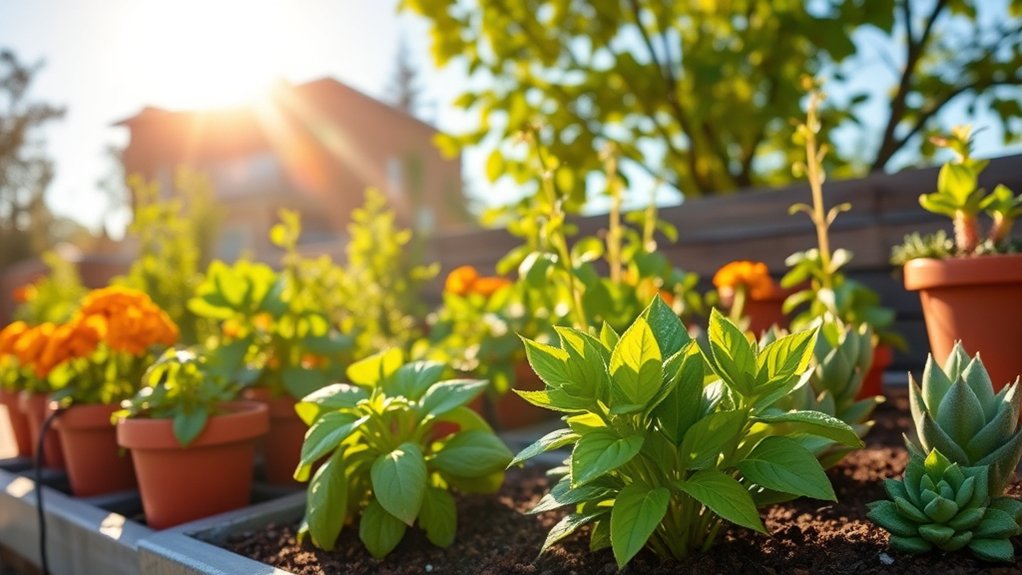
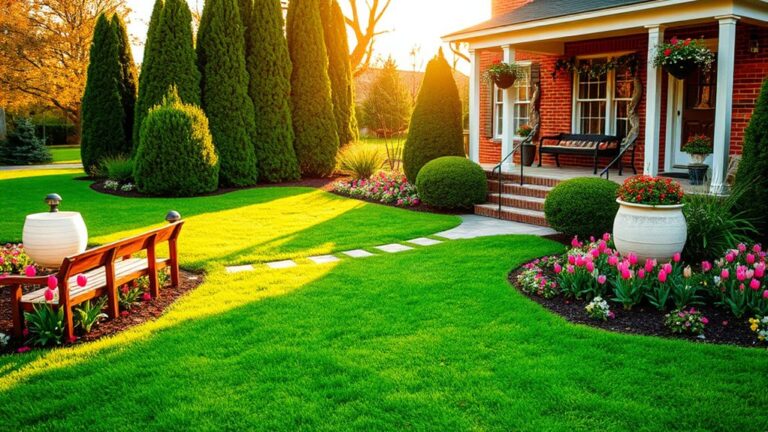
Choose a sunny spot that gets at least six hours of direct light each day, and match your plants to the space. Check how sunlight shifts across your yard before choosing a location.
Choose a spot with six or more hours of direct sunlight, and observe how light moves across your yard.
If you have limited room, use containers on a bright patio or balcony. Note whether the area gets strong afternoon heat, which can stress some plants.
Choose easy outdoor plants that suit your climate, available space, and experience. Herbs, marigolds, lettuce, and bush beans are approachable options, but check each plant’s light and temperature needs.
Read seed packets or plant labels to learn how large plants will grow and how much room they’ll need. Consider ongoing plant care before you decide.
Pick varieties that fit the time you can spend on watering practices, pruning, and pest prevention. You’ll also want to review soil preparation for your chosen plants in the next step.
For now, focus on selecting a suitable location and plants you can maintain consistently throughout the growing season.
Prepare the Soil and Plant Seeds or Seedlings
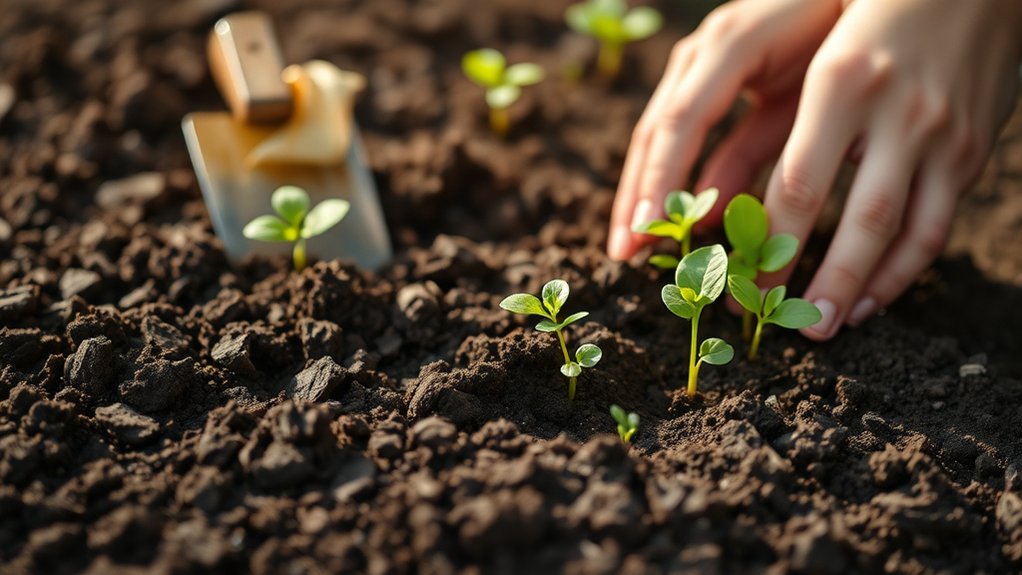
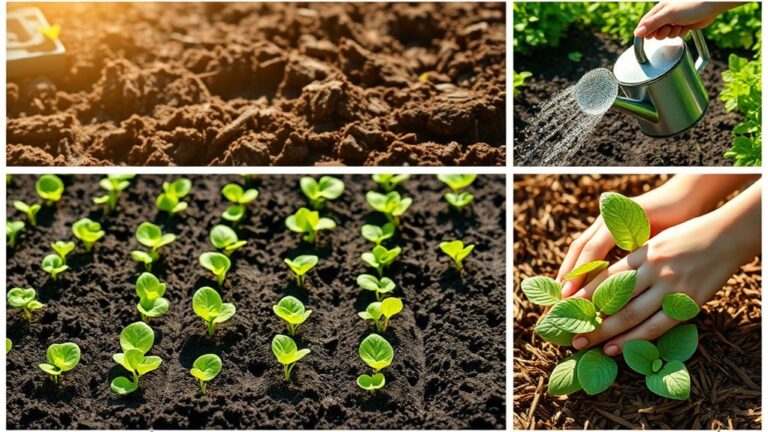
Once you’ve picked plants and a sunny spot, prepare the soil to give them a healthy start. Clear away weeds, rocks, and old plant debris, then loosen the top several inches with a garden fork.
Good soil preparation helps roots spread and access nutrients. Mix in finished compost to improve texture and enrich the planting area. If your soil stays soggy or drains too quickly, add organic matter to help balance it.
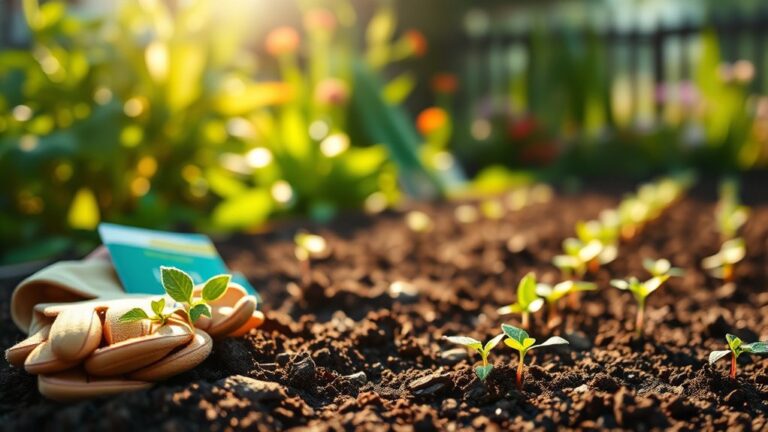
Check seed packets or plant labels for spacing and depth. Sow seeds at the recommended depth, cover them lightly, and gently firm the soil.
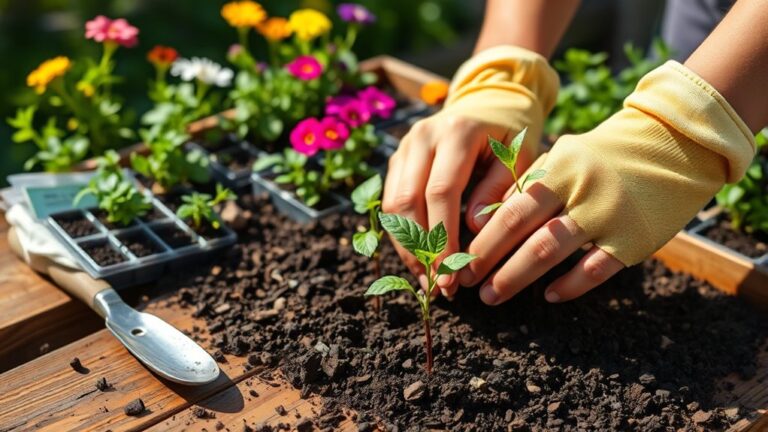
For seedling installation, dig a hole as deep as the root ball and about twice as wide. Ease the plant from its container, loosen circling roots, and set it upright with the root ball level with the surrounding ground.
Backfill with soil and press gently to remove large air pockets. Leave enough space between plants for mature growth, and label rows or varieties so you can identify them later.
Water Outdoor Plants Without Overwatering
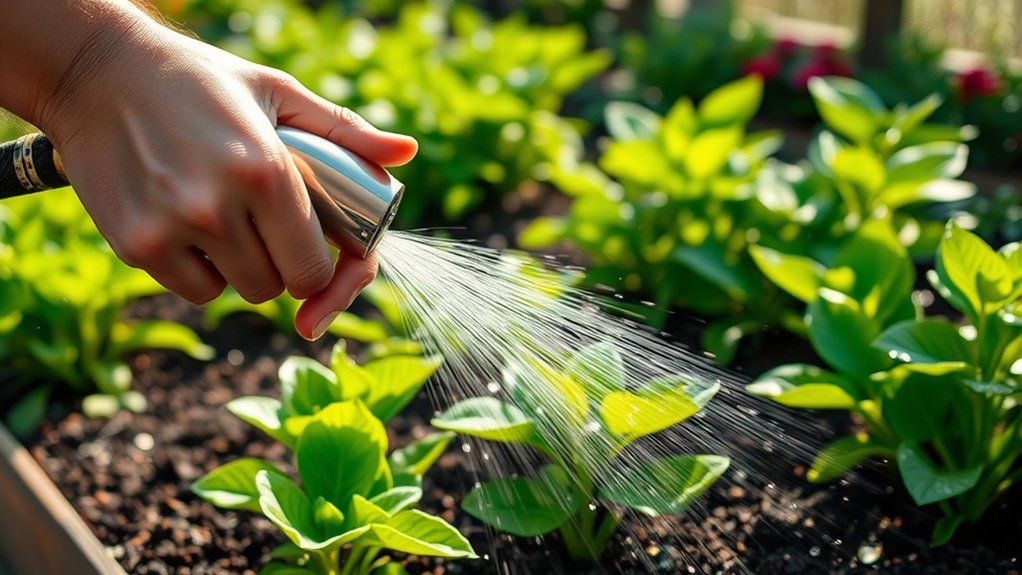
Water deeply after planting, then let the soil’s surface begin to dry before watering again. A thorough soak encourages roots to grow downward, while frequent shallow watering keeps them near the surface.
Check moisture by pressing a finger into the soil; if it feels damp below the top inch, wait. Adjust your watering schedule to rainfall, temperature, soil type, and each plant’s needs rather than following a rigid calendar.
Water slowly at the base of each plant so moisture reaches the roots instead of running off leaves or pooling on the surface. In hot, windy weather, check soil more often; after rain, check before adding more water.
Containers may dry faster than garden beds, so monitor them closely. Choose plants suited to your local climate and use drought tolerance strategies, such as grouping plants with similar water needs.
When you do water, aim for consistent moisture without leaving roots in soggy soil. If leaves wilt, check the soil first: both dryness and excess water can cause drooping.
Give Plants Room and Ongoing Care
With watering in hand, give each plant enough room to grow and check on it regularly. Follow the spacing guidance on seed packets or plant labels, since mature plants need room for roots, leaves, and airflow. Good growth spacing helps each plant reach sunlight and reduces competition for water and nutrients. If you planted too closely, thin seedlings or move suitable young plants while the soil’s moist.
Make ongoing maintenance part of your routine. Remove weeds so they don’t compete with your plants, and add mulch to help the soil retain moisture and discourage new weeds. Tie tall stems loosely to stakes when they need support, and trim away spent flowers if you want to encourage more blooms.
Keep pathways clear so you can reach every bed without stepping on the soil or damaging plants. Check soil moisture before watering, and adjust your routine as temperatures and rainfall change. Consistent attention helps your garden stay orderly and gives plants room to thrive through the growing season.
Catch Pests and Plant Problems Early
Check your plants regularly for signs of pests or disease, such as chewed leaves, spots, or wilting. A few minutes of pest monitoring can help you spot trouble before it spreads.
Look closely at leaves, stems, and the soil surface, especially after rain or warm, humid weather. Turn leaves over to check for insects and eggs, and inspect new growth for damage.
- Notice ragged holes or silvery trails that may point to slugs.
- Look for clusters of tiny aphids along tender stems.
- Watch for yellowing leaves, dark spots, or fuzzy mold.
- Check the soil for fallen leaves, webs, or unusual insects.
When you find a problem, identify it before choosing a treatment. Early diagnosis helps you avoid harming helpful insects or healthy plants.
Remove a few affected leaves, wash pests away with water, or use a suitable garden product as directed. Keep checking the plant over the next several days.
If symptoms worsen, ask a local garden center or extension service for advice. Don’t wait for damage to become severe.
Frequently Asked Questions
When Is the Best Time of Year to Start an Outdoor Garden?
The best time to start an outdoor garden depends on your climate and the plants you want to grow. For most warm-season vegetables, wait until after your area’s last spring frost, when the soil has warmed. You can plant cool-season crops earlier, often in early spring or fall. Check local frost dates to choose your start date, and adjust your seasonal timing to match each plant’s needs and your region’s weather.
How Can I Protect Outdoor Plants From Frost?
Protect your outdoor plants from frost by covering them before sunset with breathable fabric, such as frost cloth or an old sheet, and secure the edges to trap warmth. For effective protecting frost, water the soil beforehand; moist ground holds heat better than dry soil.
Move potted plants indoors or against a sheltered wall. These frost protection strategies help, but remove covers in the morning so plants get sunlight and airflow.
Do Outdoor Plants Need Fertilizer, and How Often?
Yes, outdoor plants often need fertilizer, but you should base applications on plant type, soil, and growth. Check your soil first to maintain soil nutrient balance and avoid overfeeding.
For fertilizer frequency, follow the product label; many actively growing plants need feeding every four to six weeks during the growing season, while others need less. Don’t fertilize dormant plants, and water after applying fertilizer to help nutrients reach roots and reduce burn risk.
Which Containers Are Best for Growing Plants Outdoors?
The best containers for outdoor plants aren’t necessarily expensive: choose sturdy pots with enough room for roots and drainage holes. You can use terracotta for airflow, plastic for lighter weight, or fabric grow bags for easy handling.
Check drainage options, such as saucers or raised feet, to prevent waterlogging. In cold climates, plan frost protection by moving pots or covering them. Match your fertilizer schedule to the plant, and choose larger pots for extending season.
How Can I Extend the Outdoor Growing Season?
You can extend your outdoor growing season by starting seeds indoors, choosing cold-tolerant crops, and using row covers or a small greenhouse. For frost protection, cover plants with frost cloth before temperatures drop, and remove it during the day so they receive sunlight and airflow.
Add mulch to keep soil warm, and use containers you can move to a sheltered spot. Check forecasts regularly, and water plants before a predicted frost to help protect them.
Conclusion
You’ve got everything you need to grow outdoors: a sunny spot, prepared soil, careful watering, breathing room, and a watchful eye for trouble. Start small, check your plants often, and adjust as they grow.
You don’t need a green thumb blessed by ancient garden gods, just a little patience and consistency. Before long, those seeds or seedlings can turn your outdoor space into a leafy paradise so lush, you’ll half expect the tomatoes to ask for their own zip code. With these five easy steps, you’ll know how to grow plants outdoors.