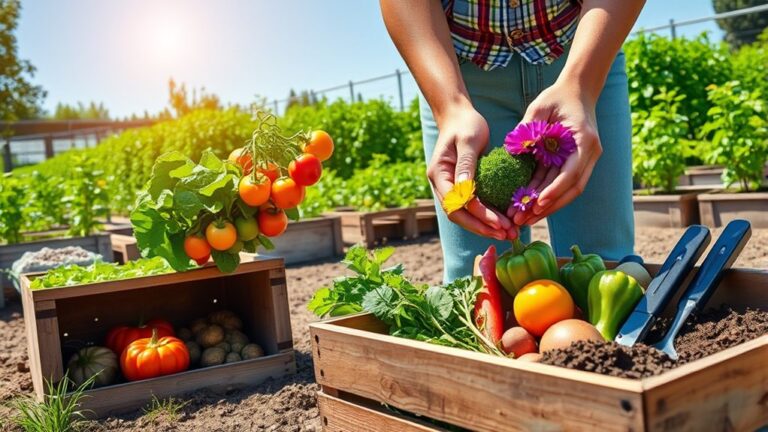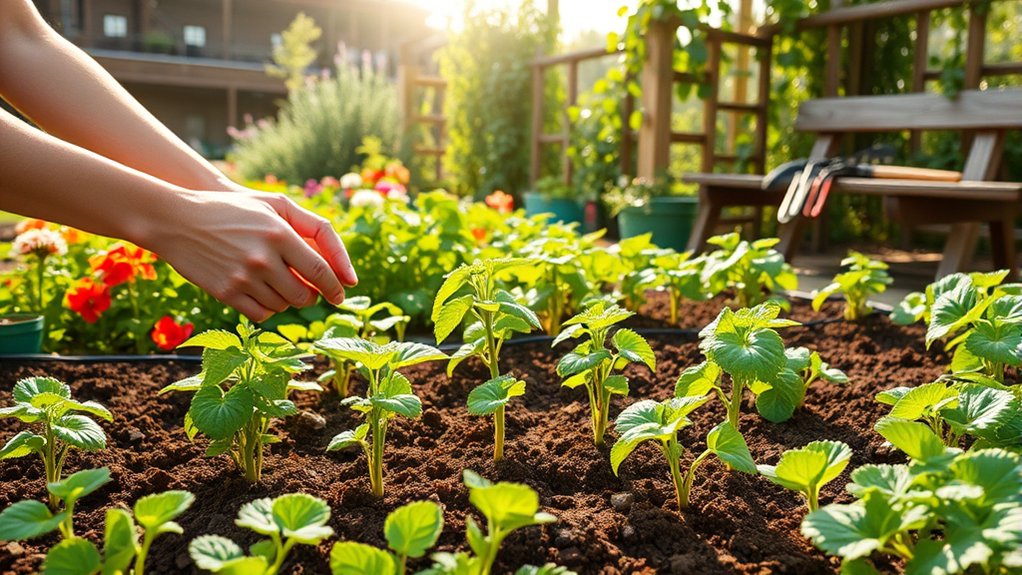
3 Tips to Get a Good Garden in Grow a Garden
Building a thriving garden in *Grow a Garden* can feel tricky when you’re not sure which crops to choose or how to organize your space. You’re not alone—many players struggle to make their garden productive. These three tips can help you get a good garden in *Grow a Garden* and make the most of every Sheckle.
To get a good garden in *Grow a Garden*, choose crops that match your space, climate, and care routine. Favor compact plants, quick harvests, and varieties that keep producing, while growing foods you enjoy.
Next, group similar crops together, leave clear paths, and track what you plant with labels or a simple map. Finally, check your garden often, harvest ripe produce promptly, and reinvest Sheckles in useful seeds, tools, or upgrades. These habits help your garden grow stronger over time.
Key Takeaways
- Choose crops suited to your space, climate, care time, and goals; favor compact varieties and quick or repeat harvests.
- Start with a manageable mix of familiar crops, then adjust your choices based on what grows well.
- Group similar plants together and leave clear paths so you can care for and harvest them easily.
- Check your garden often, harvest ripe produce promptly, and replant open plots to keep production going.
- Reinvest Sheckles in suitable seeds, useful tools, and upgrades, prioritizing what performs best.
Choose the Best Crops in Grow a Garden
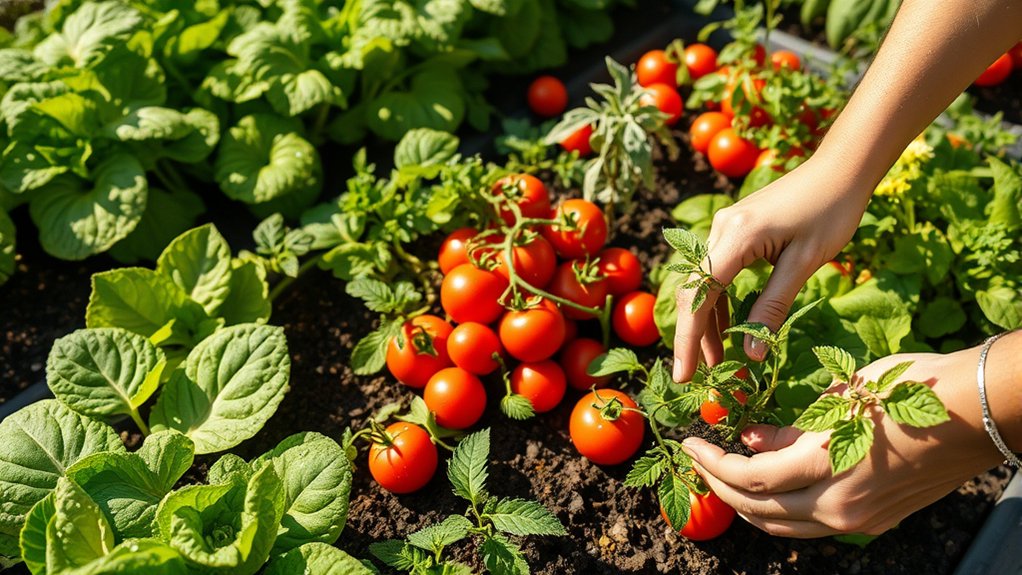
To choose the best crops for your garden, consider your climate, soil, available space, and how much time you can spend caring for them. In Grow a Garden, match each plant to the conditions you can provide. Check whether a crop needs full sun or tolerates shade, and note its preferred moisture and temperature. If your garden has limited space, choose compact plants or crops that grow vertically. For a quick harvest, look for varieties with short growing times. If you’d rather enjoy produce over a longer period, pick plants that keep yielding.
Before you choose crops, think about what you like to eat and what you’ll use. Growing familiar favorites makes your garden more rewarding and helps prevent waste. Read each plant’s description, then select varieties suited to your goals and growing conditions. You don’t need to plant everything at once. Start with a manageable mix, observe how each crop performs, and adjust your choices next time. This approach helps you build a productive garden that fits your needs.
Manage Plots and Tools in Grow a Garden
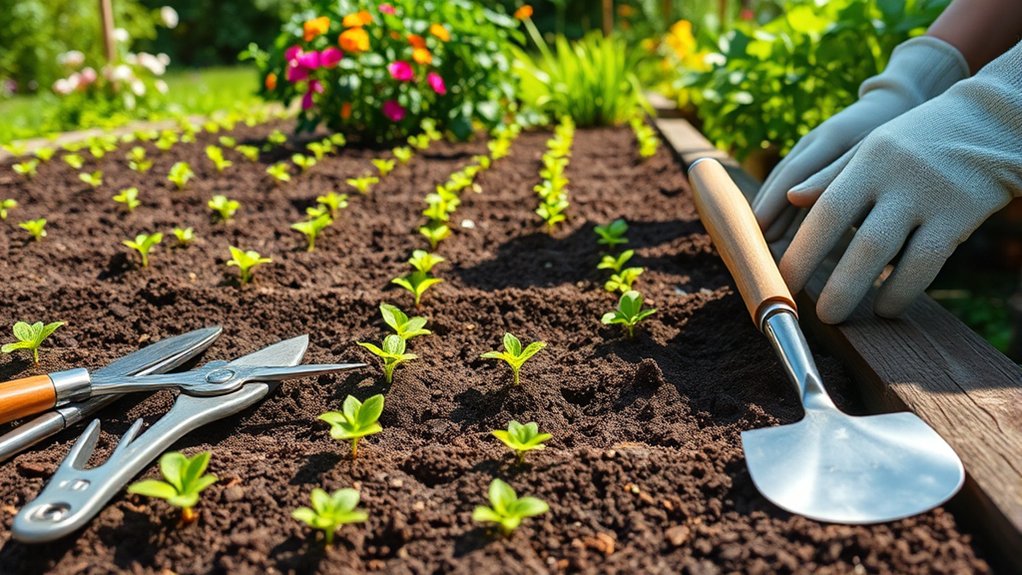
After choosing crops, organize your plots and tools so daily care stays simple. Group similar plants together, and leave clear paths between growing areas. You’ll spot which plots need attention without wandering around or overlooking a corner. Keep space available for new crops, too, so you can adjust your layout as your garden grows.
Plan a seed rotation by changing what you plant in each plot over time. This keeps your garden varied and helps you match each space to your current goals. Use labels or a simple mental map to remember what’s growing where, especially when several plots look alike.
Store essential tools near the plots where you use them. Check that each tool works before you begin, and put it back in the same place afterward. Regular tool maintenance saves time and helps you avoid interruptions during routine care. With an orderly setup, you can tend your garden efficiently and keep every plot easy to manage.
Harvest Often and Reinvest Your Sheckles
Harvest crops often to keep your Sheckles coming in and make room for new plants. Check your garden regularly, and collect ripe produce as soon as it’s ready. Frequent harvesting keeps plots available for fresh seeds and helps you build a steady income.
Choose harvest methods that fit each crop, and don’t leave valuable plants waiting while you’re away tending other plots.
Use your earnings with care. Strong reinvest strategies help you grow faster without wasting Sheckles on upgrades you don’t need yet. Buy seeds that suit your garden’s space and goals, then plant them as soon as you clear a plot.
Save for useful tools or upgrades when they’ll make harvesting and planting easier. You can also keep a small reserve for seeds, so one purchase doesn’t leave you short.
As your garden expands, balance quick-growing crops with higher-value options. Keep harvesting, review what sells well, and reinvest in the plants and improvements that bring the best returns. This steady cycle turns each harvest into progress.
Frequently Asked Questions
How Do Weather Events Affect Crops in Grow a Garden?
Weather events change your crops’ growth, value, and survival in Grow a Garden. Rain can help plants grow, while storms or other conditions may trigger mutations and boost a crop’s worth. You’ll need to watch weather patterns and adapt your planting choices.
Although pest outbreaks, drought resilience, and flood impact aren’t necessarily direct game mechanics, they describe real gardening concerns. In the game, check event alerts and harvest strategically to make the most of each event.
What Do Pets Do in Grow a Garden?
Pets help you grow and manage your garden by providing useful effects, such as boosting crop growth, increasing harvest value, or helping you collect items. Each pet has unique abilities, so you can choose companions that suit your goals.
Watch your pets’ behavior to understand when their abilities activate, and explore pet interactions to discover how companions affect one another. You can hatch eggs, equip pets, and upgrade your lineup as you progress through the game.
How Can I Unlock New Areas in the Garden?
Unlock new areas by meeting each expansion’s requirements, usually earning enough in-game currency or reaching a specified garden progression milestone. Some unlockable areas may also require completing quests or interacting with particular characters, so check signs and menus for clues.
One useful statistic: each expansion adds another space for planting, increasing the room you have to grow crops. Save your earnings, complete available tasks, and revisit locked entrances as your garden develops.
Can I Trade Items With Other Players?
Yes, you can trade items with other players in Grow a Garden. Open the trading interface, select what you’re offering, and review the other player’s offer before confirming.
Check item values so you don’t accept an unfair deal, and agree on any currency exchange beforehand. Good trade etiquette means communicating clearly and avoiding rushed offers.
You can also build barter networks with reliable players to find useful items and arrange future trades.
How Do Mutations Change a Crop’s Value?
Mutations usually raise a crop’s selling value by adding valuable traits, though the exact bonus depends on the mutation. Think of a glowing apple at a market: its unusual appearance can make buyers offer more. In Grow a Garden, you’ll want to check each crop’s displayed price rather than assume every mutation pays equally. Some mutations impact yield, while others mutations alter resilience, so weigh their practical benefits against the sale price before deciding whether to harvest or keep growing.
Conclusion
A thriving garden in Grow a Garden starts with smart choices: pick crops that suit your goals, arrange your plots with care, and use your tools wisely. Keep your plants growing, harvest often, and reinvest your Sheckles to expand your opportunities.
When you choose well, manage well, and reinvest well, you’ll build a garden that keeps rewarding your effort. Start small, stay consistent, and watch each harvest bring you closer to the garden you want in Grow a Garden.