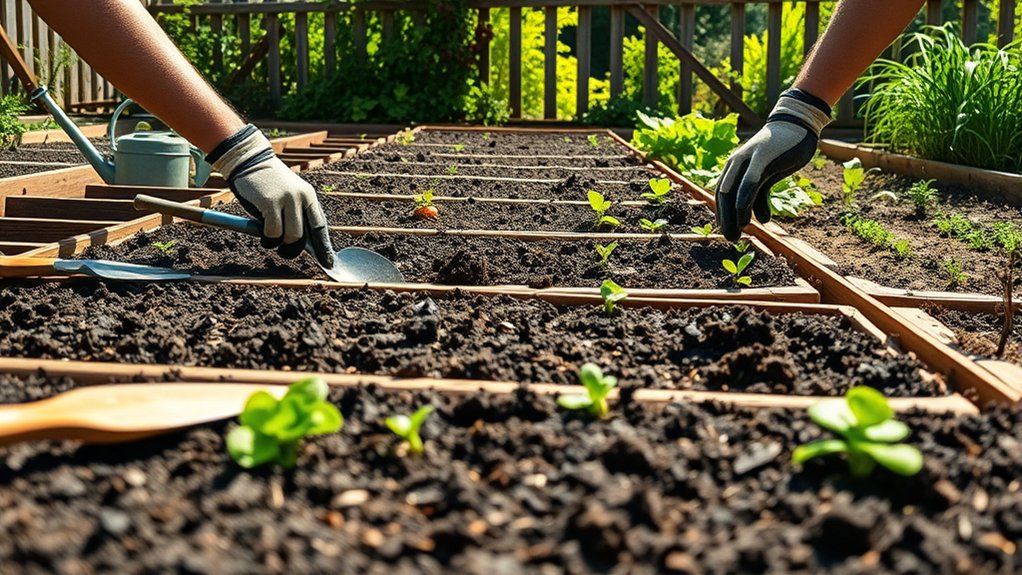
7 Easy Steps to Cultivate Vegetables
Starting a vegetable garden can feel overwhelming when you’re unsure what to plant or how to keep it thriving—but you’re not alone. Many new gardeners struggle to turn good intentions into healthy plants and steady harvests. These seven easy steps to cultivate vegetables can help you get started with confidence.
To cultivate vegetables in seven easy steps, choose a spot with at least six hours of direct sunlight, then select crops that fit your space. Prepare the soil by clearing debris, loosening it 8–12 inches, and mixing in finished compost. Plant seeds or seedlings at the right time, following packet directions. Water and fertilize according to your crops’ needs and soil test results. Manage weeds and pests regularly, then harvest produce at peak ripeness. Keep these practical details in mind for healthier plants and steady yields.
Key Takeaways
- Choose a spot with at least six hours of direct sunlight, and check for shifting shade throughout the day and seasons.
- Measure your growing area and select vegetables suited to its space, light, and container options.
- Clear weeds and debris, loosen soil 8–12 inches deep, and mix in finished compost as needed.
- Plant crops with enough room to reach their mature size, and combine vegetables with different harvest times.
- Check weekly for weeds, remove them before they set seed, and harvest vegetables promptly when ripe.
Choose a Sunny Spot for Growing Vegetables
Before you plant, choose a spot that gets at least six hours of direct sunlight each day. Most vegetables grow best with plenty of light, which fuels healthy leaves, strong stems, and steady harvests. The sunny spot benefits include faster growth and better flavor for many crops.
Choose a sunny spot with at least six hours of direct light to support healthy growth, steady harvests, and better flavor.
Watch the area throughout the day, since buildings, fences, and trees can cast moving shadows. A location that looks bright in the morning might lose sun by afternoon.
Consider how light changes across the seasons, too. Nearby trees may leaf out and block sunlight later, so check your garden site when their canopy is full.
For shade considerations, note which areas receive less light and when; don’t assume a patch stays sunny year-round. If you can’t find a spot with six hours of direct sun, choose the brightest available location and observe it before planting.
You’ll give your vegetables a better start by matching their growing conditions to the light your yard actually provides.
Pick Vegetables That Fit Your Space
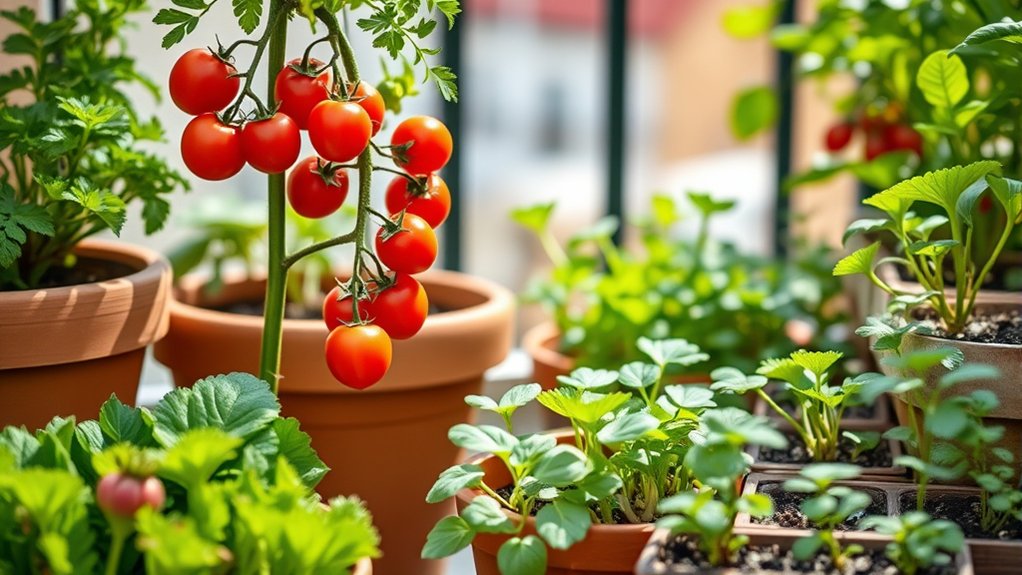
Choose vegetables that suit the space you have, whether it’s a garden bed, a few containers, or a small balcony. First, measure your growing area and note how much room each plant needs.
If you have a narrow bed, choose space efficient varieties, such as compact bush beans or upright tomatoes, rather than sprawling crops. For pots, look for container friendly crops like lettuce, radishes, herbs, and dwarf peppers. Check plant labels or seed packets for mature height and spread so you won’t overcrowd your choices.
Think about what you enjoy eating, too. A small space can still provide a useful harvest when you grow favorites you’ll pick often.
Choose crops with different harvest times, such as quick-growing greens alongside longer-season peppers, to keep fresh produce coming. If you’re new to gardening, start with a few easy plants and expand as you learn what thrives in your space.
Match each vegetable to its available room, and you’ll make the most of every growing spot.
Prepare Healthy Soil for Vegetable Plants
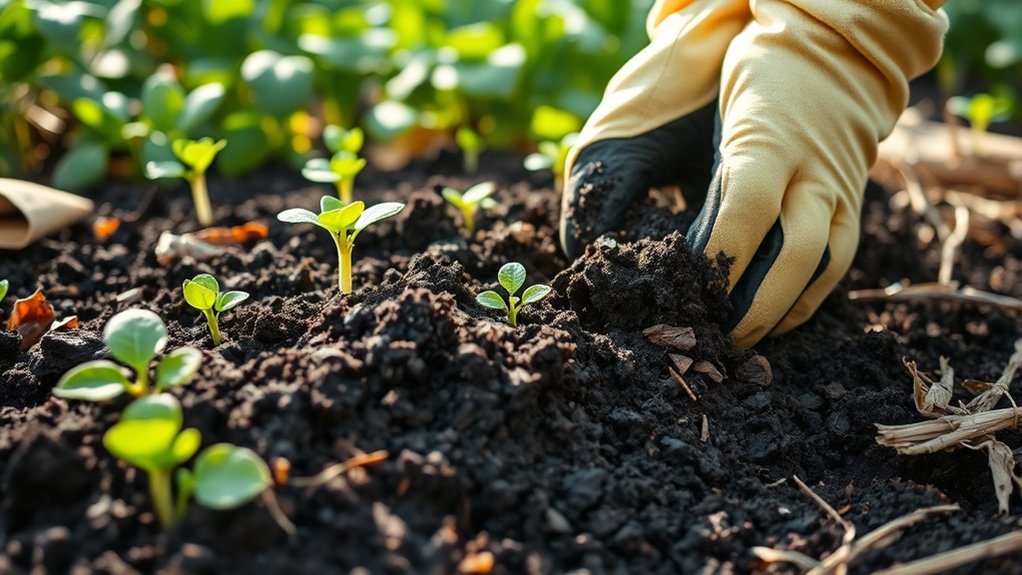
Once you’ve picked vegetables that fit your space, prepare soil that gives their roots room to grow and access to nutrients. Start by clearing away weeds, rocks, and leftover plant debris. Then loosen the soil with a garden fork or spade, working down about 8 to 12 inches. This helps roots spread and lets water drain.
Check your soil texture by squeezing a handful of damp soil. If it forms a hard, sticky clump, mix in compost to improve drainage. If it feels gritty and falls apart, compost can help it hold moisture and nutrients.
Use finished compost made from varied compost ingredients, such as vegetable scraps, dry leaves, and grass clippings. Blend a layer into the top few inches of soil.
Test the soil’s pH and nutrient levels with a home kit or local extension service. Follow test results to adjust the soil, and avoid adding fertilizer without a clear need. Keep the bed evenly moist as you prepare it.
Plant Seeds or Seedlings at the Right Time
Check your local frost dates to find a safe planting time for each vegetable. If a crop needs a head start before the growing season, start its seeds indoors. Once the risk of frost has passed, transplant the seedlings outdoors.
Check Local Frost Dates
Timing matters: Planting too early can expose tender vegetables to frost, while planting too late may shorten their growing season. Check your area’s average last spring frost date and first fall frost date through a local extension service or trusted weather source.
These dates give you a useful starting point, but they’re estimates, not guarantees. Your yard’s elevation, nearby buildings, and cold-air pockets can shift conditions, so watch local forecasts as planting approaches.
Use the frost dates for date planning: compare them with each vegetable’s recommended planting window and days to maturity. Cool-season crops can often handle light frost, while warm-season vegetables need reliably mild nights.
If a late frost threatens, delay planting or protect tender plants outdoors. Keep a simple calendar, and adjust it each year based on your garden’s actual conditions and results.
Start Seeds Indoors
To get a head start on the growing season, sow seeds indoors when their packet instructions recommend, often several weeks before your area’s last spring frost. Choose crops that benefit from an early start, such as tomatoes, peppers, and broccoli.
Fill clean seedling trays with a lightweight seed-starting mix, then plant each seed at the depth listed on its packet. Water gently to keep the mix evenly moist, not soggy.
Place trays in a warm spot, and provide bright indoor lighting for about 12 to 16 hours daily. Rotate trays if seedlings lean toward the light. Once sprouts appear, keep them from getting leggy by moving lights close to their leaves.
Before transplanting, harden seedlings off by gradually exposing them to outdoor conditions for a week. Move them outside only when temperatures suit each crop.
Water and Fertilize Vegetables the Right Way
Watering and fertilizing vegetables properly helps them grow strong without wasting water or nutrients. Check the soil before you water: if the top inch feels dry, give plants a thorough drink. Water monitoring helps you adjust for rainfall, heat, and each crop’s needs.
Apply water at the soil level in the morning so roots can absorb it before the day warms. Avoid frequent, shallow sprinkling, which encourages weak roots.
Feed your vegetables according to their growth stage and the package directions. A balanced fertilizer supports balanced nutrient delivery, while too much can burn roots or produce leafy growth at the expense of fruit.
Mix compost into the soil before planting, then use additional fertilizer only when plants need it. Follow label rates, and don’t assume more is better. Keep a simple watering and feeding schedule, but adapt it as conditions change.
Careful routines also support pest prevention by helping plants stay healthy and resilient. Watch for wilting or yellowing, and check soil moisture before you respond.
Keep Vegetable Pests and Weeds Under Control
Check your vegetable plants regularly for pests, and remove them as soon as you spot them. Also, pull weeds before they spread and compete with your crops for water and nutrients. With a little steady attention, you’ll help keep your garden healthy and productive.
Prevent Vegetable Pests
How can you keep pests from undoing your hard work? Start with pest prevention: choose healthy seedlings, rotate crops, and inspect leaves often. Early checks help you spot trouble before insects spread. Use pest management methods that protect beneficial insects and your harvest.
| Warning sign | First response | Helpful habit |
|---|---|---|
| Chewed leaves | Check undersides | Inspect daily |
| Aphids on stems | Rinse with water | Encourage ladybugs |
| Wilting plants | Look for borers | Remove damaged plants |
Cover young crops with lightweight row covers, securing edges so pests can’t slip underneath. Handpick larger insects when you find them, and remove diseased plant material promptly. Water at soil level to keep foliage drier and reduce conditions that invite disease.
If you use a treatment, identify the pest first, then follow the product label carefully. Keep notes on what appears and which steps work; you’ll make better choices next season.
Control Garden Weeds
Weeds compete with vegetables for water, nutrients, and sunlight, so pull them while they’re small. Consistent weed management protects your crops and makes garden care easier. Use these practical steps:
- Hoe shallowly: Slice young weeds at the soil surface to avoid disturbing vegetable roots.
- Mulch beds: Spread straw or untreated grass clippings to block light and reduce new growth.
- Remove roots: Hand-pull persistent weeds after rain, when damp soil releases roots more easily.
- Plan pathways: Keep weeds down between beds with mulch or gravel, supporting landscape integration without letting paths become seed sources.
Check your garden weekly, especially after rain, and remove weeds before they flower or set seed. Don’t compost invasive weeds unless your pile gets hot enough to destroy seeds and roots. Stay consistent, and you’ll spend less time weeding later.
Harvest Vegetables When They’re Ready
As your vegetables ripen, check them regularly and harvest each crop at its peak. Good harvest timing protects flavor and encourages some plants to produce more. Learn each vegetable’s ripeness indicators, since size, color, firmness, and days to maturity vary by crop. A ripe tomato feels slightly soft and comes away easily; pick beans while their pods remain tender and crisp.
Use clean scissors or garden shears to cut stems without damaging plants. Don’t pull hard on fruits or vegetables, because you could break branches or disturb roots. Harvest leafy greens from the outside first, leaving the center to keep growing. Pick zucchini and cucumbers often, before they become oversized and tough.
Gather produce during the cool morning hours for the best texture and freshness. Handle it gently, then move it into shade. Check plants again after rain or warm weather, when crops may ripen quickly. If you’re unsure, taste one and adjust your picking schedule.
Frequently Asked Questions
Can Vegetables Be Grown Successfully in Containers Indoors?
Yes, you can grow vegetables successfully in indoor containers if you provide enough light, suitable pots, and consistent care. Choose compact varieties, such as lettuce, herbs, cherry tomatoes, or peppers, and use containers with drainage holes and quality potting mix.
Container lighting matters: place plants near a sunny window or use grow lights. Water when the soil feels dry, and practice Pest management by checking leaves regularly and removing insects promptly.
How Can I Save Seeds From My Vegetables for Next Season?
You can save seeds by letting healthy vegetables fully mature, then harvesting, cleaning, and drying their seeds—a small investment in next season’s garden. For seed saving techniques, collect seeds from open-pollinated varieties, since hybrids may not grow true to type. Remove pulp from tomatoes and ferment seeds briefly; dry beans and peas on the plant. Follow seed storage basics: label completely dry seeds, seal them in airtight containers, and keep them cool, dark, and dry until planting.
Which Vegetables Are Safest for Pets?
For pets, you can grow carrots, lettuce, cucumbers, zucchini, and peas; these vegetables are generally safe when pets nibble small amounts. Choose safe pet friendly plants, and keep seeds, leaves, and produce free of pesticides.
Still, toxicity awareness matters: some pets have allergies or sensitive stomachs, and plant parts can differ in safety. Don’t let pets eat garden plants freely. Check with your veterinarian if your pet eats an unfamiliar plant or develops symptoms.
How Do I Preserve Surplus Vegetables After Harvesting?
You can preserve surplus vegetables by freezing, canning, pickling, fermenting, or drying them. Choose preserving methods based on each vegetable and how you’ll use it; blanch many vegetables before freezing, and follow tested canning instructions for safety.
Store fresh produce in a cool, dry, or refrigerated spot, depending on its needs. Check storage duration guidelines, since shelf life varies by vegetable and method.
Label containers with contents and dates, and discard anything spoiled.
Can I Grow Vegetables Year-Round in a Greenhouse?
Yes, you can grow vegetables year-round in a greenhouse. For example, you might harvest winter spinach while starting spring tomatoes in a heated, well-lit space.
Choose crops suited to each season, and manage temperature, ventilation, watering, and light carefully. A grower’s mindset helps you adapt as conditions change.
Consider greenhouse ethics, too: conserve water, use energy efficiently, and favor sustainable pest control. Your climate and budget will shape how much heating or cooling you’ll need.
Conclusion
Growing vegetables isn’t a race; it’s more like tending a small orchestra. Give each plant the right place, soil, water, and care, and you’ll soon hear the satisfying “music” of leaves, blossoms, and ripening produce.
One sunny morning, you might spot your first tomato turning red and realize how far your garden has come. Start with one bed or pot, learn as you go, and enjoy the harvest you’ve helped bring to life. With these 7 easy steps to cultivate vegetables, you’ll be on your way to a thriving garden.