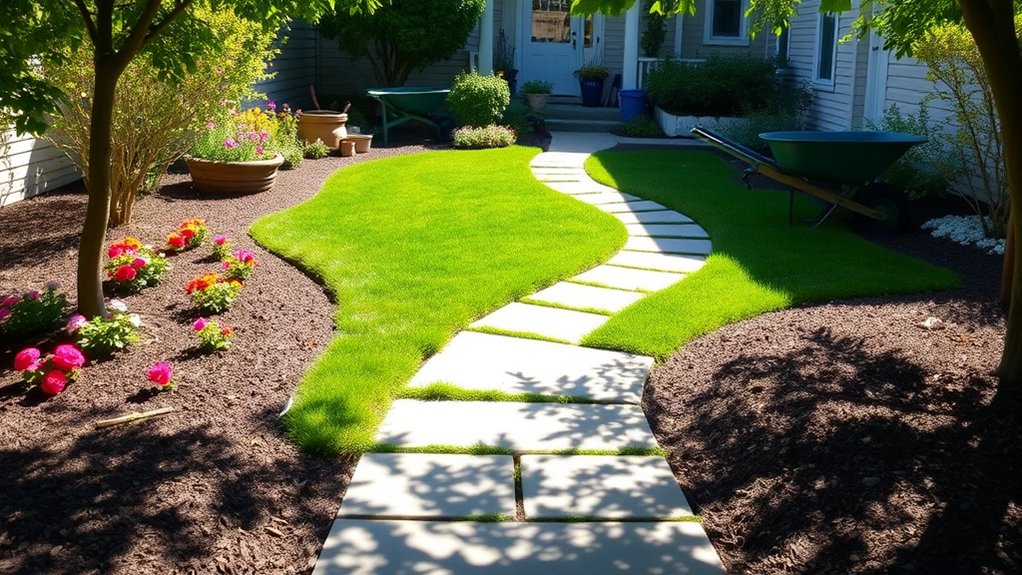
How to Landscape Your Front Yard in 3 Simple Steps
A front yard can feel difficult to plan when you’re balancing curb appeal, budget, and upkeep. You’re not alone—many people struggle to know where to start. These three simple steps can help you landscape your front yard with confidence.
First, sketch the entry, driveway, walkways, and existing features, then set a firm budget and prioritize projects. Next, check each area’s sunlight, soil, drainage, and climate; choose locally suited plants that fit their mature space, and group them by water and light needs.
Finally, add practical paths, edging, and welcoming details, such as low lights or a potted plant. Keep routes easy to maintain, and you’ll find helpful ways to refine the plan.
Key Takeaways
- Plan and budget: Sketch your yard, map walkways and existing features, define each area’s purpose, and set a firm budget.
- Design practical routes: Create welcoming paths with room for two people, easy maintenance access, and balanced views from the street and windows.
- Assess growing conditions: Record sunlight, check soil drainage and texture, and consider your local climate and hardiness zone.
- Choose suitable plants: Select region-appropriate plants, favor natives, match mature sizes to available space, and group plants by light and water needs.
- Add paths and finishing details: Choose budget-friendly path materials, define borders with edging, and finish with low lights or a welcoming entrance pot.
Plan Your Front Yard Landscaping Layout and Budget
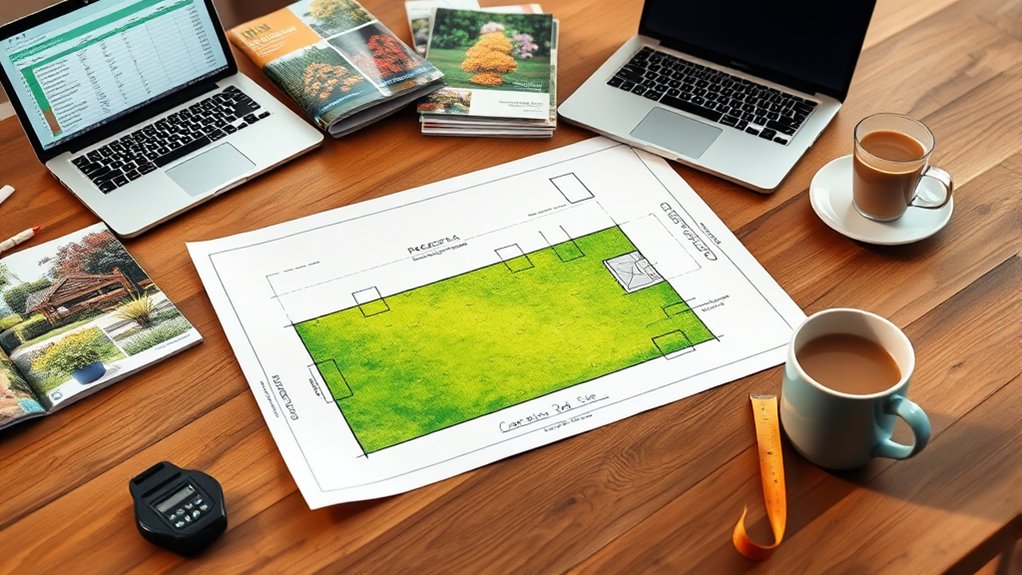
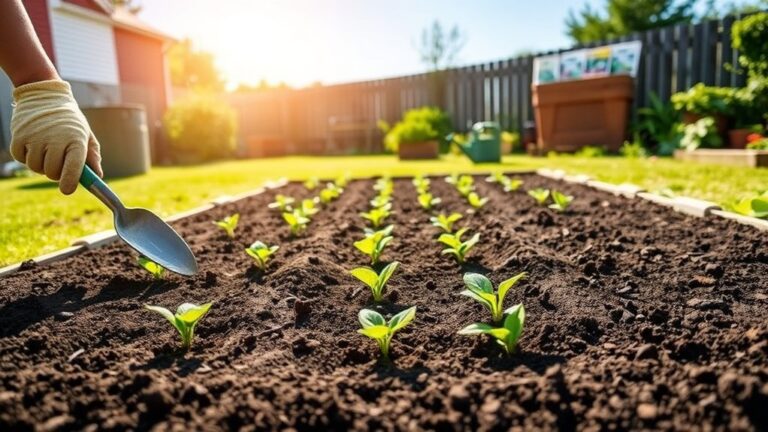
Before buying plants or materials, decide how you want your front yard to look and what you can spend. Think about how you use the space, what you want visitors to notice, and which features matter most. Sketch your yard, noting the entry, walkways, driveway, and existing structures. This simple plan helps you picture the finished space before you commit.
Use layout zoning to give each area a clear purpose. You might reserve space for a welcoming path, a seating spot, or a focal feature. Keep routes practical, and leave room for access and maintenance. Check sightlines from the street and your windows so the design feels balanced.
Set a firm budget, then divide it among materials, labor, tools, and a small contingency. Price major items before you buy, and tackle the project in manageable phases if needed. Avoid budgeting mistakes by comparing costs, tracking purchases, and resisting impulse upgrades. A realistic plan helps you make choices confidently and prevents costly changes later.
Choose Front Yard Plants for Sun, Soil, and Climate
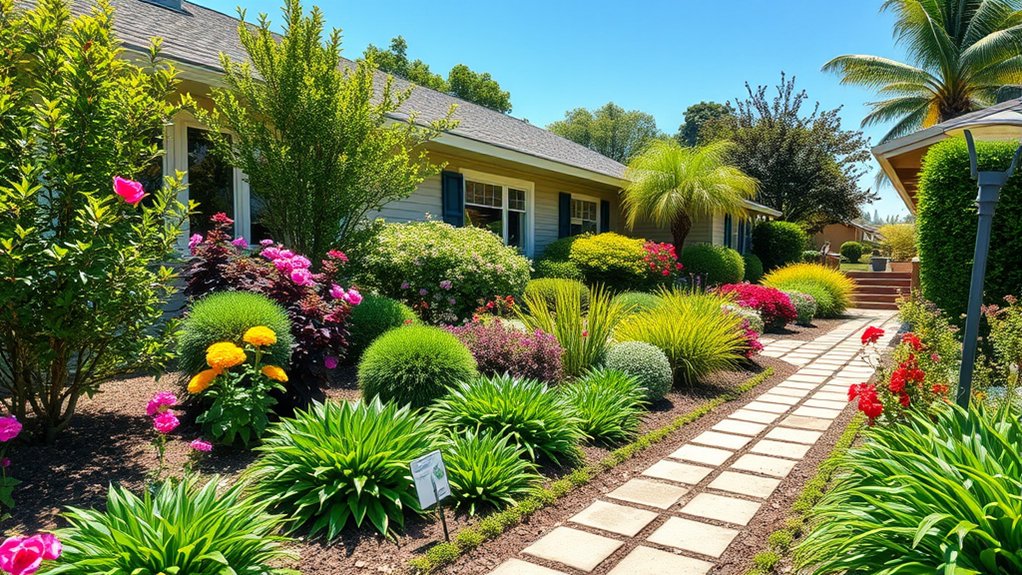
With your layout and budget in place, choose plants that suit your yard’s conditions. Start by checking sun exposure in each planting area. Track how many hours of direct sunlight spots receive, then select plants that thrive in full sun, partial shade, or shade. Don’t assume the whole front yard gets the same light; trees and buildings can create different conditions.
Next, assess soil type. Check whether it drains quickly or stays wet, and note whether it’s sandy, clay-heavy, or loamy. Choose plants suited to what you have, or amend the soil where needed before planting. A simple soil test can also reveal pH and nutrient levels.
Finally, consider climate suitability. Select varieties rated for your region’s hardiness zone, and account for local rainfall, temperature swings, and seasonal extremes. Native plants often adapt well and support local wildlife. Match each plant’s mature size to its growing space, and group plants with similar water and light needs. This makes care easier and helps your landscape thrive.
Add Paths, Edging, and Finishing Details

Paths guide visitors to your entrance and protect planting beds from foot traffic. Choose a route that feels natural from the sidewalk to your door, then select a surface that suits your budget and climate. Gravel offers a casual crunch, while pavers create a firm, polished walkway. Keep the path wide enough for two people to walk comfortably.
A welcoming path guides visitors to your door, protects planting beds, and suits your home’s style and climate.
- Lay stepping-stones through a lawn or ground cover, spacing them for an easy stride and setting each stone level.
- Add path edging to contain gravel, define borders, and keep mulch from spilling onto the walkway. Brick, metal, or stone can complement your home’s style.
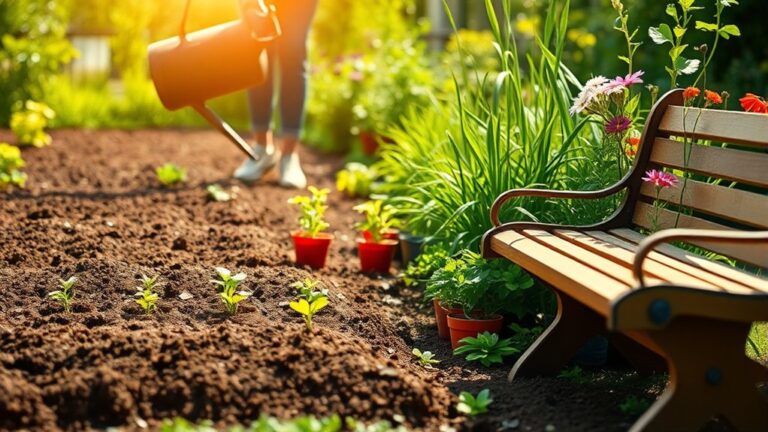
- Finish with low lights, a clean border, and a welcoming pot near the entrance. These finishing details add warmth without crowding the path.
Check that water drains away from your home, and trim plants that lean over the walkway. Sweep hard surfaces and refresh loose gravel as needed. A clear, well-kept route makes your front yard feel inviting and easy to navigate.
Frequently Asked Questions
Do I Need a Permit to Landscape My Front Yard?
You may not need a permit for basic planting, mulching, or lawn changes, but local rules determine what’s allowed. Check permit considerations and zoning guidelines before you start, especially if you’ll build a retaining wall, fence, deck, driveway, or drainage feature.
Your city or county may regulate height, setbacks, runoff, and protected trees. Contact your local planning or building department to confirm requirements. Skipping approval could lead to fines or costly corrections.
How Can I Landscape a Front Yard on a Tight Budget?
You can landscape your front yard cheaply by treating each improvement like a small brushstroke in a welcoming picture. Set a firm spending limit, then tackle one area at a time. Choose budget friendly plants suited to your climate, and grow them from seeds or cuttings.
Use low cost hardscapes, such as gravel paths, reclaimed bricks, or mulch borders. Reuse containers, divide existing perennials, and do the labor yourself to stretch every dollar further.
When Is the Best Time of Year to Start Landscaping?
The best time to start landscaping is usually spring or early fall, when you’ll find the best planting season for many trees, shrubs, and perennials. Choose ideal weather windows with mild temperatures and steady moisture, avoiding extreme heat, frozen ground, and heavy rain.
You can plan beds, remove weeds, and prepare soil earlier, but check local planting guidance because your climate and plant choices affect timing. Water new plants regularly as they establish.
How Can I Make My Front Yard More Wildlife-Friendly?
Make your front yard more wildlife-friendly by planting nativeplants that provide food and shelter for local birds, bees, and butterflies. Choose a mix of flowering plants, shrubs, and trees that bloom across the seasons.
Add water wise habitats, such as a shallow birdbath or a small rain garden, and keep water fresh. Skip pesticides, leave some fallen leaves for insects, and create safe hiding places with dense plantings or brush piles. You’ll support wildlife year-round.
What Landscaping Changes Can Improve My Home’s Curb Appeal?
You can boost your home’s curb appeal by rejuvenating your entryway, defining walkways, and adding colorful, well-placed garden beds. Choose low maintenance plants that suit your climate, and layer them for texture and year-round interest.
Trim overgrown shrubs, edge your lawn, and keep paths clear to create a tidy look. Add creative lighting along walkways or near architectural features to make your home feel welcoming after dark. Finish with a brand-new, attractive front door.
Conclusion
You don’t need a huge budget or professional skills to transform your front yard. Start with a simple layout, choose plants that suit your sun, soil, and climate, then define the space with paths and edging.
If you’re worried about getting everything right at once, tackle one section at a time. You can adjust as you learn what works. Small, thoughtful updates can make your entrance more welcoming and your yard easier to maintain.
Begin landscaping your front yard with one step today, and build from there.