How to Look After a Garden in 5 Simple Steps
Keeping a garden healthy can feel like a constant struggle, especially when plants wilt, weeds return, or you’re unsure how much care they need. You’re not alone—many gardeners face the same challenges. These simple steps for how to look after a garden can help you build a routine that works.
Look after your garden in five simple steps: check soil moisture, drainage, and plants for signs of stress; water slowly at the base when soil begins to dry; pull weeds and tidy beds and paths weekly; add compost or other organic matter to support healthy soil; and prune damaged or crowded growth with clean shears. Check leaves for pests, too, and avoid overwatering or overfeeding. Follow these habits regularly, and you’ll find more helpful details below.
Key Takeaways
- Check soil moisture, drainage, and plant health; look for wilting, discoloration, pests, compacted soil, or runoff.
- Water when soil begins to dry, soaking the roots slowly at the base, preferably early in the day.
- Weed beds weekly, remove roots, and keep paths, patios, and borders tidy.
- Add a thin layer of compost or other organic matter, following plant needs and avoiding excess fertilizer.
- Prune dead or crowded growth with clean shears, and regularly inspect leaves for pests or disease.
Check Your Garden’s Water, Soil, and Plant Health
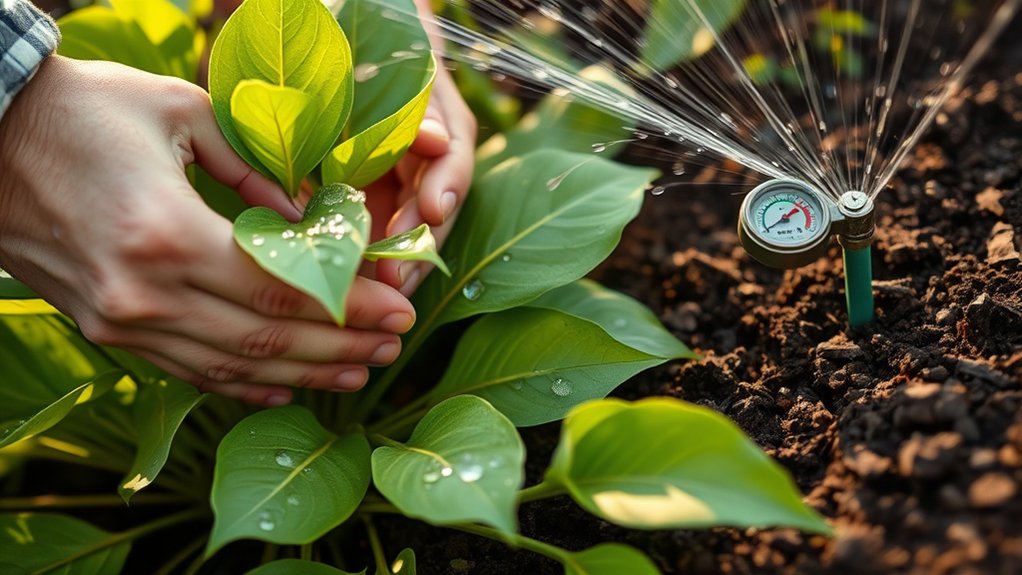
Start by checking whether the soil feels dry an inch below the surface, then water plants that need it. As you assess your garden, note which areas stay damp and which dry quickly. These clues help you understand each plant’s water requirements without relying on a fixed schedule. Check that pots and beds drain well, since standing water can stress roots.
Next, inspect your soil. Look for compacted patches, crusting, or places where water runs off instead of soaking in. Healthy soil should feel crumbly and support steady plant growth. Add compost when the soil seems depleted, and avoid walking on beds when they’re wet to protect soil health.
Finally, examine leaves, stems, and new growth. Spot discoloration, holes, wilting, or unusual marks early, and check the undersides of leaves for pests. Remove damaged foliage with clean tools, and note any changes so you can respond thoughtfully. Regular checks help you catch problems before they spread and keep your garden thriving.
Water Garden Plants When They Need It
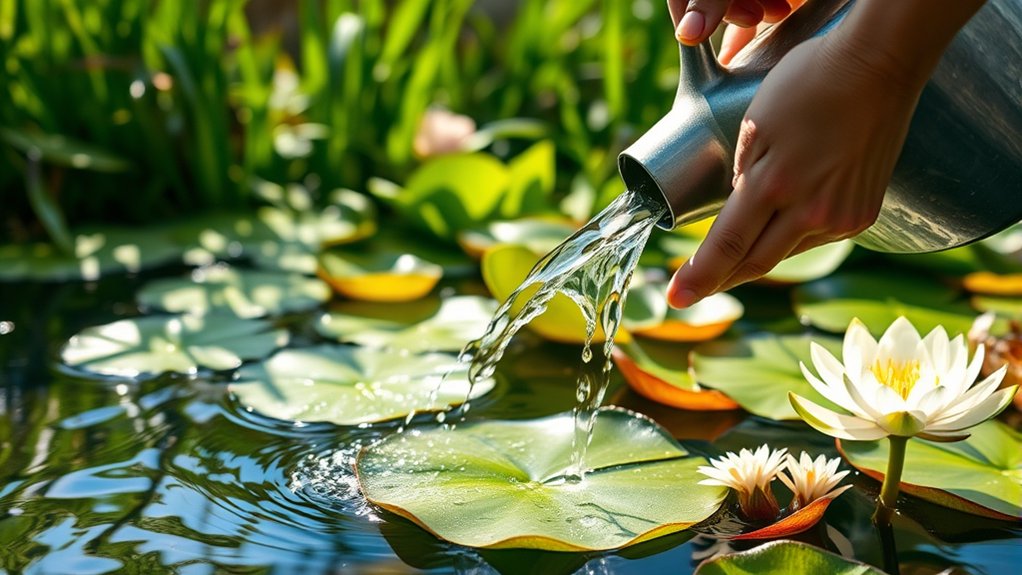
Once you’ve checked the soil and plants, water each garden area when its soil begins to dry rather than following a rigid schedule. Your watering schedule should reflect weather, soil type, and each plant’s needs.
Check moisture a few inches below the surface; if it feels dry, water slowly at the base so roots can absorb it. If it’s still damp, wait and check again later.
Water early in the day to reduce evaporation and give foliage time to dry. During hot, windy spells, inspect containers and shallow-rooted plants more often, since they can dry quickly.
After rain, test the soil before adding more water. Aim for deep, less frequent watering rather than brief daily splashes, which encourage shallow roots.
You can also use drought tolerant strategies, such as grouping plants with similar needs, adding mulch to conserve moisture, and choosing varieties suited to your climate. Adjust as seasons change, and let each plant’s condition guide your care.
Weed and Tidy Your Garden Regularly
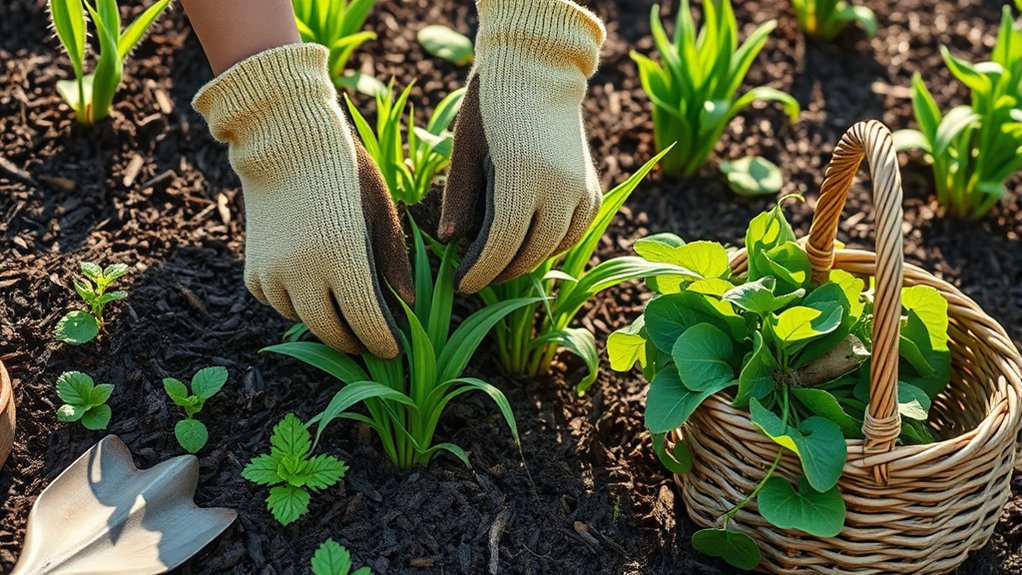
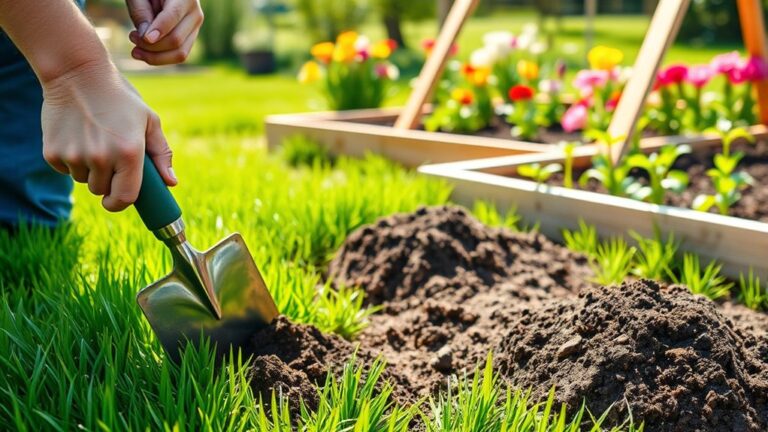
Regular weeding gives garden plants more room, light, and nutrients to thrive. Check your beds weekly, pulling young weeds before they spread or set seed. Grip each weed near its base and remove as much of the root as possible. For stubborn growth, loosen the soil with a hand fork, taking care not to disturb nearby plants. Consistent weed removal makes each session quicker and easier.
| Garden task | Simple approach |
|---|---|
| Pull weeds | Remove young growth by hand |
| Clear paths | Sweep leaves and debris |
| Shape borders | Trim overhanging grass |
| Tidy edging | Define bed lines with a spade |
Keep paths, patios, and borders clear so your garden looks cared for and stays easy to navigate. Use tidy edging to create a clean boundary between lawn and beds; trim it as needed, rather than letting grass creep into planting areas. Collect pulled weeds and fallen leaves, then dispose of them appropriately. Avoid leaving weeds where they can take root again. A brief, regular tidy-up keeps your garden neat without turning maintenance into a major chore.
Feed Plants and Build Healthier Soil
Healthy soil gives plants the nutrients they need to grow strong. To feed compost to your garden, spread a thin layer of finished compost over the soil around your plants. Keep it a little away from stems, then gently work it into the top layer or leave it as a surface dressing.
Compost releases nutrients gradually, helping you avoid the sudden surge that some synthetic fertilizers can cause.
Add organic matter regularly with materials such as leaf mold, well-rotted manure, or homemade compost. These additions improve soil structure, helping sandy soil hold moisture and clay soil drain more freely.
They also create a better environment for roots to spread and absorb nutrients.
You’ll nurture microbes by keeping soil covered with compost or mulch and avoiding unnecessary digging. These tiny organisms break down organic matter and make nutrients available to plants.
Check plant labels before using extra fertilizer, since too much can harm roots and wash into waterways. Water after feeding if the soil is dry, and adjust your approach to suit your garden’s needs.
Prune Plants and Check for Pests
Prune plants to remove dead, damaged, or crowded growth and encourage healthy airflow. Use clean, sharp shears to make precise cuts just above a healthy bud or branch junction.
Choose pruning techniques that suit each plant’s season and growth habit; cutting at the wrong time can reduce flowers or fruit. Remove no more than a third of a plant at once, and disinfect your tools between plants to limit disease spread.
Make pest monitoring part of your regular garden routine. Check the tops and undersides of leaves, stems, and new growth for holes, sticky residue, eggs, or insects.
Look closely before damage spreads, especially during warm weather. If you spot pests, identify them before taking action. Hand-pick larger insects, rinse small colonies from leaves, or prune affected sections when practical.
Encourage beneficial insects by avoiding broad-spectrum pesticides. Keep notes on recurring problems so you can respond early next time. Consistent checks and careful pruning help your plants stay vigorous without unnecessary treatments.
Frequently Asked Questions
What Basic Tools Should Every Beginner Gardener Own?
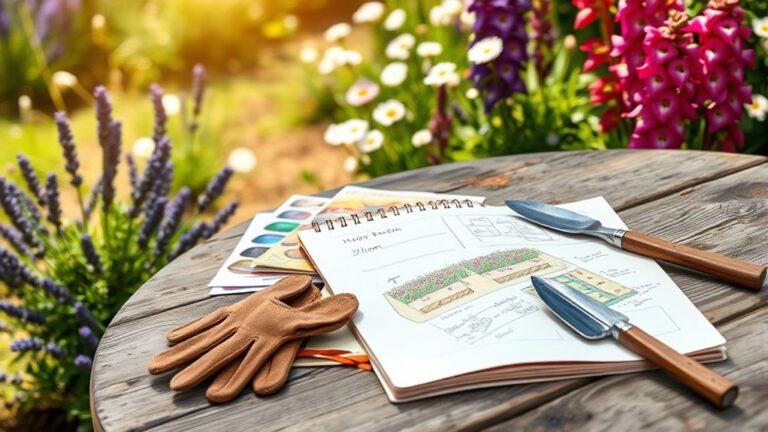
You’ll need a sturdy hand trowel, gardening gloves, a watering can or hose, and a hand fork for everyday planting and basic soil preparation. Add bypass pruners for useful pruning, a garden spade for digging, and a rake for clearing leaves and leveling beds.
Choose comfortable, durable tools that fit your hands, and clean and dry them after use. Start with these essentials; you can add specialized tools as your garden grows.
How Can I Plan a Garden Layout for a Small Space?
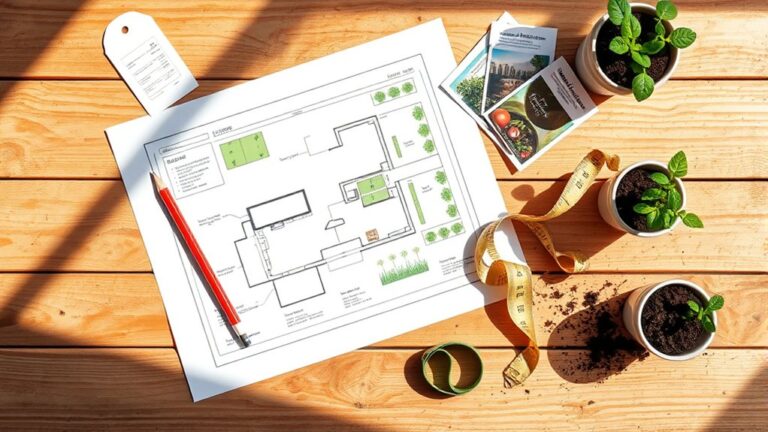
Treat your small garden like a tiny stage: give every plant a role. Start planning layout by measuring sunlight, access, and available space, then sketch paths and beds before planting.
Use small space zoning to separate vegetables, herbs, and seating without blocking movement. Choose beginner friendly companions, such as basil beside tomatoes, to make the most of each bed.
Add vertical supports and containers, and use water wise design with mulch and grouped plants. You’ll grow more with less.
Which Plants Are Best for a Beginner’s Garden?
For your first garden, choose easy, resilient plants such as marigolds, zinnias, basil, lettuce, radishes, and cherry tomatoes. These beginner friendly choices grow reliably and reward you quickly, helping you build confidence.
Match each plant to your space and sunlight: marigolds, zinnias, basil, and tomatoes thrive as sun loving varieties, while lettuce prefers some afternoon shade. Start with a few plants, water consistently, and enjoy watching your garden grow.
When Is the Best Time of Year to Start a Garden?
Start your garden in spring, when the soil warms and daylight increases. About 80% of plant growth happens during the growing season, so timing can help your garden thrive.
Which season matters most depends on what you’ll grow and your local climate. To decide when to start gardening, check your region’s last frost date and seed packets.
You can also plant cool-season crops in early fall, giving you another chance to enjoy fresh harvests.
How Can I Protect Garden Plants From Extreme Weather?
Protect your garden plants by preparing for heat, cold, wind, and heavy rain. Check seasonal weather forecasts so you can act before conditions turn severe.
Use protective microclimates, such as sheltered spots near walls or hedges, and group vulnerable plants together. Cover plants with breathable fabric during frost or heat waves, secure them against strong winds, and improve drainage before storms.
Water deeply during dry spells, but avoid overwatering before heavy rain. Remove damaged growth afterward.
Conclusion
Looking after a garden can feel like one more chore, especially when you’re short on time. But you don’t need a perfect routine or hours of work.
Check your plants, water when the soil is dry, pull weeds, feed the soil, and prune or inspect for pests as needed. A few small steps keep problems from taking root.
Picture stepping outside to healthy leaves, rich soil, and flowers ready to greet you. Start with one simple task today, and enjoy looking after your garden.