How to Make a Vegetable Garden in 5 Easy Steps
Starting a vegetable garden can feel overwhelming when you’re unsure where to plant, what to grow, or how to keep everything healthy. You’re not alone—many new gardeners face the same challenges. This guide to how to make a vegetable garden in 5 easy steps will help you get growing with confidence.
To make a vegetable garden in five easy steps, choose a spot that gets at least six hours of direct sun. Pick crops suited to your local season and available space, then prepare the ground with compost or use a raised bed or containers with drainage. Follow seed-packet instructions for planting depth and spacing. Water soil evenly, weed while weeds are small, and check plants often for pests or damage. A few smart choices can help your garden thrive.
Key Takeaways
- Choose a garden spot that receives at least six hours of direct sunlight daily.
- Select vegetables suited to your local season, available space, and growing conditions.
- Test and prepare the soil, or use a raised bed or container with suitable growing mix.
- Plant seeds or seedlings at the recommended depth and spacing, and label each row.
- Water consistently, remove weeds, and check plants regularly for pests or disease.
Choose a Sunny Spot for Your Vegetable Garden
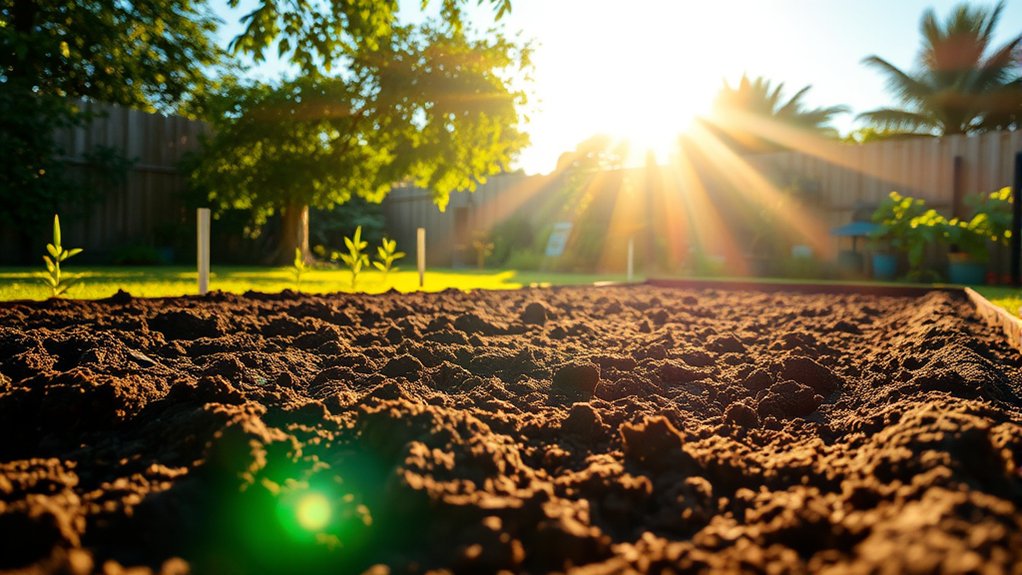
Where should you place your vegetable garden? Start by observing your yard throughout the day. Choose a spot that receives steady sunlight, since most vegetables grow best with at least six hours of direct sun. A sunny exposure helps plants develop strong growth and produce well.
Check the area in the morning, at midday, and in the afternoon. Nearby trees, fences, walls, and buildings can cast shadows that shift as the sun moves. Note where shade falls, especially during the hours when the garden gets the most light. These shade considerations help you avoid placing beds in a spot that looks sunny only briefly.
If your yard has limited open space, look for the brightest available location rather than settling for deep shade. You can also consider how seasonal changes affect sunlight: a spot beneath deciduous trees may receive more light before leaves emerge. Choose a location with consistent exposure, and you’ll give your garden a better start.
Choose Vegetables for Your Space and Season
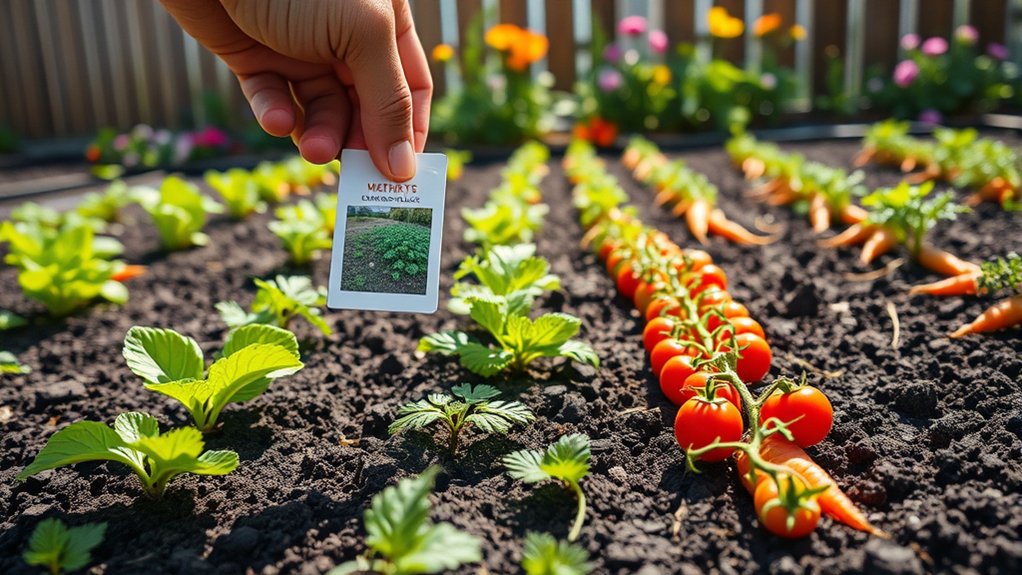
Once you’ve chosen a sunny spot, pick vegetables that fit your available space and growing season. Check your local planting calendar to see when temperatures suit each crop, and consider season compatibility before buying seeds or seedlings. Cool-weather lettuce, peas, and radishes can thrive in spring or fall, while tomatoes, peppers, and beans need warmer conditions.
Next, match plants to your garden’s size. If you’re growing in a small plot or containers, choose varieties labeled compact or suitable for pots. Vining crops need room to spread or a support, while root vegetables require enough depth to develop well. Read plant tags for guidance on root depth, and consider how soil texture may affect growth.
Look for pest resistance to reduce problems, and select crops you’ll enjoy eating. Plan crop rotation by avoiding the same plant family in the same spot year after year. Finally, group vegetables with similar water needs and sun exposure so you can care for them efficiently.
Prepare Soil, Raised Beds, or Containers
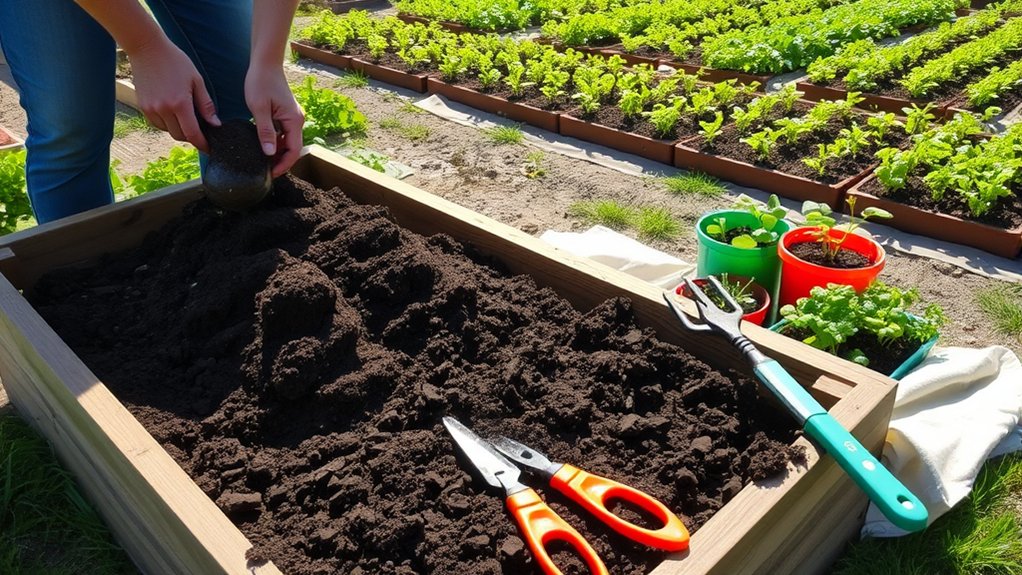
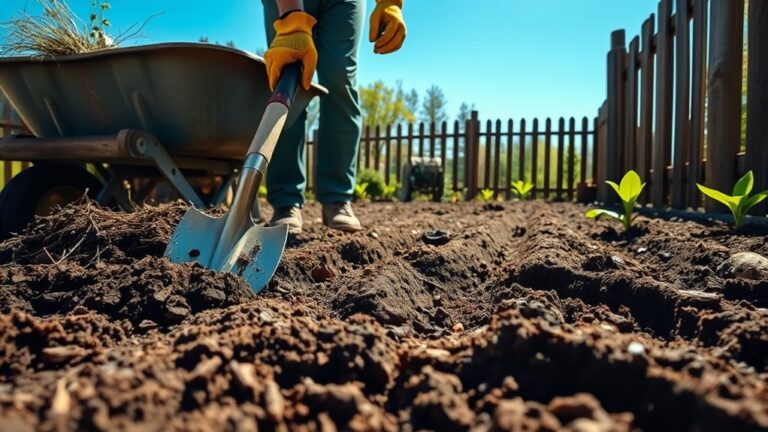
Before planting, prepare a growing space that gives roots room to thrive. Start with soil testing to learn whether your garden soil needs adjustments. Remove weeds, rocks, and debris, then loosen compacted ground so water and air can reach roots.
Prepare a welcoming home for roots by testing your soil, clearing debris, and loosening compacted ground.
Mix in finished compost to improve texture and provide nutrients; composting kitchen scraps and yard waste can supply more for future seasons.
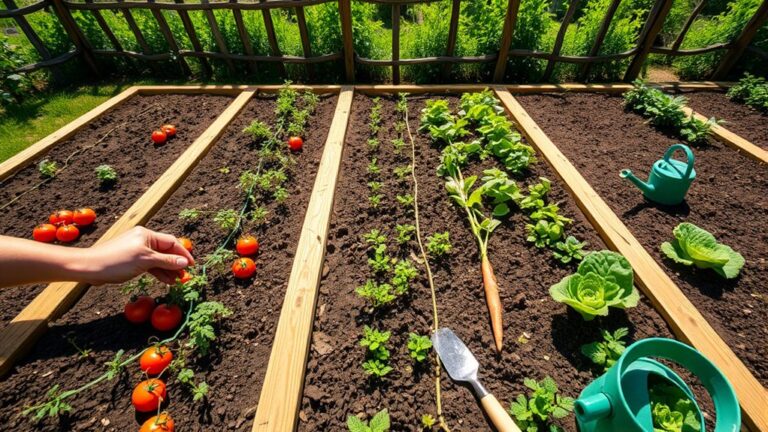
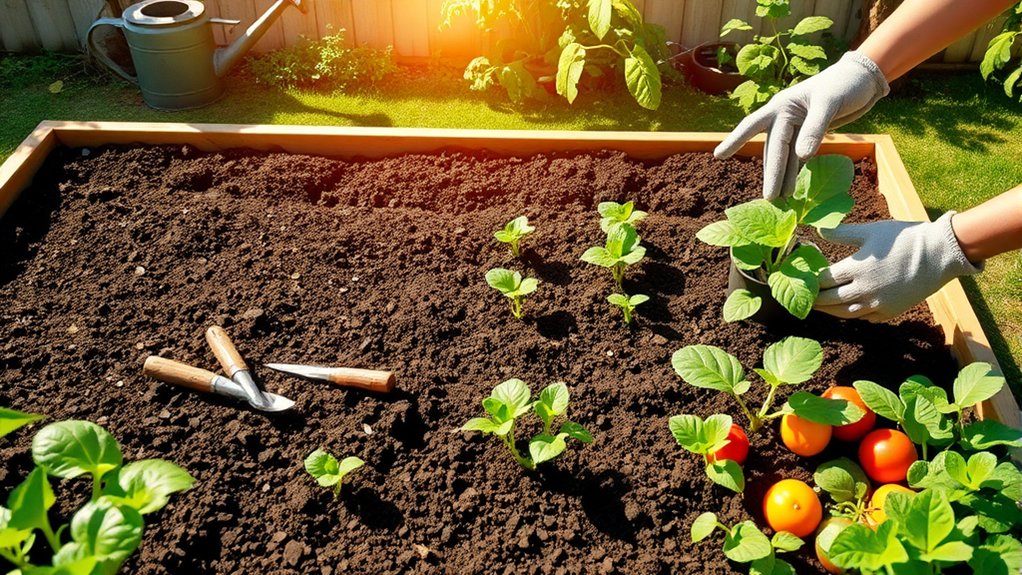
If your soil drains poorly or you need easier access, build a raised bed. Choose untreated wood or another food-safe material, and make the bed narrow enough to reach its center without stepping inside. Fill it with a blend of quality topsoil and compost.
For a patio or other small space, choose containers with drainage holes and enough capacity for the vegetables you selected. Use fresh potting mix rather than garden soil, which can become dense in pots.
Keep seed starting supplies nearby, and plan simple pest control, such as row covers, before problems appear.
Plant Vegetables at the Right Depth and Spacing
Plant each vegetable at the depth and spacing listed on its seed packet or plant label. Those depth guidelines account for how each seed sprouts and how much room a mature plant needs.
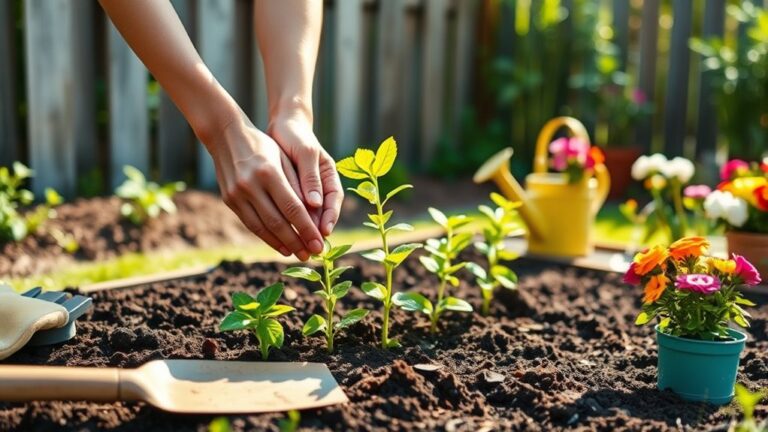
If you’re planting seedlings, set them at the same depth they grew in their pots, except for tomatoes, which can be planted deeper along the stem.
Check the spacing guidance before you arrange rows or groups. Crowded vegetables compete for light, nutrients, and room, while plants set too far apart leave garden space unused.
Measure distances between plants, not just between rows, and leave enough space to reach each one without stepping on the soil around it.
Sow small seeds thinly, then follow packet directions for thinning if seedlings emerge too close together. For large seeds, place them individually at the recommended intervals.
Mark each row with a label so you’ll remember what you planted and where. Keep varieties organized, especially when their seedlings look alike. Don’t rely on guesswork.
Water, Weed, and Check Your Plants
After planting, keep the soil evenly moist while seeds sprout and seedlings take root. Check the top inch of soil with your finger; if it feels dry, water slowly at the base of each plant.
Adjust your watering schedules for rainfall, heat, and soil type, and water early in the day to limit evaporation and leaf disease. Don’t rely on a rigid routine: your garden’s needs change as plants grow.
Pull weeds while they’re small, loosening their roots without disturbing vegetable roots. A thin layer of mulch can suppress new growth and help soil retain moisture.
Consistent weed management reduces competition for water and nutrients.
Inspect your plants often, including the undersides of leaves. Look for holes, spots, yellowing, or stunted growth, and remove damaged leaves when needed.
Check for pests and act promptly, using handpicking or a suitable treatment. Support tall plants, tie vines gently, and harvest ripe vegetables regularly to encourage continued production.
Frequently Asked Questions
How Can I Keep Rabbits and Other Pests Out of My Vegetable Garden?
Keep rabbits and other pests out by combining sturdy barriers with smart garden habits. Install rabbit proof fencing at least two feet high, and bury its bottom several inches to block digging. Cover young plants with row covers or mesh, and remove fallen produce, weeds, and hiding places regularly.
Try predator friendly deterrents, such as motion-activated sprinklers or scent repellents, and rotate methods when pests adapt. Check barriers often and repair gaps promptly.
What Tools Do Beginning Vegetable Gardeners Need?
You need a few reliable tools to start gardening; a hand trowel can dig planting holes just a few inches wide. For soil preparation, choose a sturdy spade or garden fork, plus a rake to smooth beds.
Add a hand cultivator, watering can or hose, and gloves. Many beginner toolkits bundle these essentials, helping you avoid unnecessary purchases.
You’ll also want pruners for harvesting and trimming, and a wheelbarrow for moving soil or compost around.
How Much Does It Cost to Start a Vegetable Garden?
You can start a small vegetable garden for about $50–$200, depending on your space, soil, and supplies. For budgeting for garden setup, count seeds, containers, soil preparation, and basic pests and tools.
Cost saving tips include reusing pots, starting from seed, and borrowing equipment. General garden planning helps you avoid overspending.
Indoor winter growing may add lighting costs, while harvest timing and crop choices affect how much value you’ll get from your garden.
Can I Grow Vegetables Indoors During Winter?
Yes, you can grow vegetables indoors during winter, especially leafy greens and herbs. A surprising fact: lettuce can mature in as little as 30 days, so you may harvest fresh leaves within a month.
Give plants six to eight hours of bright light daily. Indoor lighting from a grow light can fill the gap when windows provide too little sun.
Choose compact varieties, water consistently, and keep expectations realistic: winter yields may be modest, but rewarding.
When Should I Harvest Homegrown Vegetables?
Harvest homegrown vegetables when they reach the size, color, and firmness listed for their variety; check seed packets or plant labels for guidance. Your harvest timing affects taste and texture, so pick often and watch crops closely as they mature.
Many vegetables taste best during a short peak flavor window: harvest tomatoes when fully colored, lettuce while leaves are tender, and beans before seeds swell. Pick in the cool morning, and enjoy your produce promptly.
Conclusion
With the right spot, suitable vegetables, healthy soil, and careful planting, you’ve built a garden ready to grow. Keep watering, pulling weeds, and checking your plants for signs of trouble.
Don’t worry if everything isn’t perfect at first. Gardening takes practice, and each season teaches you something new. Before long, you could be harvesting enough fresh produce to feed a whole army.
Keep showing up, enjoy the process, and celebrate every tomato, leaf, and sprout your vegetable garden gives you.