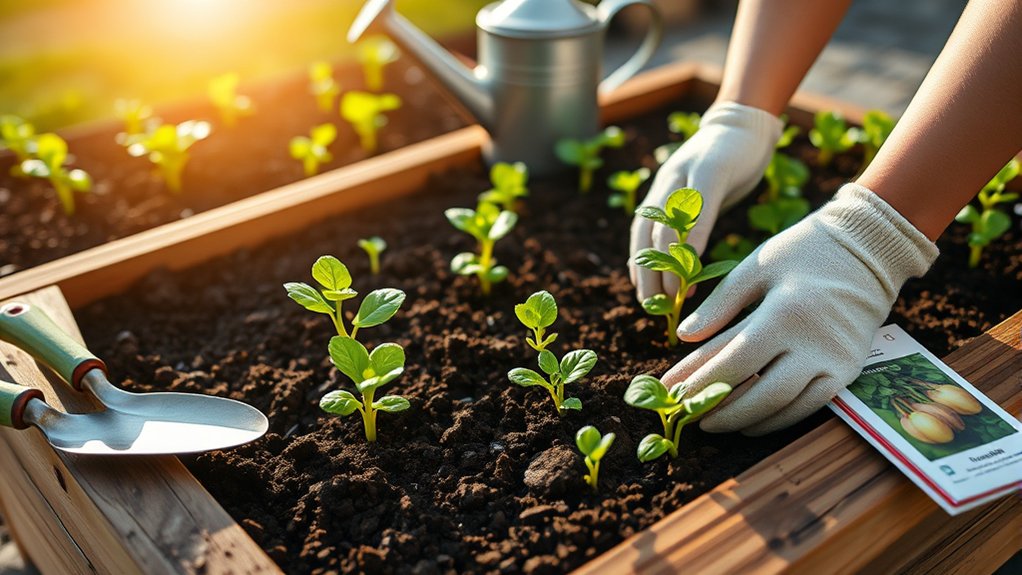
How to Start a Small Vegetable Garden in 5 Easy Steps
Starting a small vegetable garden can feel overwhelming when you’re unsure where to begin or worried you’ll choose the wrong plants. You’re not alone—many people struggle with getting their first garden started. This guide to how to start a small vegetable garden breaks the process into five easy steps.
First, choose a level spot near water that gets at least six hours of direct sun.
Next, pick crops suited to your light and space, such as compact tomatoes or shade-tolerant lettuce.
Test and loosen your soil, then mix in finished compost and gather basic tools.
Plant tender vegetables after the last expected frost, following spacing labels.
Water deeply when the top inch dries, and mulch to retain moisture. Keep going for helpful details on each step.
Key Takeaways
- Choose a level, well-drained spot near water that gets at least six hours of direct sunlight daily.
- Match vegetables to your space and sunlight; choose compact varieties and use trellises for climbing crops.
- Test and prepare the soil, remove weeds and debris, then mix in finished compost.
- Plant after the last expected frost, following spacing instructions and placing tall crops where they won’t shade shorter ones.
- Water deeply when the top inch of soil is dry; mulch, weed, and check plants regularly for pests or disease.
Choose a Sunny Spot for Your Small Vegetable Garden
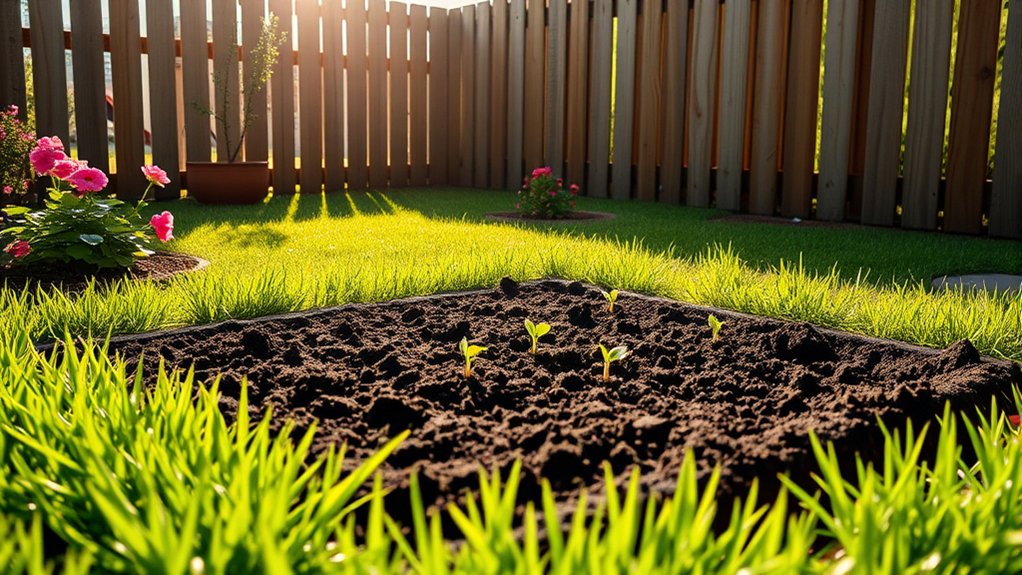
Choose a sunny spot for your small vegetable garden, ideally one that gets at least six hours of direct sunlight each day. Track the sun across your yard before you settle on a location. Buildings, fences, and trees can cast shadows that shift throughout the day, so check the area in the morning, at midday, and in the afternoon.
Good sunny spot considerations include easy access to water, level ground, and a location close enough to your home that you’ll remember to tend it. Make sure the site drains well after rain; standing water can damage roots and make gardening harder. If you’re planting near a wall or pavement, consider how reflected heat might affect the space.
Don’t assume a partly shaded corner will work just because it looks bright. Shade tolerance pitfalls can include confusing filtered light with direct sun or overlooking growing shadows as trees leaf out. Choose a consistently sunny location, and you’ll give your garden a strong start.
Pick Vegetables That Fit Your Space and Sunlight
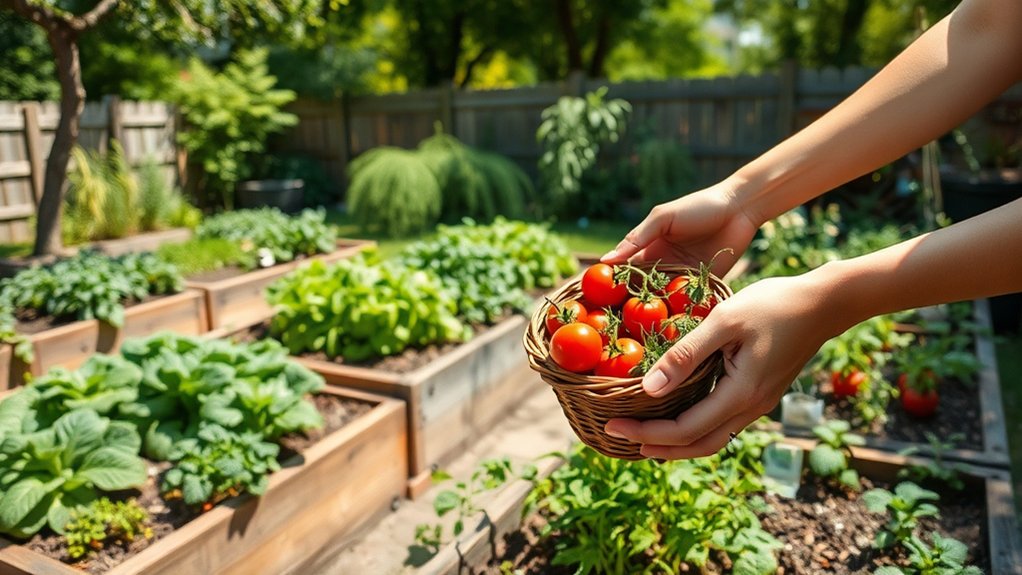
Once you’ve found a sunny spot, match your vegetables to its light and available space. Check how many hours of direct sun your garden gets, then choose crops that thrive in those conditions. Tomatoes, peppers, and cucumbers usually need at least six hours of sun. Leafy greens, such as lettuce and spinach, can manage with less, making them useful for partly shaded corners. Good Sunlight compatibility helps your plants grow well and produce a satisfying harvest.
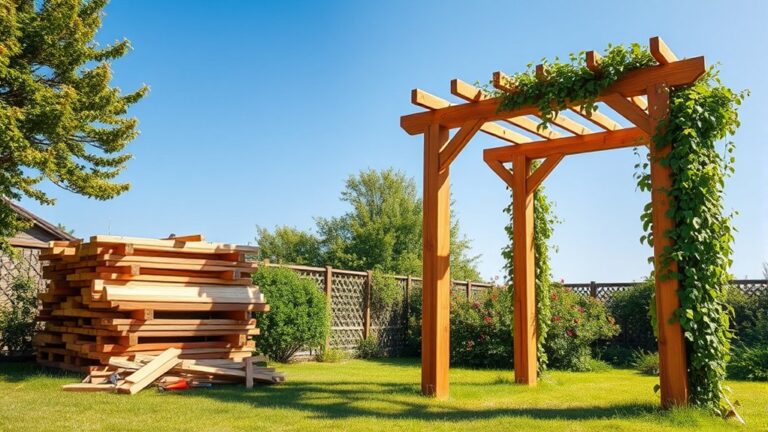
When Choosing vegetables, consider how much room each plant needs, too. Compact varieties of tomatoes, peppers, and bush beans suit containers or narrow beds. Radishes, carrots, and lettuce grow well in small areas and mature quickly. If you have vertical space, pole beans or cucumbers can climb a trellis instead of spreading across the ground. Read seed packets or plant labels to check mature size and spacing. Pick a few crops you enjoy eating, and avoid crowding your garden with more plants than your space can support. This keeps your choices manageable and gives each plant room to flourish.
Prepare Garden Soil and Gather Essential Supplies
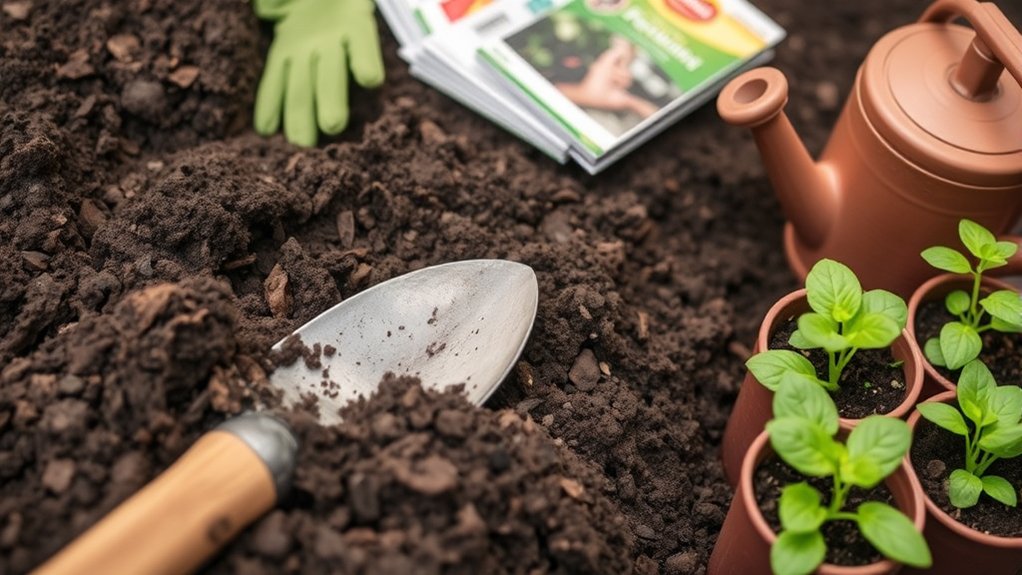
Good soil gives your vegetables a strong start, so prepare the bed before planting. Begin with soil testing to learn whether your garden’s pH and nutrient levels need adjustment. Your local extension service may offer affordable tests and explain the results.
Test your soil before planting to check its pH and nutrient levels, then follow your local extension service’s recommendations.
Follow its recommendations rather than adding amendments at random.
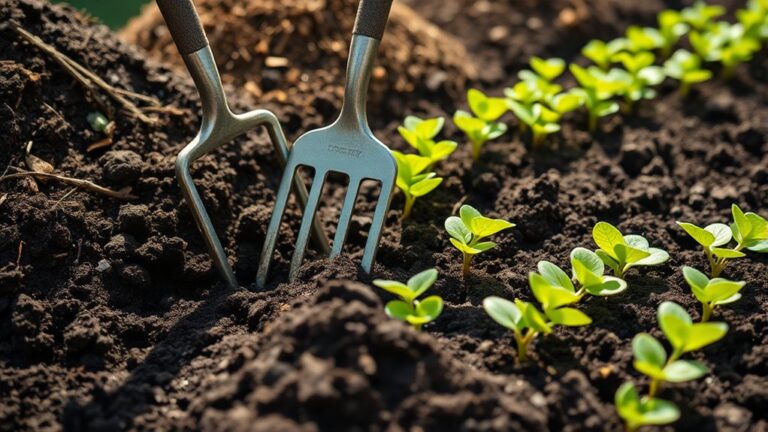
Clear weeds, rocks, and debris from the bed, then loosen the soil with a garden fork or spade. Mix in finished compost to improve texture and support healthy soil life.
For compost sourcing, check municipal programs, garden centers, or a trusted local supplier. Choose clean, mature compost without a strong odor.
Gather a few practical supplies: a hand trowel, gloves, a watering can or hose, and a sturdy rake. A measuring tape and plant labels can also help you organize the space.
Keep tools together in a dry spot so you can find them easily. Prepare the bed when the soil is workable, not soggy, to avoid compacting it.
Plant Your Small Vegetable Garden After Frost
With the bed prepared, wait until the last expected spring frost has passed before planting tender vegetables outdoors. Your local frost date offers a useful guide, but check the forecast, too; a late cold snap can damage young plants.
Good after frost timing gives tomatoes, peppers, cucumbers, and beans a warmer start. If you’re keen to begin, set out cold tolerant seedlings, such as kale or lettuce, earlier, provided the soil is workable and conditions suit them.
Before planting, arrange seedlings in their pots across the bed. This lets you picture spacing and adjust the layout before roots go in.
- Place tall tomatoes or trellised peas along the north side so they won’t shade shorter crops.
- Leave room between plants for mature leaves and fruit.
- Set each seedling at the depth recommended on its label.
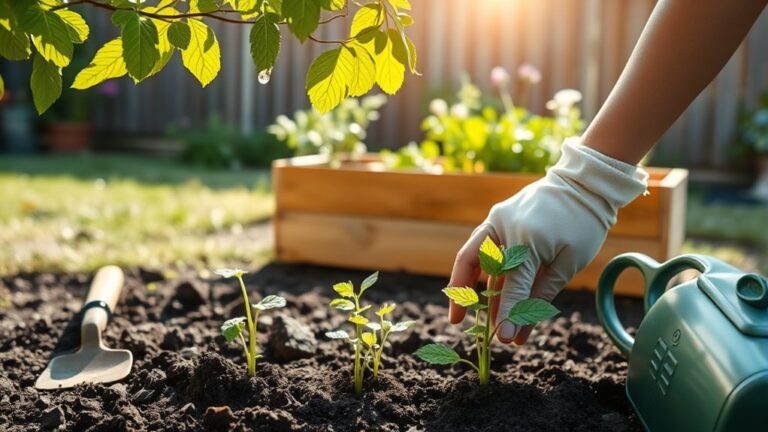
- Firm soil gently around roots, then remove pots and labels from the bed.
Plant on a mild, calm day, and handle stems carefully to avoid bruising.
Water and Care for Your Vegetable Garden
Water your garden deeply whenever the top inch of soil feels dry, aiming the stream at the soil rather than the leaves. This encourages roots to grow downward and helps prevent fungal problems. Check soil moisture with your finger, especially during hot, windy weather, when containers and raised beds can dry quickly. Water early in the morning so plants can absorb moisture before the sun heats the soil.
Build consistent watering routines, but adjust them for rainfall, temperature, and your plants’ needs. Avoid shallow, frequent sprinkles; they can leave roots thirsty near the surface. Add mulch around plants to slow evaporation, suppress weeds, and keep soil temperatures steady. Pull weeds as soon as you spot them, before they compete for water and nutrients.
Inspect leaves and stems regularly for pests, damage, or signs of disease. Remove unhealthy foliage, support tall plants, and harvest vegetables promptly. These simple habits help your garden stay productive and make problems easier to catch early. Each week, note what thrives and adjust care as needed.
Frequently Asked Questions
How Much Does It Cost to Start a Small Vegetable Garden?
You can start a small vegetable garden for about $50–$200, depending on its size and what you already own. Your cost estimate may be lower if you use containers, save seeds, or borrow tools; raised beds and new equipment can increase expenses.
For practical budgeting tips, set a spending limit and buy essentials first. Your equipment needs are simple, and starter supplies like soil, seeds, and compost often make up most of your initial cost.
Can I Grow Vegetables Indoors During Winter?
Yes, you can grow vegetables indoors during winter, even when outdoor beds lie dormant. Choose compact crops like lettuce, spinach, herbs, and microgreens, then give them bright indoor lighting or a grow light for 12–16 hours daily. Use containers with drainage, quality potting mix, and steady watering. For a winter succession, sow small batches every few weeks so you’ll keep harvesting fresh greens instead of facing a single, short-lived crop.
How Do I Keep Pets Out of My Vegetable Garden?
Keep pets out of your vegetable garden by blocking access and making beds less tempting. Install a sturdy fence with gaps too small for pets to squeeze through, or try fence alternatives such as raised beds, mesh covers, or decorative barriers.
Use pet proofing strategies like motion-activated sprinklers and secure gates. Give dogs a designated digging area, and remove tempting toys or food. Avoid harmful repellents, and supervise pets while they’re outside.
Are Container Gardens Suitable for Apartment Balconies?
Absolutely—your balcony can become a tiny garden powerhouse! Container gardens suit apartment balconies when you choose pots that fit your space and plants that match its sunlight. Check the balcony’s weight limits, and use drainage trays to protect the floor.
Consider apartment wind exposure: secure lightweight containers and shield delicate plants from gusts. For strong container balcony viability, start with compact herbs, leafy greens, or cherry tomatoes, then adjust watering as conditions change.
How Can I Preserve Vegetables After Harvesting?
You can preserve vegetables by refrigerating, freezing, drying, pickling, or canning them, depending on the crop. Wash produce only when you’re ready to use it, and remove damaged pieces before storage.
For root vegetable storage, keep carrots, beets, and potatoes cool, dark, and well ventilated; separate potatoes from onions. Blanch vegetables before freezing to protect their flavor and texture.
If you want seed saving ideas, let healthy plants mature fully and dry their seeds before storing them.
Conclusion
With a sunny spot, suitable vegetables, prepared soil, and careful timing, you’ve laid the groundwork for a thriving small garden. Keep watering consistently, watch for pests, and harvest when your crops are ready.
Don’t worry if every plant doesn’t flourish; gardening is a learning process, and each season teaches you something new. Start with a few favorites, enjoy the progress, and let your garden grow alongside your confidence.
Before long, you’ll taste the rewards of your care, one fresh harvest at a time. Starting a small vegetable garden is a rewarding way to enjoy fresh produce and build confidence season by season.