How Do You Plant a Vegetable Garden in 7 Easy Steps
Starting a vegetable garden can feel overwhelming when you’re unsure where to begin or worried your plants won’t thrive. You’re not alone—many people struggle to turn a patch of yard into a productive garden. This guide to how to plant a vegetable garden in 7 easy steps makes getting started simple.
To plant a vegetable garden in seven easy steps, choose a level spot with six to eight hours of sunlight, then pick vegetables suited to your space and growing season. Measure and map beds, allowing paths and proper spacing. Remove weeds and debris, loosen the soil, and mix in compost. Plant seeds or seedlings at the recommended depth. Water gently and add mulch. Weed, check for pests, and harvest vegetables when ripe; a few details can help each step go smoothly.
Key Takeaways
- Choose a level, well-drained spot that receives six to eight hours of direct sunlight daily.
- Select vegetables suited to your space, local growing season, and expected frost dates.
- Measure and sketch beds, leave accessible paths, and space crops according to seed-packet instructions.
- Remove weeds and debris, loosen the soil, and mix in finished compost; use a soil test to guide amendments.
- Plant seeds or seedlings at the recommended depth and spacing, then water gently, mulch, and monitor regularly.
Choose a Sunny Spot for Your Vegetable Garden
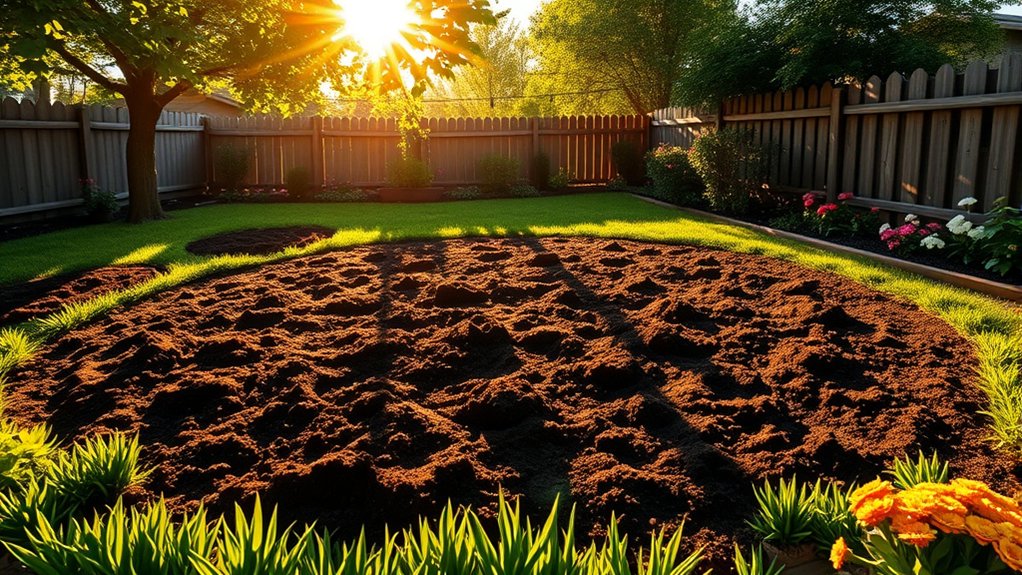
Choose a spot that gets at least six to eight hours of direct sunlight each day, since most vegetables need plenty of light to grow well. A sunny spot helps your plants produce strong stems, healthy leaves, and abundant harvests.
Choose a sunny spot with six to eight hours of direct light to help vegetables grow strong and produce abundant harvests.
Watch how light moves across your yard before you settle on a location. Buildings, fences, and trees can cast shadows that change throughout the day, so check the area at different times.
Pay attention to sunlight exposure during the growing season, too. Nearby trees may leaf out and block light later, while low winter sun can make a space seem brighter than it’ll be in summer. If you’re planting near a wall or fence, notice whether it reflects heat; intense warmth can dry soil quickly.
Choose level ground when possible, since it’s easier to tend and water evenly. Avoid spots where water routinely pools after rain, as soggy ground can harm roots. A little observation now helps you choose a location that supports healthy growth.
Pick Vegetables for Your Space and Season
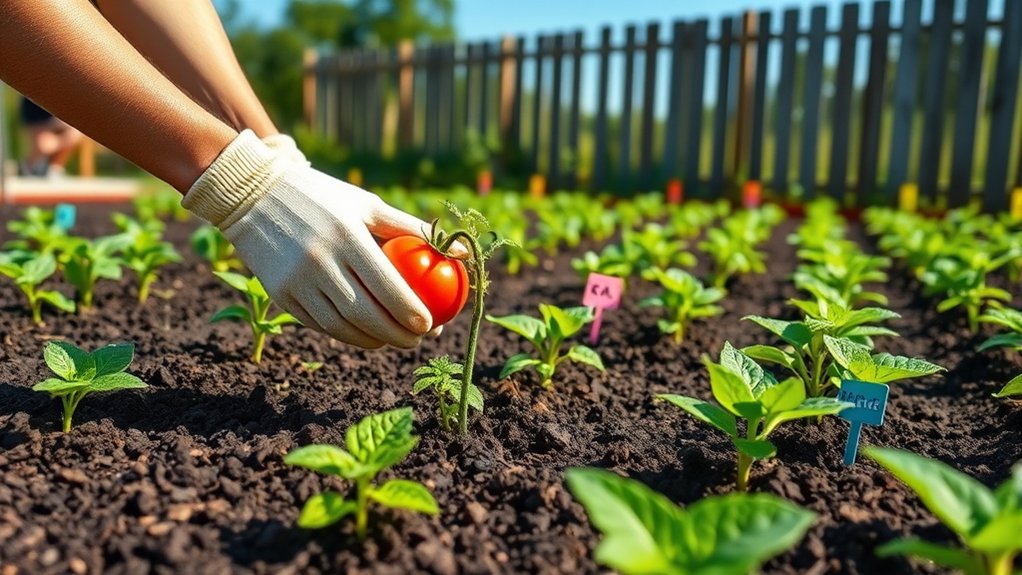
What you grow should fit both your garden’s size and your local growing season. Start by choosing vegetables you enjoy eating, then check how much room each plant needs and how long it takes to mature. Compact crops, such as lettuce, radishes, and bush beans, suit smaller gardens. If you have more room, you can consider larger plants like squash or tomatoes.
Next, compare your region’s frost dates with each vegetable’s recommended planting and harvest times. A crop that matures quickly may work well in a short summer, while heat-loving vegetables need warm weather. Look for climate compatibility on seed packets or in a trusted local planting guide.
Choose a seed variety suited to your conditions, since varieties of the same vegetable can differ in maturity time and temperature tolerance. If you’re unsure, ask a nearby garden center or extension service which crops thrive locally. Picking suitable vegetables now helps you enjoy a healthier harvest without fighting your space or season.
Plan Garden Beds and Space Your Plants
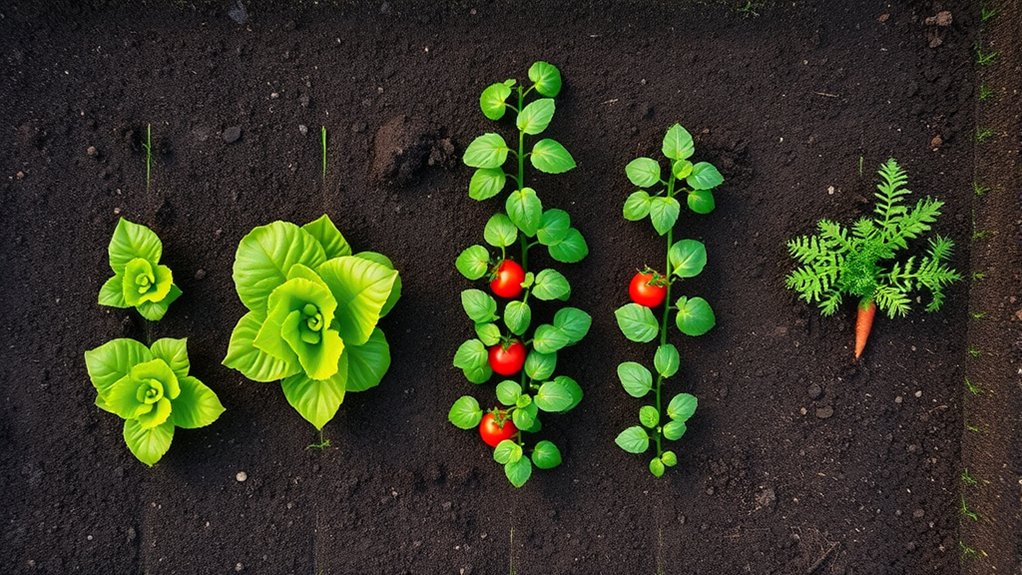
Before planting, map out beds that fit your space and give each crop room to grow. Measure your garden, note sunny areas, and sketch a bed layout that leaves paths wide enough for easy access. Good space planning helps you reach every plant without stepping on growing areas.
| Crop | Spacing | Bed position |
|---|---|---|
| Lettuce | 6–10 inches | Front edge |
| Tomatoes | 24–36 inches | Back or trellis |
| Carrots | 2–3 inches | Open rows |
Use seed-packet spacing as your guide, since varieties can differ. Put tall crops on the north side so they won’t shade shorter plants.
Group crops with similar light and watering needs, and leave room for supports or spreading leaves. If you’re planting in containers, check each plant’s mature size and choose pots that won’t crowd neighboring plants.
Mark rows and paths on your sketch before you plant. You’ll avoid cramped beds and make harvesting simpler. Adjust the plan to fit your available space, rather than squeezing in more crops than it can comfortably hold.
Improve Your Soil Before Planting
Once your bed layout is set, check the soil to give your vegetables a healthy start. Remove weeds, rocks, and debris, then loosen the top several inches with a garden fork. Avoid working wet soil; it can compact and form hard clumps.
Assess your soil’s texture by squeezing a handful. If it stays sticky and dense, mix in organic matter to improve drainage. If it feels gritty and dries quickly, add organic matter to help retain moisture.
A soil test can reveal pH and nutrient levels, so you can choose suitable soil amendments instead of guessing. Follow the test’s recommendations, and don’t add fertilizer or lime without a clear need.
Spread a layer of finished compost over the bed and blend it into the surface. You’ll enjoy composting benefits such as better soil structure and gradual nutrient release.
If you don’t make your own, use clean, mature compost from a reliable source. Rake the bed level, and keep the soil lightly moist until planting.
Plant Seeds or Seedlings at the Right Depth
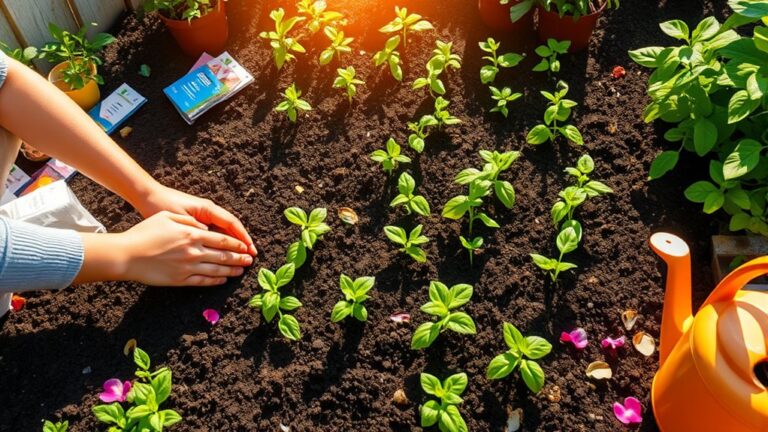
Plant seeds or seedlings at the depth listed on the seed packet or plant label; planting too deep can delay growth, while planting too shallow can leave roots exposed. Check each crop’s instructions, since seed depth varies by vegetable.
Small seeds often need only a light covering of soil, while larger seeds can go deeper. If you’re unsure, follow the packet rather than guessing.
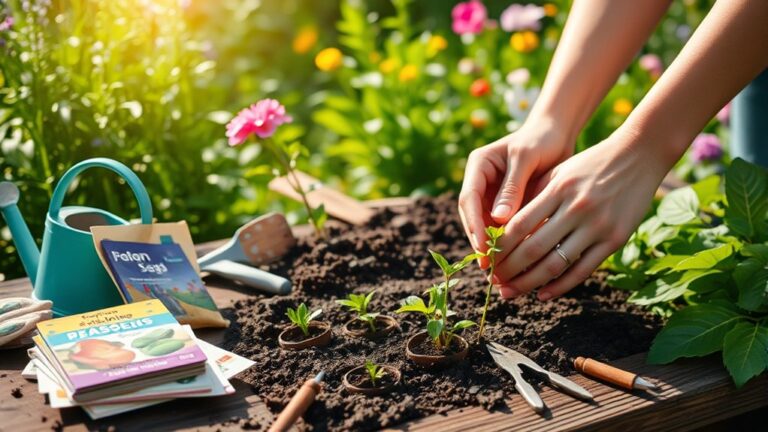
For seedlings, make a hole just deep enough to cover the roots and support the plant. Set each one upright, then gently firm the soil around its base.
Keep the stem at the same level it grew in its container, unless the label recommends otherwise. Give every plant enough room by following the suggested seedling spacing.
Proper spacing helps your vegetables develop without crowding and makes it easier to reach them as they grow. Label rows or planting spots so you can identify each crop later.
Take care not to disturb nearby seeds or young plants as you work.
Water Your Garden and Add Mulch
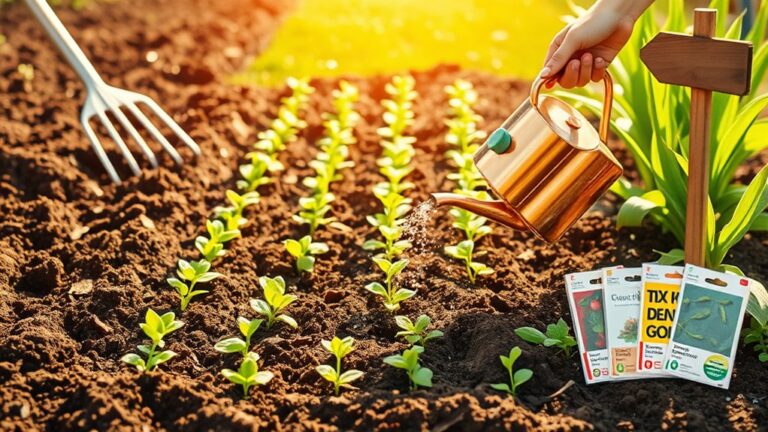
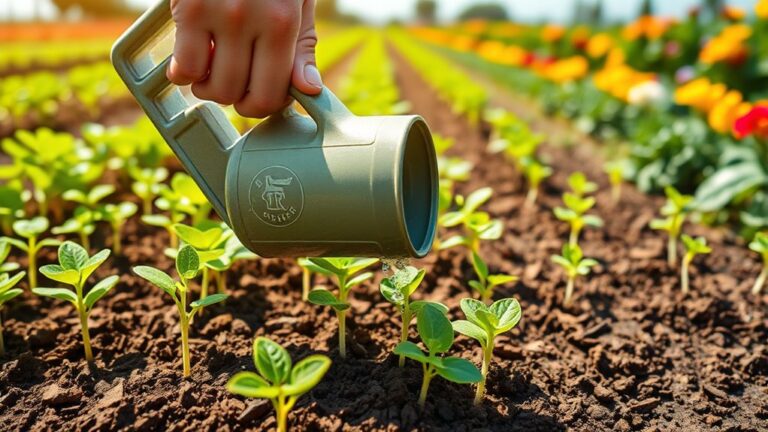
After planting, water the soil gently to settle it around the seeds and roots without washing them away. Keep the soil evenly moist as seedlings establish, then adjust your watering schedule to suit the weather, soil, and vegetables.
Water near the soil in the morning so roots can absorb moisture before the day heats up. Check moisture by touching the soil; if the surface feels dry, water deeply rather than sprinkling lightly.
| Garden condition | What you can do |
|---|---|
| Sunny, warm days | Water more often |
| Cool, cloudy days | Check soil before watering |
| Sandy soil | Water in smaller, frequent amounts |
| Clay soil | Water slowly and less often |
Add mulch strategies to conserve moisture and moderate soil temperature. Spread a thin layer of clean straw, shredded leaves, or untreated grass clippings around plants, leaving space around stems.
Keep mulch loose, and avoid piling it against young seedlings. As plants grow, you can add more mulch to maintain an even cover.
Weed, Check for Pests, and Harvest Your Vegetables
Pull weeds regularly so they don’t compete with your vegetables for water and nutrients. Also, check your plants often for pests and act quickly if you spot any. When your vegetables reach peak ripeness, harvest them for the best flavor.
Remove Weeds Regularly
Keep weeds from competing with your vegetables for water, light, and nutrients by removing them regularly. Walk through your garden once or twice a week, and pull young weeds before their roots spread or they produce seeds.
A consistent weeding schedule makes the task quicker and keeps unwanted plants from taking over. Weed after rain or watering, when damp soil lets you lift roots more easily.
For weeds near vegetable stems, use your fingers or a hand fork, working gently so you don’t disturb crop roots. Hoe open spaces shallowly to cut weeds without bringing buried seeds to the surface.
Add a layer of straw, shredded leaves, or untreated grass clippings to suppress new growth. Check mulch effectiveness often, and replenish thin spots.
Place pulled weeds in compost only if they haven’t gone to seed.
Check for Pests
Check your vegetables regularly for pests, which can damage leaves, stems, and fruit before you notice a problem. Inspect both sides of leaves, along stems, and around young growth.
Look for holes, sticky residue, eggs, or discolored patches, and check plants in the morning when pests are easier to spot.
- Handpick larger insects, such as caterpillars and beetles, and drop them into soapy water.
- Remove damaged leaves and clear fallen plant debris to reduce hiding places.
- Encourage beneficial insects, such as ladybugs, by planting flowers nearby and avoiding broad-spectrum pesticides.
For effective pest prevention, identify the insect before taking action; some visitors help control harmful pests.
If damage continues, use a targeted treatment labeled for vegetables and follow its directions carefully. Recheck affected plants over the next few days, and adjust your approach if the problem persists.
Harvest at Peak Ripeness
When vegetables reach peak ripeness, harvest them promptly to enjoy their best flavor and encourage continued production. Check each plant regularly, since harvest timing varies by crop and weather.
Pick tomatoes when they’re fully colored and slightly soft, but harvest leafy greens while their leaves remain tender. Snap beans before their seeds swell, and pull root vegetables when they reach the size listed on the seed packet.
Use clean scissors or garden shears for delicate stems, and avoid tugging plants that could damage roots. Harvest in the cool morning when possible, then bring produce indoors quickly.
If you’re unsure, taste a small sample and look for the crop’s expected color, size, and texture. Frequent picking often encourages more growth, so don’t leave ripe vegetables on the plant. Check again tomorrow.
Frequently Asked Questions
Do I Need a Permit to Start a Vegetable Garden?
You usually don’t need a permit to start a small vegetable garden on your property. However, local rules vary, and permits may be required if you build raised structures, install irrigation, or sell produce.
Check zoning restrictions, especially if you rent, live in a homeowners association, or plan to garden in a front yard. Contact your city or county planning office before you begin. They can explain the requirements and help you avoid fines.
Can I Grow Vegetables in Containers Indoors?
Yes, you can grow vegetables in containers indoors—and the right setup may surprise you. Start with compact crops like lettuce, spinach, herbs, or cherry tomatoes, then choose pots with drainage holes. Your container setups should match each plant’s root depth and size. Give crops plenty of indoor light: place them near a sunny window or use a grow light for 12–16 hours daily. Water when the soil’s surface feels dry, and watch new growth appear.
What Gardening Tools Should a Beginner Buy?
For your beginner tool selection, buy a sturdy hand trowel, pruning shears, gardening gloves, a watering can or hose, and a small hand fork. This essential gear list covers digging, trimming, watering, and protecting your hands without cluttering your shed.
Choose comfortable, durable tools that fit your grip, and start with just these basics. You can add a hoe, spade, or wheelbarrow later if your garden’s size or tasks call for them.
How Much Does It Cost to Start a Vegetable Garden?
You can start a vegetable garden for about $50–$300, depending on its size and what you already own. Picture a few seed packets, dark soil, and a sunny patch becoming a harvest; that modest beginning may cost under $50 if you reuse containers and tools.
Your cost considerations include soil, seeds or seedlings, compost, and watering supplies. With careful budget planning, you can begin small, grow easy crops, and add supplies as your garden expands.
Can Children Safely Help With Vegetable Gardening?
Yes, children can safely help with vegetable gardening when you match tasks to their age and supervise them closely. For child safety in garden activities, give kids child-sized tools, teach them to handle plants gently, and keep fertilizers, pesticides, sharp tools, and poisonous plants out of reach.
Supervising kids while gardening helps you prevent accidents and spot hazards. Encourage handwashing after gardening, and don’t let children taste unfamiliar plants or produce before you’ve washed it.
Conclusion
You’ve now got the basics to plant a vegetable garden, from choosing a sunny spot to harvesting your first crops. Start small, follow seed-packet directions, and adjust as you learn what grows well in your space.
Gardening can be rewarding even before harvest. Research suggests spending time in green spaces may help reduce stress. Keep tending your plants, and you’ll soon enjoy fresh vegetables you’ve grown yourself, one small step at a time.