How to Start a Garden From Scratch in 5 Simple Steps
Starting a garden from scratch can feel overwhelming, especially when you’re unsure where to begin or what supplies you need. You’re not alone—many new gardeners struggle to choose the right spot, prepare the soil, and pick plants that will thrive. The right products can make the process easier and help you enjoy your first growing season.
To start a garden from scratch, choose a level spot with at least six hours of sunlight, good drainage, and easy water access. Pick plants suited to your climate, season, and available space.
Clear the bed, loosen workable soil, test it, and add finished compost, or use draining containers with potting mix. Plant seeds or starts at the right time, following spacing and depth instructions.
Water consistently, mulch, weed, and check plants regularly. A few practical tips can help you get started with confidence.
Key Takeaways
- Choose a sunny, level spot with good drainage, convenient water access, and room to work.
- Select manageable plants suited to your climate, frost dates, season, and available space.
- Clear the area, loosen workable soil, test it, and mix in finished compost. Use draining containers and potting mix for container gardens.
- Plant seeds or seedlings at the right time, following packet directions for depth and spacing.
- Water consistently, mulch around plants, and regularly weed, inspect, and harvest.
Choose a Spot to Start Your Garden
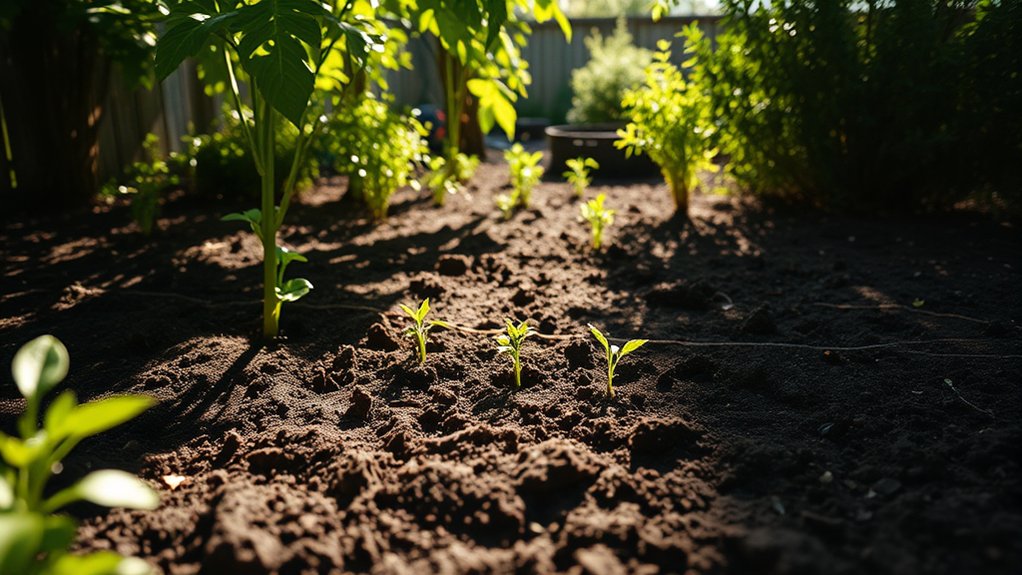
Start by choosing a spot that gets at least six hours of direct sunlight each day. Watch how light moves across your yard, and note any trees, fences, or buildings that cast shade. A little morning shade may be fine, but avoid areas with too much shady sun exposure if you want most plants to thrive.
Next, check the ground after rain. Choose a level area where water drains well, rather than collecting in puddles or running downhill. Poor drainage can leave roots waterlogged, while a steep slope may wash soil away. Keep your garden away from downspouts and places where runoff causes disruptive irrigation or erosion.
Make sure you can reach the spot easily from your home and a water source. You’ll be more likely to tend your garden if it’s convenient to visit. Leave enough room to walk around beds, carry tools, and access plants without stepping on the soil. Before digging, locate buried utility lines and consider how much space you can maintain comfortably.
Pick Plants for Your Climate and Season
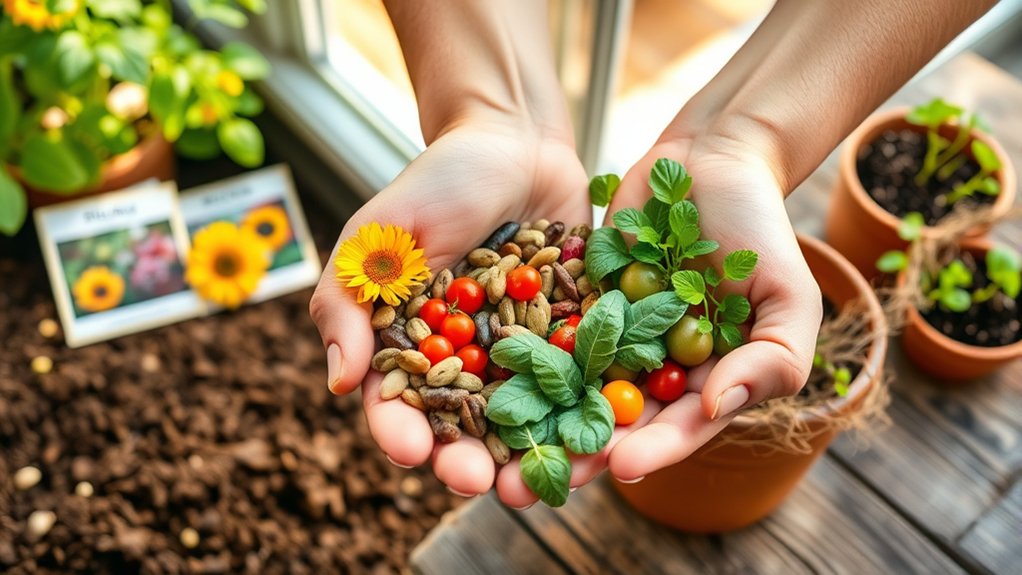
Once you’ve chosen a sunny, accessible spot, pick plants suited to your local climate and the season. Check your region’s hardiness zone and average frost dates to learn which plants can thrive outdoors and when to sow or transplant them. Your local extension service or seed packets can help you choose varieties suited to your area.
Match plants to the months ahead. Cool-season crops, such as lettuce and peas, grow best in spring or fall, while tomatoes and peppers need warm weather. If your growing season is short, choose fast-maturing varieties; in hot regions, look for plants that tolerate heat.
Consider microclimate awareness, too: nearby walls, shade, wind, and slopes can make your garden warmer, cooler, or drier than the surrounding area. Finally, check soil compatibility by selecting plants that suit your site’s typical conditions. Choose a manageable mix of vegetables, herbs, or flowers you’ll enjoy tending, and note each plant’s spacing and mature size before buying.
Prepare Your Soil, Bed, or Containers
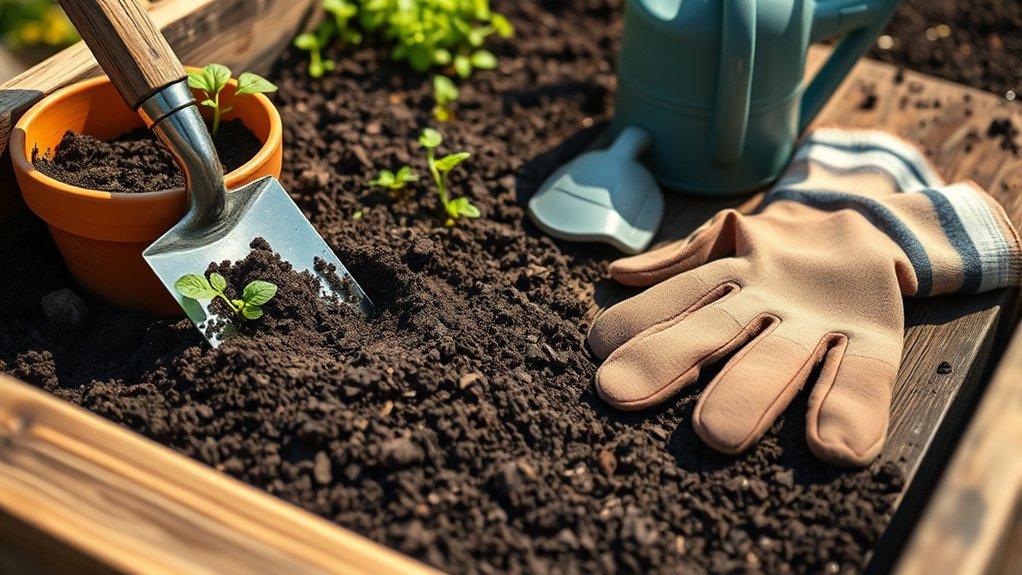
Good soil gives your plants a strong start, so prepare the ground before planting. Clear your bed of weeds, rocks, and debris, then loosen the soil with a fork or spade. Don’t dig when it’s soggy; working wet soil can compact it and hinder roots.
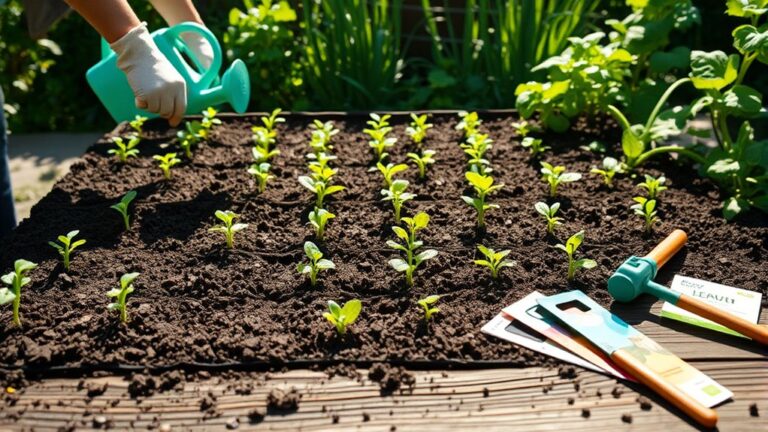
Prepare your planting bed by clearing debris and loosening the soil, but avoid digging when it’s wet.
Check your soil testing options through a local extension service or a home kit. Results can show whether you need to adjust the pH or add nutrients. Mix in finished compost to improve texture and support healthy growth, following test recommendations rather than adding fertilizer blindly.
For raised beds, fill them with a quality garden mix that drains well. If you’re growing in pots, focus on container sizing: choose containers with drainage holes and enough room for mature roots. Use potting mix, not dense garden soil, which can hold too much water in a pot.
Water the prepared soil lightly to settle it, and smooth the surface before you plant. Don’t pack it down; roots need air and space.
Plant Seeds or Starts at the Right Time
When should you plant? Your local frost dates and each crop’s needs guide seed timing. Check the seed packet for sowing instructions, then match them to your region’s last spring frost. Cool-season crops, such as peas and lettuce, can often go in earlier; tender tomatoes and peppers need warmer conditions.
| What you’re planting | When to plant |
|---|---|
| Cool-season seeds | Before the last frost |
| Tender seeds | After frost danger passes |
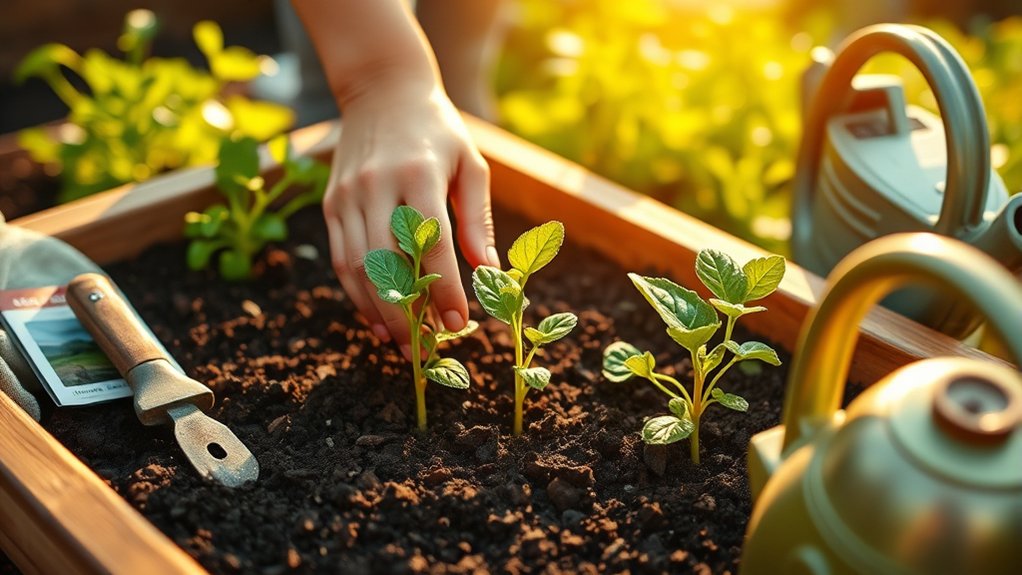
Starting indoors gives you a head start, but don’t rush seedlings outside. Gradually expose them to outdoor conditions over seven to ten days. This process is called seedling hardening.
Begin with a short stay in a sheltered, shady spot, then increase their time outdoors and sunlight. This careful transition helps protect the young plants you’ve nurtured from shock.
If a cold snap threatens, wait. Planting on the right day can save your seedlings and give your garden a stronger start. Follow spacing and depth on the packet, and label each row so you’ll remember what you planted.
Water, Mulch, and Care for Your Garden
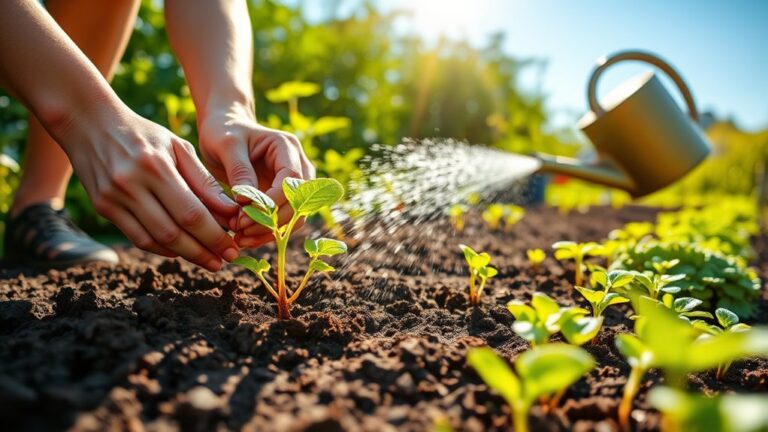
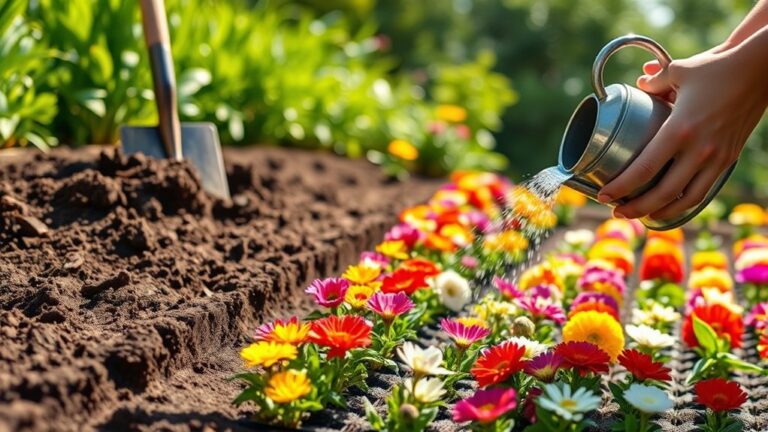
After planting, keep the soil consistently moist—not soggy—while roots take hold. Check soil moisture with your finger; water when the top inch feels dry. Aim water at the base of each plant in the morning, so leaves dry before evening and less water evaporates. For water conservation, use a watering can, drip line, or collected rainwater.
Keep soil moist, not soggy; water at the base when the top inch feels dry.
Spread a two-inch layer of straw, shredded leaves, or untreated wood chips around plants, leaving space around stems. These mulch benefits include steadier moisture, fewer weeds, and cooler soil. Refresh the layer as it thins, and pull weeds before they set seed.
Build simple care routines that help you spot trouble early:
- Look under leaves for pests or discoloration.
- Remove weeds while they’re small.
- Tie tall plants to stakes before they lean.
- Harvest ripe produce promptly.
- Trim damaged leaves with clean shears.
After heavy rain, check for pooling and improve drainage if needed. Adjust watering during heat or dry spells, and avoid soaking foliage. Your steady attention will help plants establish, grow, and produce through the season.
Frequently Asked Questions
How Much Does It Cost to Start a Garden?
Starting a garden typically costs $50–$300, depending on its size, location, and supplies. You might spend $20–$60 on seeds or starter plants, $20–$100 on soil and compost, and $10–$50 on basic tools. Containers, fencing, or irrigation can add more.
For accurate cost estimates, list what you already own and compare local prices. Careful budget planning helps you begin small, grow gradually, and avoid unnecessary purchases during your first season.
What Tools Do Beginner Gardeners Need?
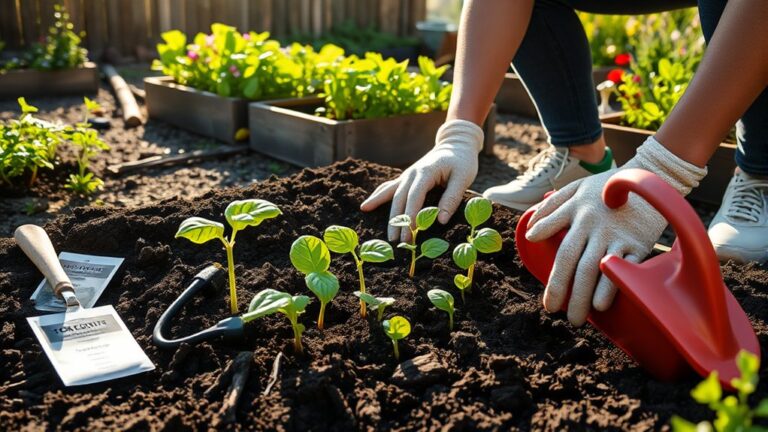
You don’t need a shed full of gear to begin gardening, but the right few tools can reveal what your plants need before trouble takes root. Start with gloves, a hand trowel, pruning shears, and a watering can or hose with a gentle nozzle. Add a sturdy shovel for larger beds and a rake for leveling soil. For seed starting, use trays and labels; a soil test kit helps you protect soil health.
How Can I Keep Pests Out of My Garden?
Keep pests out by combining barriers, healthy plants, and regular checks. Cover vulnerable crops with lightweight row fabric, install collars around seedlings, and handpick insects when you spot them.
Use pest proofing methods such as sealing gaps in raised beds and removing hiding places like weeds and debris. Try companion planting with herbs or flowers that attract beneficial insects.
Water consistently, rotate crops, and avoid broad-spectrum pesticides that can harm pollinators and natural predators.
Is Gardening Safe for Pets and Children?
Yes, gardening can be safe for pets and children when you plan carefully. For key safety considerations, choose nontoxic plants, store fertilizers and tools securely, and avoid pesticides that could harm kids and animals.
Teach children not to eat plants or soil, and supervise them around water, sharp tools, and compost. Keep pets away from treated areas until products are safe.
Check plant labels and consult a veterinarian or poison control if exposure occurs.
How Do I Preserve Extra Produce?
You can preserve extra produce by freezing, canning, drying, pickling, or fermenting it. Choose preservation methods based on the food and how you’ll use it; follow tested canning instructions to prevent spoilage.
For seasonal storage, keep suitable crops like potatoes, onions, and winter squash in cool, dark, dry conditions. Refrigerate delicate produce, and freeze ripe fruit or vegetables promptly.
Label containers with contents and dates, then use older supplies first to reduce waste.
Conclusion
You’ve got everything you need to start a garden from scratch: a sunny spot, plants suited to your climate, prepared soil, good timing, and steady care. Don’t worry if every seed doesn’t sprout or every leaf looks perfect.
Gardening is a conversation with nature, and you’ll learn as you go. Water your plants, protect the soil with mulch, and give each new shoot room to grow.
Before long, your small patch will reward your patience with color, flavor, and life. With these steps, you’ll know how to start a garden from scratch and enjoy watching it thrive.