How Do I Plant a Vegetable Garden in 3 Simple Steps
Starting a vegetable garden can feel overwhelming when you’re unsure where to begin or which tools will make the job easier. You’re not alone—many people struggle to get their first garden growing. This guide to how to plant a vegetable garden in 3 simple steps will help you get started.
Planting a vegetable garden takes three steps. First, choose a spot that gets at least six hours of direct sun, then plan crops that fit your space, meals, and local climate.
Next, clear weeds and rocks, loosen the top 8–12 inches of soil, and mix in finished compost before planting vegetables according to their spacing needs.
Finally, water deeply when the soil begins to dry, pull weeds while they’re small, and check plants for pests. A few simple tips can help your garden thrive.
Key Takeaways
- Choose a sunny spot with at least six hours of direct light, then decide what to grow based on your space, climate, and meals.
- Sketch a simple layout, check plant spacing, place tall crops where they won’t shade shorter ones, and leave paths for access.
- Start with a few easy vegetables, label rows or containers, and expand as you gain experience.
- Remove weeds and rocks, loosen the top 8–12 inches of soil, and mix in finished compost.
- Water deeply when the top inch of soil is dry, mulch to conserve moisture, pull weeds early, and check plants regularly for pests.
Choose a Sunny Spot and Plan Your Vegetable Garden
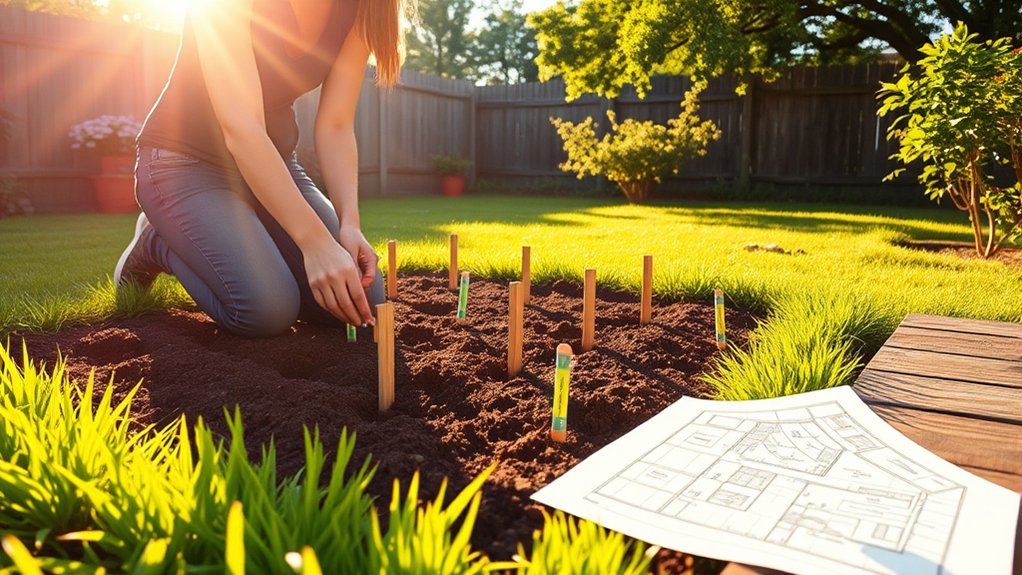
Choose a sunny spot that gets at least six hours of direct sunlight each day, since most vegetables grow best with plenty of light. Watch the area throughout the day to see whether trees, fences, or buildings cast shade. If you have limited space, consider a sunny patio or balcony where you can place containers.
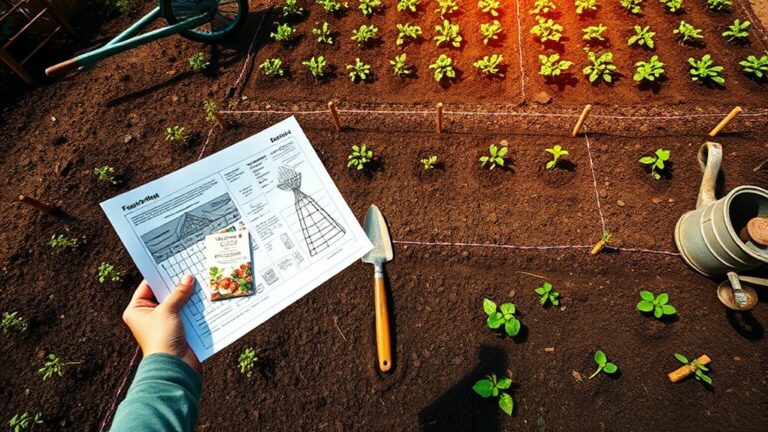
Next, decide what you’d like to grow based on your meals, available space, and local climate. Check plant labels or a gardening guide to learn how much room each vegetable needs. Thoughtful seed spacing helps you plan beds without overcrowding, while companion planting can help you arrange compatible crops near one another. Sketch a simple garden map, marking each bed, container, and planned crop.
Keep taller plants, such as tomatoes or corn, where they won’t block sunlight from shorter crops. Leave clear paths so you can reach every plant comfortably. If you’re new to gardening, start with a few varieties and expand your plan as you gain experience. You’ll find it easier to care for a garden that suits your space and schedule.
Prepare Soil and Plant Easy-to-Grow Vegetables
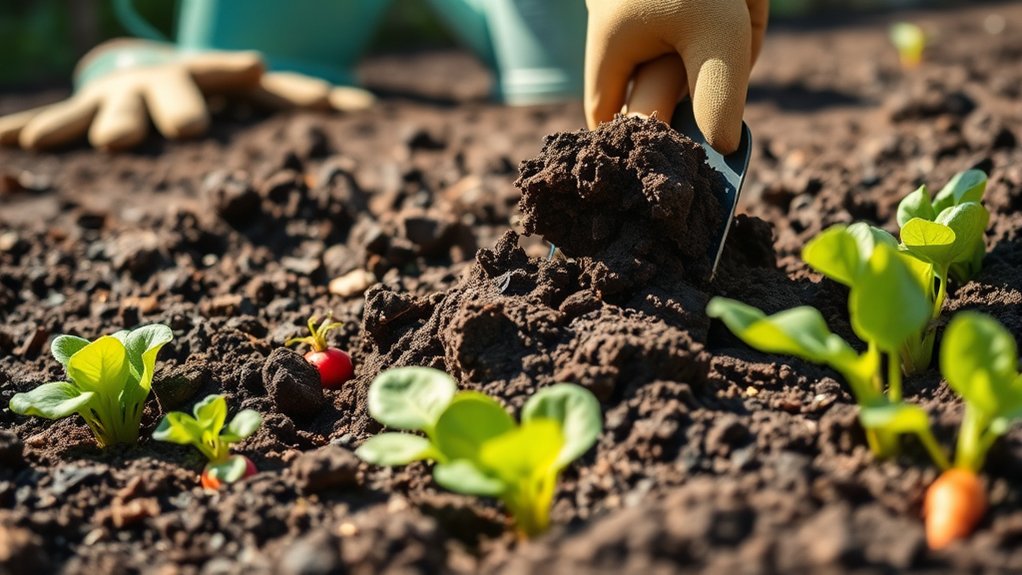
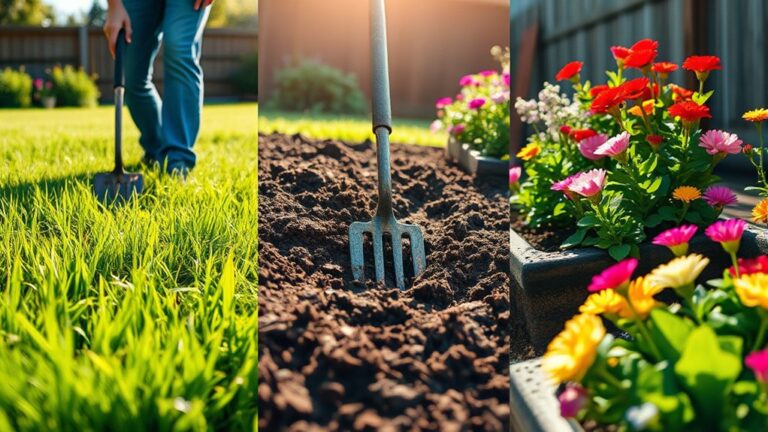
Once you’ve mapped your garden, prepare the soil so roots can grow and absorb nutrients. For effective soil preparation, remove rocks and weeds, then loosen the top 8–12 inches with a garden fork.
Mix in finished compost to improve texture and add organic matter. If you’re unsure about fertility, use a soil test to guide amendments rather than guessing.
Choose reliable vegetables that suit your space and season. These beginner-friendly options offer varied harvests:
| Vegetable | Planting tip |
|---|---|
| Lettuce | Sow shallowly in rows |
| Radishes | Space seeds about 2 inches apart |
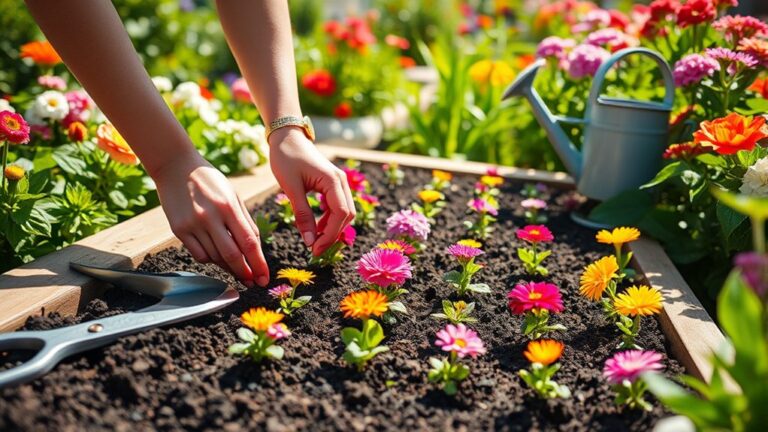
Follow each seed packet’s depth and spacing instructions, and label your rows so you can identify what you planted. You can also set out healthy tomato or pepper seedlings after your area’s last frost.
Protect young plants with simple barriers when needed. Thoughtful pest management starts with prevention, such as choosing sturdy varieties and keeping plantings appropriately spaced. Avoid crowding, which can limit airflow and make plants harder to manage.
Water, Weed, and Check Your Vegetable Garden for Pests
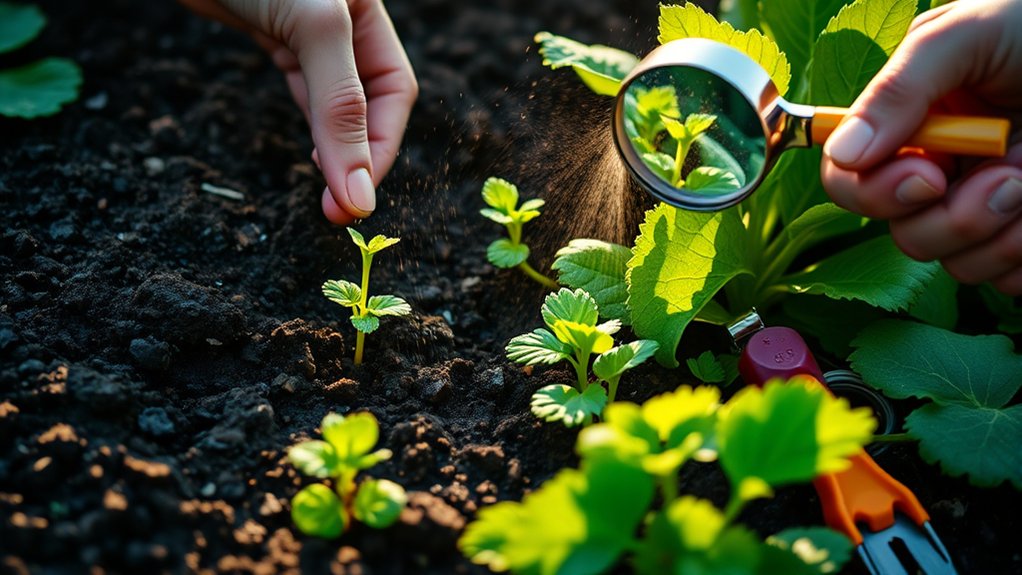
Water your garden deeply when the soil begins to dry, aiming the flow at the base of each plant to keep leaves dry. Check moisture by pressing a finger into the soil; if the top inch feels dry, water slowly until the root zone is moist. Adjust your routine during hot, windy weather, and use mulch to conserve moisture.
Pull weeds while they’re small, loosening roots carefully so you don’t disturb vegetable plants. A few minutes of weeding each week can prevent competition for water, nutrients, and sunlight.
Inspect leaves, stems, and the undersides of foliage regularly for holes, eggs, or unusual spots. If you find pests, identify them before choosing pest control; handpick larger insects or use a gentle, plant-safe treatment when needed. Remove badly damaged leaves, and avoid spraying beneficial insects. Keep a simple garden log to track watering, weeds, and pest activity. These notes offer useful discussion ideas for improving your garden’s care as the season progresses.
Frequently Asked Questions
When Is the Best Time to Start a Vegetable Garden?
The best time to start a vegetable garden is after your area’s last spring frost, when the soil has warmed enough for the crops you want to grow. Check local frost dates and consider climate suitability, since planting seasons vary by region.
For a longer harvest, use seasonal planting: sow cool-weather vegetables in early spring or fall, and wait until warmer weather for heat-loving crops. You can also start seeds indoors several weeks earlier.
How Much Does It Cost to Start a Vegetable Garden?
The cost to start a vegetable garden ranges from about $50 to $300, depending on its size, location, and supplies. You can spend less by using containers you already own, starting from seed, and choosing inexpensive soil amendments.
Budgeting for seeds usually takes $2 to $5 per packet, while tools, compost, and raised beds can increase your total. Set a budget first, then buy only what you need for your first growing season.
Can I Grow Vegetables in Containers on a Balcony?
Yes, you can grow vegetables in containers on a balcony. Container gardening works well for compact crops like lettuce, herbs, radishes, cherry tomatoes, and peppers. Check your balcony sunlight requirements: most fruiting vegetables need at least six hours of direct sun daily, while leafy greens tolerate partial shade.
Choose pots with drainage holes, use quality potting mix, and water when the top inch feels dry. Secure containers against wind, and check weight limits before adding soil and water.
How Do I Know When Vegetables Are Ready to Harvest?
You’ll know vegetables are ready by checking their color, size, firmness, and days to maturity; many crops offer a harvest window of just a few days. For how to tell ripeness, compare each vegetable with its seed packet’s guidance and inspect it regularly. Signs of readiness include fully colored tomatoes that yield slightly, crisp lettuce leaves, and firm cucumbers of the expected size. Harvest gently, and don’t wait for vegetables to become oversized or tough.
How Should I Store Freshly Harvested Vegetables?
Store freshly harvested vegetables according to their type. For storing leafy greens, wash and dry them thoroughly, then wrap them in a clean towel and refrigerate in a breathable container. Keep tomatoes, potatoes, onions, and winter squash in a cool, dry, dark place instead. Root vegetable storage works best when you remove leafy tops and keep roots unwashed until use. Follow temperature guidelines for each crop, since refrigeration methods can harm some vegetables’ flavor and texture.
Conclusion
You’ve chosen a sunny spot, prepared the soil, and planted your vegetables—congratulations, you’re now managing a tiny farm with fewer employees and more weeds. Water regularly, pull weeds before they audition for the jungle, and check for pests before they turn your tomatoes into an all-you-can-eat buffet.
Don’t worry if your first harvest is modest; even a few fresh vegetables beat a heroic grocery-store trip. Keep tending your garden, and soon you’ll enjoy the delicious rewards of your very own backyard operation. With these simple steps, you’ll know how to plant a vegetable garden and enjoy fresh produce right at home.