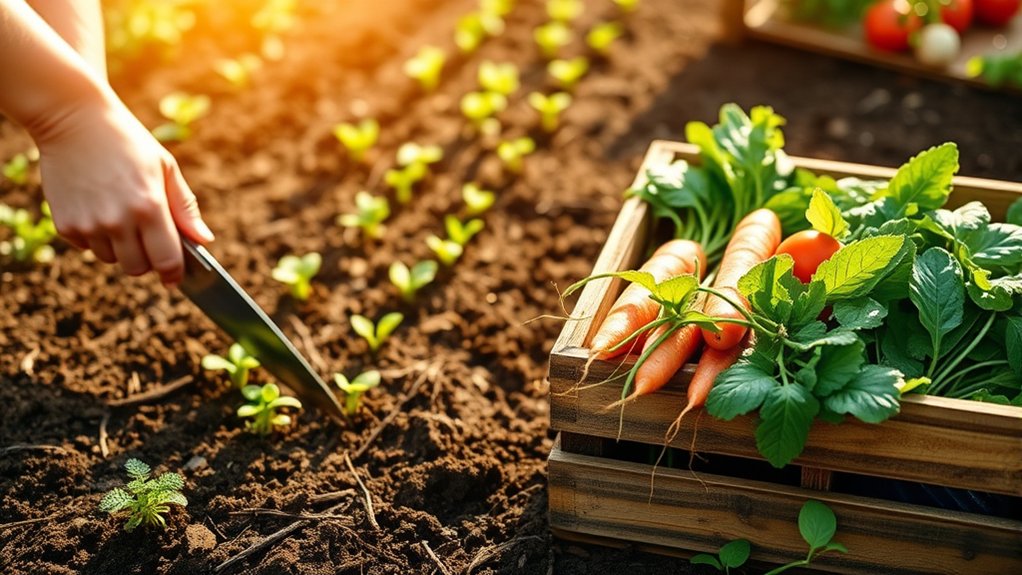
How to Plant a Vegetable Garden in 3 Simple Steps
Starting a vegetable garden can feel overwhelming when you’re unsure where to begin or how to keep plants thriving. You’re not alone—many people struggle to choose the right spot, prepare the soil, and pick vegetables that suit their space.
How to Plant a Vegetable Garden in 3 Simple Steps
First, choose a level spot with six to eight hours of sun and easy access to water. Clear weeds and rocks, loosen the soil, and mix in compost. Use a soil test to guide any pH or nutrient adjustments.
Next, pick vegetables suited to your climate and space, then plant them at the recommended depth and spacing.
Finally, water consistently, weed promptly, and harvest ripe produce. A few practical tips can help your garden thrive.
Key Takeaways
- Choose a level, sunny site with six to eight hours of direct light and easy access to water.
- Remove weeds and debris, loosen the soil, test it, and mix in compost or suitable amendments.
- Select vegetables suited to your climate, growing season, available space, and preferences.
- Plan beds with enough room for each crop, then sow seeds or plant seedlings at recommended depths and spacing.
- Water consistently, weed promptly, harvest ripe vegetables carefully, and keep notes to improve your garden.
Choose a Sunny Site and Prepare Garden Soil
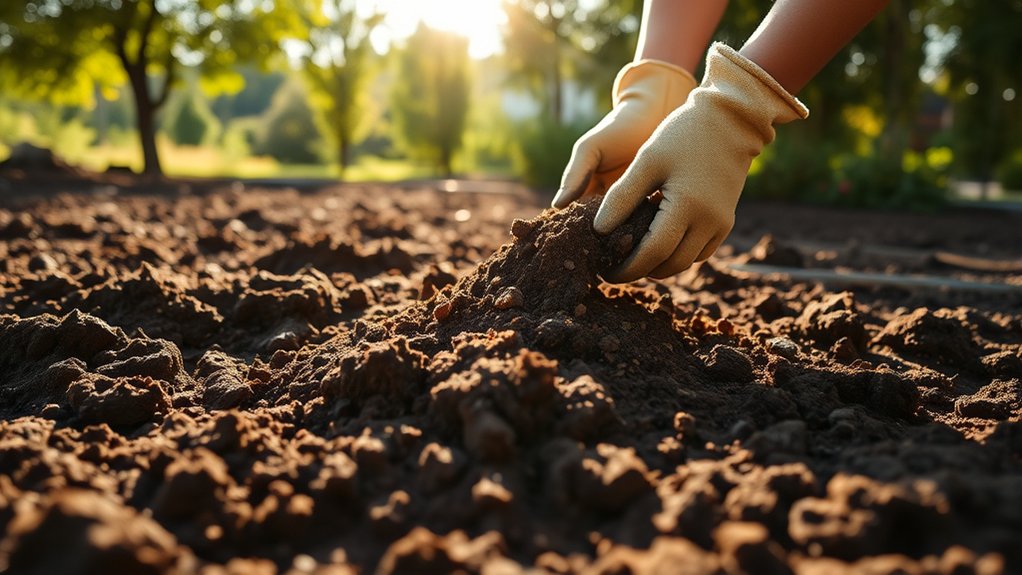
Where should you plant your vegetables? Choose a level site that receives at least six to eight hours of direct sunlight each day. Watch the area at different times to spot shade from trees, fences, or buildings. Pick a location near a water source, too, so you can keep the garden watered without hauling heavy cans far.
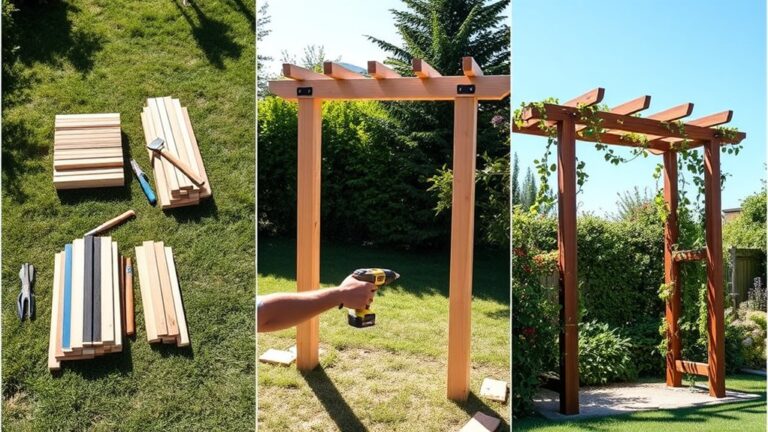
Choose a level, sunny spot near a water source, and check for shade throughout the day.
Before planting, check your soil’s condition. Remove weeds, rocks, and debris, then loosen the ground with a garden fork or spade. A simple soil test can reveal whether you need to adjust the pH or add nutrients. Mix in finished compost to improve drainage and support healthy growth.
Pay attention to soil texture: sandy soil drains quickly, while clay holds water and may compact. Compost helps both types retain a more balanced amount of moisture.
If your ground is poor or limited, use a raised bed or containers filled with quality growing mix. Prepare the site before seed starting so roots have loose, workable soil.
Choose Vegetables and Plant Them With Proper Spacing
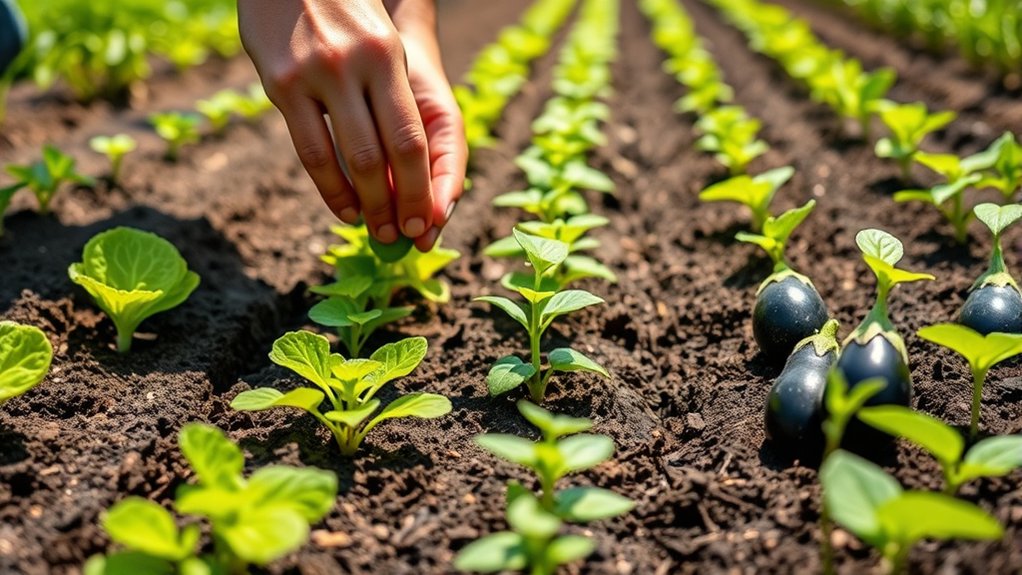
Choose vegetables that suit your climate, growing season, and available space. Check seed packets or plant labels for days to maturity, then select crops that’ll finish before your first expected frost.
If you’re new to gardening, start with a few reliable favorites, such as lettuce, tomatoes, beans, or zucchini. Consider what you enjoy eating and how much room each plant needs.
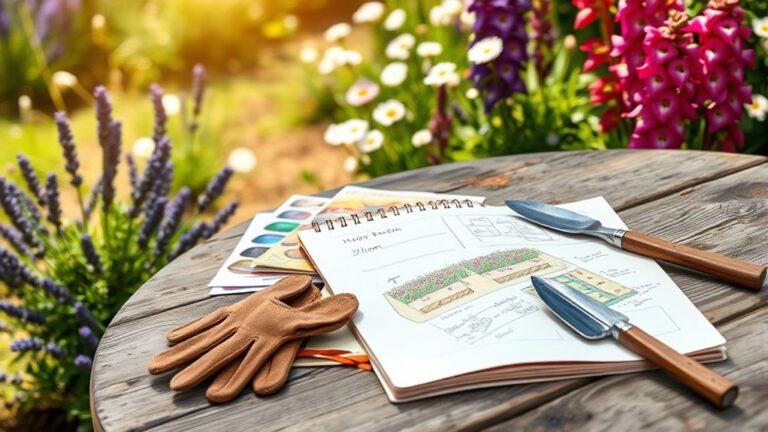
Plan your garden bed layout before planting. Group crops by their sunlight and spacing needs, and leave paths wide enough to reach every bed.
Follow the recommended distance on each seed packet or label; crowded plants compete for light, air, and nutrients. Give sprawling crops, such as squash, extra room, or train them vertically if your setup allows.
For small spaces, choose compact varieties or grow suitable crops in containers. Use companion planting to place compatible crops together, while keeping plants with conflicting needs apart.
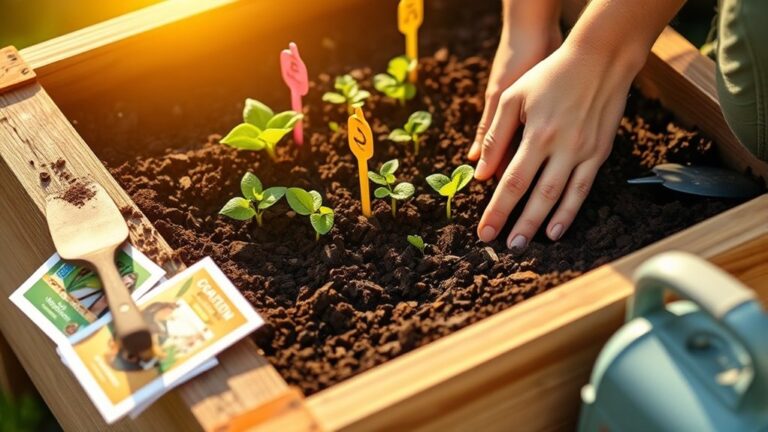
Mark each row or planting spot, then sow seeds or set out seedlings at the recommended depth and spacing.
Water, Weed, and Harvest Your Garden Vegetables
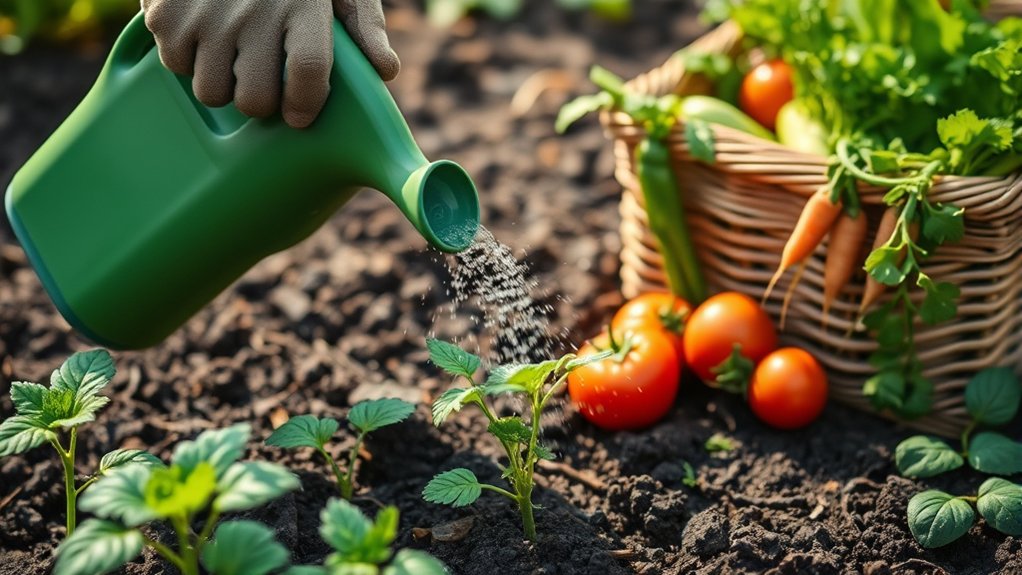
Once your vegetables are planted, water them consistently, pull weeds before they spread, and check crops regularly for signs they’re ready to harvest. Good water planning helps you meet each plant’s needs while conserving water.
Most vegetables thrive with deep, steady watering, especially during hot, dry weather. Water near the soil in the morning to reduce evaporation and keep leaves dry.
Water deeply in the morning, keeping moisture near the soil to help vegetables thrive and leaves stay dry.
- Check soil moisture with your finger; water when the top inch feels dry.
- Practice weed control by pulling weeds after rain, when roots come out easily.
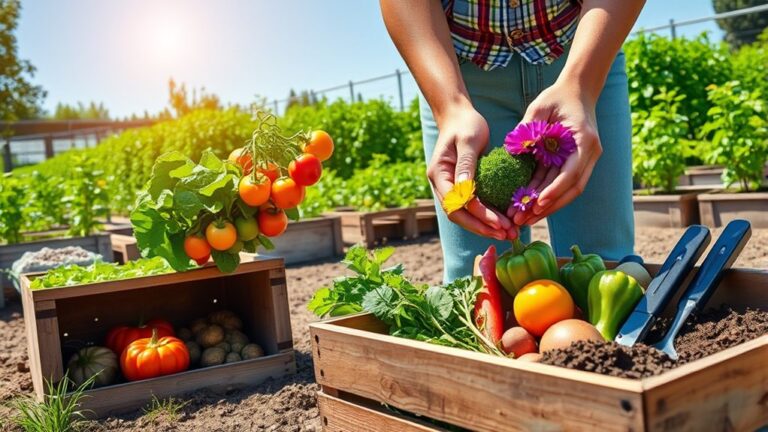
- Harvest vegetables as soon as they reach a useful size, using clean scissors or a gentle twist.
Don’t wait for every crop to look oversized. Frequent picking can encourage some plants, such as beans and zucchini, to produce more.
Handle ripe vegetables carefully to avoid bruising, and remove damaged or overripe produce promptly. Keep notes on watering, weeds, and harvest dates. You’ll spot patterns, adjust your routine, and enjoy healthier plants and fresh vegetables throughout the growing season.
Frequently Asked Questions
When Is the Best Time to Start a Vegetable Garden?
The best time to start a vegetable garden depends on your climate and the crops you want to grow. Begin cool-season vegetables in early spring, as soon as your soil is workable; wait until after your area’s last frost for warm-season crops. You can also try fall planting, counting backward from your first expected frost. Start seeds indoors earlier when needed, and check local frost dates to plan your timing.
Can I Grow Vegetables in Containers or Raised Beds?
Yes, you can grow vegetables in containers or raised beds. A single tomato plant can produce several pounds of fruit, showing how much food you can grow in a small space.
With container gardening, choose pots with drainage holes and match their size to each plant’s roots. For raised bed feasibility, pick a sunny, level spot and use loose, fertile soil. You’ll find both options practical, even without a traditional garden.
Which Vegetables Are Easiest for Beginner Gardeners?
For easy crops, start with radishes, lettuce, green beans, zucchini, and cherry tomatoes. These beginner friendly picks grow reliably and don’t demand complicated care. Choose varieties suited to your climate, give plants enough sunlight, and water consistently.
Radishes mature quickly, while lettuce offers repeat harvests. Beans and zucchini produce generously with little fuss. Tomatoes need support and regular watering, but reward you with flavorful fruit.
Start with a few favorites, then expand as your confidence grows.
How Can I Protect My Vegetable Garden From Pests?
Protect your vegetable garden with barriers, healthy habits, and careful monitoring—not harsh chemicals. Cover young plants with lightweight row fabric, but uncover them when flowers need pollination.
Add pest proof mulch to discourage crawling insects and suppress weeds, then handpick larger pests before they spread. You can also try organic repellents, such as neem oil or garlic spray, following label directions.
Check leaves often, and remove damaged growth promptly to keep infestations from taking hold.
Do I Need to Test My Soil Before Planting?
Yes, you should test your soil before planting, especially if you’re unsure about its history or fertility. Soil testing reveals pH and nutrient levels, helping you choose suitable vegetables and avoid unnecessary fertilizers.
Contact your local cooperative extension or use a reliable home kit. If results show contaminants or imbalances, consider soil remediation before growing food.
You can improve many garden soils with compost, but follow test recommendations for specific problems to protect your crops.
Conclusion
You can grow a vegetable garden even if you’re short on time or space. Choose a sunny spot, prepare healthy soil, and plant vegetables with enough room to thrive. Water consistently, pull weeds, and harvest when your crops are ready.
It may feel daunting to start, but you don’t need a perfect garden or expert skills. Just follow these three simple steps and be patient. Imagine picking fresh vegetables you grew yourself; that first harvest makes every effort worthwhile. A vegetable garden is a rewarding way to enjoy fresh produce at home.