How to Grow a Vegetable Garden in 7 Easy Steps
Starting a vegetable garden can feel overwhelming when you’re unsure what to plant, how to prepare the soil, or when to water. You’re not alone—many new gardeners struggle to get started. This guide to how to grow a vegetable garden in 7 easy steps makes it simple to plan, plant, and care for a thriving garden.
To grow a vegetable garden in seven easy steps, choose a sunny, accessible spot; select beginner-friendly crops; plan spacing and layout; prepare the soil with compost; plant seeds or seedlings at the right time; water and care for plants consistently; and harvest produce when it’s ripe. Give vegetables enough sun, check soil moisture, remove weeds, and watch for pests or plant stress. With a few simple routines, you’ll help your garden thrive and discover practical tips for every step.
Key Takeaways
- Choose a sunny, accessible site with well-drained soil; most vegetables need at least six hours of direct sunlight daily.
- Test the soil, then mix 2–3 inches of finished compost into the top 6–8 inches.
- Plan bed layout and spacing, placing tall crops on the north side and grouping plants with similar light needs.
- Select beginner-friendly vegetables, follow seed-packet instructions, and time planting around crop needs, soil temperatures, and frost dates.
- Water deeply at plant bases, mulch, weed, inspect for pests, and harvest produce regularly at its expected size.
Choose a Sunny Spot for Your Vegetable Garden

Before you plant, watch how sunlight moves across your yard. Track the light at different times, since a fence, tree, or building may cast shifting shade. Most vegetables need at least six hours of direct sun each day, and fruiting crops often perform best with eight or more. Choose a place that meets those needs without relying on brief patches of midday brightness.
Use garden sunlight planning to compare possible locations. Note where shadows fall in the morning and afternoon, and consider how they’ll change as the seasons shift. A sunny area in early spring may become shaded when nearby trees leaf out. If your yard has limited light, prioritize the brightest, most consistent space for your garden.
These sunny spot concepts also include access and protection. Pick ground you can reach easily with a hose, and avoid low areas where water collects. Check for strong winds that could damage plants, and look for a spot with enough room to move around. A thoughtful location gives your garden a strong start.
Choose Easy Vegetables for Beginners

Choose vegetables that grow quickly, like radishes and lettuce, so you can enjoy an early harvest. If you’re just getting started, try low-maintenance crops like zucchini or bush beans. These beginner-friendly options make it easier to build confidence as you learn to garden.
Fast-Growing Favorites
For quick, rewarding results, start with vegetables that mature in just a few weeks. Radishes often reach harvest size in about 25 days, while baby lettuce leaves may be ready in three to four weeks. Sow a small patch of each, then plant more seeds every two weeks to keep fresh greens coming.
You can also try arugula, spinach, and bush beans. These fast growing choices give you visible progress without a long wait. Check seed packets for days to maturity, and match each vegetable to your local growing season.
Pick leaves often to encourage continued growth, and harvest radishes as soon as they’re large enough. After harvesting, switch plant families in each bed through crop rotation. This simple plan helps you enjoy several quick harvests and learn what grows best in your garden.
Low-Maintenance Crops
Fast-growing vegetables offer quick rewards, while low-maintenance crops make gardening easier to manage. Choose plants that suit your climate, soil, and available sunlight, and you’ll spend less time troubleshooting.
Look for low maintenance varieties that resist common pests and diseases, since healthy plants need fewer interventions. Herbs such as rosemary and thyme tolerate dry spells once established, while Swiss chard can keep producing with regular harvesting.
Consider drought tolerant options if you can’t water often or live in a hot, dry area. Add a layer of mulch to conserve soil moisture and suppress weeds.
Group crops with similar water needs so you can care for them efficiently. Check your garden regularly, but don’t overcomplicate your routine: consistent watering, occasional feeding, and prompt removal of damaged leaves will usually keep resilient crops thriving.
Beginner-Friendly Choices
Start with a few easy vegetables, such as lettuce, radishes, bush beans, or zucchini. These crops grow quickly or produce generously, so you’ll see results without needing advanced gardening skills. Choose varieties suited to your climate and the space you have; compact bush beans work well in small beds, while zucchini needs room to spread.
For beginner friendly seed starting, sow radishes and beans directly outdoors, and plant lettuce in cool weather. Follow each seed packet’s depth and spacing instructions, then keep the soil evenly moist. If you’d rather skip sowing indoors, buy healthy seedlings from a local nursery.
Check leaves regularly for pests, and remove damaged foliage promptly. Use row covers or handpick insects for easy pest prevention. Start small, learn what grows well in your garden, and add more vegetables next season.
Plan Your Garden Layout and Spacing
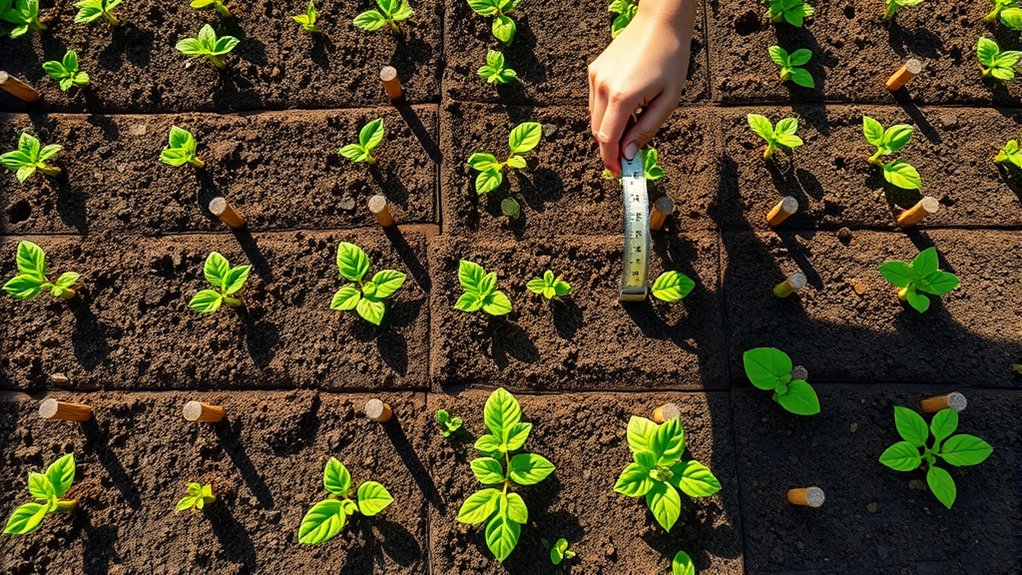
A well-planned layout gives each vegetable enough room, sunlight, and airflow to thrive. Before planting, note how sunlight moves across your yard. Place tall crops, such as corn or pole beans, on the north side so they won’t shade shorter plants. Keep sun-loving vegetables in the brightest spots, and group crops with similar light needs.
Consider bed orientation, too. North-south beds often give plants more even sunlight, while an east-west arrangement may suit your space better. Choose the direction that limits shading and makes every bed easy to reach.
When designing row spacing, follow the seed packet’s recommendations, adjusting for your garden’s size and access needs. Leave enough space between rows to walk, weed, and harvest without stepping on plants.
In raised beds, arrange crops so you can reach the center from either side. Sketch your plan, label each crop, and account for mature plant width. A little planning now helps you use space wisely and care for your vegetables throughout the season.
Get Your Soil Ready for Planting
Before planting, test your soil to find out its pH and nutrient levels. Then mix in compost or other organic matter to improve the soil’s texture and fertility. This gives your plants a healthier start in soil that meets their needs.
Test Your Soil
Wondering whether your garden soil is ready for planting? Soil testing gives you a clear picture of what your vegetables will grow in. Take samples from several spots in the garden, following your test kit’s instructions, and send them to a local lab or use a home kit. Test before planting so you have time to address any issues.
Check the results for soil pH and nutrient balance. pH affects how well plants can access nutrients, and different vegetables prefer different ranges. Your report may also show whether key nutrients are too low or high. Use its recommendations to choose suitable crops and plan any needed adjustments.
Retest every few years, or when plants struggle without an obvious cause. Keep a record of results so you can compare changes and make informed decisions season after season.
Add Organic Matter
Once you’ve checked your soil test results, add organic matter to improve soil structure and support healthy plant growth.
Spread a two- to three-inch layer of finished compost over your garden bed, then mix it into the top six to eight inches of soil. Compost benefits include better drainage in clay, improved moisture retention in sandy soil, and a steady supply of nutrients.
You can also use aged manure, shredded leaves, or well-rotted plant material. Choose clean, fully decomposed materials to avoid introducing weed seeds or harmful pathogens. Don’t add fresh manure, which can damage plants and contaminate edible crops.
If your soil test recommends specific nutrients or pH adjustments, follow those directions alongside your organic matter additions. Work gently, and let the bed settle before planting.
Each season, replenish the soil with a fresh, thin layer of compost.
Plant Seeds and Seedlings at the Right Time
Plant seeds and seedlings when conditions suit each crop, not just when the calendar says spring has arrived. Check your local frost dates, then match each vegetable’s needs to your region’s growing season.
Cool-season crops, such as peas and lettuce, can often go into the ground earlier, while tomatoes and peppers need warmer soil and frost-free nights.
For reliable seed starting, read each packet for indoor sowing dates, planting depth, and days to maturity. Count backward from your area’s typical last frost to plan indoor sowing, and avoid starting seeds too early; leggy seedlings can struggle after transplanting.
Good seedling timing gives young plants the right conditions to establish outdoors.
- Sow root crops like carrots directly, since they dislike transplanting.
- Harden indoor-grown seedlings outdoors gradually before planting.
- Use soil temperature guidance for heat-loving crops.
- Stagger quick-growing greens every couple of weeks for a longer harvest.
Keep a simple planting calendar, and adjust it as local weather shifts. Your timing can vary from year to year, so use forecasts and frost dates as helpful guides, not guarantees.
Water and Care for Your Vegetable Garden
With seeds and seedlings in the ground, steady care helps your vegetables thrive. Check the soil each morning, and water when the top inch feels dry.
Aim at the base of each plant so roots get moisture and leaves stay dry. Adjust your watering schedules for rain, heat, and soil type; containers may need daily attention in hot weather. A layer of mulch helps soil hold moisture and keeps weeds down.
| Care task | How it helps |
|---|---|
| Water deeply | Your roots grow strong |
| Remove weeds | Your plants get more room |
| Inspect leaves | You can protect tender growth |
Spend a few minutes checking plants for insects or damage. For pest prevention, clear away fallen leaves, use row covers when needed, and encourage beneficial insects.
Support tall plants with stakes, and tie stems loosely as they grow. Feed vegetables only as directed for your chosen fertilizer. Consistent care builds a garden you’ll feel proud to tend, while giving each plant a better chance to flourish.
Harvest Vegetables and Fix Common Problems
Harvest vegetables when they reach their expected size and color; check seed packets for timing, since ripe produce can turn tough or lose flavor if left too long. Good harvest timing helps you enjoy the best taste and encourages some plants to keep producing.
Harvest vegetables at their expected size and color for the best flavor, and check seed packets for timing.
Pick in the morning, use clean scissors for delicate stems, and handle produce gently.
- Twist ripe tomatoes carefully, leaving the stems attached.
- Cut leafy greens from the outside, so the center keeps growing.
- Harvest beans and zucchini often to encourage more production.
- Check leaves daily for holes, sticky residue, or discoloration.
If pests appear, identify them before treating your plants. Handpick larger insects, rinse aphids off with water, and remove badly damaged leaves. These common pest fixes can limit damage without harsh sprays.
For yellow leaves, check soil moisture and drainage before adding fertilizer; overwatering and poor drainage often cause stress. If a plant wilts, inspect the soil and roots, then adjust watering.
Keep harvesting regularly, and clear fallen produce to discourage pests and disease. Track problems in a garden notebook, so you can spot patterns and respond sooner next season.
Frequently Asked Questions
Can I Grow Vegetables in Containers on a Balcony?
Yes, you can grow vegetables in containers on your balcony. Balcony container gardening works well for tomatoes, peppers, lettuce, herbs, and compact varieties. Choose pots with drainage holes, and place them where your plants will get enough sunlight.
For Urban balcony soil preparation, fill containers with quality potting mix rather than garden soil, which can become dense. Water regularly, feed your plants as needed, and check your balcony’s weight limits before adding heavy pots.
How Can I Garden Without Using Synthetic Pesticides?
You can garden without synthetic pesticides by preventing problems and using targeted, low-impact solutions. Build healthy plants with organic soil management: add compost, rotate crops, and choose varieties suited to your climate.
Inspect leaves often, remove pests by hand, and encourage beneficial insects with diverse flowers. Use row covers to block insects, and try traps or insecticidal soap only when needed.
This eco friendly pest control approach protects pollinators while keeping your garden productive and resilient.
What Tools Are Essential for a Beginner Vegetable Gardener?
You’ll need a few basic hand tools to start: a sturdy trowel for planting, a hand fork for loosening soil, pruning shears for trimming, and a watering can or hose with a gentle spray nozzle. Add gardening gloves to protect your hands, plus a measuring tape or ruler for spacing crops. For soil testing, use an inexpensive kit to check pH and nutrients. A wheelbarrow can help, but you can add one later.
Can I Grow Vegetables Indoors During Winter?
Yes, you can grow vegetables indoors during winter. Choose compact crops like lettuce, spinach, herbs, and radishes, and give them a sunny window or supplemental indoor lighting for 12–16 hours daily. Use containers with drainage holes and quality potting mix, and water when the soil feels dry.
Start winter seedlings in trays, then transplant them as needed. Keep plants away from cold drafts and rotate pots regularly so every side gets enough light.
How Do I Preserve Surplus Vegetables After Harvest?
You can preserve surplus vegetables by choosing preservation methods that suit each crop: freeze blanched beans, carrots, or peas; can tomatoes using tested recipes; ferment cabbage; or dry herbs and peppers. For short-term storage, keep root vegetables cool and dark, refrigerate leafy greens, and store onions in a dry, ventilated place.
Sort produce regularly and use older items first to reduce waste. Follow reliable food safety guidance, especially for canning, to prevent spoilage and illness.
Conclusion
Your vegetable garden may start with a crooked row, a surprise zucchini, and one tomato that refuses to ripen until you stop checking it. That’s gardening: you plan, plant, water, and then negotiate with the weather.
Keep showing up, learn from each harvest, and enjoy what grows. Even a few fresh vegetables can make your meals taste better and make you feel like a farming expert. Just don’t brag until you’ve successfully outsmarted the squirrels.
With a little patience, your vegetable garden can bring fresh flavors and plenty of satisfaction.