How to Turn a Lawn Into a Garden in 5 Simple Steps
Turning a patchy lawn into a thriving garden can feel like a big project, especially when you’re unsure where to start. You’re not alone—many people struggle to figure out how to turn a lawn into a garden without wasting time or choosing plants that won’t thrive. The right tools can make the job easier, so here are five simple steps to get started.
Turn a lawn into a garden in five simple steps: choose a spot after checking sunlight, wind, and drainage; pick plants that fit your space, goals, and schedule; mark the bed and remove grass with a spade, sod cutter, or light-blocking cardboard; loosen the soil, clear debris, and mix in compost; then plant at the recommended depth and spacing. Water deeply at the base, mulch, and keep weeds in check. A few extra tips can help your new garden thrive.
Key Takeaways
- Track sunlight, wind, and drainage for several days to choose the best garden location.
- Set your goals, then select plants suited to your space, climate, light, and available time.
- Plan plant sizes and spacing, mixing suitable perennials and annuals for lasting seasonal interest.
- Mark the bed, then remove turf with a spade or sod cutter, or smother it beneath cardboard and mulch.
- Loosen and amend the soil, plant at recommended depths, then water deeply and maintain with mulch, weeding, and monitoring.
Check Sunlight and Choose Your Garden Spot
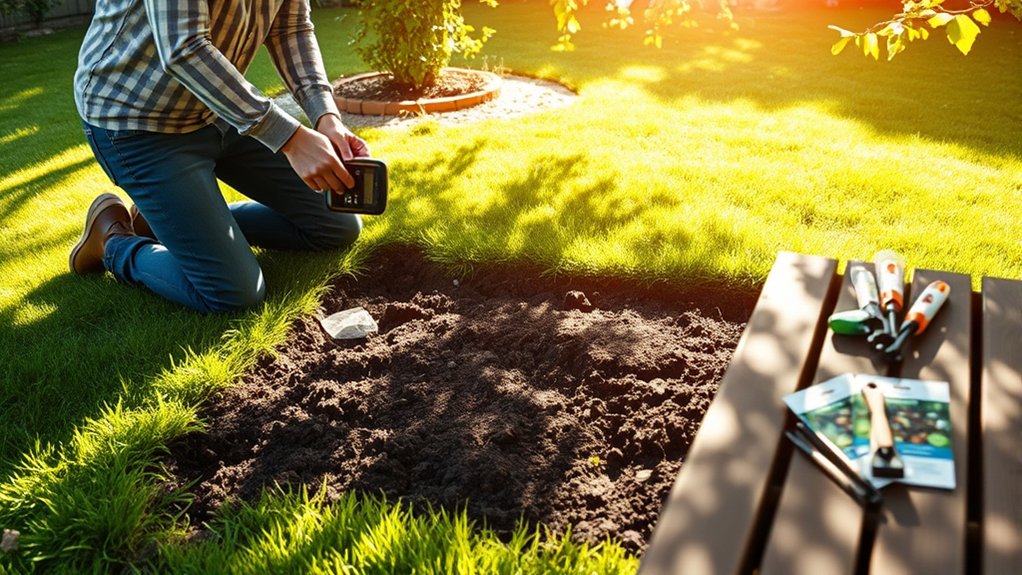
Before you dig, watch how sunlight moves across your lawn. Spend a few days checking sun exposure at different times, noting where direct light lasts longest and where buildings or trees cast shadows. Your observations will help you choose a spot that suits your garden’s conditions.
Track sunlight across your lawn for several days to find the spot with the best light for your garden.
Assessing shade tolerance matters even before you decide what to grow. Record whether each area gets full sun, partial shade, or mostly shade, and consider how those patterns change through the day. Avoid judging the site from one quick glance.
Look for nearby walls, fences, and trees that block strong gusts. Selecting windbreaks can make an exposed location more comfortable, but don’t place a garden where barriers trap damp air or create deep shade.
Check how water behaves after rain, too. Evaluating soil drainage is simple: note puddles and how quickly they disappear. If water lingers, consider a better-drained spot or plan to address drainage before preparing the ground. Mark your preferred area once you’ve compared light, wind, and moisture.
Choose Plants for Your Space and Goals

What do you want your garden to provide—fresh vegetables, colorful flowers, or a mix of both? Match plants to your goals, available space, and the sunlight you checked. For a small plot, choose compact vegetables or container-friendly blooms. In a larger space, combine crops, flowers, and herbs.
| Goal | Plant ideas |
|---|---|
| Fresh food | Tomatoes, lettuce |
| Bright color | Zinnias, marigolds |
| Low upkeep | Coneflowers, sedum |
| Pollinators | Salvia, cosmos |
Consider your climate and how much time you can spend watering and tending plants. When choosing perennials, look for varieties suited to your region; they return year after year and can anchor your design.
When selecting annuals, pick flowers or vegetables that fit your growing season and desired colors or harvests. Check mature plant sizes so your selections won’t crowd one another. You can also mix heights and bloom times for a garden that stays interesting through the season.
Make a short plant list before you begin, and choose only what fits your space and routine.
Remove Lawn Grass to Make a Garden

Once you’ve chosen your plants, clear the lawn from the garden area. Start by marking the bed’s edges with a hose or string, then cut the grass into manageable sections. Choose lawn removal strategies that suit your time, budget, and garden size.
For a quick approach, use a flat spade to slice beneath the turf and lift it out. You can rent a sod cutter for larger areas, but manual removal may be one of the most cost effective methods for a small bed.
If you’re not in a hurry, cover the grass with overlapping cardboard or several layers of newspaper, then weigh the covering down with mulch. The grass will die over time without sunlight. You can also use a tarp to block light, though it may take several weeks.
Remove edging materials and any unwanted plants as you work. Keep the cleared area contained so grass doesn’t creep back into your new garden.
Prepare the Soil for Planting
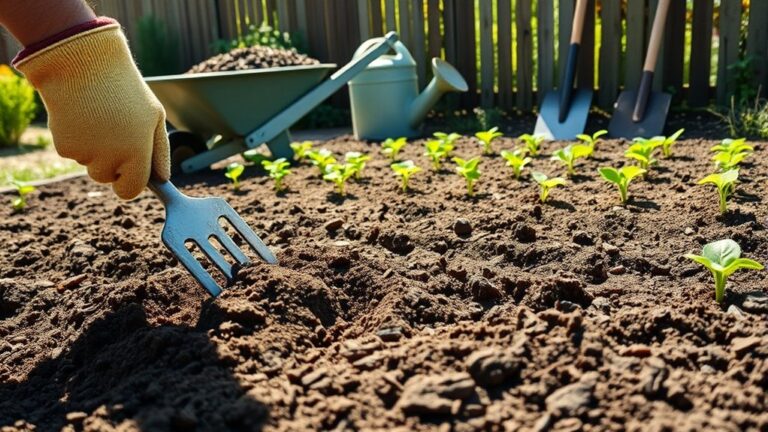
With the grass removed, loosen the soil to a depth of about 8 to 12 inches using a garden fork or tiller. Break up compacted clumps, but avoid working the ground when it’s wet; digging damp soil can damage its structure. Remove stones, roots, and leftover grass as you go.
Next, check your soil composition with a home test kit or a sample sent to a local extension service. The results can reveal pH and nutrient levels, helping you choose suitable amendments. Spread finished compost over the surface and mix it into the loosened soil to improve texture, drainage, and nutrient content. Add lime or other amendments only when test results recommend them.
Rake the area until the surface is level, then let the bed settle for several days. This gives beneficial microbial activity time to respond to the added organic matter. Keep the prepared ground covered with a light layer of mulch if you’re not ready to plant immediately.
Plant, Water, and Maintain Your Garden
When the bed has settled, plant according to each variety’s spacing and depth instructions, grouping plants with similar sunlight and water needs.
Choose planting methods that suit each crop: sow hardy seeds directly, or ease delicate seedlings into the soil after hardening them outdoors. Press soil gently around roots, then water slowly to settle the bed without washing seeds away.
“Sow hardy seeds directly, and transplant hardened seedlings gently, settling the soil with a slow, careful watering.”
Use irrigation strategies that keep moisture steady, such as watering deeply at the base in the morning. Check the soil before watering; damp soil needs no extra.
As your garden grows, protect your effort with simple, regular care:
- Pull weeds while they’re small, before they steal light and nutrients.
- Add mulch to conserve moisture and quiet the rush of weeds.
- Look beneath leaves for pests, and respond before damage spreads.
- Stake tall plants before wind bends their stems.
- Harvest ripe produce promptly, and enjoy the first rewards of your work.
Keep notes on what thrives, and adjust care as seasons change.
Frequently Asked Questions
Do I Need Permission to Replace My Lawn With a Garden?
Usually, you don’t need permission to replace your lawn with a garden on your property, but local rules can differ. Check your city or county’s zoning compliance requirements, especially if you’re adding structures, changing drainage, or planting in a front yard.
Your homeowners’ association may also set landscaping rules. Contact your local planning department and review any HOA guidelines before you begin; they can explain applicable permission processes and help you avoid fines or required changes.
How Much Does It Cost to Turn a Lawn Into a Garden?
You can spend $100 to $500 on a small DIY garden, or several thousand dollars for a larger, professionally installed one. Don’t assume the upfront price tells the whole story. A cost comparison should include future water and maintenance savings.
Your total depends on garden size, soil preparation, plant selection, and labor. Drought considerations matter, too: choosing hardy plants may cost more initially but can reduce watering bills over time.
What Tools Are Useful for Converting a Lawn Into a Garden?
You’ll need a spade, garden fork, hoe, rake, hand trowel, pruning shears, and wheelbarrow to remove turf, loosen soil, and plant. A tape measure and stakes help plan your garden layout and planting schemes; a soil testing kit guides amendments.
Add a hose or watering can for irrigation basics, a compost bin for composting tips, and gloves for pest prevention. A rake spreads mulch; clean, sharpen, and store tools for tool maintenance.
Can I Turn a Lawn Into a Garden Without Hiring Professionals?
Yes, you can turn a lawn into a garden without hiring professionals. Start small, choose a sunny spot, and plan what you’ll grow.
For How to DIY garden planning, sketch your layout, check soil and sunlight, and set a realistic budget. Tools only setup ideas include renting or borrowing a sod cutter, then using a shovel, rake, garden fork, and hose.
Remove grass, improve the soil with compost, and plant. Work gradually, and ask your local garden center for advice.
How Long Does It Take to Convert a Lawn Into a Garden?
You can convert a lawn into a garden in a weekend or over several weeks, depending on its size, soil condition, and preparation method. Sheet mulching usually takes a few months to smother grass before planting, while removing sod lets you plant sooner.
For realistic timeframe expectations, plan for a season if you’re improving soil or installing paths. Your long term maintenance will include watering, weeding, and replenishing mulch as plants establish and grow.
Conclusion
Turning your lawn into a garden doesn’t have to happen all at once. You’ve checked the sunlight, chosen plants, removed the grass, and prepared the soil. Now plant, water, and enjoy watching your space grow.
Funny enough, the spot where you once mowed every weekend might become the place you visit to unwind. Keep tending your garden as it changes, and don’t worry about perfection.
With a little patience, you’ll turn your former lawn into a thriving retreat. That’s how to turn a lawn into a garden you’ll love.