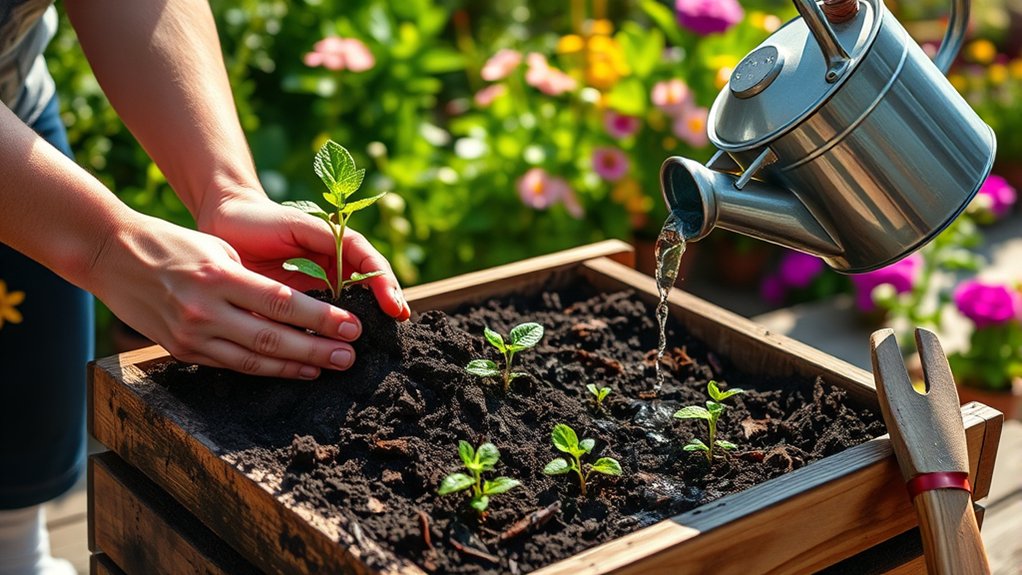
How to Plant Outdoors in 3 Simple Steps
Starting an outdoor garden can feel overwhelming when you’re unsure what to plant or how to help it thrive. You’re not alone—many people struggle to get the first steps right. This guide to how to plant outdoors in 3 simple steps will help you get started with confidence.
Plant outdoors in three simple steps: choose, plant, and water. First, select varieties suited to your climate, sunlight, soil, and available time. Clear weeds and debris, loosen compacted ground, and improve the soil as needed.
Next, set each plant at its nursery depth in a hole about twice as wide as its root ball, then backfill gently. Finally, water slowly at the base and check soil moisture regularly. Keep going to learn how to help new plants thrive.
Key Takeaways
- Choose plants suited to your climate, sunlight, soil, and available gardening time.
- Test and improve the soil, remove weeds and debris, and mark planting spaces for mature plant sizes.
- Dig a hole about twice as wide as the root ball, and set the plant at its original growing depth.
- Loosen circling roots, position the plant upright, then backfill and gently firm the soil.
- Water thoroughly after planting, then check soil regularly and water when the top inch feels dry.
Choose Suitable Plants and Prepare the Site
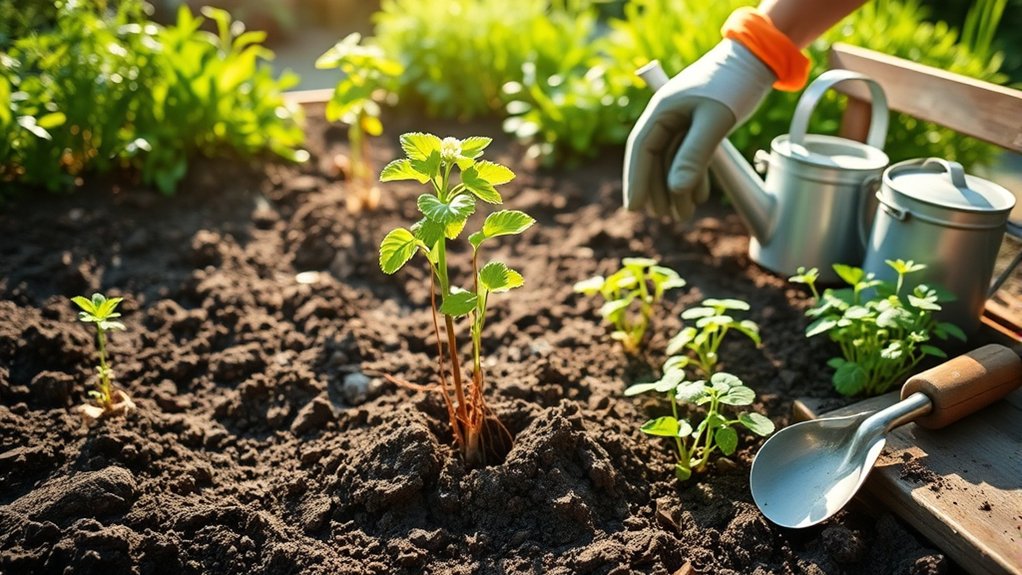
Which plants will thrive in your yard? Start by checking your region’s climate and hardiness zone, then choose plants suited to your local conditions. Consider how much time you can give them, too: low-maintenance varieties work well if you have a busy schedule. Match each plant’s needs to your garden’s sun exposure, noting which areas receive full sun, partial shade, or shade throughout the day.
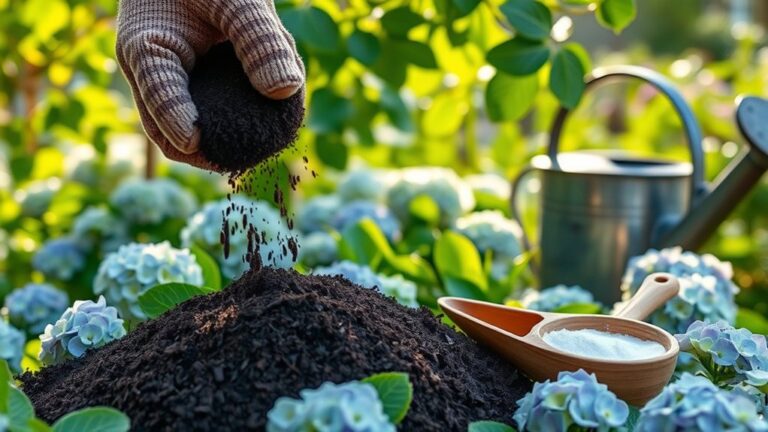
Next, assess your soil texture and drainage. Sandy soil dries quickly, while clay holds more water; loam offers a balanced mix. If you’re unsure what you have, use a simple soil test to learn its pH and nutrient levels. Improve the site with compost or other amendments suited to your results, rather than guessing.
Remove weeds, rocks, and debris, then loosen compacted ground so roots can spread. Mark planting areas and leave enough room for each plant to reach its mature size. Gather your tools and supplies before you begin, and keep new plants watered while you finish preparing the site.
Plant Outdoors at the Right Depth
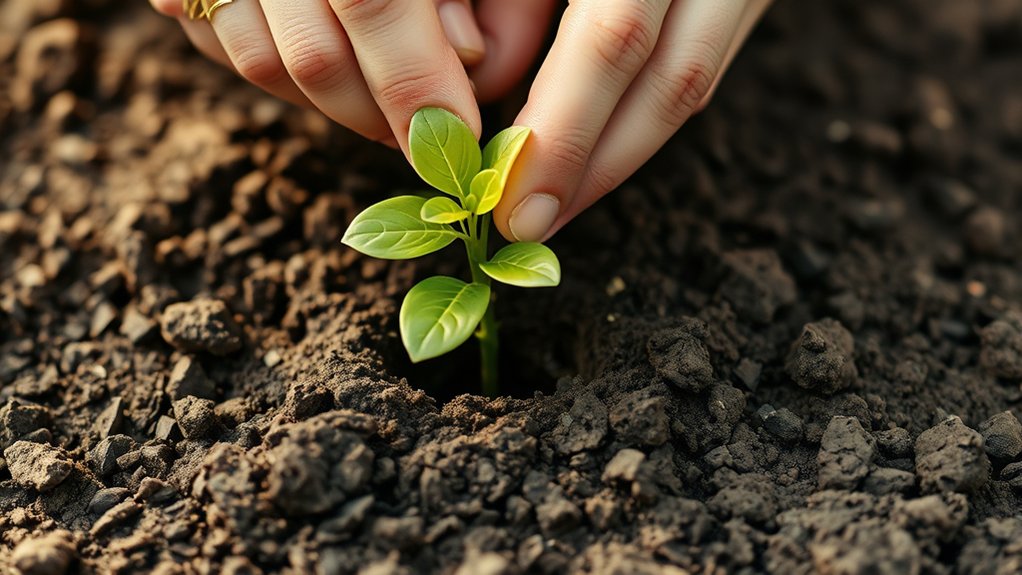
Once the site is ready, set each plant at the depth it grew in its pot or nursery container. Check the stem or root collar, where the roots meet the stem, and keep that point level with the surrounding soil. Follow the plant’s depth guidelines, since some species need a slightly different planting depth.
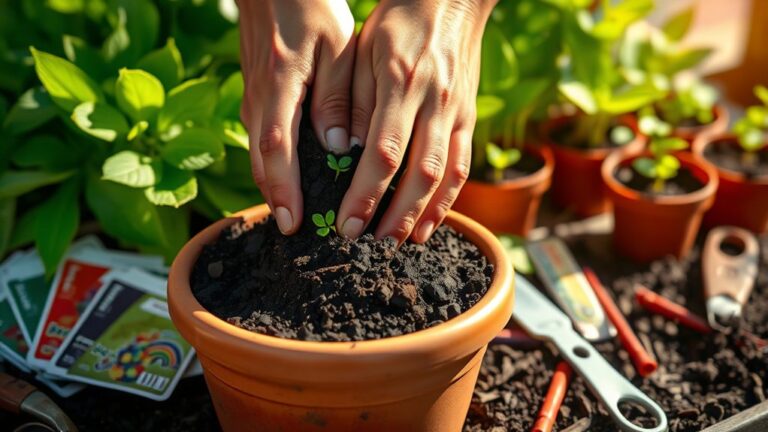
Dig a hole wide enough to spread the roots without bending or crowding them. For a container-grown plant, make the hole about twice as wide as the root ball, but no deeper than its height. Loosen circling roots gently, then place the plant upright in the center. For bare-root plants, shape a small mound in the hole and drape the roots over it.
Backfill with the soil you removed, breaking up large clumps as you go. Firm the soil lightly with your hands to remove large air pockets, but don’t pack it hard. Check the plant’s position before you finish filling the hole; raise or lower it if needed.
Water New Plants and Watch for Problems
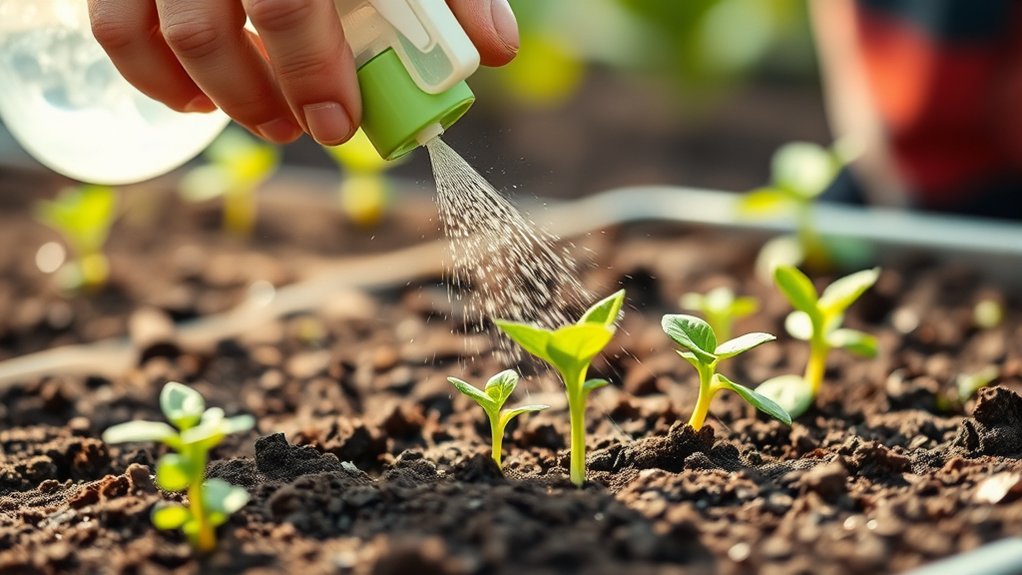
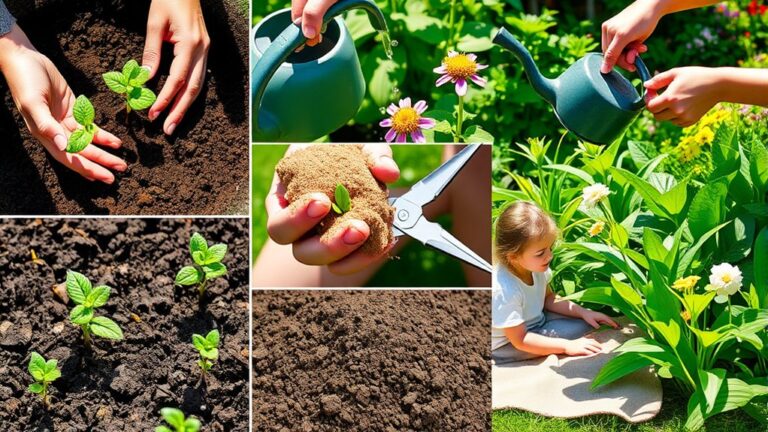
Water new plants thoroughly after planting to settle the soil around their roots. Pour slowly at the base so moisture reaches the root zone without washing soil away. For the first few weeks, check the soil daily and water when the top inch feels dry.
Your watering schedule should reflect the weather, soil, and plant type: sandy soil dries quickly, while clay holds moisture longer. Water early in the day to reduce evaporation and give leaves time to dry.
Keep watching as your plants adjust. Wilting, yellow leaves, or crispy edges may signal too little water, but soggy soil and yellowing can also point to overwatering. Check the soil before adding more; don’t rely on leaves alone.
Look for spotting signs of pests, disease, or damage, such as holes, sticky residue, or spreading leaf spots. Remove affected growth when appropriate, and improve drainage or airflow if needed. If problems persist, identify the cause before treating the plant.
Frequently Asked Questions
When Is the Best Season to Plant Outdoors?
The best season to plant outdoors is usually spring, after your area’s last frost, when soil warms and plants can establish before summer heat. However, your ideal planting timing depends on what you’re growing and your local climate.
You can plant many trees, shrubs, and cool-season crops in fall, too. Check plant labels and local frost dates, then choose a mild, moist period so your plants get a strong start.
How Can I Improve Poor Garden Soil?
You can improve poor garden soil by testing it, adding suitable organic matter, and correcting drainage. The idea that more compost always helps sounds appealing, but soil testing shows what your garden actually needs.
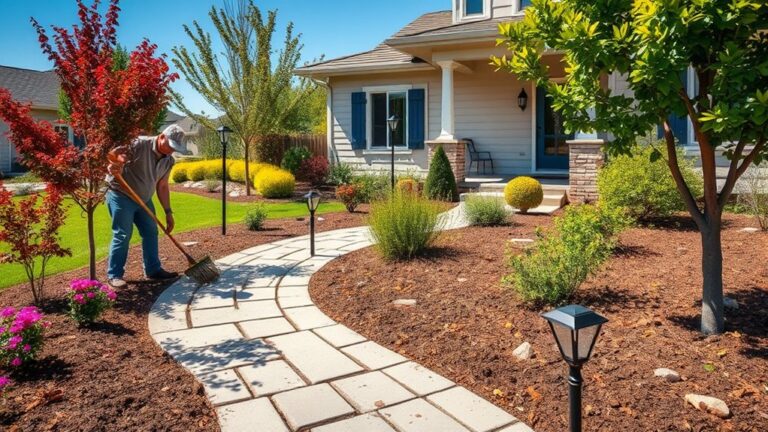
Follow compost guidelines: use mature compost and mix in a modest layer. Enjoy mulching benefits by covering bare soil with leaves or bark to retain moisture and protect structure.
For drainage improvements, loosen compacted areas and consider raised beds where water collects.
What Tools Do I Need for Outdoor Planting?
You’ll need a few reliable hand tools for outdoor planting: a trowel for digging, a garden fork for loosening soil, and pruners for trimming. Add gloves, a watering can or hose, and a measuring tape to your garden accessories.
For soil preparation, keep a rake and compost scoop handy. If you’re growing plants from seed, trays, labels, and a dibber will support seed starting. Choose durable tools that feel comfortable to use.
Should I Add Compost Before Planting?
Yes, add compost before planting to improve soil structure, drainage, and nutrient availability. These compost benefits can help roots establish and support healthy growth.
Spread a layer over the planting area, then mix it into the top several inches of soil; this makes compost an effective soil amendment. Use finished compost, and avoid adding too much, since excessive nutrients can harm some plants. Check your plant’s needs before you prepare the bed.
How Can I Protect Plants From Frost?
Protect your plants from frost by covering them before temperatures drop; you don’t need expensive gear to shield them. For protecting seedlings, drape frost blankets over plants in the late afternoon, letting the fabric reach the ground to trap warmth. Secure the edges, but keep the cover from crushing leaves. Remove it in the morning when temperatures rise. Water soil earlier that day, since moist ground holds heat better than dry soil.
Conclusion
Planting outdoors doesn’t have to be complicated. Choose plants suited to your site, prepare the soil, and set each plant at the right depth. Then water thoroughly and watch for signs of stress, pests, or disease.
With thoughtful choices and steady care, you’ll help your plants settle in and thrive. Start small, stay observant, and give your garden time to grow. Your patience and care can turn a simple planting into a flourishing outdoor space. Follow these three simple steps for how to plant outdoors, and enjoy watching your garden grow.