How to Turn Grass Into a Garden in 3 Easy Steps
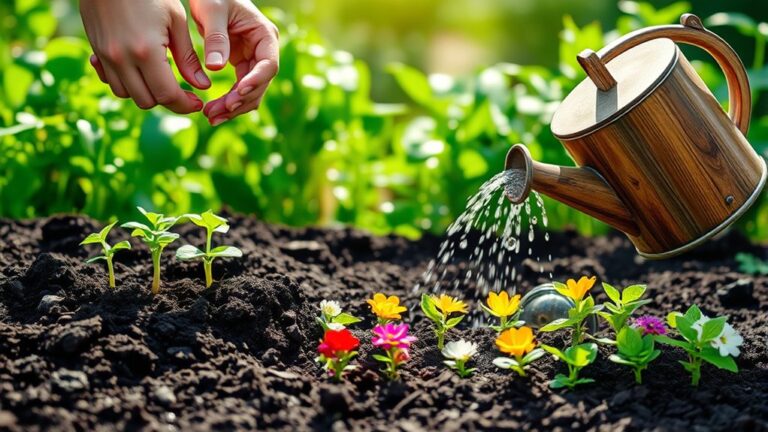
Turning a patch of lawn into a garden can feel like a big project, especially if you’re not sure where to start. You’re not alone—many people want a beautiful, productive garden without spending days digging up grass. These helpful products can make it easier to turn grass into a garden in three simple steps.
First, choose a well-drained spot with at least six hours of sun, then sketch beds and paths with room to reach plants.
Next, mow the lawn, remove large weeds, and cover the area with overlapping cardboard or newspaper. Wet the layers, add compost, and top with mulch.
Finally, let the grass die and materials settle. Check the soil, add compost and water if needed, then plant seedlings through small openings.
Keep going for helpful planning tips.
Key Takeaways
- Choose a sunny, accessible spot with at least six hours of direct sunlight, and mark the garden’s edges.
- Mow the grass short, remove large weeds, and cover the area with overlapping cardboard or newspaper.
- Wet the paper thoroughly, then add compost and mulch to hold it down and smother the grass.
- Let the layers settle; add finished compost and water if the soil underneath is dry or compacted.
- Plant suitable seedlings through small openings in the mulch, placing each root ball into the soil.
Choose a Sunny Spot and Plan Your Garden

Start by choosing a spot that gets at least six hours of direct sunlight a day, since most vegetables and flowers need plenty of light to thrive. Watch how shadows move across your yard throughout the day, and note shade from trees, fences, or buildings. If you’re growing leafy greens, a little afternoon shade can help them cope with summer heat.
Next, check that your chosen area has convenient access to water and sits somewhere you’ll enjoy visiting. Avoid low spots where rain collects, and consider how close the garden is to your kitchen or outdoor seating.
For effective sunny planning, list what you’d like to grow, then group plants by their sunlight, spacing, and watering needs. Sketch a simple garden layout on paper, marking paths, planting areas, and room for mature growth. Measure the space before you settle on a plan, and leave enough access to tend each section comfortably. A clear layout helps you make the most of your sunny spot.
Turn Grass Into a Garden Without Digging
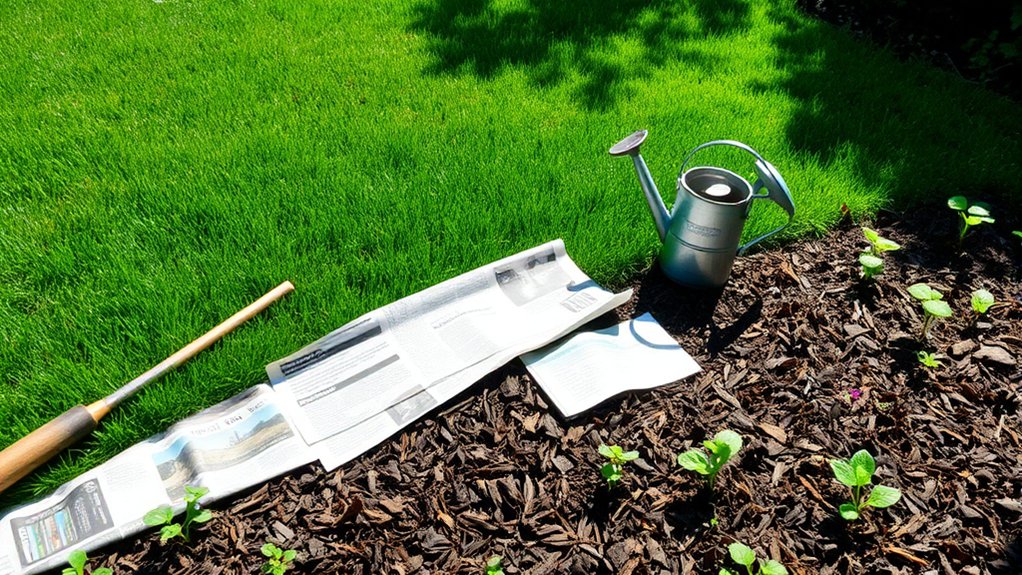
Want to turn lawn into a garden without digging? Sheet mulching lets you cover grass and create a planting area with minimal disruption. First, mow the lawn as short as possible and remove any large weeds. Mark the garden’s edges with a hose, rope, or stakes, following the garden planning you’ve already done.
Next, lay overlapping sheets of plain cardboard or several layers of newspaper over the grass. Cover every patch so sunlight can’t reach the lawn, and wet the paper thoroughly to hold it in place.
Add a layer of compost, followed by mulch, to weigh down the covering and help it break down. Keep the materials away from tree trunks and avoid glossy or heavily printed paper.
This method takes time: the grass beneath the layers will die as the covering decomposes. You can prepare the bed weeks or months ahead, giving the materials time to settle.
This approach supports soil improvement while helping you turn grass into a garden without digging.
Improve the Soil and Plant Your Garden

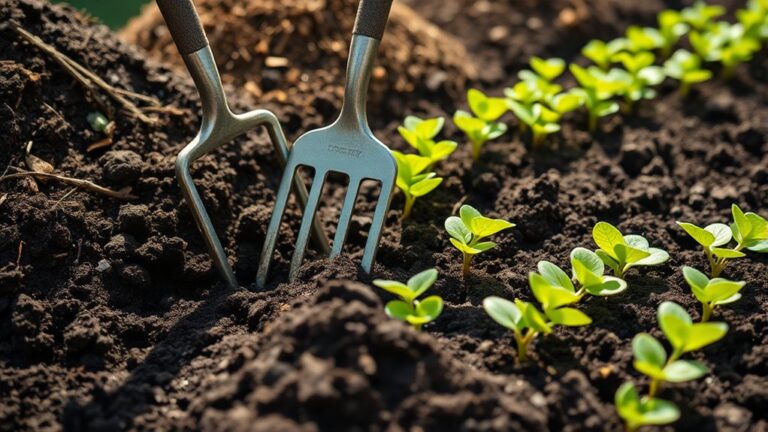
Once the sheet mulch has settled and the grass beneath it has begun to break down, check the soil before planting. Pull back a small section and feel the earth. If it’s loose, moist, and crumbly, you’re ready to plant. If it’s compacted or dry, add a few inches of finished compost and water it well. This compost layering improves soil structure and replenishes soil nutrients without disturbing the mulch.
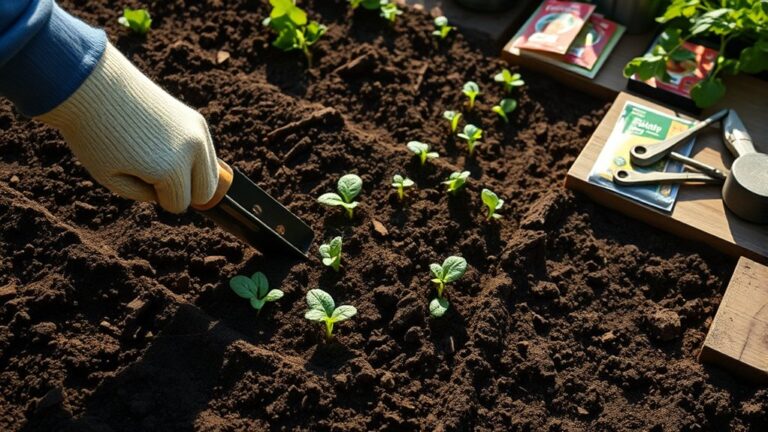
Choose plants suited to your climate, sunlight, and garden space. Start with easy crops such as lettuce, beans, or tomatoes, and check each plant’s spacing needs. For seedlings, make small openings through the mulch, then set each root ball into the soil. Keep mulch away from stems to prevent rot. For seeds, clear a narrow strip, sow them at the recommended depth, and cover lightly with soil.
Water thoroughly after planting. Keep the bed evenly moist while roots establish, and watch for weeds or pests. Add compost around plants as needed.
Frequently Asked Questions
When Is the Best Time of Year to Turn Grass Into a Garden?
You’ll get the best results by turning grass into a garden in early spring or fall, when cooler temperatures and reliable moisture help plants establish. For successful Turning timing, plan several weeks before planting.
Seasonal planning lets you avoid summer heat and match your project to local frost dates. Begin Soil preparation early, since grass and roots need time to break down or be removed.
Use that window to finalize your Garden layout and choose suitable plants.
How Much Does It Cost to Convert a Lawn Into a Garden?
You can convert a lawn into a garden for about $100–$500 for a small DIY project, or $1,000–$5,000 or more with professional help; the price varies by size, soil, materials, and labor. Don’t assume you need expensive equipment: sheet-mulch grass with cardboard and compost to cut costs.
For a useful cost comparison, price raised beds, edging, soil, and plants separately. Careful DIY budgeting helps you start small and expand as your garden grows.
What Tools Should I Have Ready Before Starting?
Gather a spade, garden fork, hoe, rake, pruning shears, gloves, and a wheelbarrow before you start. You’ll also want a hose or watering can, measuring tape, and a tarp for collecting removed grass. For easier digging, keep a sharp edging tool nearby.
Quick start checklist: sharpen blades, check tool handles, and set everything within reach.
Pros and cons: hand tools cost less and offer control, but removing turf takes time and effort.
How Can I Keep Pets From Damaging My New Garden?
Protect your new garden with sturdy fencing, raised beds, and clear paths; a six-foot fence can deter many dogs, though persistent jumpers may need a taller barrier. For pets safety, choose nontoxic plants, secure chemicals, and block access to freshly treated soil. Add gentle pest deterrents, such as motion-activated sprinklers or citrus peels, and redirect digging with a designated sandbox. Supervise pets at first, reward them for staying out, and repair gaps promptly.
What Should I Do With the Removed Grass and Sod?
You can reuse removed grass and sod or dispose of it responsibly. For composting, add grass in thin layers with dry leaves or cardboard, and turn the pile regularly. Avoid composting sod treated with herbicides.
You can also stack healthy sod grass-side down to create a soil-rich mound or use it to patch bare spots. For disposal, check local yard-waste rules, arrange a pickup, or take it to a green-waste facility.
Conclusion
Turning grass into a garden takes just three manageable steps: choose a sunny spot, smother the lawn without digging, then enrich the soil and plant. Your new bed can save water, support pollinators, and bring fresh food within reach.
For perspective, one square foot of healthy soil can hold about a gallon of water—so improving even a small patch can make a meaningful difference. Start with the space you have, keep your plan simple, and enjoy watching your garden grow. Turning grass into a garden can be a rewarding way to make the most of your yard.