How Do You Grow Vegetables in 5 Easy Steps
Starting a vegetable garden can feel overwhelming when you’re unsure what to plant or how to care for it. You’re not alone—many people struggle to get started, but learning how to grow vegetables can be simple with a few practical steps.
You can grow vegetables in five easy steps. First, choose crops you’ll enjoy eating and a spot with enough sunlight; fruiting vegetables need six to eight hours daily, while leafy greens tolerate less. Next, clear weeds and loosen the soil, then mix in compost.
Plant seeds or seedlings at the recommended time and depth, using your last frost date as a guide. Water deeply, feed as needed, and add mulch. Harvest ripe vegetables with clean scissors; you’ll find more helpful tips ahead.
Key Takeaways
- Choose vegetables you enjoy, check your local growing season, and select a sunny spot with six to eight hours of direct light for fruiting crops.
- Match plants to your space and sunlight; choose container-friendly varieties or leafy greens for smaller, shadier areas.
- Clear the garden bed, loosen soil 8–12 inches deep, and mix in 2–3 inches of finished compost.
- Plant seeds or seedlings at the recommended time and depth, using your last frost date to guide planting.
- Water deeply when soil begins to dry, mulch and feed as needed, and harvest ripe vegetables with clean scissors or pruners.
Choose Vegetables and a Sunny Spot to Grow Them

What do you enjoy eating, and how much sunlight does your yard or balcony get? Start by choosing vegetables you’ll actually want to harvest and cook. If you love salads, consider lettuce, radishes, or tomatoes. For compact spaces, look for varieties labeled suitable for containers. Your climate and growing season also matter, so check which vegetables thrive in your area and when to plant them.
Next, assess your available sun exposure before making your seed selection. Most fruiting vegetables, including tomatoes, peppers, and cucumbers, need at least six to eight hours of direct sunlight each day. Leafy greens can often manage with less, especially in warmer climates, where some afternoon shade helps prevent wilting.
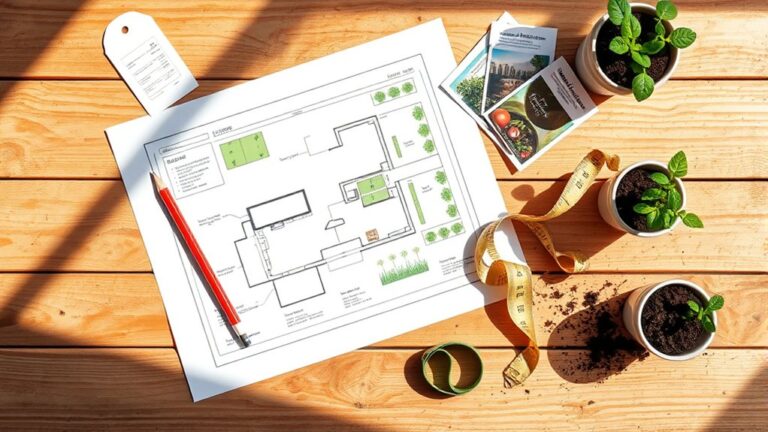
Watch your space throughout the day to see where sunlight falls and how long it lasts. Then match vegetables to those conditions. If you’re working with limited light, choose crops that tolerate partial shade rather than expecting sun-loving plants to flourish. A thoughtful match helps you make the most of your growing space.
Prepare Garden Soil for Vegetable Planting

Before planting, prepare the soil so vegetables can develop strong roots and access the nutrients they need. Start by clearing weeds, stones, and leftover plant debris from your chosen bed. Loosen the soil with a garden fork, working about 8 to 12 inches deep, and break up compacted clumps. Check that water drains well; soggy soil can harm roots.
A simple soil improvement plan can match your garden’s needs:
| Soil condition | What you can do | Why it helps |
|---|---|---|
| Hard or compacted | Loosen with a fork | Improves airflow |
| Sandy and dry | Mix in compost | Holds moisture |
| Heavy and sticky | Add organic matter | Supports drainage |
Spread a 2- to 3-inch layer of finished compost over the bed, then mix it into the top few inches. You’ll enjoy composting benefits, including richer soil and better moisture retention. If you’re unsure about nutrient levels or pH, use a soil test and follow its recommendations. Rake the surface level, but don’t pack it down.
Plant Vegetable Seeds or Seedlings

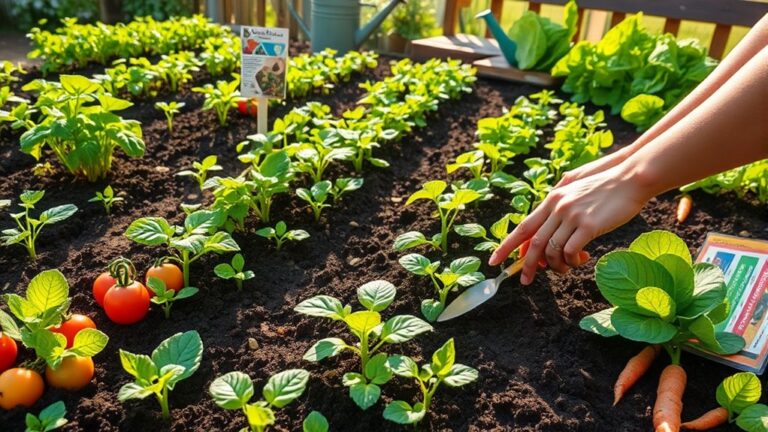
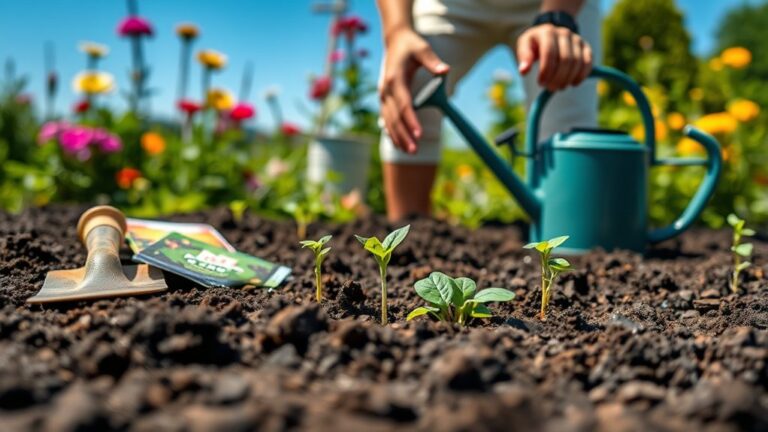
Once the soil is ready, plant seeds or seedlings at the right time and depth for each vegetable. Check each seed packet or plant label for spacing, planting depth, and your area’s last frost date.
Plant seeds and seedlings at the right time and depth, using packet labels and your local last frost date as guides.
Cool-season crops, such as peas and lettuce, can often go in earlier, while warm-season vegetables need warmer soil and frost-free weather. Good seedling timing helps you avoid cold damage and gives plants room to mature.
For seed starting basics, follow packet directions and use clean containers with a suitable seed-starting mix. Sow seeds indoors only when a crop benefits from an early start, and harden seedlings off gradually before transplanting them outdoors.
Handle young plants by their leaves, not their stems, to reduce damage. Set each seedling at the depth it grew in its container, except for tomatoes, which can be planted deeper along the stem.
Space seeds and transplants carefully so mature plants won’t crowd one another. Label rows or pots with vegetable names and planting dates to keep your garden organized.
Water, Feed, and Protect Your Vegetables
Keep your vegetables healthy by watering deeply when the soil begins to dry, feeding them as needed, and checking regularly for pests or disease. Water at the base of each plant to keep leaves dry and reduce fungal problems.
During hot, windy weather, check the soil more often; containers may dry out quickly. Good water management helps roots grow strong without leaving them waterlogged. Add mulch around plants to slow evaporation and limit weeds, but keep it from touching stems.
Feed your vegetables according to their needs. Mix compost into the soil or apply a suitable fertilizer, following package directions to avoid overfeeding. Too much fertilizer can produce abundant leaves but fewer vegetables.
For pest protection, inspect both sides of leaves and look for chewed edges, spots, or unusual growth. Remove pests by hand when practical, and use row covers or other barriers to shield vulnerable plants.
Clear away diseased leaves promptly, clean your tools, and give plants enough space for airflow. These simple habits help prevent small problems from spreading.
Harvest Vegetables When They’re Ready
With watering, feeding, and pest checks in place, watch for signs that your vegetables are ready to pick. Check seed packets or plant labels for expected harvest times, but let each crop’s appearance guide you. These ideas about harvesting readiness help you avoid picking too early or leaving vegetables too long.
- Look for full size, rich color, and firm texture in tomatoes, peppers, and squash.
- Pick leafy greens when leaves are tender and large enough to eat.
- Harvest beans and cucumbers while they’re young, crisp, and easy to snap.
Signs of ripe produce vary, so inspect your plants often. Taste a small sample when you’re unsure, and use clean scissors or pruners to avoid damaging stems. Pick in the morning when vegetables are cool and hydrated.
Regular harvesting encourages many plants to keep producing, so don’t wait for every vegetable to ripen at once. Bring your harvest indoors promptly, then rinse and store each crop according to its needs.
Frequently Asked Questions
Can I Grow Vegetables in Containers Indoors?
Yes, you can grow vegetables in containers indoors, and indoor container gardening lets you harvest fresh produce in any season. Choose compact varieties of lettuce, spinach, herbs, radishes, or cherry tomatoes.
Use pots with drainage holes and quality potting mix, then place them near a sunny window or under a grow light. Water when the soil feels dry, and feed plants regularly.
With enough light and care, you can enjoy year round indoor vegetables.
What Vegetables Are Easiest for Beginners to Grow?
For easy crops, start with radishes, lettuce, spinach, green beans, zucchini, and cherry tomatoes. These beginner friendly vegetables grow quickly or produce generously, helping you build confidence.
Choose varieties suited to your climate and available space, and follow seed-packet instructions for planting. Give plants enough sunlight and water consistently, without leaving roots soggy.
You’ll get healthier harvests when you enrich soil health with compost and rotate crops between seasons. Begin with just a few plants.
How Much Does It Cost to Start a Vegetable Garden?
You can start a small vegetable garden for about $30–$100, depending on what you already own and how much you plant. Reuse containers and tools to keep costs low, or spend more on raised beds and irrigation.
Seeds usually cost less than transplants, though budget-friendly seedlings can save time. Set aside money for compost and soil amendments, since healthy soil supports strong growth.
Start small, then add supplies as your garden expands.
Can I Grow Vegetables Year-Round?
Yes, you can grow vegetables year-round, though your climate and setup affect what you can harvest. Outdoors, choose cold-hardy crops and use row covers or a greenhouse to extend the season.
Indoors, grow herbs, leafy greens, and microgreens near a sunny window or under grow lights for winter indoor harvests. Plan for year-round challenges, including limited daylight, temperature swings, and pests.
Stagger planting dates, and adjust watering and lighting as conditions change.
What Tools Do I Need for a Vegetable Garden?
You’ll need a few essential equipment items to start a vegetable garden: a hand trowel, garden fork, hoe, pruning shears, watering can or hose, and sturdy gloves. Add a shovel for larger beds and a rake to level soil.
You can make DIY garden tools, such as plant markers from recycled materials, to save money. Choose durable tools that fit your garden’s size, and clean them after each use to keep them working well.
Conclusion
With a sunny spot, healthy soil, and the right vegetables, you’ve laid the groundwork for a thriving garden. Plant your seeds or seedlings, then water, feed, and protect them as they grow.
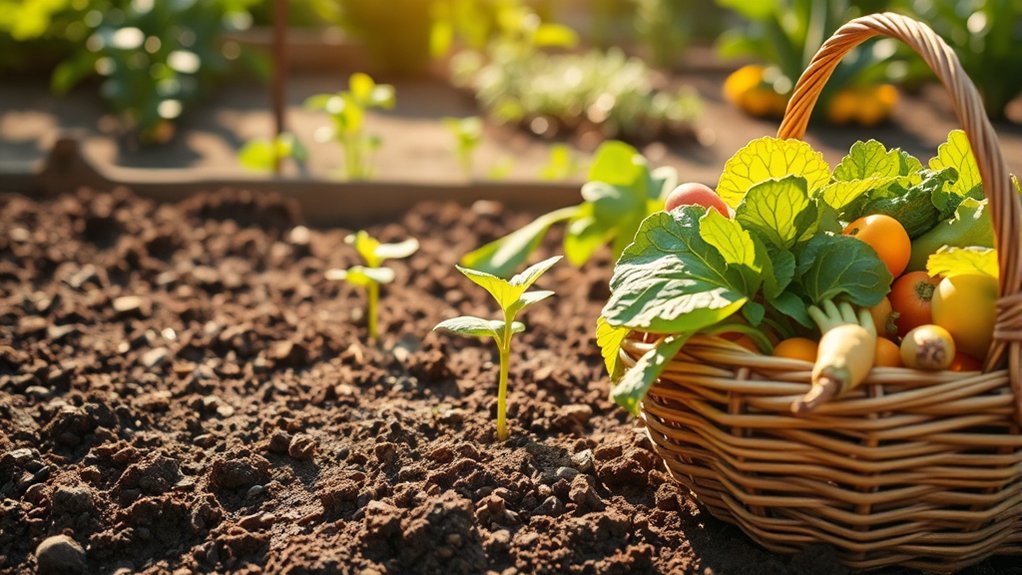
Keep an eye out for pests and signs of ripeness, and harvest at just the right moment. Before long, your garden will reward your care with bright colors, fresh flavors, and a basketful of homegrown goodness. That’s how you grow vegetables in 5 easy steps.