How to Garden: A Beginner’s Step-by-Step Guide
Starting a garden can feel overwhelming when you’re unsure what to plant, how often to water, or where to begin. You’re not alone—many new gardeners face the same questions. This beginner’s guide to how to garden breaks the process into simple steps so you can get growing with confidence.
To start a garden, choose a sunny spot that fits your space and schedule, then check the soil and improve it with finished compost. Pick a few easy crops suited to your local planting calendar, and plan spacing so plants get enough light and airflow.
Sow seeds or transplant seedlings at the recommended depth. Water near the soil when it feels dry, and watch for weeds, pests, and disease. Harvest at peak maturity; simple steps can help your garden thrive.
Key Takeaways
- Choose a garden space that fits your time and sunlight; use containers or raised beds for small areas.
- Track sunlight, test and prepare the soil, and plan a layout with room for mature plants.
- Start with two or three easy crops, and follow local frost dates and planting guidance.
- Plant seeds and seedlings at the recommended depth, then water near the roots when the soil feels dry.
- Monitor for weeds and pests, harvest at maturity, and clear beds or replenish soil after harvest.
Choose the Right Garden for Your Space
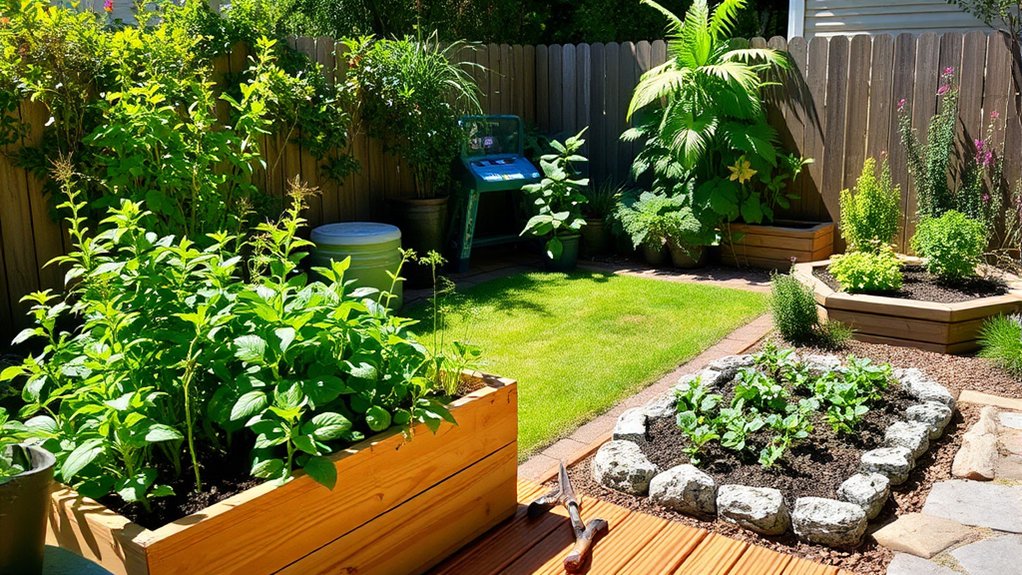
Before choosing what to grow, consider how much space, sunlight, and time you can provide. Then match your garden to the area you have. A few pots suit a balcony, doorstep, or windowsill, while a raised bed works well in a small yard.
If you have little room, grow compact varieties or use vertical planters to make better use of walls and railings. Check that containers have drainage holes, and choose sizes that fit your plants’ roots.
Think about upkeep, too. If you’re busy, start with a small plot and a few easy-care plants rather than filling every available space. You can expand once you know what fits your routine.
Use mulch strategies, such as covering bare soil with straw or leaf mold, to help retain moisture and limit weeds. Trim plants as needed; discreet pruning keeps growth tidy without taking over your space.
Choose a setup you can reach and maintain comfortably, so gardening stays manageable and rewarding.
Find a Sunny Spot for Your Garden
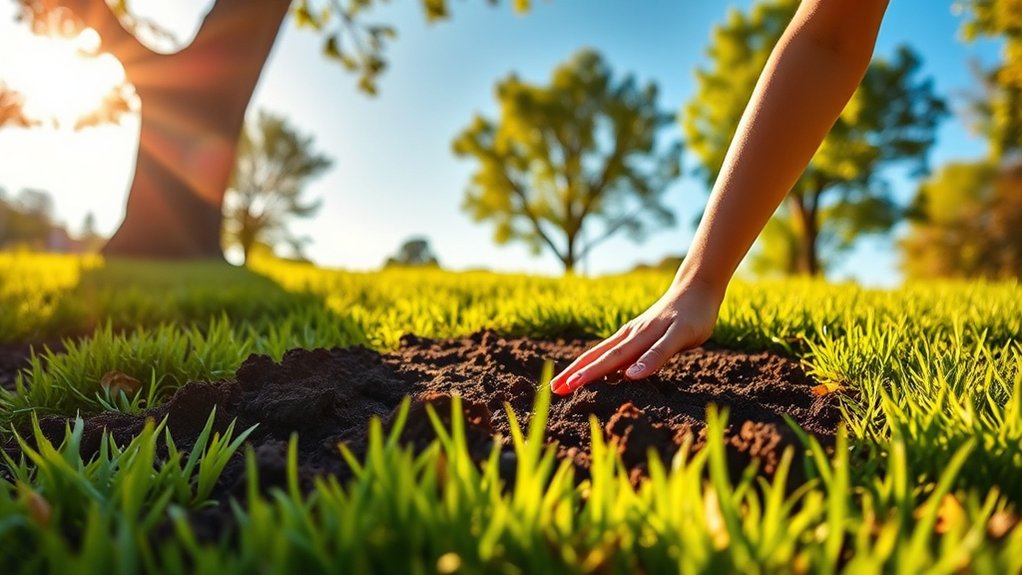
Track how many hours of sunlight each spot gets throughout the day. Then, choose an open area where your plants can soak up the sun, and avoid shady spots.
Track Sunlight Hours
Where does sunlight linger longest in your yard? To find out, track the sun before you plant. Your sunlight tracking will reveal how light shifts throughout the day and help you match plants to their needs. Start by observing one spot from morning to evening for several days.
- Note when direct sunlight first reaches the spot.
- Check again at midday and late afternoon.
- Record when shade covers the area and what causes it.
- Repeat your daily shading analysis on both sunny and cloudy days.
Use a notebook or a simple chart to log the hours. Count only direct sun, not bright, indirect light. Compare your notes across days, since seasons and weather can change the pattern. Once you know the spot’s typical sunlight hours, you can choose plants that will thrive there. Keep your records handy when planning your garden.
Choose an Open Area
Choose an open area that gets plenty of direct sunlight and has room for your plants to grow. Use your sun tracking notes to compare possible spots throughout the day and select one that suits the crops you want to grow.
Check that the area is easy to reach with a hose or watering can, so you can care for your garden without extra effort. Look for level ground, which makes planting and watering simpler.
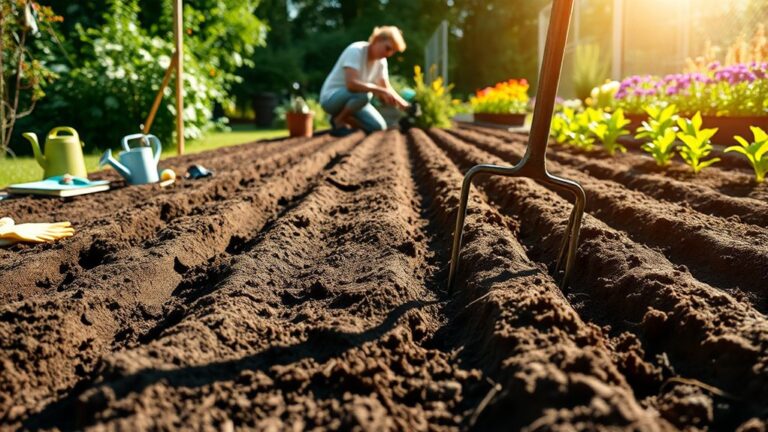
Before you begin, clear away rocks, weeds, and debris, then loosen the soil with a garden fork. Consider soil testing to learn whether your soil needs amendments for healthy growth.
If you’re planting in a small yard, a sunny patch near your home can work well. Leave enough space to move comfortably between plants and tend them.
Avoid Shady Spots
Avoid shady spots when planning your garden, since most vegetables and flowers need several hours of direct sunlight to grow well. Watch your yard throughout the day to see where sunlight falls, and choose a site that receives at least six hours of direct sun. Your plants’ needs vary, so check seed packets or plant labels before you decide.
- Track sun exposure in the morning, midday, and afternoon.
- Notice shade cast by trees, fences, buildings, and sheds.
- Choose a sunny area for tomatoes, peppers, and flowering plants.
- Save partly shaded spots for crops that tolerate less sun, such as lettuce.
If you can’t avoid shady areas, grow suitable plants there rather than forcing sun-loving varieties to struggle. You’ll get healthier growth and better harvests by matching each plant to the light your garden provides.
Test Your Soil and Prepare Your Growing Space
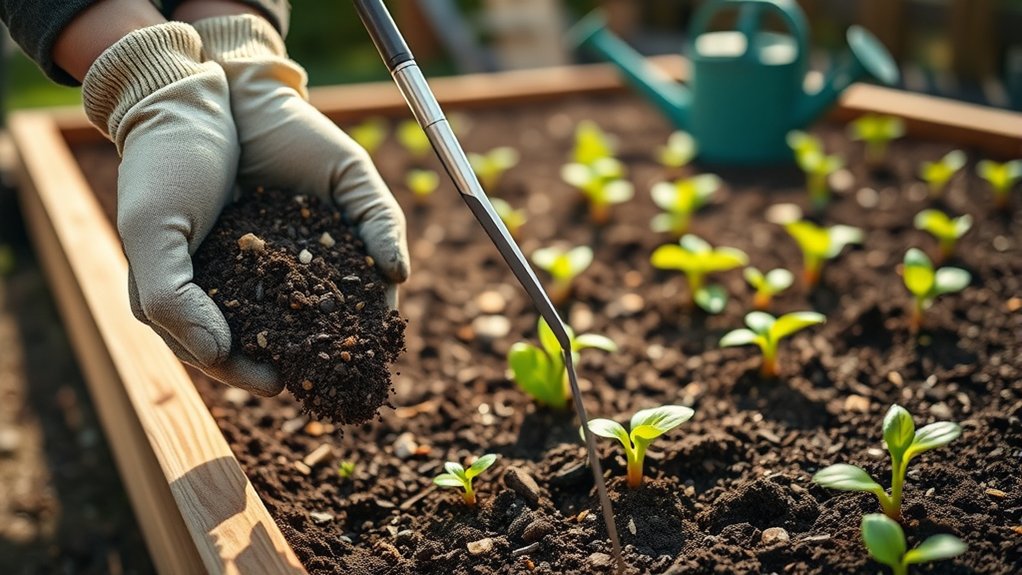
Before planting, find out what your soil needs and make sure your growing space is ready. Start with soil testing: collect a sample according to your local extension service’s instructions, then use a kit or send it to a lab.
> Test your soil before planting to understand its needs and prepare your growing space.
The results show your soil’s pH and soil nutrients, helping you decide whether to add amendments. Don’t guess or apply fertilizer unnecessarily; too much can harm plants and wash into waterways.
Clear weeds, rocks, and debris from your chosen area. If you’re using a garden bed, loosen the soil with a fork or spade, working only when it’s moist but not soggy.
Mix in compost to improve structure and support healthy soil life. For containers, choose pots with drainage holes and fill them with fresh potting mix rather than garden soil, which can compact.
Keep paths accessible, and leave enough room to reach every part of your growing space without stepping on prepared soil.
Choose Easy Crops and the Right Planting Time
Start with easy crops like lettuce, radishes, or bush beans to build your confidence. Before you sow, check your local planting calendar. Planting at the right time gives your crops the best chance to thrive.
Start With Easy Crops
Start with crops that grow quickly and tolerate a little neglect, such as radishes, lettuce, bush beans, or zucchini. These dependable choices help you build confidence while you learn to water, weed, and harvest. Choose just two or three crops for your first garden, and check how much space each needs before planting.
- Radishes: You’ll see sprouts quickly and can harvest roots in a few weeks.
- Lettuce: Pick outer leaves as needed for a steady supply.
- Bush beans: You won’t need a trellis, and the pods are easy to gather.
- Zucchini: One or two plants can produce plenty, so leave room.
If you’d like to grow kale, choose a variety suited to your space. You can start seeds indoors or sow them directly, following packet instructions for depth and spacing.
Plant In Season
Plant crops when the season suits them, since cool-weather vegetables like lettuce and radishes can struggle in summer heat, while beans and zucchini need warmer soil. Check your seed packets or local planting calendar for frost dates, then choose crops that match your climate and available space.
Start with a few easy vegetables, and sow small amounts every couple of weeks for seasonal succession. This approach spreads harvests instead of overwhelming you with produce all at once.
| Season | Easy crops |
|---|---|
| Cool | Lettuce, radishes |
| Warm | Beans, zucchini |
Plan crop rotation by moving plant families to different beds each year. You’ll help reduce soil-borne pests and diseases, while giving your garden a healthier start.
Keep notes on planting dates and results, so you can adjust next season’s choices with confidence.
Plan Your Garden Layout and Plant Spacing
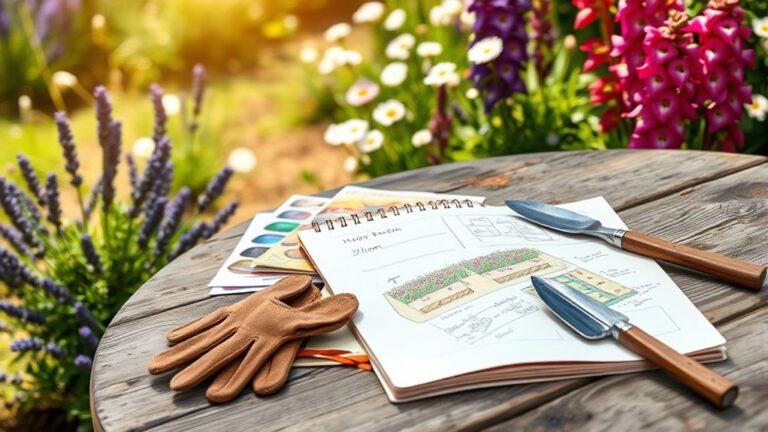
Before you dig, sketch your garden to make the most of its space and sunlight. Note where shade falls throughout the day, then place sun-loving plants in the brightest spots. Check mature plant sizes on seed packets or labels so you can leave enough room for healthy growth and airflow.
- Group plants with similar sunlight and watering needs to simplify care.
- Arrange tall crops on the north side, where they won’t shade shorter plants.
- Leave clear paths so you can reach every bed without stepping on growing soil.
- Space each plant according to its mature width, not its size at planting.
You’ll also want to plan for next season. Use crop rotation to avoid planting the same plant family in the same bed year after year. If you’re unsure which crops suit your garden, soil testing can help you choose wisely. A simple, scaled sketch gives you a practical planting guide and helps prevent overcrowding before you start. Keep it handy as your garden grows and changes.
Gather the Tools and Supplies You Need
Once your layout is set, gather a few basic tools and supplies to prepare the soil and care for your plants. For tool selection, match each item to your garden’s size and your comfort.
Choose basic, comfortable tools suited to your garden’s size to prepare the soil and care for your plants.
A hand trowel helps you loosen soil and move it, while a sturdy spade suits larger beds. Choose bypass pruners for trimming stems, and use a watering can or hose with a gentle spray nozzle. Gloves protect your hands, and a kneeling pad can make ground-level work easier.
For supply organization, keep essentials together in a weatherproof bin or a dedicated shelf. Stock compost or other soil amendments, plant labels, and garden twine, along with a bucket for collecting weeds and debris.
Check that tools feel comfortable, work properly, and fit your storage space before buying. You don’t need every gadget: start with reliable basics, then add items as your garden’s needs become clear. Clean and dry tools after use to help them last.
Plant Seeds and Seedlings the Right Way
Loosen the soil and remove any weeds or stones. Then check the seed packet or plant label for the recommended planting depth. Planting seeds and seedlings at the right depth helps them develop strong roots.
Prepare the Soil
Healthy soil gives seeds and seedlings the support they need to grow, so take time to prepare it before planting. Start by clearing weeds, rocks, and leftover plant debris.
Then loosen the top layer with a garden fork, taking care not to work wet soil, which can compact easily. Check your soil’s texture and drainage, and consider a soil test to learn whether it needs amendments.
- Add finished compost to improve structure and feed helpful soil biology.
- Use test results to guide amendments; compost chemistry and soil pH affect nutrient availability.
- Break up large clumps, but avoid pulverizing the soil.
- Rake the surface smooth so water reaches the bed evenly.
Keep the soil loose and moist, not soggy. Your prepared bed will give roots room to develop and help plants establish successfully.
Plant at the Right Depth
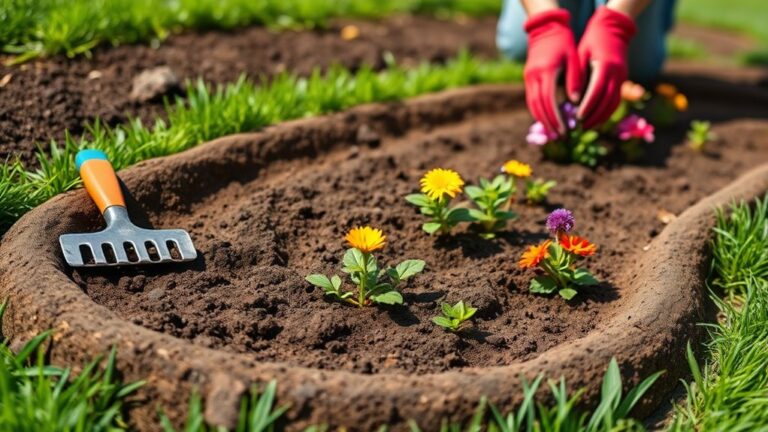
Plant seeds and seedlings at the right depth to help them take root and grow. Check each seed packet for its recommended seed depth; small seeds usually need only a light covering, while larger ones go deeper.
If you plant too deep, a seedling may struggle to reach sunlight. Too shallow, and seeds can dry out or wash away.
| Planting item | What you should do |
|---|---|
| Tiny seeds | Press onto the soil surface |
| Medium seeds | Cover with a thin layer |
| Large seeds | Plant about twice their width deep |
| Seedlings | Set the root ball level with the soil |
When transplanting, loosen roots gently and place the root ball in a hole that fits. Firm soil around it for root contact, then water slowly.
Keep the stem above soil unless planting instructions say otherwise.
Water Your Garden at the Right Time
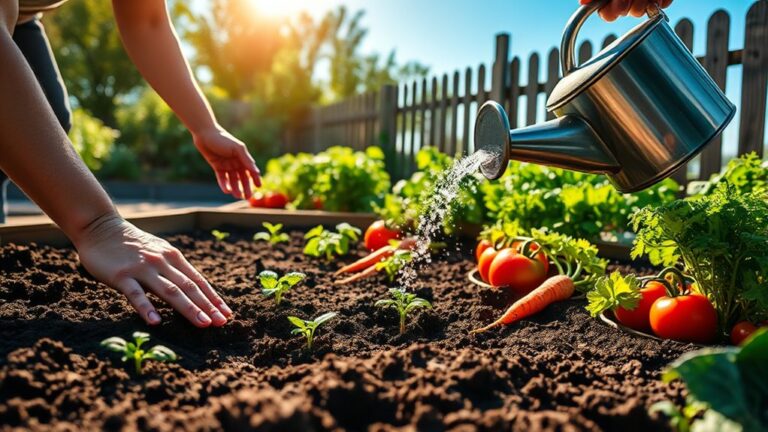
Water your garden in the early morning, when cooler temperatures give moisture time to soak into the soil before the day’s heat causes it to evaporate. If mornings don’t work, water in the late afternoon, allowing leaves to dry before nightfall. Aim water at the soil near each plant’s base, not over the foliage.
Water early, or late enough for leaves to dry before nightfall, and direct moisture to the soil near each plant’s base.
Build a watering schedule around your plants, soil, and local weather. Check soil moisture first: push a finger about an inch into the ground, and water if it feels dry. Give roots a deep, thorough soak instead of frequent, shallow sprinkles.
- Water seedlings gently so you don’t wash away soil.
- Check containers daily; they dry out faster than garden beds.
- Adjust your schedule after rain, rather than following it blindly.
- Keep drought considerations in mind, and prioritize thirsty plants during dry spells.
Use a watering can or hose with a gentle flow to direct water precisely. As plants grow, check their needs regularly and adjust how much you give them. Proper timing helps you conserve water and support steady growth.
Manage Weeds, Pests, and Plant Diseases
How can you protect your garden without reaching for harsh chemicals? Start with regular pest monitoring. Check leaves, stems, and soil for insects, eggs, chewed edges, spots, or wilting. Catching problems early helps you respond before they spread. Identify the cause before taking action; not every insect harms plants, and some are helpful.
For weed management, pull young weeds by hand after rain, when roots come out more easily. Add a layer of mulch to block sunlight and slow new growth, keeping it clear of plant stems. Remove weeds before they produce seeds, and avoid disturbing soil more than necessary.
Give plants enough space for airflow, and water at the base to keep foliage dry. If you spot diseased leaves, remove them promptly and discard them away from the garden. Clean tools between plants to limit spread. Encourage beneficial insects with diverse flowers, and use barriers or targeted treatments only when needed. Check plants weekly and adjust your approach as conditions change.
Harvest Your Crops and Restore the Soil
When should you harvest? Check each crop’s expected maturity, color, size, and firmness; harvest timing varies by variety and growing conditions. Pick vegetables when they’re tender, and gather herbs before they flower for the best flavor.
Use clean scissors or a sharp knife to avoid damaging plants, and harvest during the cool morning hours when possible.
- Tomatoes are ready when fully colored and slightly soft; let them ripen indoors if frost threatens.
- Harvest leafy greens from the outside, leaving the center to keep growing.
- Pick beans and zucchini often to encourage more production.
- Gather root crops when they reach the size listed on the seed packet.
After harvesting, clear away spent plants and diseased debris. Add healthy plant matter to your compost, but discard infected material safely.
Replenish beds with finished compost, then plant a cover crop or mulch bare soil. These soil restoration steps replace nutrients, protect soil structure, and prepare your garden for the next season.
Rotate crop families next year to reduce pest and disease buildup. Keep notes on yields and dates to improve your harvest timing next season.
Frequently Asked Questions
How Can I Garden Successfully if I Travel Often?
You can garden successfully while traveling by choosing resilient plants, automating watering, and arranging occasional help. Build travel-friendly routines: group containers by water needs, mulch beds, and use a timer-controlled drip system.
Before leaving, harvest ripe produce and check soil moisture. Try remote seed starting with a smart grow light or ask someone to monitor seedlings.
Start with low-maintenance herbs and perennials, then expand as you learn what thrives with your schedule.
Can I Grow Vegetables Indoors Without Natural Sunlight?
Yes, you can grow vegetables indoors without natural sunlight, but you’ll need grow lights to provide the intensity and daily duration plants require. A common theory says any bright household bulb will work; that’s usually false, since many bulbs don’t deliver enough usable light.
Choose full-spectrum grow lights and position them according to the manufacturer’s guidance. Select compact crops, water consistently, and use suitable soil amendments to support healthy growth. Your indoor vegetables without sunlight can thrive.
How Do I Keep Gardening Costs Within a Small Budget?
Keep gardening costs low by starting small, reusing what you already own, and choosing plants suited to your climate. You can grow herbs or vegetables in containers made from clean, repurposed buckets.
Look for budget friendly tools at yard sales, borrow equipment, or buy only essentials. Try thrifted seeds, seed swaps, and free community giveaways.
Make compost from kitchen scraps, save seeds from healthy plants, and expand your garden gradually as your experience and savings grow.
Is Gardening Safe for Pets and Young Children?
Gardening can be safe for pets and young children when you plan carefully. Choose child friendly plants that aren’t toxic, and check every plant’s safety before bringing it home. For pet safety, keep fertilizers, pesticides, tools, and sharp stakes locked away, and avoid chemical treatments where children or animals play. Supervise outdoor time, teach children not to eat plants, and wash hands after gardening. If exposure worries you, contact a doctor or veterinarian promptly.
How Can I Make Gardening More Accessible With Limited Mobility?
You can bring your garden within reach by raising beds like green islands and arranging tools nearby. Choose waist-high containers, vertical planters, or tabletop beds so you can garden while seated.
Use accessible tools with padded, ergonomic handles, lightweight materials, and long reach. Try adaptive techniques, such as drip irrigation, mulch to reduce weeding, and prefilled pots.
Keep paths wide, firm, and level, and add a sturdy seat or handrail for comfort and stability.
Conclusion
Your garden won’t become a botanical paradise overnight, and that’s fine. Start small, follow the steps, and let each season teach you what your plants need. Water thoughtfully, pull weeds before they declare independence, and celebrate every harvest, even if it’s one heroic tomato.
When the growing season ends, refresh your soil and plan what you’ll try next. With patience and a little humor, you’ll turn your patch of earth into a productive place and yourself into a gardener. That’s how to garden, one season at a time.