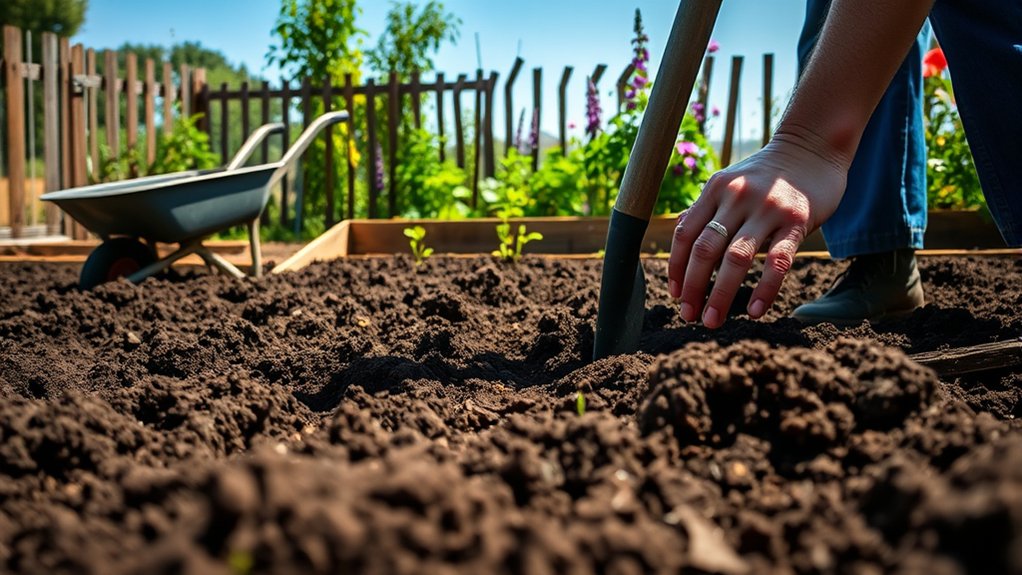
How to Prepare Ground for a Garden in 3 Easy Steps
Preparing garden ground can feel like a lot of work, especially when weeds, compacted soil, and uneven beds get in the way. You’re not alone—many gardeners struggle to create a healthy, easy-to-maintain space.
This guide to how to prepare ground for a garden breaks the job into three simple steps.
First, pull weeds by their roots, remove stones and branches, and bag plants with seeds or invasive roots.
Next, loosen soil 8 to 12 inches deep, then mix in 2 to 3 inches of finished compost.
Finally, rake the surface smooth and mark out accessible beds and paths.
A few practical details can help each step go smoothly.
Key Takeaways
- Clear weeds, rocks, roots, and other debris; bag weeds with seeds or invasive roots.
- Loosen the soil 8–12 inches deep with a fork or spade, avoiding work when soil is wet.
- Spread 2–3 inches of finished compost or another suitable organic amendment over the soil.
- Mix the amendment into the top several inches, then rake the surface level.
- Mark beds to fit your crops, leaving paths wide enough for access and beds narrow enough to reach across.
Clear Weeds and Debris Before Preparing Garden Soil
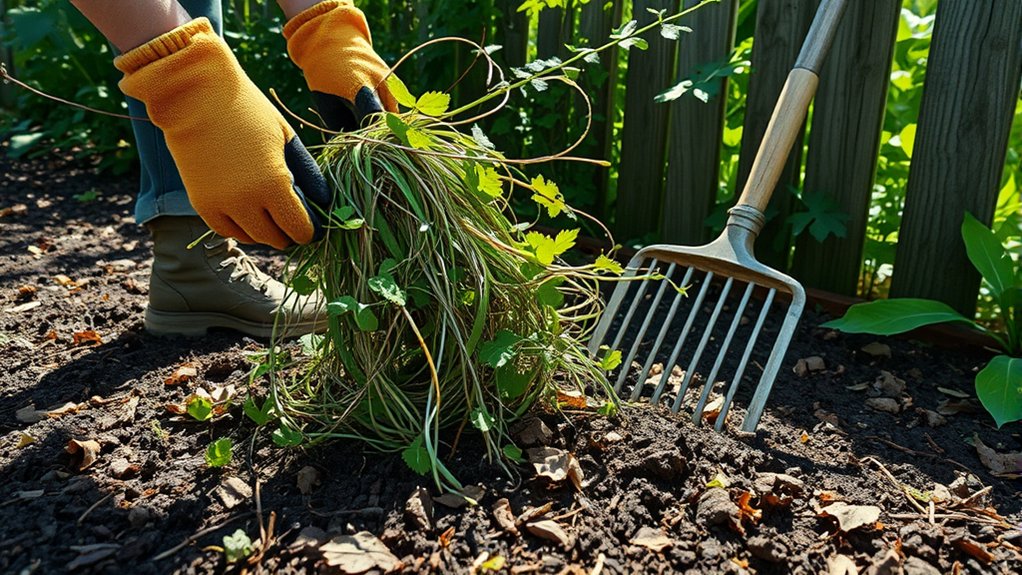
Before you prepare the soil, clear the garden of weeds, rocks, sticks, and other debris. Removing unwanted growth gives your plants more room and helps you spot hazards before planting.
Clear weeds and debris before preparing the soil to give plants room to grow and spot hazards before planting.
Pull small weeds by hand, gripping them near the base so you remove the roots. For larger patches, use a hoe or garden fork, taking care not to scatter seeds.
Good weeds management starts with identifying persistent or invasive plants. Bag weeds that have seed heads or spreading roots instead of adding them to your compost.
Check the area again after rain, when roots come out more easily, and remove any new growth promptly.
For effective debris removal, collect stones, branches, litter, and old plant material. Wear gloves to protect your hands, and use a rake to gather smaller pieces.
Dispose of diseased plants separately to limit the spread of pests or disease. Once the ground is clear, you can assess the space and plan your next preparation step.
Loosen Garden Soil and Mix in Compost
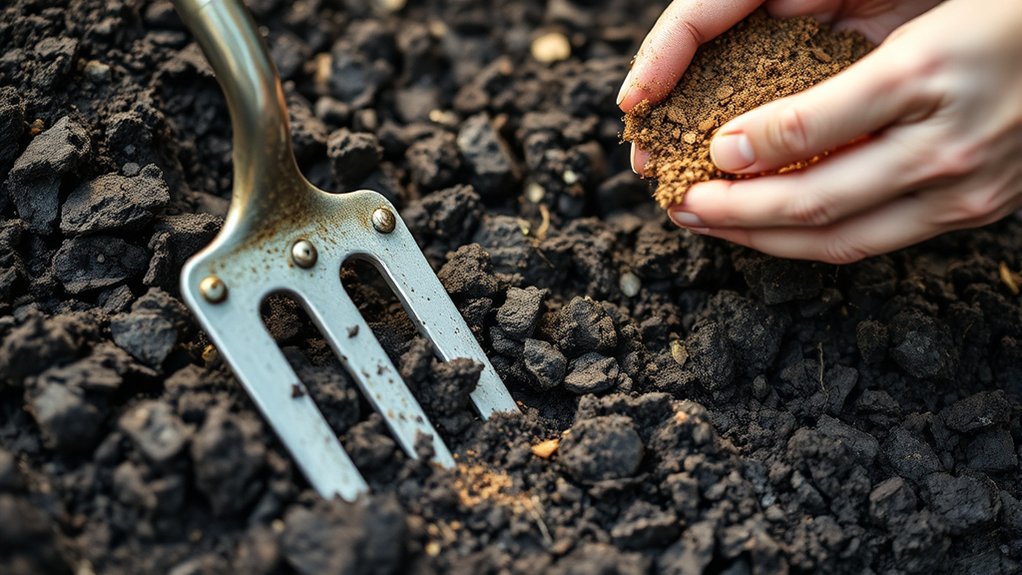
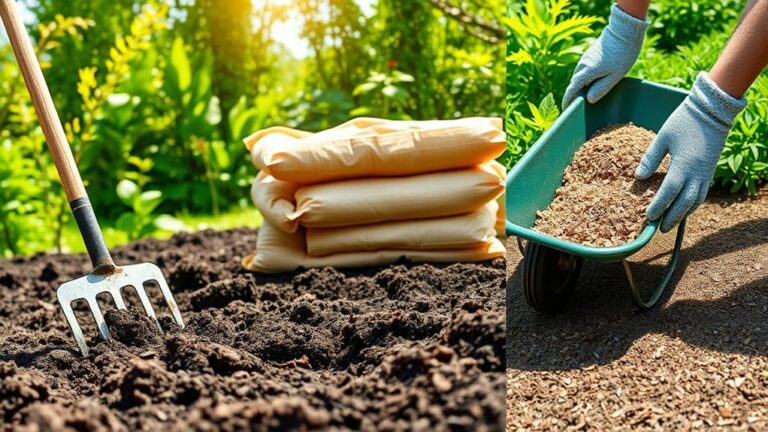
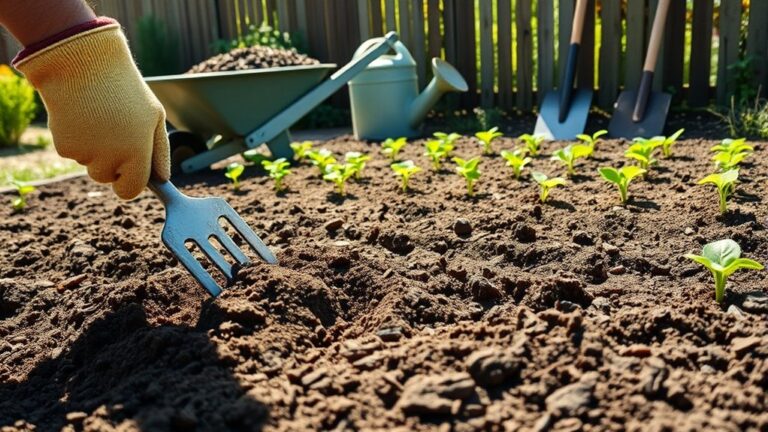
Once the area is clear, loosen the soil with a garden fork or spade to help roots grow and water drain. Work the tool into the ground about 8 to 12 inches deep, turning compacted clumps without pulverizing the soil. If the ground is very hard, water it lightly and wait until it’s moist, not soggy, before digging.
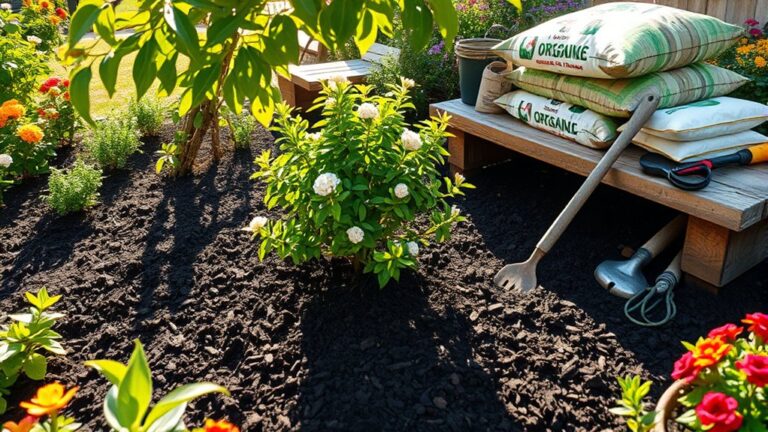
Before adding amendments, consider soil testing through a local extension service. The results can show your soil’s pH and nutrient levels, helping you choose what your garden needs. Spread a 2- to 3-inch layer of finished compost over the loosened ground, then blend it into the top several inches with your fork. Compost improves soil structure and supports beneficial organisms.
If you don’t have compost, use compost alternatives such as aged manure, leaf mold, or a suitable commercial organic amendment. Follow product directions, and avoid fresh manure, which can damage plants. Mix amendments evenly, but don’t work wet soil; digging then can compact it again.
Level the Ground and Form Planting Beds
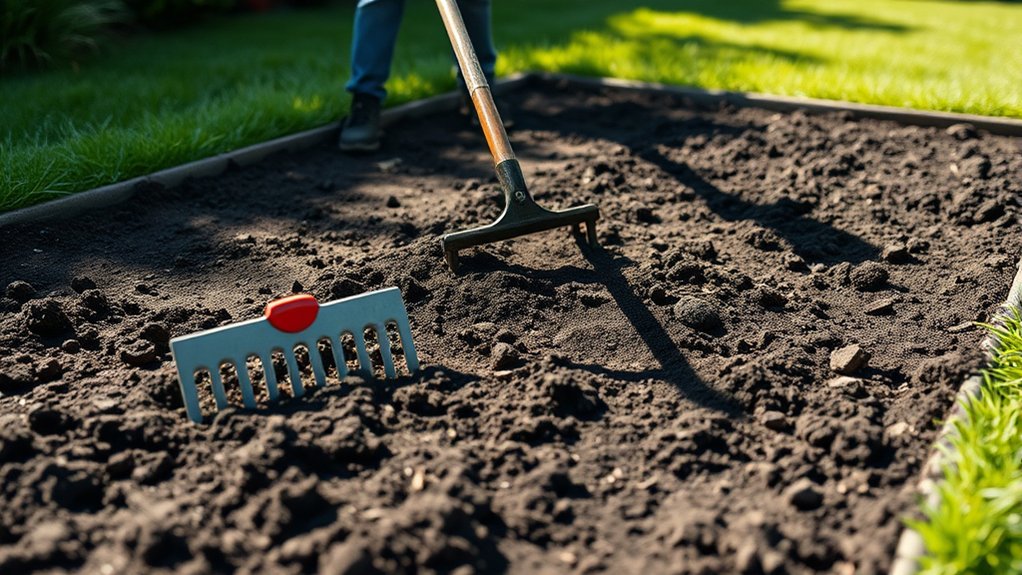
After mixing in compost, rake the soil smooth and remove any remaining stones or clumps. To level ground, pull a rake across the surface, filling low spots and shaving down small mounds. Check your work from several angles; an even surface helps water spread more consistently and makes planting easier.
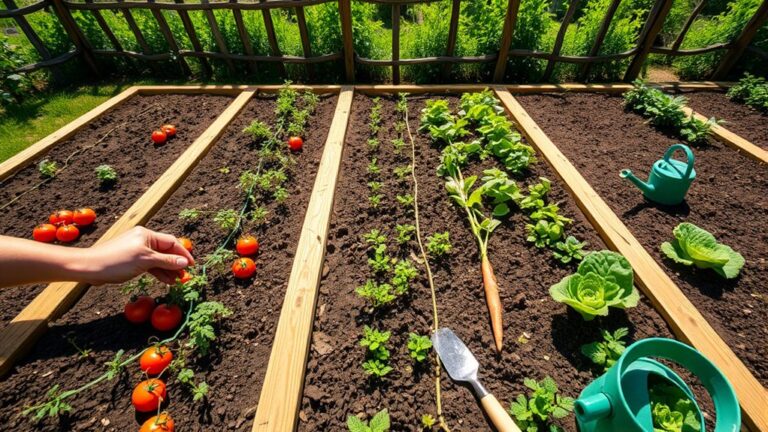
Next, focus on forming beds that suit your garden’s size and the crops you plan to grow. Mark each bed with stakes and string, leaving paths wide enough for you to walk through without stepping on prepared soil. Keep beds narrow enough to reach the center from either side.
Before shaping them, clear weeds and debris, including roots that could regrow. If the soil has settled or become compacted, loosen soil lightly with a garden fork, taking care not to disturb the compost you’ve added. As you finish preparing soil, rake each bed’s top flat and gently slope the edges toward the paths. Don’t pack the surface; roots need air and water.
Frequently Asked Questions
When Is the Best Time of Year to Prepare Garden Ground?
The best timing for soil preparation is usually a few weeks before you plant, when the ground is workable—not soggy or frozen.
In spring, prepare beds after the soil dries enough to crumble in your hand. For fall planting, prepare in late summer or early autumn.
Your local climate and crops affect seasonal planning, so check planting dates and soil conditions. Avoid digging wet ground; you’ll compact it and make future gardening harder.
How Can I Test My Garden Soil’s pH?
You can test soil pH with a home test kit, a digital meter, or a laboratory service. Collect small samples from several spots, remove debris, and mix them in a clean container. Follow your kit’s directions, since methods vary.
For a more complete assessment, ask a lab to test soil pH and soil salinity levels, along with nutrients. Test before planting, and repeat if you amend the soil or notice plant problems.
How Deep Should Garden Soil Be for Different Plants?
You’ll need 6–8 inches of soil depth for leafy greens and herbs, 8–12 inches for most vegetables, and 18–24 inches for deep-rooted crops like tomatoes, carrots, and parsnips. Match depth to each plant’s root reach, soil texture, and nutrient needs.
Shallow containers can work for lettuce, while potatoes and squash benefit from deeper beds. Check seed packets or plant guides for specific recommendations, and loosen compacted soil so roots can grow freely.
How Can I Improve Drainage in a Waterlogged Garden?
You can rescue your garden from its swamp cosplay by redirecting runoff, loosening compacted soil, and raising planting beds. For lasting drainage improvements, mix compost into heavy clay, but don’t add sand alone—it can create a concrete-like mess.
Try waterlogging solutions such as a French drain or a shallow swale to carry excess water away. Check downspouts, too, and route their flow elsewhere. Choose moisture-tolerant plants for persistently wet spots; they’ll thrive while others sulk.
What Should I Do if My Garden Soil Is Contaminated?
If you suspect contaminated soil, stop gardening there and keep children and pets away. Don’t eat crops grown in it, or move the soil around.
Contact your local environmental health department or a qualified soil-testing lab to identify the pollutant and assess the risk. Follow their advice on remediation strategies, which may include removing soil, covering it with clean material, or using raised beds.
Wear protective gear and dispose of contaminated soil as directed.
Conclusion
Preparing garden ground doesn’t have to be hard, even if you’re short on time or worried about getting it wrong. Clear away weeds and debris, loosen the soil with compost, then level it into welcoming beds.
You don’t need perfect soil to begin, just a little care and a willingness to try. Imagine the satisfaction of planting in ground you’ve prepared yourself.
Start with these three simple steps to prepare ground for a garden and give your garden a strong, hopeful beginning today.