5 Easy Steps to Create a Cottage Garden
Creating a cottage garden can feel overwhelming when you’re not sure where to start. You’re not alone—many people struggle to choose the right plants and arrange them for a lush, welcoming look.
Create a cottage garden in five steps: Choose a spot with at least six hours of sun, and check how shadows shift through the day and seasons. Plan a small, accessible bed, then remove weeds, loosen the soil, and mix in compost. Choose flowers suited to your climate, rainfall, and sunlight. Layer tall plants at the back, bushy blooms in the middle, and low flowers along paths. Water deeply, weed, mulch, deadhead, and compost; you’ll find more tips below.
Key Takeaways
- Choose a sunny spot that receives at least six hours of direct sunlight daily.
- Start with a small, accessible bed; remove weeds, loosen the soil, and mix in compost.
- Select flowers suited to your climate, rainfall, and garden’s sun exposure.
- Layer tall plants at the back, bushy flowers in the middle, and low-growing blooms near paths.
- Water deeply during dry spells, weed regularly, add spring compost, and mulch bare soil.
Choose a Sunny Spot for Your Cottage Garden
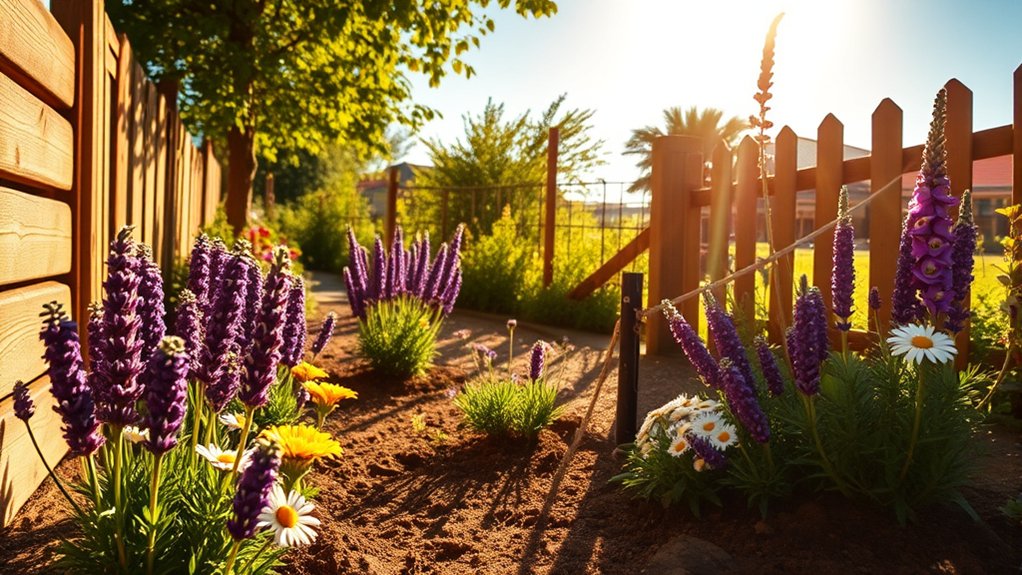
Choose a sunny spot for your cottage garden, ideally one that gets at least six hours of direct sunlight each day. Observe your yard at different times to see how trees, fences, and buildings cast shadows. These sunny spot considerations help you choose a location where flowering plants can thrive.
Pay attention to seasonal changes, too. A tree that offers little shade in early spring may block much more sunlight once its leaves fill out. Check whether nearby structures reflect intense heat or create sheltered pockets, since these conditions can affect which plants flourish.
Don’t assume shade-loving varieties will solve every problem in a dim area. Shade tolerance risks include fewer blooms, weaker growth, and leggy stems when plants receive less light than they need. If your preferred location gets only a few hours of sun, choose plants suited to partial shade rather than expecting sun-loving flowers to adapt.
You’ll enjoy a fuller, more colorful cottage garden when you match the site’s light to your plants’ needs.
Plan Small Beds and Prepare the Soil
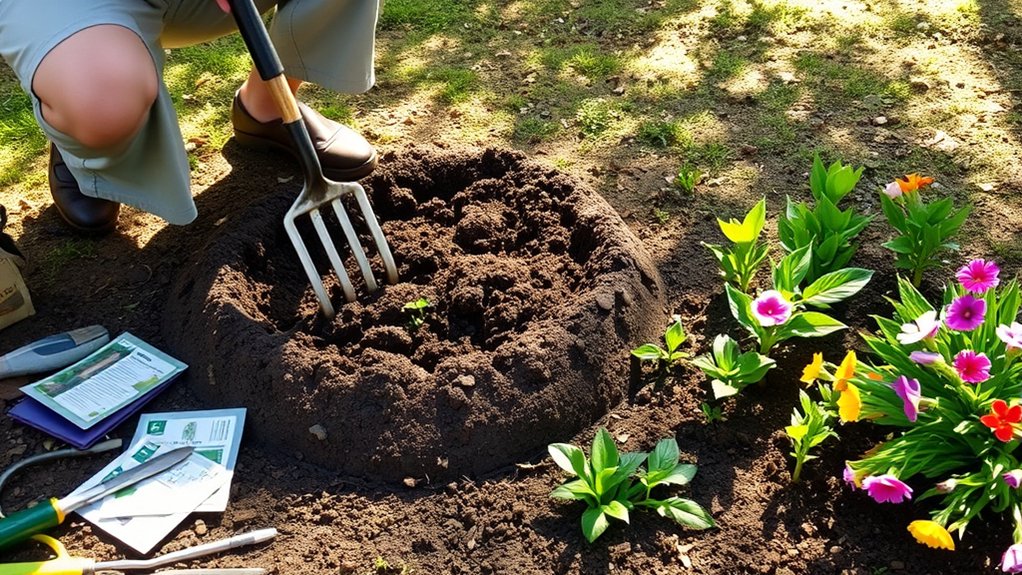
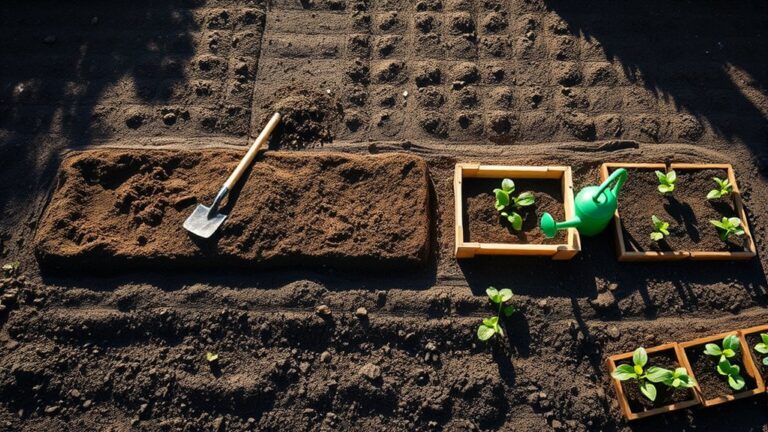
Start with a small bed you can easily reach from every side, so planting, weeding, and watering stay manageable. A compact plot lets you learn what works without turning garden care into a chore. Sketch its shape, then leave enough room for a path and a hose.
Begin with a small, accessible bed and leave room for a path and hose to keep gardening simple and manageable.
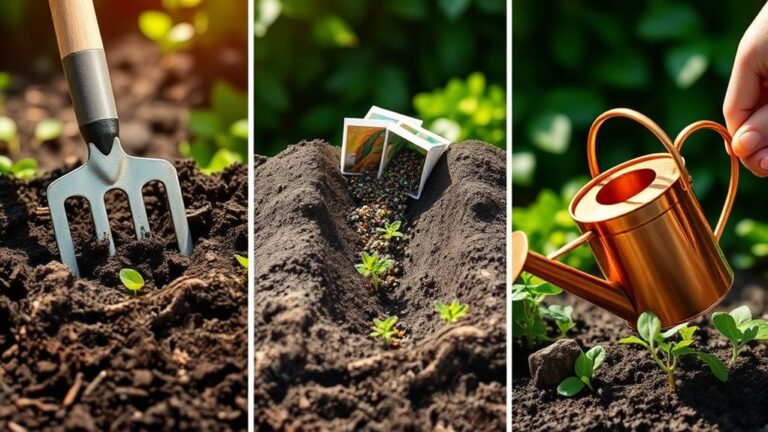
Good soil preparation gives roots a healthy start. Remove weeds and stones, loosen the ground, and mix in finished compost to improve texture and add nutrients. Check that water drains instead of pooling after rain. If the soil feels heavy or dry, adjust it with organic matter before you plant.
- Keep beds narrow enough to reach the center comfortably.
- Mark edges with string before digging.
- Group beds near a water source.
- Add compost gradually, then blend it into the topsoil.
- Choose a watering strategy that fits your schedule and local rainfall.
You don’t need perfect soil or a grand layout on day one. Start with one tidy bed, observe how it holds moisture, and expand when you feel ready. A simple plan saves effort and helps you enjoy the work.
Choose Cottage Garden Flowers for Your Climate

Which flowers thrive in your cottage garden depends largely on your climate. Check your region’s hardiness zone and typical rainfall before choosing plants. Then compare each flower’s needs with your local conditions and the amount of sun your garden receives. This simple research helps you avoid varieties that struggle through your summers or winters.
In cool regions, try hardy choices such as foxgloves, lupines, and delphiniums. If your area has hot summers, consider coneflowers, salvias, and zinnias; many handle heat well once established.
For dry climates, look for plants with strong drought tolerance, including yarrow and lavender. In humid areas, choose disease-resistant varieties and give mildew-prone flowers room to breathe.
You can also use companion planting to pair flowers with similar water and soil needs, making care easier. Ask local nurseries or extension services which varieties perform reliably nearby.
Select a mix of bloom times and colors to enjoy flowers throughout your growing season, while keeping your choices suited to your climate.
Plant in Layers for a Lush, Relaxed Look
To create a lush, relaxed cottage garden, arrange plants in layers of different heights. Start with tall flowers or airy grasses at the back of a border, where they’ll add a graceful backdrop without hiding shorter blooms.
In the middle, group bushy perennials to build layered textures and connect the taller plants with the front edge. Finish with low-growing flowers or trailing plants near paths, where you can enjoy their color up close.
Mixing heights makes your garden feel abundant, not overly planned. Repeat a few flower colors or shapes across the border, and let plants mingle naturally for a relaxed vibe. Try this simple arrangement:
- Place hollyhocks or foxgloves behind shorter flowers.
- Add daisies or salvias through the middle.
- Edge beds with alyssum or creeping thyme.
- Let sweet peas climb a trellis or fence.
- Tuck in a few trailing blooms beside containers.
Step back as you arrange each group. You’ll create depth while keeping every layer visible and inviting.
Care for Your Cottage Garden
With a little regular attention, you can keep your cottage garden healthy without making it feel too tidy. Build a simple care routine around the seasons: water deeply during dry spells, pull weeds before they set seed, and remove damaged stems as you notice them. Check plants regularly for pests, but encourage helpful insects by avoiding broad-spectrum sprays. Add compost around flowers and shrubs each spring to replenish nutrients and improve soil structure.
Let your garden’s relaxed character guide your pruning. Deadhead blooms to encourage more flowers, but leave some seed heads for birds and winter interest. Support tall stems before they flop, and divide crowded perennials when flowering declines. Mulch bare soil to conserve moisture, keeping material away from plant crowns.
If plants struggle despite good care, try soil testing before adding fertilizer. A test can reveal pH or nutrient problems, helping you choose targeted amendments instead of guessing. Adjust your approach as plants grow, and enjoy the garden’s changing, informal beauty.
Frequently Asked Questions
Can I Create a Cottage Garden in Containers?
Yes, you can create a cottage garden in containers. Choose pots with drainage holes, then fill them with quality potting mix.
For thoughtful container design, combine varied heights, textures, and colors in each pot or group containers together. Select plant combinations that suit your sunlight and climate, such as compact roses, lavender, trailing lobelia, and herbs.
Water regularly, feed during active growth, and remove spent flowers to keep your display lush and welcoming.
How Can I Make a Cottage Garden Wildlife-Friendly?
Make your cottage garden wildlife-friendly by planting nectar-rich flowers, native shrubs, and herbs that bloom across the seasons. Choose single-flowered varieties so pollinators can reach their food, and leave seed heads, leaf litter, and a small water source for birds and insects.
Try wildlife friendly ideas like a log pile or bee hotel. For container friendly approaches, grow pollinator favorites in pots and avoid pesticides—you’ll provide shelter and food in any space.
Are Cottage Gardens Suitable for Small Urban Spaces?
Yes, cottage gardens suit small urban spaces when you make the most of every inch. Choose a container friendly design, grouping pots of varied heights to create lush layers without needing a yard.
Grow compact flowers, herbs, and climbing plants on trellises, and use window boxes or railing planters. You can also add a small bench or birdbath as a focal point.
With thoughtful choices, you’ll create a charming, wildlife-friendly retreat.
Can I Include Vegetables and Herbs in a Cottage Garden?
Yes—you can blend vegetables and herbs into a cottage garden, where they’ll mingle beautifully with flowers. Think of your beds as a lively dinner party: colorful blooms set the table, while tomatoes and basil bring the meal.
Try vegetable integration with leafy greens, beans, or chard tucked among ornamentals, and plant herb edibles like thyme, rosemary, and parsley along paths. You’ll enjoy a charming, productive garden—and fresh ingredients close at hand.
How Do I Add Paths and Seating to a Cottage Garden?
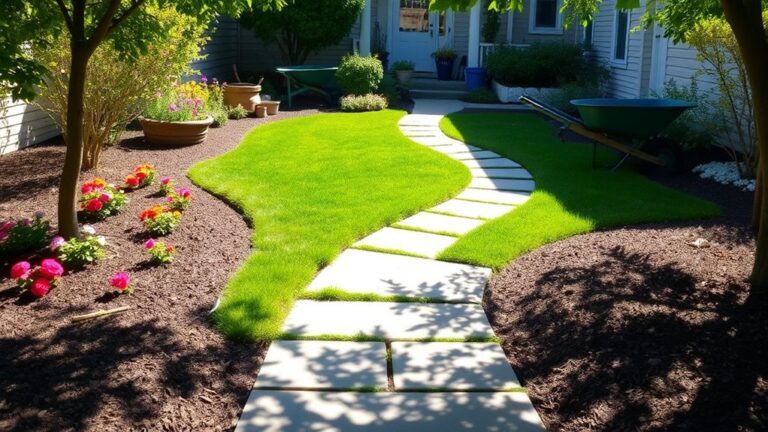
Add paths and seating by mapping routes you’ll use often, then choosing materials that suit your garden’s style, such as gravel, brick, or stepping stones. Keep paths wide enough to walk comfortably and let them curve gently among your plants.
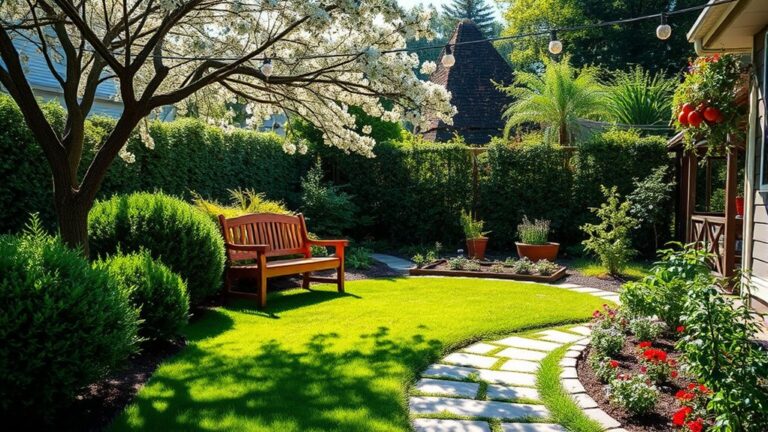
Place a bench or small chair in a sunny nook or beneath a tree, where you can relax and enjoy the view. Define garden edges with low plants, stones, or simple borders to keep everything tidy.
Conclusion
Your cottage garden won’t become a storybook scene overnight, and the weeds haven’t read the script. Still, give your sunny spot good soil, choose flowers suited to your climate, and plant in layers.
With steady care, you’ll get a cheerful tangle that looks delightfully effortless, even if you know how many weeds you pulled. Soon, bees will buzz, blooms will spill over the beds, and your neighbors may suspect you’ve hired a tiny team of very well-trained garden gnomes. That’s the charm of a cottage garden.